Categories
exercises Fitness fitness-tips flexibility flexibility & mobility Gym home workout men recovery & wellness strength training stretching women yogis

Pre-Workout Stretching Plan for Yogis: Enhancing Flexibility & Mobility

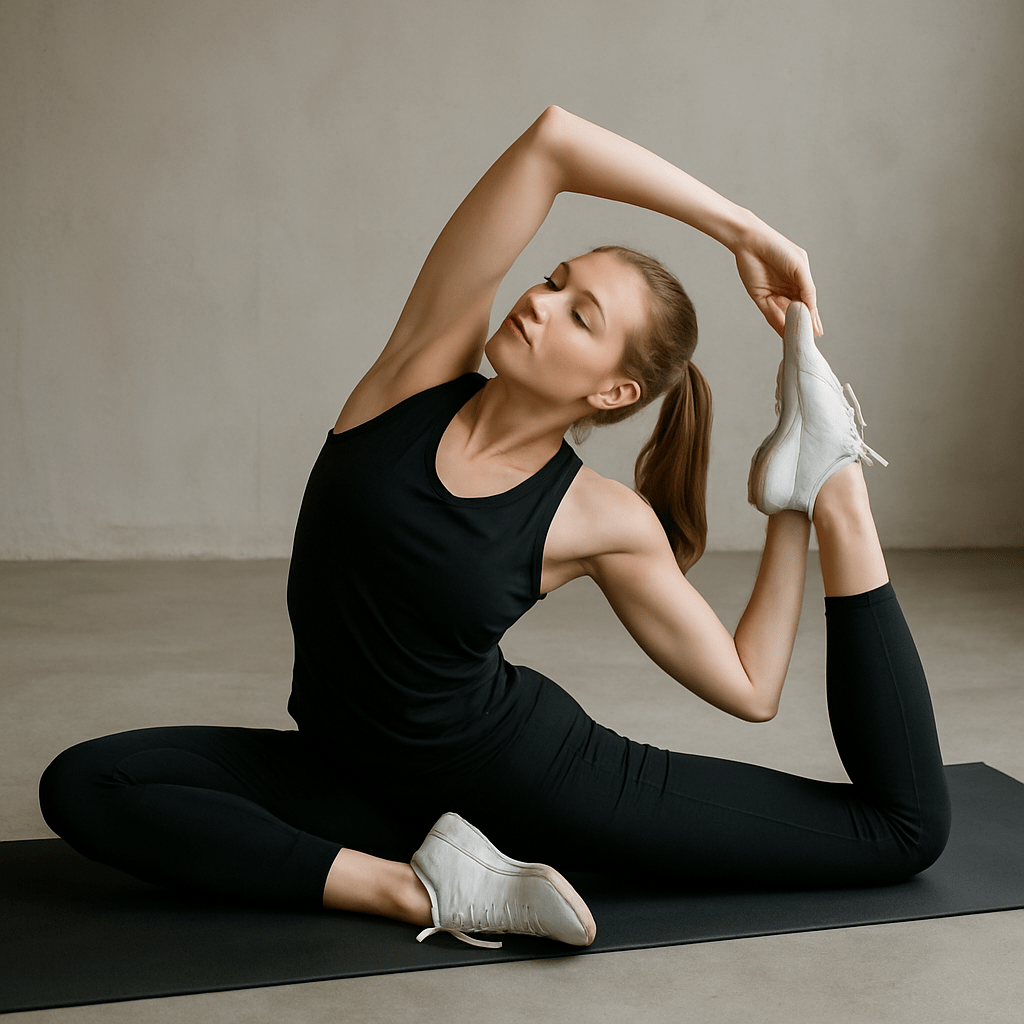
For yogis, preparing the body before any intense workout or practice session is essential—not only to prevent injury but to maximize flexibility and mobility. Stretching is often seen as a simple warm-up step, but when done mindfully and with intention, it becomes a powerful tool to enhance your fitness journey and deepen your practice.

In this article, we’ll explore a practical pre-workout stretching plan tailored specifically for yogis. Whether you’re preparing for a vigorous yoga flow, strength training, or cardio session, these targeted stretches will set the stage for optimal performance and wellness.

Why Focus on Flexibility & Mobility?

Flexibility refers to the ability of your muscles to lengthen, while mobility is about the range of motion in your joints. Together, they form the foundation of functional movement and injury prevention. For yogis, maintaining both is crucial—not just to perform asanas with grace but to safeguard the body during dynamic workouts.

When you prioritize flexibility and mobility in your pre-workout routine, you increase blood flow, reduce muscle stiffness, and enhance joint lubrication.

The Pre-Workout Stretching Plan for Yogis

  1. Dynamic Cat-Cow Flow (Spinal Mobility)

Instructions:

Start on all fours, placing your hands directly below your shoulders and your knees beneath your hips.

Take a deep breath in as you gently curve your spine downward, dropping your abdomen toward the mat, lifting your chest, and raising your hips.

Exhale as you round your back toward the ceiling, tuck your chin in, and engage your abdominal muscles lightly (Cat Pose).

Repeat this motion with your breath for 8–10 cycles, allowing each movement to feel smooth and intentional.

Benefits: Helps loosen the spine, enhances range of motion, and encourages smooth, controlled movement.

  1. Standing Side Stretch (Lateral Flexibility)

Instructions:

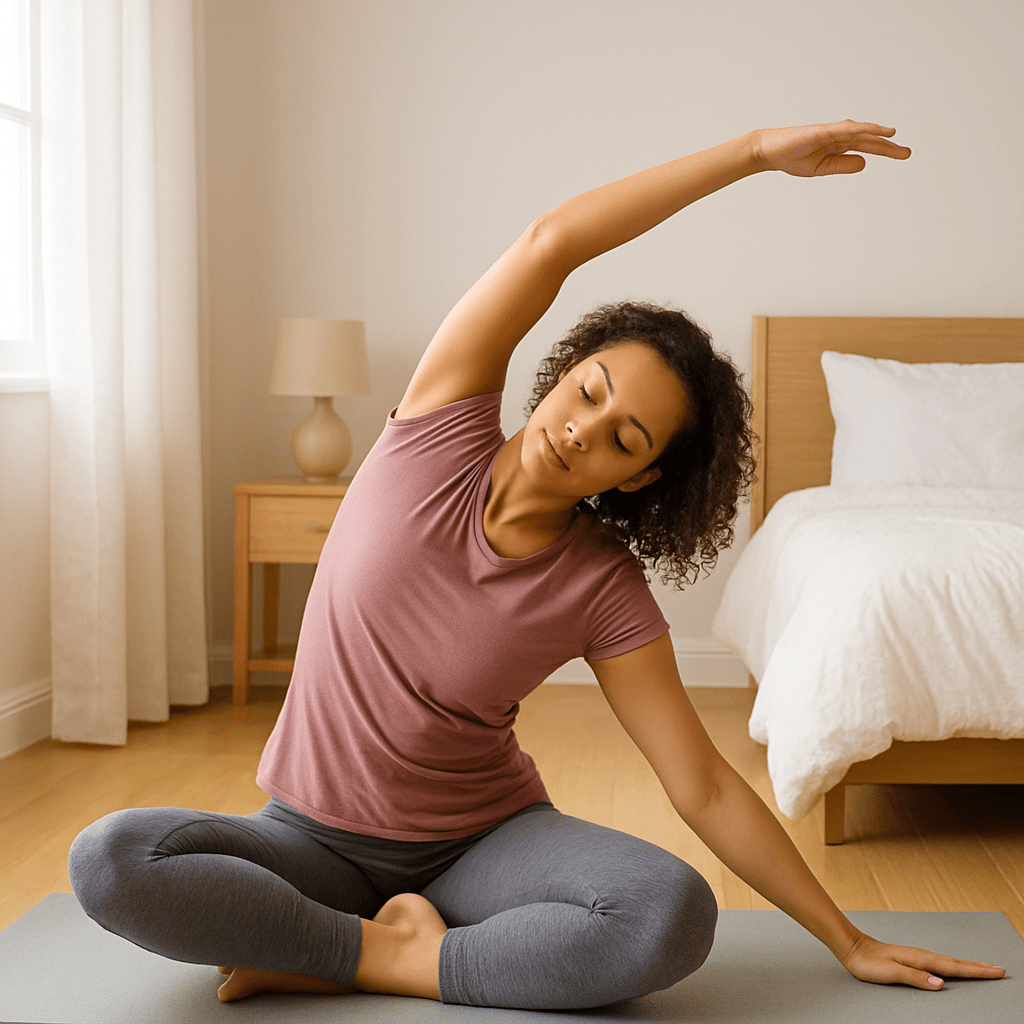
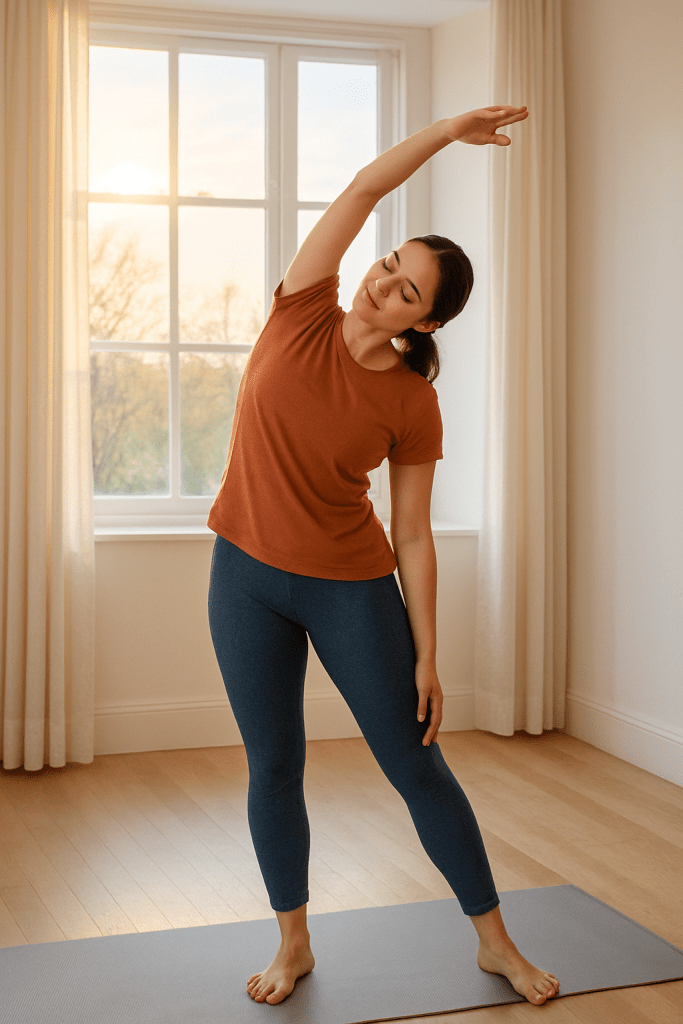
Position yourself upright, feet spaced roughly at shoulder distance, with your arms resting comfortably alongside your body.

Inhale and raise your right arm overhead, keeping your shoulders relaxed.

Exhale as you lean gently to the left, feeling a stretch along your right side body. Keep your hips squared forward.

Hold this stretch for 15–20 seconds, then return to standing.

Repeat on the opposite side.

Benefits: Opens up the side body, improves lateral flexibility and breathing capacity.

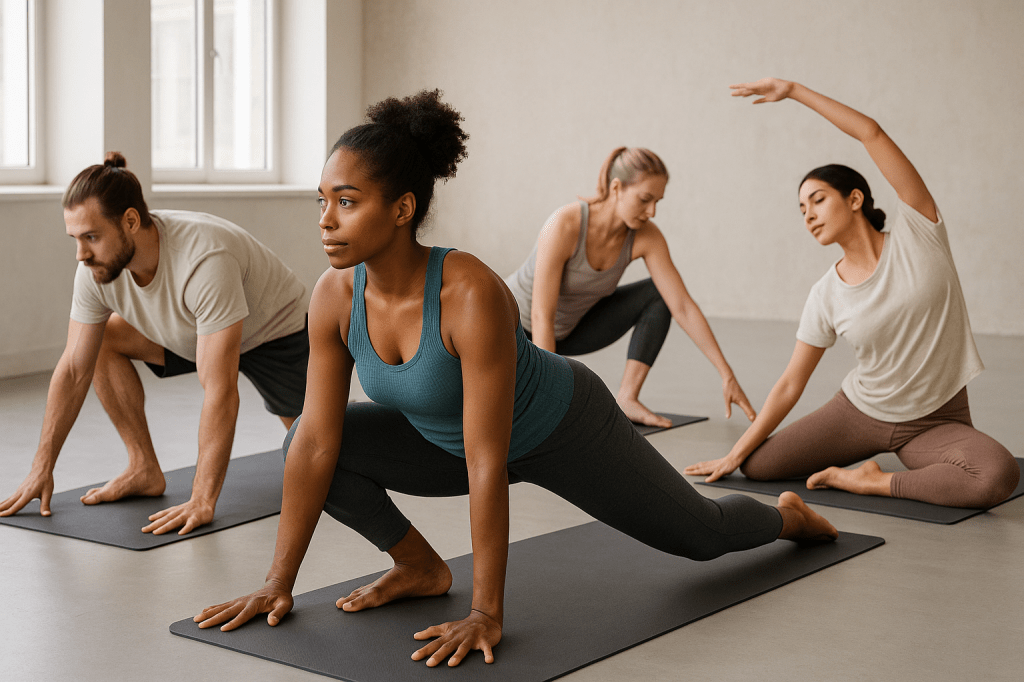
  1. Low Lunge with Twist (Hip Mobility & Spinal Rotation)

Instructions:

Step your right foot forward between your hands, lowering your left knee to the mat into a low lunge position.

Look up toward your extended hand and maintain the twist for about 20 seconds.

Return your hand to the mat and switch sides.

Benefits: Loosens tight hips, stretches hip flexors, and improves spinal mobility.

  1. Downward Dog Pedal (Calf & Hamstring Flexibility)

Instructions:

From a Downward Dog position (hands and feet on the mat, hips lifted high), begin to pedal your feet.

Lower your right heel toward the floor, bending your left knee slightly.

Next, alternate by pressing your left heel down as you bend your right knee.

  1. Wrist Circles and Finger Stretch (Joint Mobility)

Instructions:

Stretch your arms forward, keeping your palms directed downward.

Rotate your wrists slowly clockwise 10 times, then counterclockwise 10 times.

Next, spread your fingers wide apart and hold for 10 seconds.

Relax and repeat the finger stretch 2–3 times.

Benefits: Prepares wrists and fingers for weight-bearing postures, reduces stiffness, and increases joint mobility.

Benefits of a Pre-Workout Stretching Routine for Yogis

Injury Prevention: Warming up your muscles gradually helps lower the chances of pulls, strains, or other workout-related injuries.

Improved Performance: Enhanced joint mobility enables deeper, more precise movements.

Greater Mind-Body Connection: Focused stretching increases body awareness and mental readiness.

Enhanced Recovery: Prepping muscles reduces soreness after intense sessions.

Final Thoughts

Building a consistent pre-workout stretching habit is one of the most effective ways to honor your body and boost your fitness. For yogis especially, flexibility and mobility are more than physical attributes—they’re gateways to a richer, more mindful practice. Integrate these stretches into your routine and feel the difference in your next session.
Categories
athletes beginners Budget-Friendly busy schedules cardio cardio & endurance exercises Fitness fitness-tips flexibility flexibility & mobility gear & reviews Gym home workout men mobility Muscle Gain recovery & wellness strength training stretching training women workouts yogis

Gym Equipment Must-Haves for Yogis

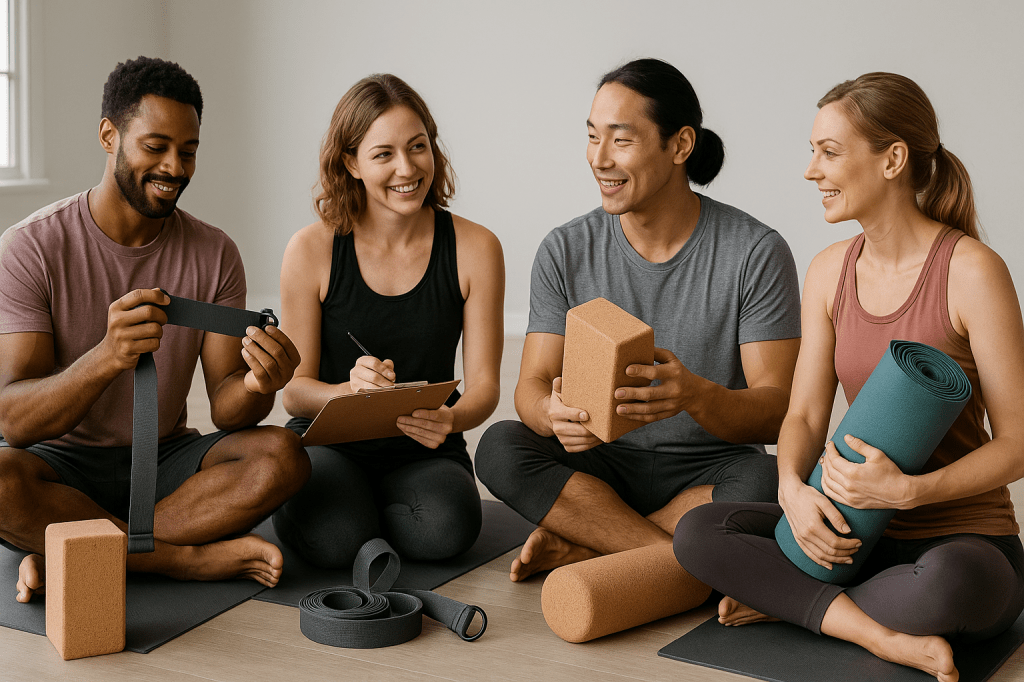
Yoga is a deeply personal and transformative practice. Whether you’re perfecting your Warrior II or just finding time to breathe, the right tools can make all the difference. This guide highlights gym equipment essentials for yogis—complete with reviews, tips, and step-by-step instructions—to help you build a well-rounded, supportive yoga space.

Why Equipment Matters for Your Yoga Practice

The right yoga gear does more than make your setup look good. It offers comfort, support, and structure, helping you move more freely while reducing the risk of injury. With this list, you’ll be able to practice smarter and safer.

  1. Premium Yoga Mat

Purpose: A yoga mat offers a stable, cushioned surface to support comfort and traction during your sessions.

How to Use:

Roll out the mat on a flat surface.

Ensure the grippy or textured side of the mat is facing upward for better traction during your practice.

Use alignment lines (if available) to position hands and feet in poses like Downward Dog.

Suggested: Manduka PRO Yoga Mat – Known for its dense cushioning, it’s ideal for joint support and designed for long-term use.

  1. Yoga Blocks

Purpose: Yoga blocks are useful tools for enhancing stability, improving flexibility, and supporting proper posture during poses.

How to Use:

For hamstring stretches: Place one block under each hand in a forward fold if your hands don’t touch the floor.

For support: Use under your sacrum in Bridge Pose for a supported version.

For seated poses: Use a block to elevate your hips, which can help alleviate strain on your knees and hips.

Suggested: Gaiam Cork Yoga Blocks — Durable, environmentally friendly, and offering a comfortable, natural texture for grip.

  1. Yoga Strap

Purpose: A yoga strap helps you reach farther and hold stretches longer without putting undue strain on your muscles.

How to Use:

Seated Forward Stretch: Sit with your legs extended straight ahead. Wrap the strap around the bottoms of your feet and carefully pull yourself forward, maintaining a long, straight spine.

Shoulder Stretch: Grasp the strap behind your back with both hands and gradually raise it to gently open and stretch your shoulders.

Reclined Leg Stretch: While lying on your back, loop the strap around one foot and slowly raise your leg toward the ceiling, keeping it straight for an effective hamstring stretch.

Recommended: Jade Yoga Strap — Known for its durability and adjustable metal D-rings.

  1. Foam Roller

Purpose: Foam rollers are excellent for muscle recovery, helping to ease tightness and improve blood flow.

How to Use:

To ease tight quadriceps: Lie face down and position the foam roller beneath your thighs. Gently roll from your hips toward your knees to help loosen the muscles.

For back relief: Sit on the floor with the roller positioned behind you. Carefully lean back and move slowly along your spine to massage and relax the muscles.

Pre- or Post-Yoga: Spend 5 to 10 minutes rolling key muscle groups to enhance flexibility and reduce soreness.

Recommended: TriggerPoint GRID Foam Roller — Features a firm, textured surface designed for deep muscle relief.

  1. Meditation Cushion

Purpose: Meditation cushions support correct posture and increase comfort during longer sitting sessions.

How to Use:

Zafu (round cushion): Sit upright near the front edge of the cushion, crossing your legs comfortably before you.

Benefit: Raising the hips slightly tilts the pelvis forward, helping to maintain a natural and upright spinal alignment.

Suggested: Hugger Mugger Zafu & Zabuton Set — Provides sturdy support and includes a removable, washable cover for convenience.

Tips for Choosing Your Yoga Gear

Test materials: When trying out new gear, make sure to check the return policy, especially if you’re unsure about the feel or firmness.

Consider portability: If you often practice at different locations, opt for equipment that’s lightweight and easy to transport.

Research gear & reviews: Reading what fellow yogis have to say can give you valuable insights into a product’s performance and durability.

Stick with essentials first: Begin with a good mat, one block, and a strap—then build out as your practice deepens.

The Benefits of Having the Right Gear

Injury prevention: Props allow you to ease into poses safely.

Improved alignment: You’ll hold better posture without forcing your body.

Enhanced flexibility: Over time, supportive gear can help deepen your range of motion.

Increased consistency: When practice feels better, you’re more likely to return to the mat.

Final Word

The journey of a yogi is unique, but the tools that support it are often shared. Whether you’re seeking balance, flexibility, or peace of mind, these gym equipment must-haves offer exactly that. With trusted gear & reviews to guide your choices, your yoga practice can become not only more accessible—but more powerful.

Remember, it’s not about having everything. It’s about having the right things. Invest in your wellness, take your time exploring what fits, and enjoy the process. Namaste.

Categories
Fitness flexibility & mobility Gym home workout mobility nutrition nutrition & meal recovery & wellness strength training stretching women yogis

Daily Mobility Routine to Prevent Injuries in Yogis

Whether you’re easing into your first downward dog or moving through advanced asanas, the key to a sustainable yoga practice isn’t just flexibility — it’s mobility. This short, effective daily routine supports joint health, reduces injury risk, and enhances your overall movement quality.

What’s the Difference Between Flexibility & Mobility?

Flexibility is how far a muscle can stretch.

Mobility is how well a joint moves under control through that range.

Yoga already boosts flexibility. But when we train mobility, we strengthen those flexible ranges so they’re more resilient — which is critical for preventing injuries.

Your 10-Minute Daily Mobility Routine for Yogis

No equipment needed. Just your body, your breath, and about 10 minutes of focused, mindful movement.

  1. Controlled Shoulder Circles (CARs)

Purpose: Helps unlock the shoulder joint while improving strength and control throughout your range of motion.

Instructions:

Stand or sit tall.

Extend one arm straight out in front of you.

Slowly move it in a full circle overhead and behind, like you’re tracing the biggest circle possible.

Keep the rest of your body still.

Reverse direction after 5 reps.

Reps: 5 slow circles in each direction per arm.

  1. Cat-Cow with Core Engagement

Why: Mobilizes your spine while training breath and core control.

Instructions:

Start on hands and knees.

Inhale: Arch your back, lifting your tailbone and chest (Cow).

Exhale: Gently curve your spine upward, drawing your chin toward your chest and tucking your pelvis under.

Focus on moving one vertebra at a time.

Time: 1 minute of slow, controlled reps.

  1. 90/90 Hip Switches

Why: Opens hips and strengthens rotational movement.

Instructions:

Sit down with both knees bent — position one leg in front of you and the other out to the side, forming roughly 90-degree angles at each knee.

Keep your chest tall.

Carefully twist your hips to move both legs over to the other side, making sure your hands stay lifted off the floor.

Control the motion — avoid rushing.

Reps: 10 switches total (5 per side).

  1. Lunge with Spinal Twist

Why: Stretches hip flexors and thoracic spine — key for many yoga poses.

Instructions:

Step one foot forward into a deep lunge.

Place opposite hand on the floor.

Lift your opposite arm toward the ceiling as you rotate your torso to face your front leg.

Hold 2–3 breaths, then switch.

Reps: 5 reps per side.

  1. Deep Squat Hold with Arm Reaches

Why: Improves ankle, hip, and thoracic mobility.

Instructions:

Stand with feet hip-width apart.

Sink into a deep squat (heels down if possible).

Extend one arm upward as you gently press the opposite elbow against the inside of your knee for support.

Switch arms slowly.

Time: Hold the squat for 1–2 minutes, alternating arm reaches every 20 seconds.

  1. Downward Dog to Plank Rolls

Why: Engages shoulders, spine, and core control through transitions.

Instructions:

Start in Downward Dog.

Roll your spine forward into Plank position, stacking shoulders over wrists.

Roll back into Downward Dog with control.

Avoid collapsing — move smoothly.

Reps: 10 reps total.

  1. Supine Glute Bridge with Knee Pull

Why: Activates glutes, mobilizes hips, and stretches hamstrings.

Instructions:

Position yourself lying on your back, with your knees bent and feet placed about hip-distance apart.

Lift hips into a bridge, then pull one knee toward your chest.

Hold for 2–3 seconds, return foot to floor, repeat on the other side.

Reps: 10 reps each side.

Helpful Tips for Staying Consistent

Pair it with an existing habit (like brushing teeth or before yoga).

Use a timer so you don’t overthink it — just flow.

Stay present. Each rep is a chance to reconnect with your body.

Benefits for Yogis

Reduces injury risk during dynamic flows or deep stretches

Improves joint strength and body control

Supports smoother transitions between poses

Enhances body awareness on and off the mat

Encourages sustainable, long-term movement

Final Thought

Yoga is about more than being flexible — it’s about moving with intention, grace, and control. This mobility routine strengthens the foundation that supports your practice. Add it to your daily rhythm and feel the difference in how you move, stretch, and flow.

Categories
Fitness fitness-tips flexibility flexibility & mobility home workout mobility recovery recovery & wellness strength training yoga

Flexibility Yoga Poses for Better Flexibility

If you’ve ever felt stiff after a long day or sore from a workout, you know how important flexibility is for overall fitness and well-being. Flexibility improves your mobility, reduces injury risk, and helps your body feel more relaxed. Incorporating specific yoga poses into your routine can transform how you move—and feel.

Here’s a guide to six effective yoga poses designed to enhance your flexibility & mobility, complete with step-by-step instructions to get you started safely and confidently.

Why Flexibility Matters

Tight muscles limit your movement and can cause discomfort. Increasing flexibility doesn’t just help you touch your toes—it improves circulation, balance, and even stress relief.

6 Yoga Poses to Improve Flexibility (with Instructions)

  1. Downward Facing Dog (Adho Mukha Svanasana)

Instructions:

Begin on all fours, making sure your wrists line up right under your shoulders and your knees sit directly beneath your hips.

Spread your fingers wide to get a good grip on the floor, pressing down through your palms.

Curl your toes under, then slowly lift your hips up and back toward the ceiling, straightening your legs as much as feels good—no need to push it.

Let your head hang naturally between your arms and keep your eyes looking toward your feet.

Stay here for about 30 seconds to a minute, taking slow, deep breaths to really settle in.

To release, gently lower your knees back down.

Benefits: Lengthens spine, calves, hamstrings, and shoulders.

  1. Low Lunge (Anjaneyasana)

Instructions:

Low Lunge (Anjaneyasana)

Start in Downward Dog, then bring your right foot forward, planting it right between your hands. Make sure your right knee sits comfortably over your ankle.

Lower your left knee down to the floor and untuck those toes so your foot can rest easy.

Lift your chest up and reach your arms overhead, palms facing each other like you’re reaching for the sky.

Keep your core tight and hips facing forward—don’t let them twist.

Hold this pose for about 30 seconds, then switch sides and do the same on your left leg.

Why it’s great: This move opens up your hip flexors and gives your quads and groin a nice stretch.

Seated Forward Fold (Paschimottanasana)

Sit down on the floor with your legs stretched out straight in front of you.

Take a deep breath in and sit tall, lengthening your spine.

As you breathe out, gently fold forward from your hips, reaching toward your feet. If you can’t reach your toes comfortably, grab a strap or towel around your feet to help.

Keep your back nice and straight—try not to round your shoulders or collapse forward.

Hold here for 30 seconds to a minute, breathing steadily and calmly.

When you’re ready to come back up, take a deep breath and slowly roll your spine up bit by bit—like stacking building blocks from the base up.

Why it’s great: This stretch works wonders for your hamstrings and lower back.

Cat-Cow Stretch (Marjaryasana-Bitilasana)

Start on your hands and knees with your wrists lined up under your shoulders and knees under your hips.

Take a big inhale and arch your back, lifting your tailbone and head toward the ceiling — this is Cow Pose.

Exhale, round your spine, tucking your chin and tailbone (Cat Pose).

Flow smoothly between these two positions with your breath for 1-2 minutes.

Benefits: Warms up and increases spinal flexibility.

  1. Pigeon Pose (Eka Pada Rajakapotasana)

Instructions:

Pigeon Pose (Eka Pada Rajakapotasana)

From Downward Dog, swing your right knee forward and set it just behind your right wrist.

Stretch your left leg straight out behind you, keeping your hips facing forward and even.

Slowly lower your chest down toward your right shin, using your hands to support your upper body.

Hang out here for 30 seconds to a minute, then switch sides and do the same on the left.

If you need extra support, pop a folded blanket under your hip to keep things comfy and balanced.

Why it rocks: This pose is a deep hip opener that really helps release built-up tension.

Bridge Pose (Setu Bandhasana)

Sprawl out on your mat and get comfy. Bend your knees and plant your feet hip-width apart—close enough that your fingertips can just skim your heels.

Press your feet down firmly and gradually raise your hips, as if you’re gently lifting off the ground.

Keep your thighs parallel and close together, gently activating your glutes to stay balanced and steady

Hold the stretch for anywhere between 30 seconds and a minute, keeping your breath steady and relaxed.

When it feels right, slowly lower your hips back down, gently stacking your spine back onto the mat.

Why it’s awesome: Bridge strengthens your glutes and gives your chest and spine a nice stretch.

Tips for Building Flexibility

Always start with some light movement or dynamic stretches to warm up your muscles before you dive in.

Use props like straps or blankets to support your body.

Breathe deeply — steady breath helps muscles relax.

Avoid pushing beyond your limits; flexibility builds gradually.

The Benefits Go Beyond the Mat

Greater flexibility & mobility enhances your everyday movements, improves posture, and speeds recovery after workouts. When your body moves with ease, life feels better.

Final Thoughts

These yoga poses offer a practical and gentle approach to boosting flexibility and supporting your overall fitness. Consistent practice, patience, and mindful breathing will help you unlock a freer, more agile body.

Start today, and watch how your flexibility transforms your wellness journey.

Categories
Dinner Fitness

5 Morning Stretches to Boost Your Energy

Beginning your morning with a burst of energy and improved flexibility lays the foundation for a productive and healthy day. Incorporating just a few simple morning stretches into your routine can make a remarkable difference in how you feel throughout the day. Whether you’re working from home or heading out to the office, these five stretches are designed to wake up your body, boost energy, and improve flexibility.

  1. Cat-Cow Stretch
    This gentle flow between two poses helps awaken your spine and release tension in your back. Begin on all fours, taking a deep breath in as you dip your spine downward, raising your head and tailbone. Exhale as you curve your back upward, tucking your chin and pelvis toward each other. Repeat for 5-7 breaths. This exercise improves spinal flexibility and increases circulation, giving you a natural boost of energy and alertness.
  2. Standing Forward Bend
    Stand tall, inhale deeply, and fold forward at the hips, allowing your head and arms to drop naturally toward the ground. Soften your knees slightly if needed. This stretch helps release tightness in your hamstrings and lower back, enhancing flexibility while calming your mind. Hold for 20-30 seconds, breathing deeply.
  3. Side Stretch
    Reach both arms overhead, interlace your fingers, and gently lean to one side. Hold the stretch for 15-20 seconds before switching sides. This move lengthens the muscles along your ribs and sides, opening up your torso and boosting lung capacity — perfect for enhancing energy flow.
  4. Chest Opener
    Interlock your fingers behind you and slowly raise your chest, drawing your shoulder blades toward each other. This posture counters the effects of slouching, opening the chest and improving posture. Hold for 20 seconds and breathe deeply to increase oxygen intake and revitalize your body.
  5. Neck Rolls
    Slowly roll your head in a circle, loosening up your neck muscles. Do this clockwise and counterclockwise for about 10 seconds each. This helps release tension accumulated overnight and increases blood flow to the head, helping you feel more awake and focused.

Why Morning Stretches Matter
These morning stretches don’t just improve flexibility — they actively boost energy by increasing blood flow and oxygen circulation. When your muscles are loose and your body feels open, it’s easier to stay alert and maintain focus all day long. Plus, taking a few moments for yourself sets a positive tone, reinforcing a mindful and healthy start to your routine.

Try incorporating these simple moves tomorrow morning. It takes just five to ten minutes, but the boost in energy and flexibility can last well beyond the stretch.

Categories
Fitness

5 Morning Stretches to Boost Your Energy

Mornings can be rough—we’ve all hit snooze more than once. But a few intentional minutes of stretching right after you wake up can be a total game-changer. These morning stretches aren’t just about flexibility; they’re your secret weapon to boost energy, improve circulation, and gently wake up your body and mind.

Let’s dive into five simple, effective stretches you can do in under 10 minutes.

  1. Cat-Cow Stretch
    A staple yoga move to awaken your spine and get your core engaged.

How to do it:

Begin in a tabletop position with your hands aligned beneath your shoulders and your knees directly below your hips.

As you breathe in, gently curve your spine downward and open your chest toward the front (Cow Pose).

On the exhale, draw your belly in, round your spine upward, and gently tuck your chin and tailbone (Cat Pose).

Flow gently for 5–8 breaths.

Why it works:
This stretch relieves tension in your neck, shoulders, and back while increasing spinal flexibility.

  1. Standing Forward Fold
    Perfect for releasing tight hamstrings and calming your nervous system.

How to do it:

Stand tall with feet hip-width apart.

Bend at the hips and allow your upper body to relax downward, with your arms and head hanging freely.

Bend your knees slightly if needed.

Stay here for 30–60 seconds, breathing slowly.

Why it works:
It lengthens the spine, stretches the back of your legs, and improves circulation to your head.

  1. Seated Spinal Twist
    A gentle detoxifying twist that massages your organs and stretches your spine.

How to do it:

Sit with your legs extended.

Cross your right leg over the left, placing your foot outside your left knee.

Place your right hand behind you, left elbow on your right knee.

Gently twist to the right.

Hold for 5 deep breaths, then switch sides.

Why it works:
It supports digestion and relieves stiffness in your lower back.

  1. Downward Dog
    An energizing full-body stretch to reset your posture and get your blood flowing.

How to do it:

Starting on your hands and knees, raise your hips toward the ceiling to form an upside-down V position.

Keep your knees slightly bent if needed and heels reaching toward the floor.

Press into your hands and lengthen through your spine.

Hold for 5–7 breaths.

Why it works:
This position engages and lengthens your shoulders, spine, calves, and hamstrings, while also giving your nervous system a gentle, energizing boost.

  1. Side Stretch
    It may not get much attention, but this stretch is highly effective for expanding the chest and extending the length of your upper body.

How to do it:

Stand or sit tall.

Extend your right arm upward, then slowly tilt your torso to the left for a gentle side bend.

Keep your chest open and core engaged.

Hold for 3–5 breaths and switch sides.

Why it works:
Side stretches increase flexibility in your torso and improve your breathing capacity.

Final Thoughts

You don’t need a 60-minute workout to feel good in the morning. Just five minutes of these morning stretches can shift your energy, improve flexibility, and set a positive tone for the day.

So before you scroll through your phone or rush into your routine, take a moment. Stretch, breathe, and give your body the fresh start it deserves.