Categories
Fitness flexibility & mobility Gym home workout mobility nutrition nutrition & meal recovery & wellness strength training stretching women yogis

Daily Mobility Routine to Prevent Injuries in Yogis

Whether you’re easing into your first downward dog or moving through advanced asanas, the key to a sustainable yoga practice isn’t just flexibility — it’s mobility. This short, effective daily routine supports joint health, reduces injury risk, and enhances your overall movement quality.

What’s the Difference Between Flexibility & Mobility?

Flexibility is how far a muscle can stretch.

Mobility is how well a joint moves under control through that range.

Yoga already boosts flexibility. But when we train mobility, we strengthen those flexible ranges so they’re more resilient — which is critical for preventing injuries.

Your 10-Minute Daily Mobility Routine for Yogis

No equipment needed. Just your body, your breath, and about 10 minutes of focused, mindful movement.

  1. Controlled Shoulder Circles (CARs)

Purpose: Helps unlock the shoulder joint while improving strength and control throughout your range of motion.

Instructions:

Stand or sit tall.

Extend one arm straight out in front of you.

Slowly move it in a full circle overhead and behind, like you’re tracing the biggest circle possible.

Keep the rest of your body still.

Reverse direction after 5 reps.

Reps: 5 slow circles in each direction per arm.

  1. Cat-Cow with Core Engagement

Why: Mobilizes your spine while training breath and core control.

Instructions:

Start on hands and knees.

Inhale: Arch your back, lifting your tailbone and chest (Cow).

Exhale: Gently curve your spine upward, drawing your chin toward your chest and tucking your pelvis under.

Focus on moving one vertebra at a time.

Time: 1 minute of slow, controlled reps.

  1. 90/90 Hip Switches

Why: Opens hips and strengthens rotational movement.

Instructions:

Sit down with both knees bent — position one leg in front of you and the other out to the side, forming roughly 90-degree angles at each knee.

Keep your chest tall.

Carefully twist your hips to move both legs over to the other side, making sure your hands stay lifted off the floor.

Control the motion — avoid rushing.

Reps: 10 switches total (5 per side).

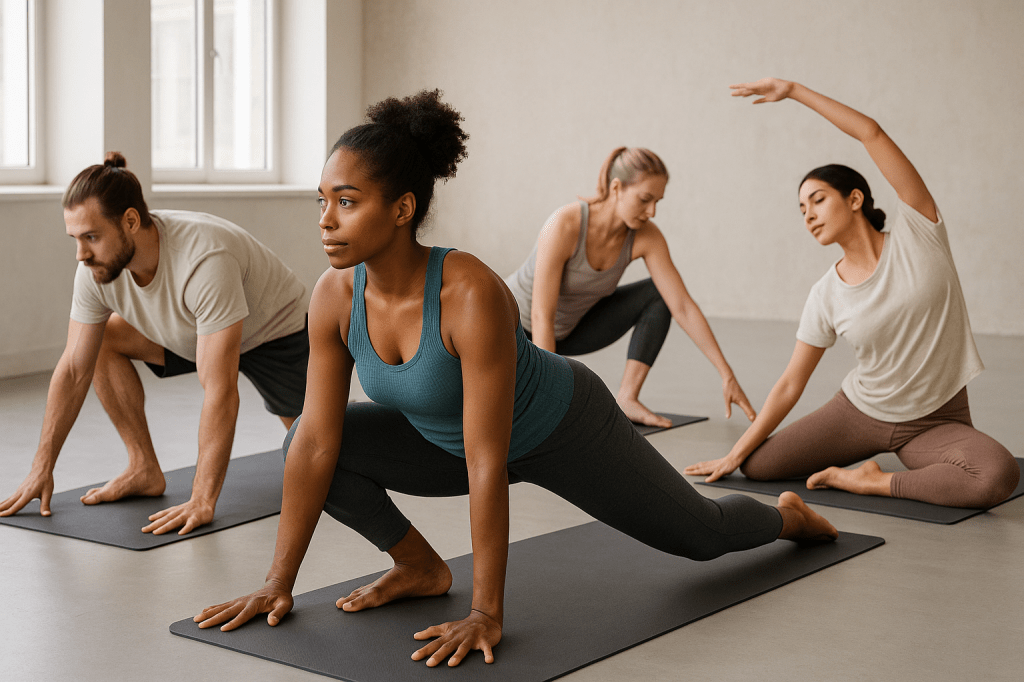
  1. Lunge with Spinal Twist

Why: Stretches hip flexors and thoracic spine — key for many yoga poses.

Instructions:

Step one foot forward into a deep lunge.

Place opposite hand on the floor.

Lift your opposite arm toward the ceiling as you rotate your torso to face your front leg.

Hold 2–3 breaths, then switch.

Reps: 5 reps per side.

  1. Deep Squat Hold with Arm Reaches

Why: Improves ankle, hip, and thoracic mobility.

Instructions:

Stand with feet hip-width apart.

Sink into a deep squat (heels down if possible).

Extend one arm upward as you gently press the opposite elbow against the inside of your knee for support.

Switch arms slowly.

Time: Hold the squat for 1–2 minutes, alternating arm reaches every 20 seconds.

  1. Downward Dog to Plank Rolls

Why: Engages shoulders, spine, and core control through transitions.

Instructions:

Start in Downward Dog.

Roll your spine forward into Plank position, stacking shoulders over wrists.

Roll back into Downward Dog with control.

Avoid collapsing — move smoothly.

Reps: 10 reps total.

  1. Supine Glute Bridge with Knee Pull

Why: Activates glutes, mobilizes hips, and stretches hamstrings.

Instructions:

Position yourself lying on your back, with your knees bent and feet placed about hip-distance apart.

Lift hips into a bridge, then pull one knee toward your chest.

Hold for 2–3 seconds, return foot to floor, repeat on the other side.

Reps: 10 reps each side.

Helpful Tips for Staying Consistent

Pair it with an existing habit (like brushing teeth or before yoga).

Use a timer so you don’t overthink it — just flow.

Stay present. Each rep is a chance to reconnect with your body.

Benefits for Yogis

Reduces injury risk during dynamic flows or deep stretches

Improves joint strength and body control

Supports smoother transitions between poses

Enhances body awareness on and off the mat

Encourages sustainable, long-term movement

Final Thought

Yoga is about more than being flexible — it’s about moving with intention, grace, and control. This mobility routine strengthens the foundation that supports your practice. Add it to your daily rhythm and feel the difference in how you move, stretch, and flow.

Categories
athletes exercises Fitness fitness-tips flexibility Gym home workout men mobility recovery & wellness strength training stretching training women workouts yoga

Mindfulness Techniques for Flexibility Athletes

Flexibility athletes—whether you’re a yoga enthusiast, dancer, gymnast, or contortionist—know the importance of maintaining and improving range of motion. But flexibility is about more than just stretching; it’s deeply connected to recovery and wellness, and mindfulness plays a pivotal role in this holistic approach to fitness.

Why Mindfulness Matters for Flexibility Athletes

Incorporating mindfulness into your routine isn’t just a trendy wellness buzzword. Mindfulness—being fully present and aware during movement and recovery—helps athletes connect with their bodies on a deeper level. This connection promotes better control, reduces injury risk, and enhances recovery times.

Mindfulness Techniques That Boost Flexibility and Recovery (with Instructions)

  1. Focused Breathing During Stretching

Breathing deeply and mindfully during stretches relaxes muscles and improves flexibility. Here’s how to do it:

Find a comfortable stretch position that you can hold for 20-30 seconds without pain.

When you’re comfortable, softly close your eyes to improve your focus.

Slowly inhale through your nose for a count of four, feeling your stomach lift as you breathe in.

Hold the breath gently for around two seconds.

Then, release the air steadily through your mouth over a count of six, imagining the muscle tension melting away as you exhale.

Repeat this breathing cycle 3–5 times while maintaining the stretch.

  1. Body Scan Meditation Post-Workout

A body scan helps identify and release muscle tension after training. Follow these steps:

Lie down comfortably on your back in a quiet space.

Close your eyes and take three deep breaths, relaxing your body with each exhale.

Slowly bring your attention to your toes. Notice any sensations—warmth, tightness, or ease.

Gradually move your focus upward to your feet, ankles, calves, knees, thighs, hips, abdomen, chest, back, shoulders, arms, neck, and finally your head.

As you notice tension, imagine breathing into that area and releasing the tightness on each exhale.

Spend 5–10 minutes completing the scan.

  1. Mindful Movement Practices

Deliberate, gentle movements help improve both your body’s awareness and its ability to stretch. Try this simple routine:

Choose 5–10 minutes for a gentle flow, such as a slow yoga sequence or tai chi basics.

Move deliberately from one posture to another, paying attention to how each joint feels.

Breathe naturally and keep your focus on the sensation of movement.

If your mind wanders, gently bring it back to your body.

Take your time, letting your breathing and movements flow together naturally.

  1. Visualization Techniques

Mental imagery supports physical flexibility by calming the mind and motivating your practice. Here’s how to practice:

Sit or lie down in a relaxed position. Close your eyes.

Take a few deep breaths to center yourself.

Picture your muscles lengthening and becoming supple as you stretch. Visualize your joints moving freely without resistance or pain.

Imagine warmth and healing energy flowing into any tight or sore areas.

Spend 3–5 minutes in this visualization before or after your workout.

The Benefits of Combining Mindfulness with Flexibility Training

Enhanced Recovery & Wellness: Mindfulness promotes relaxation and reduces stress hormones, which accelerates muscle repair and decreases soreness.

Improved Flexibility & Performance: Being mindful during stretches encourages you to listen to your body’s limits, avoiding overstretching while gradually expanding your range.

Better Mental Clarity & Focus: Mindfulness helps reduce distractions, allowing you to fully engage with your fitness routine and maintain consistency.

Injury Prevention: Awareness of body sensations helps detect early signs of strain or fatigue, leading to smarter training decisions.

Getting Started: Practical Tips

Spend 5 to 10 minutes daily focusing on mindful breathing or performing a body scan.

Explore mindfulness apps designed specifically for athletes or flexibility exercises to guide your practice.

Make mindfulness a regular part of both your warm-up and cool-down sessions.

Keep a journal to track how mindfulness impacts your flexibility progress and recovery.

By weaving mindfulness into your flexibility routine, you’re investing in your body’s long-term health and performance. With these easy-to-follow instructions, recovery and wellness become a natural and enjoyable part of your fitness journey.

Categories
exercises Fitness flexibility flexibility & mobility mobility stretching

Dynamic vs. Static Stretching: What’s Best for Flexibility?

When it comes to improving flexibility & mobility, understanding the difference between dynamic and static stretching can be a game-changer for your fitness routine. Both types of stretching serve important roles, but knowing when and how to use them can maximize your performance, prevent injuries, and enhance your overall flexibility.

What is Dynamic Stretching?
Dynamic stretching is all about moving your body in a smooth, controlled way that wakes up your muscles and gets them ready to move freely. Imagine things like leg swings, arm circles, or walking lunges — simple moves that get your blood pumping and muscles warmed up before you dive into your workout or any physical activity.

How to Do Dynamic Stretching:
Leg Swings: Find a wall or something sturdy to hold onto. Swing one leg forward and backward in a relaxed rhythm, gradually lifting it higher as you go. Aim for about 10 to 15 swings per leg.

Arm Circles: Stretch your arms out to the sides and start making circles — first small, then bigger — moving forward for about 20 seconds, then switch to backward circles for the same amount of time.

Walking Lunges:
Step forward like you mean it, then sink down into a lunge so your back knee hovers just above the floor. Push through your front heel to stand up and step into the next lunge with the opposite leg. Keep that rhythm going for 10 to 12 lunges per side — think of it as a walking stretch with bonus strength work.

This kind of movement gets your muscles loose, your joints moving smoothly, and your body ready to crush whatever workout you’ve got planned.

Benefits of Dynamic Stretching for Flexibility:
Improves mobility by preparing joints for movement

Enhances muscle activation and coordination

Reduces muscle stiffness and risk of injury

Boosts overall performance in sports and fitness

What’s Static Stretching, Anyway?

Static stretching is the chill side of flexibility work. It’s basically hitting pause and sinking into a stretch, holding it still for about 20 to 60 seconds. This gives your muscles and tendons time to gently open up and let go of tension. Think of it as your body’s way of exhaling after a workout — the calm, feel-good moment where tight spots get some much-needed attention and your flexibility gets a little boost.

How to Do Static Stretching (Without Overthinking It):

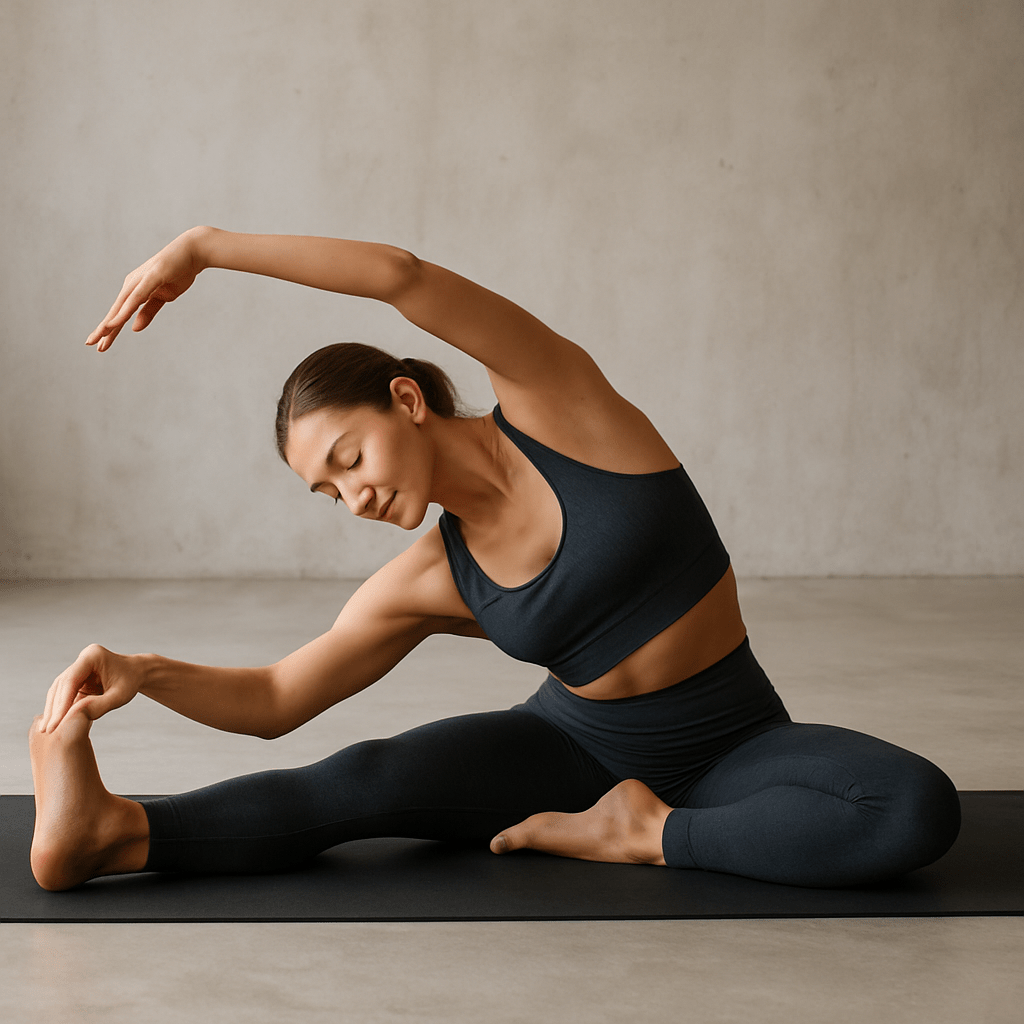
Seated Hamstring Reach:

Find a comfy spot on the floor. Stretch one leg out in front of you and fold the other so the sole of your foot rests near your opposite thigh. Lean gently toward your extended foot — no need to yank yourself forward — and hold for about 30 seconds. Then switch sides and repeat. Breathe deeply and let gravity help you out.

Chest Opener in a Doorway:

Stand in a doorway and place your forearms or hands on either side of the frame, elbows bent. Take a small step forward and let the stretch open up across your chest and shoulders — you’ll feel it kick in as you ease into it. Hold for 20 to 30 seconds while keeping your posture relaxed.

Standing Quad Stretch:

Stand up tall and balance on one leg. Bend the other knee, bringing your heel up toward your butt. Grab your ankle with your hand and hold the stretch through the front of your thigh. Hang out in the stretch for about 20 to 30 seconds, then switch it up and do the other leg. Tip: if you’re feeling a bit wobbly, grab a wall or chair for support — no shame in staying steady!

Static stretching is a great way to wrap up your workout or simply give your body some love on a rest day. It’s all about slowing down, tuning in, and giving your muscles time to breathe and recover.

Benefits of Static Stretching for Flexibility:
Increases muscle length and joint range of motion over time

Helps cool down muscles and aids recovery

Promotes relaxation and reduces muscle tension

Supports long-term flexibility gains when practiced consistently

Which One Should You Choose?

The simple answer: both! But timing and purpose matter.

Before your workout or physical activity, dynamic stretching is your best bet. It preps your body by increasing mobility and circulation, which can enhance performance and reduce injury risk.

After your workout or during dedicated flexibility sessions, static stretching helps elongate muscles and improve flexibility in a calm, controlled way.

For anyone serious about fitness, incorporating both dynamic and static stretching will build a solid foundation for mobility and flexibility that supports your goals.

Tips for Maximizing Flexibility & Mobility

Warm up with dynamic stretches tailored to your activity.

Use static stretches to target tight or overworked muscles post-exercise.

Be consistent—flexibility improves gradually over time.

Pay attention to what your body’s telling you — stretching shouldn’t feel like a battle. If it hurts, ease up. Discomfort is okay; pain is your cue to back off.

Combine stretching with strength training for balanced fitness.

Final Thoughts

Flexibility and mobility aren’t just extras — they’re just as important as lifting weights or doing cardio. Mixing in the right balance of dynamic and static stretching can seriously improve how you move, help you steer clear of injuries, and just make your body feel better overall.

Take the time to understand what your body needs at each moment—dynamic stretches to wake it up, static stretches to calm and lengthen it. Your muscles will thank you, and your fitness journey will become more enjoyable and sustainable.

Categories
Fitness flexibility seniors

Improve Your Posture with These Seniors Stretches

As we age, maintaining good posture becomes more than a matter of appearance — it’s essential for overall health, balance, and quality of life. Poor posture can contribute to aches, fatigue, and even an increased risk of falls. The good news? With the right stretches and a consistent routine, seniors can significantly improve both flexibility and mobility — two critical components of fitness that support healthy posture.

Why Posture Matters for Seniors
Good posture is essential for your body to function efficiently. When your spine is properly aligned, it allows your muscles, joints, and ligaments to move together smoothly and support each other effectively. But with age, muscles tend to tighten, and joint mobility may decline, making it harder to stand or sit upright. Over time, this may contribute to ongoing pain, impaired balance, and a loss of physical independence.

Stretching: A Simple Tool for Lasting Benefits
Incorporating gentle stretching into your daily routine can help restore mobility and ease muscular tension. The best part?

Best Stretches to Support Better Posture
Below are several targeted stretches designed to help seniors enhance their posture and boost overall fitness.

  1. Chest Opener
    Slouching tends to tighten the chest muscles.

Position yourself in a doorway and rest your hands on the doorframe aligned with your shoulders.Step forward with one foot until you notice a light stretch across your chest.

Hold for: 15–30 seconds.

  1. Seated Spinal Twist
    This movement enhances the spine’s flexibility while strengthening the muscles that help you maintain an upright position. Start by settling into a chair with your feet firmly on the floor to ensure balance. Turn your upper body to the right, placing your left hand on your right knee for support. Hold, then switch sides.

Hold for: 20 seconds on each side.

  1. Neck Stretch
    Releases tension from the neck, a common problem area for those who spend time reading or watching screens.

How to do it: Sit upright. Gently tilt your head toward one shoulder without raising the shoulder. To increase the stretch gently, place your hand on your head and apply slight pressure.

Hold for: 15–20 seconds per side.

  1. Cat-Cow Stretch
    A gentle movement that improves spinal flexibility and brings awareness to posture.

How to do it: On hands and knees, alternate between arching your back up (cat) and lowering it with your head up (cow).

Repeat: 8–10 times, moving slowly.

  1. Wall Angels
    Great for improving shoulder mobility and encouraging a straight spine.

How to do it: Stand against a wall with your back, arms, and head touching it. Slowly raise and lower your arms in a “snow angel” motion, keeping contact with the wall.

Repeat: 10–12 reps.

Tips for Safe Stretching
Warm up with light walking or arm circles.

Remember to take steady, deep breaths — avoid holding your breath while stretching.

Never push into pain; stretching should feel like a gentle pull.

Stay consistent: even 10 minutes a day makes a difference.

Final Thoughts
Improving posture doesn’t require drastic changes — just a little daily movement that promotes flexibility and mobility. These simple, senior-friendly stretches can support better balance, ease tension, and help you stand tall with confidence. Whether you’re just beginning your fitness journey or looking to stay active well into your golden years, adding these stretches to your routine is a powerful, preventative step toward lifelong wellness.

Categories
athletes Fitness Muscle Gain recovery & wellness

Mindfulness Techniques for Athletes

In high-performance sports, we often focus on physical training, nutrition, and recovery tools—but there’s a key component that often gets overlooked: the mind. Mindfulness is more than just a wellness buzzword; it’s a practical, science-backed tool that can dramatically enhance athletic performance and overall well-being.

Whether you’re a competitive athlete, a weekend warrior, or just passionate about fitness, integrating mindfulness into your routine can be a game-changer for your recovery & wellness.

Why Mindfulness Matters in Fitness
For athletes, practicing this awareness often leads to enhanced concentration, clearer choices during competition, and quicker, more effective recovery.

Stress, anxiety, and physical fatigue can cloud your mental clarity. Mindfulness cuts through that noise. It’s not just about calming down—it’s about showing up, mentally, for every rep, every race, every moment.

Benefits of Mindfulness for Athletes
Here’s what athletes are discovering:

Faster Recovery: Studies have shown that mindfulness practices like meditation can lower cortisol levels and reduce inflammation—both of which help your body bounce back after workouts.

Improved Focus & Performance: Being present in the moment means fewer distractions and better execution of skills.

Better Emotional Regulation: Mindfulness helps you manage stress, anxiety, and pressure—so you stay composed during high-stakes moments.

Injury Prevention: Listening to your body’s cues can help you avoid overtraining and catch signs of burnout before they escalate.

Practical Mindfulness Techniques
You don’t need hours of spare time or a retreat in the mountains. These methods are straightforward, convenient, and can be effortlessly added to your everyday habits:

  1. Body Scan Meditation
    Take 5 to 10 minutes after exercising or before sleep to mentally check in with your body, moving your attention slowly from your head down to your toes. This helps increase body awareness and encourages physical relaxation.
  2. Box Breathing
    Widely practiced by high-performing athletes and Navy SEALs, this method involves a steady inhale for four seconds, a four-second hold, a controlled exhale for four seconds, and a final pause of the same length. It works to calm the nervous system and boost mental sharpness.
  3. Mindful Movement
    Turn your warm-up or cooldown into a mindfulness practice. Focus entirely on the rhythm of your breath and how your body feels with each stretch or step.
  4. Journaling
    After practice or training, jot down how your body and mind felt, what went well, and what you noticed. It’s a low-effort way to reflect and reset.
  5. Visualization
    Before a competition or challenging workout, close your eyes and mentally rehearse what success looks and feels like. Picture your movements, the sounds around you, and how it feels to perform at your best.

Make Mindfulness a Habit
Like any other aspect of fitness, mindfulness takes consistency. Start small—just five minutes a day. Link it to something you already do: after your workout, before bed, or first thing in the morning. With time, you’ll notice not just physical gains, but a mental edge that carries you through training, competition, and recovery.

Final Thoughts
Athletic success isn’t just about how hard you push—it’s also about how well you recover. Mindfulness gives athletes a practical way to tune in, slow down, and rebuild from the inside out. In a world obsessed with go-go-go, learning when to pause might be your most powerful performance tool yet.

Categories
Dinner Fitness

5 Morning Stretches to Boost Your Energy

Beginning your morning with a burst of energy and improved flexibility lays the foundation for a productive and healthy day. Incorporating just a few simple morning stretches into your routine can make a remarkable difference in how you feel throughout the day. Whether you’re working from home or heading out to the office, these five stretches are designed to wake up your body, boost energy, and improve flexibility.

  1. Cat-Cow Stretch
    This gentle flow between two poses helps awaken your spine and release tension in your back. Begin on all fours, taking a deep breath in as you dip your spine downward, raising your head and tailbone. Exhale as you curve your back upward, tucking your chin and pelvis toward each other. Repeat for 5-7 breaths. This exercise improves spinal flexibility and increases circulation, giving you a natural boost of energy and alertness.
  2. Standing Forward Bend
    Stand tall, inhale deeply, and fold forward at the hips, allowing your head and arms to drop naturally toward the ground. Soften your knees slightly if needed. This stretch helps release tightness in your hamstrings and lower back, enhancing flexibility while calming your mind. Hold for 20-30 seconds, breathing deeply.
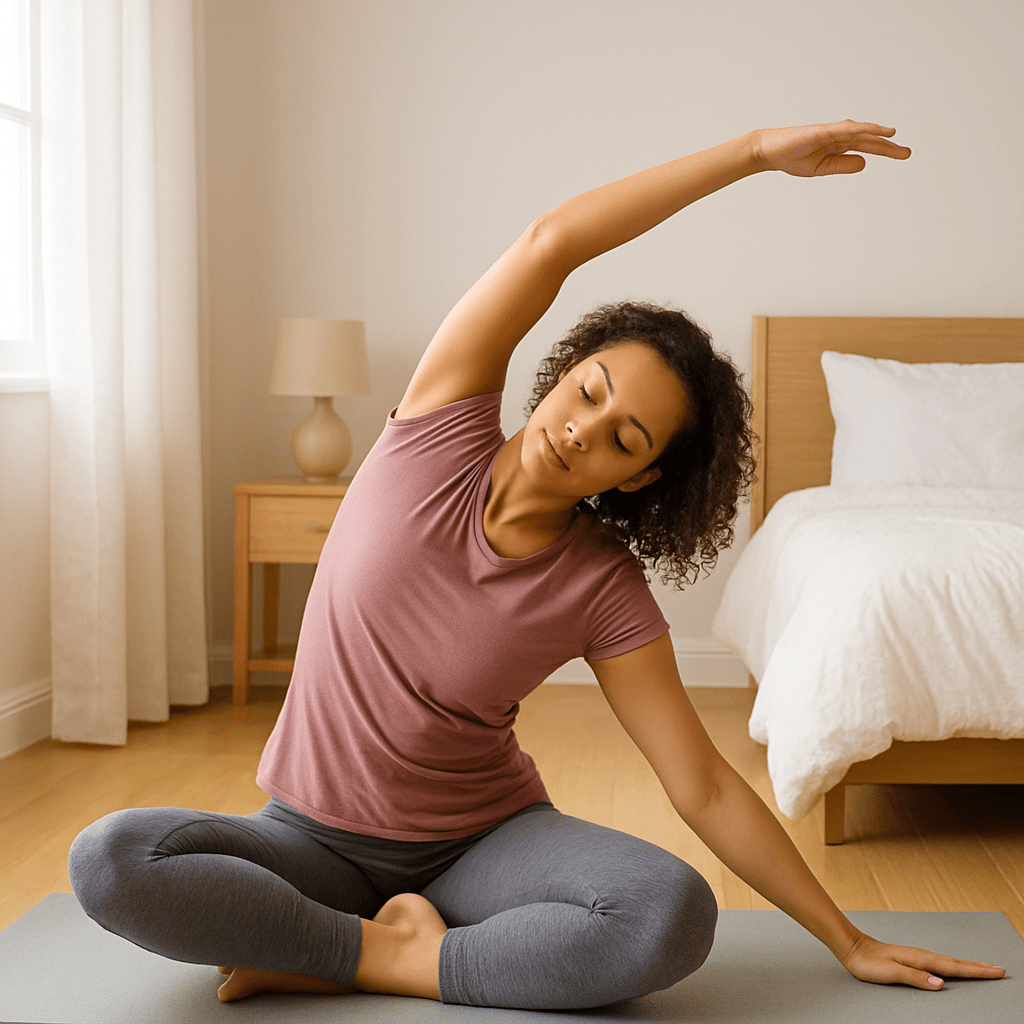
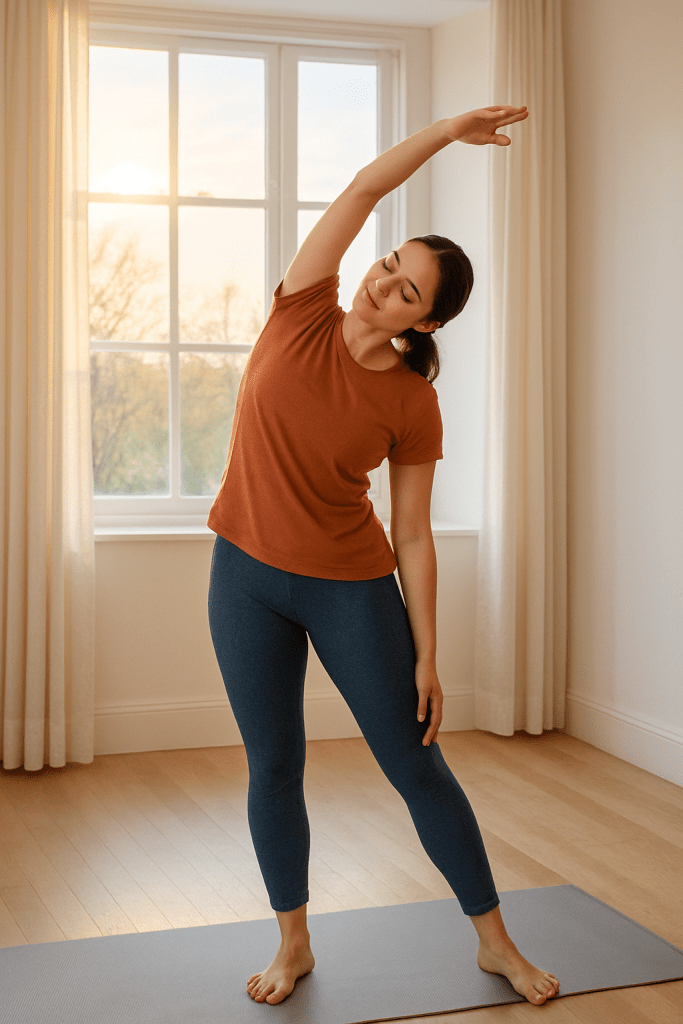
  3. Side Stretch
    Reach both arms overhead, interlace your fingers, and gently lean to one side. Hold the stretch for 15-20 seconds before switching sides. This move lengthens the muscles along your ribs and sides, opening up your torso and boosting lung capacity — perfect for enhancing energy flow.
  4. Chest Opener
    Interlock your fingers behind you and slowly raise your chest, drawing your shoulder blades toward each other. This posture counters the effects of slouching, opening the chest and improving posture. Hold for 20 seconds and breathe deeply to increase oxygen intake and revitalize your body.
  5. Neck Rolls
    Slowly roll your head in a circle, loosening up your neck muscles. Do this clockwise and counterclockwise for about 10 seconds each. This helps release tension accumulated overnight and increases blood flow to the head, helping you feel more awake and focused.

Why Morning Stretches Matter
These morning stretches don’t just improve flexibility — they actively boost energy by increasing blood flow and oxygen circulation. When your muscles are loose and your body feels open, it’s easier to stay alert and maintain focus all day long. Plus, taking a few moments for yourself sets a positive tone, reinforcing a mindful and healthy start to your routine.

Try incorporating these simple moves tomorrow morning. It takes just five to ten minutes, but the boost in energy and flexibility can last well beyond the stretch.

Categories
Dinner Fitness

Healthy Meal Prep Ideas for Weight Loss

If you’re aiming to shed a few pounds without sacrificing flavor or spending hours in the kitchen every day, healthy meal prep is your best friend. Planning and preparing your meals in advance helps you stay on track with your weight loss goals, controls portion sizes, and cuts down on unhealthy last-minute food choices.

Why Healthy Meal Prep Works for Weight Loss

Meal prepping simplifies your week by removing guesswork and reducing temptation. When your meals are already portioned and balanced, it’s easier to avoid overeating or grabbing fast food. Plus, cooking in batches means you can dedicate less time daily to cooking and more time to living your life.

Top Healthy Meal Prep Ideas

Veggie-Packed Quinoa Bowls
Quinoa is a fantastic base because it’s high in protein and fiber, which keeps you full longer. Combine it with roasted veggies like bell peppers, zucchini, and broccoli. Add a lean protein like grilled chicken or tofu, and top it with a light vinaigrette or lemon tahini dressing for flavor without the guilt.

Mason Jar Salads
Layering salads in mason jars keeps ingredients fresh and makes portion control easy. Start with your dressing at the bottom, followed by hearty veggies (carrots, cucumbers, chickpeas), then greens on top. When you’re ready to eat, just shake and enjoy!

Baked Salmon with Sweet Potato and Asparagus
Salmon offers healthy omega-3 fats, and pairing it with complex carbs like sweet potato and fiber-rich asparagus creates a nutrient-dense meal. Bake everything together on a sheet pan for a quick and easy prep.

Turkey and Veggie Stir-Fry
Lean ground turkey cooks fast and pairs well with a medley of colorful veggies like snap peas, carrots, and bell peppers. Use low-sodium soy sauce and fresh ginger for flavor without excess calories.

Overnight Oats
A simple grab-and-go breakfast, overnight oats soak in milk or a dairy-free alternative with chia seeds, berries, and a touch of honey. They’re filling, nutritious, and keep your metabolism steady through the morning.

Tips for Successful Meal Prep

Invest in good-quality, reusable containers with compartments to keep meals fresh and separated.

Plan your meals around your weekly schedule and preferences to stay motivated.

Don’t be afraid to mix and match ingredients to keep things exciting.

Keep snacks simple—think fresh fruit, nuts, or yogurt—to avoid unhealthy temptations.

Conclusion

Healthy meal prep is a practical, sustainable way to support your weight loss journey. By focusing on balanced, portion-controlled recipes that nourish your body, you’re setting yourself up for success not just for the week but long-term. Start small, stay consistent, and enjoy the process of fueling your body with wholesome foods.

Categories
Fitness Uncategorized

Ultimate Guide to Foam Rolling for Sore Muscles

No matter if you’re a longtime athlete or starting your fitness journey, sore muscles can easily throw off your momentum and hinder your progress. Enter foam rolling: an incredibly simple, affordable, and effective tool for muscle recovery that’s often overlooked. This foam rolling guide will walk you through the what, why, and how—so you can bounce back faster and feel better post-workout.

What Is Foam Rolling?
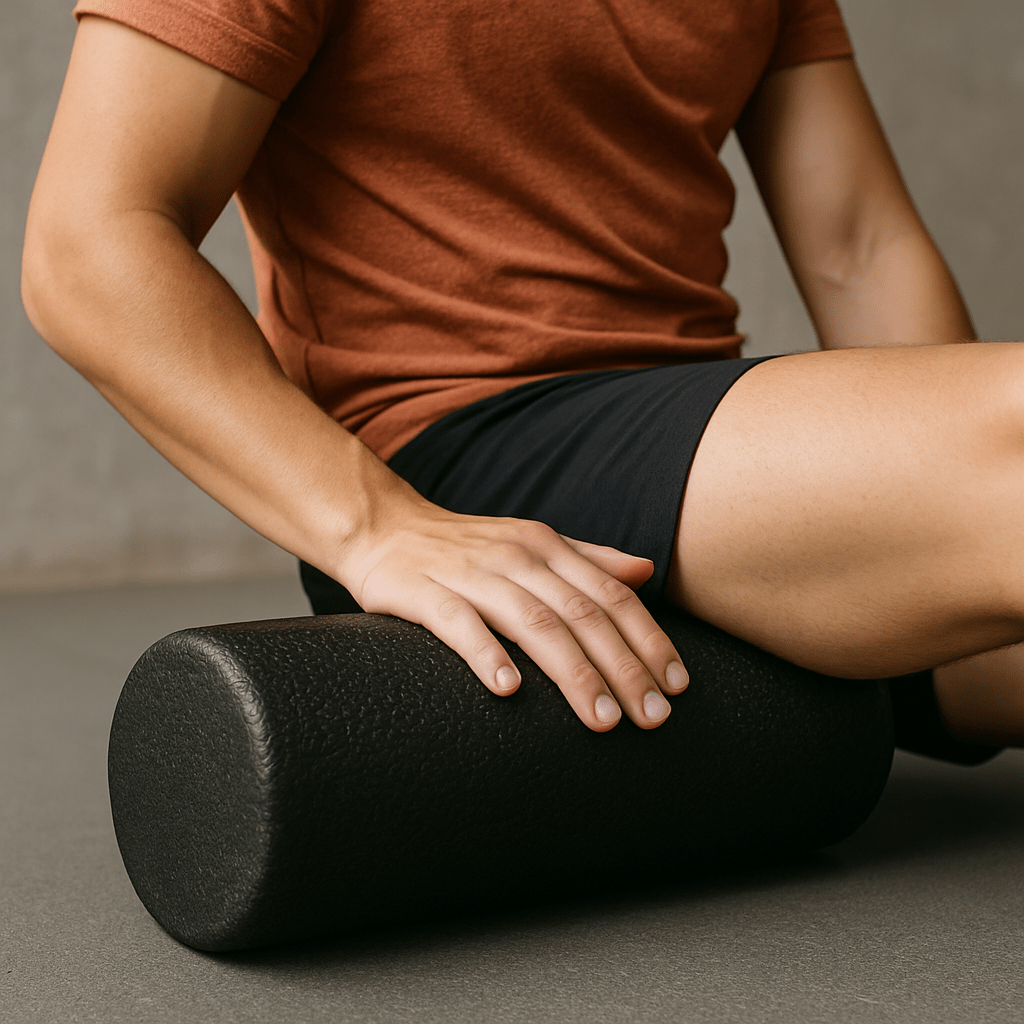
Foam rolling is a self-massage method known as self-myofascial release (SMR) that focuses on loosening tight or knotted muscles to ease tension and boost flexibility. Using a foam roller—a firm cylindrical tool—you apply controlled pressure to specific muscle groups, helping to break up adhesions in the fascia (the connective tissue surrounding muscles).

Why Foam Rolling Matters for Muscle Recovery
When we exercise, especially during resistance training or high-intensity intervals, we create microscopic damage in our muscle fibers. That’s what leads to soreness, stiffness, and that sluggish “day-after-leg-day” feeling. While soreness is a normal part of building strength, recovery is where the real gains happen.

Foam rolling aids muscle recovery by:

Increasing blood flow to sore areas

Reducing inflammation

Loosening tight muscles

Enhancing flexibility and range of motion

Preventing long-term injury or muscle imbalances

How to Foam Roll: A Step-by-Step Breakdown
Pick the Right Roller:
Beginners should start with a softer roller. More advanced users may opt for firmer or textured options for deeper pressure.

Target Sore Muscle Groups:
Common spots include quads, hamstrings, calves, glutes, IT band, and upper back.

Apply Slow, Steady Pressure:
Roll over the muscle slowly—about 1 inch per second—and pause over tender spots for 20–30 seconds.

Don’t Roll Over Joints or Bones:
Avoid areas like your spine or knees. Focus on soft tissue only.

Breathe and Relax:
Holding your breath tenses the body. Breathe deeply and allow your muscles to melt into the pressure.

When and How Often to Foam Roll
Before a workout: Helps activate muscles and improve movement efficiency.

Post-exercise: Helps eliminate lactic acid buildup and speeds up the healing process.

During rest days: Maintains muscle flexibility and mobility, promoting better overall function.

Even just 10–15 minutes a few times per week can make a noticeable difference in how your body feels and performs.

Tips for Best Results
Stay hydrated—foam rolling works best when your muscles are well-hydrated.

Be consistent. Like any practice, results come with regular use.

If something feels sharp or causes shooting pain, stop. Foam rolling should be intense but not unbearable.

Final Thoughts
Foam rolling isn’t just a trend—it’s a science-backed, accessible way to keep your body functioning at its best. Whether you’re training for a marathon or just trying to stay active, this simple tool could be the secret to faster recovery, fewer injuries, and stronger performance.

Use this foam rolling guide as your go-to resource anytime your muscles start complaining. Your future, pain-free self will thank you.

Categories
Fitness

Protein Smoothie Recipes for Post-Workout Recovery

Whether you’re crushing weights at the gym, powering through a HIIT class, or logging miles on your run, your body needs the right nutrients to recover. That’s where a protein smoothie steps in—not just as a trend but as a functional, delicious solution to support post-workout recovery.

Why Protein Smoothies Matter After a Workout


After intense physical activity, your muscles are primed to absorb nutrients. Protein is essential for repairing muscle fibers, while carbohydrates replenish glycogen stores. Blending your nutrients into a smoothie makes them quicker to consume and easier for your body to process.

Plus, when made with whole ingredients, they can be tailored to your taste and dietary needs—without the added sugars or artificial stuff you’ll often find in store-bought options.

3 Post-Workout Protein Smoothie Recipes Worth Trying

  1. Green Muscle Booster
    Great for: Refreshing, anti-inflammatory recovery

1 scoop vanilla protein powder (plant-based or whey)

1 frozen banana

1 cup spinach

1 tbsp almond butter

½ cup unsweetened almond milk

½ cup coconut water

Dash of cinnamon

Why it works: Spinach packs a punch of magnesium, which supports muscle relaxation and recovery. Almond butter adds healthy fats and extra protein.

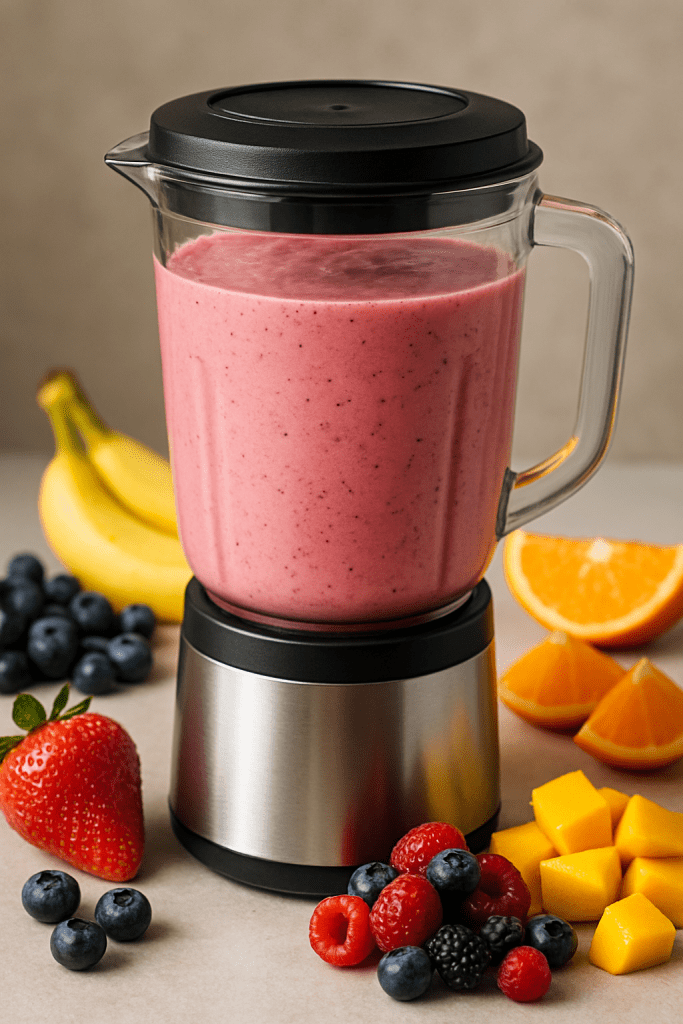
  1. Berry Power Punch
    Great for: Antioxidant boost and muscle repair

1 scoop chocolate or vanilla protein powder

1 cup mixed frozen berries

½ cup Greek yogurt

1 tbsp chia seeds

¾ cup water or milk of choice

Why it works: Berries fight inflammation, while Greek yogurt adds a creamy protein punch.

  1. Tropical Recharge
    Great for: Hydration and quick energy

1 scoop unflavored or vanilla protein powder

½ cup frozen mango

½ cup frozen pineapple

1 tbsp ground flaxseed

1 cup coconut water

Why it works: Coconut water rehydrates and provides potassium; tropical fruits offer quick-digesting carbs.

Categories
Fitness

5 Morning Stretches to Boost Your Energy

Mornings can be rough—we’ve all hit snooze more than once. But a few intentional minutes of stretching right after you wake up can be a total game-changer. These morning stretches aren’t just about flexibility; they’re your secret weapon to boost energy, improve circulation, and gently wake up your body and mind.

Let’s dive into five simple, effective stretches you can do in under 10 minutes.

  1. Cat-Cow Stretch
    A staple yoga move to awaken your spine and get your core engaged.

How to do it:

Begin in a tabletop position with your hands aligned beneath your shoulders and your knees directly below your hips.

As you breathe in, gently curve your spine downward and open your chest toward the front (Cow Pose).

On the exhale, draw your belly in, round your spine upward, and gently tuck your chin and tailbone (Cat Pose).

Flow gently for 5–8 breaths.

Why it works:
This stretch relieves tension in your neck, shoulders, and back while increasing spinal flexibility.

  1. Standing Forward Fold
    Perfect for releasing tight hamstrings and calming your nervous system.

How to do it:

Stand tall with feet hip-width apart.

Bend at the hips and allow your upper body to relax downward, with your arms and head hanging freely.

Bend your knees slightly if needed.

Stay here for 30–60 seconds, breathing slowly.

Why it works:
It lengthens the spine, stretches the back of your legs, and improves circulation to your head.

  1. Seated Spinal Twist
    A gentle detoxifying twist that massages your organs and stretches your spine.

How to do it:

Sit with your legs extended.

Cross your right leg over the left, placing your foot outside your left knee.

Place your right hand behind you, left elbow on your right knee.

Gently twist to the right.

Hold for 5 deep breaths, then switch sides.

Why it works:
It supports digestion and relieves stiffness in your lower back.

  1. Downward Dog
    An energizing full-body stretch to reset your posture and get your blood flowing.

How to do it:

Starting on your hands and knees, raise your hips toward the ceiling to form an upside-down V position.

Keep your knees slightly bent if needed and heels reaching toward the floor.

Press into your hands and lengthen through your spine.

Hold for 5–7 breaths.

Why it works:
This position engages and lengthens your shoulders, spine, calves, and hamstrings, while also giving your nervous system a gentle, energizing boost.

  1. Side Stretch
    It may not get much attention, but this stretch is highly effective for expanding the chest and extending the length of your upper body.

How to do it:

Stand or sit tall.

Extend your right arm upward, then slowly tilt your torso to the left for a gentle side bend.

Keep your chest open and core engaged.

Hold for 3–5 breaths and switch sides.

Why it works:
Side stretches increase flexibility in your torso and improve your breathing capacity.

Final Thoughts

You don’t need a 60-minute workout to feel good in the morning. Just five minutes of these morning stretches can shift your energy, improve flexibility, and set a positive tone for the day.

So before you scroll through your phone or rush into your routine, take a moment. Stretch, breathe, and give your body the fresh start it deserves.