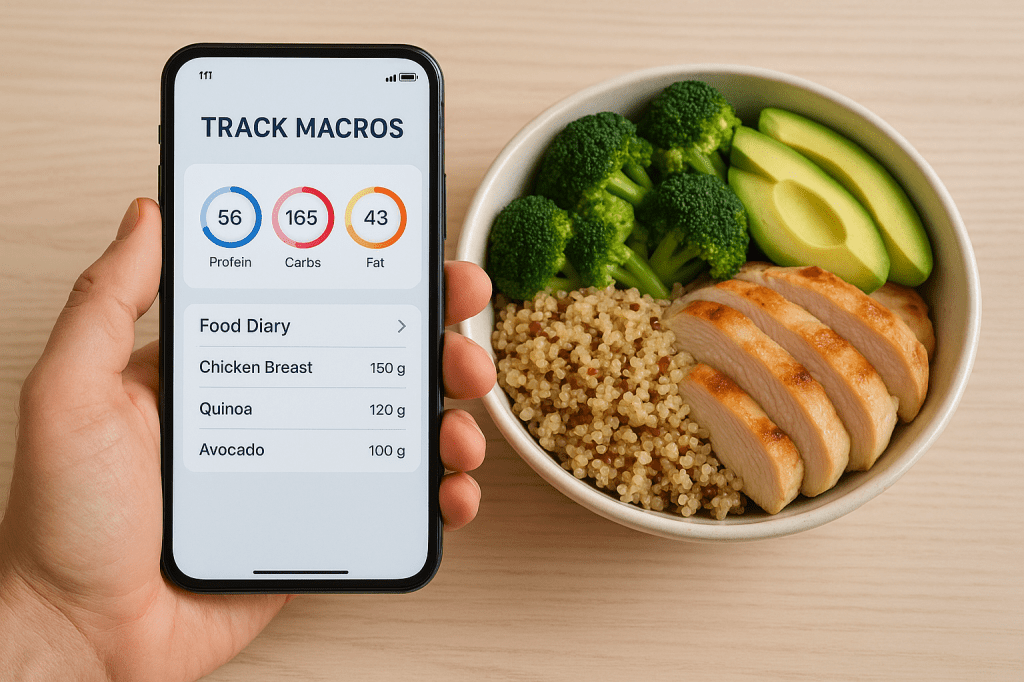
Ever notice how some people reach their fitness goals with ease? Chances are, they’re tracking their macros closely. Tracking macros — short for macronutrients — can help you better understand what you’re eating and how it affects your body. From muscle gain to weight loss or simply learning to eat more consciously, this beginner’s guide will help you get started.
What Are Macros, Anyway?
Macros are the primary nutrients responsible for delivering energy to your system.
Protein: Supports muscle growth, repair, and immune function.
Carbohydrates: Your body’s primary energy source.
Your body depends on fats to manage hormone production, boost cognitive abilities, and take in fat-soluble nutrients.
Each macro has a calorie value:
Protein = 4 calories per gram
Carbs = 4 calories per gram
Fat = 9 calories per gram
Learning to handle your macros effectively lets you fine-tune your meals to support your personal health and fitness targets.
Why Track Macros Instead of Just Counting Calories?
Eating 500 calories from a balanced meal of chicken and vegetables nourishes your body in a way that candy simply doesn’t.
Macro tracking adds context. It helps you:
Maintain lean muscle while losing fat
Improve workout recovery
Understand how different foods impact your body and energy levels
Step-by-Step: How to Start Tracking Macros
- Determine Your Macro Goals
Start by figuring out how many grams of each macro you need daily. This depends on your:
Age
Weight
Activity level
Fitness goals (lose fat, build muscle, maintain weight)
You can use free macro calculators online to get a personalized estimate, or consult a nutritionist for a more tailored plan.
- Use a Tracking App
Apps like MyFitnessPal, Cronometer, or Macros+ make tracking easy. Simply log what you eat, and the app breaks down the macros for you. - Learn to Read Food Labels
Understanding nutrition labels helps you track macros even when you’re not using an app. Pay attention to:
Serving size
Grams of protein, carbs, and fats per serving
Added sugars and fiber (especially in carb content)
- Weigh and Measure Your Food (At Least Initially)
In the beginning, use a food scale to get an accurate idea of portion sizes. You don’t need to do this forever — just long enough to build awareness. - Stay Flexible, Not Obsessed
Macro tracking isn’t about perfection — it’s about progress. Aim for consistency, not rigid rules. If you’re within 5–10 grams of your target for each macro by the end of the day, you’re doing great.
Tips for Beginners
Meal prep to simplify your day and reduce guesswork
Focus on whole foods — lean proteins, whole grains, healthy fats
Don’t forget fiber and water intake — they play a big role in digestion and satiety
Pre-tracking meals gives you a clearer picture of your intake and helps you make smarter choices.
Final Thoughts
It may seem overwhelming at first, but tracking macros quickly becomes a routine part of your day. Think of it as learning a new language — the language of your body’s nutrition. By tuning in and understanding what fuels you best, you’ll be more empowered to make choices that support your goals and your health.
So go ahead — download a tracker, log your first meal, and start your journey into macros tracking today. Your future self will thank you.
 Fitness Guide