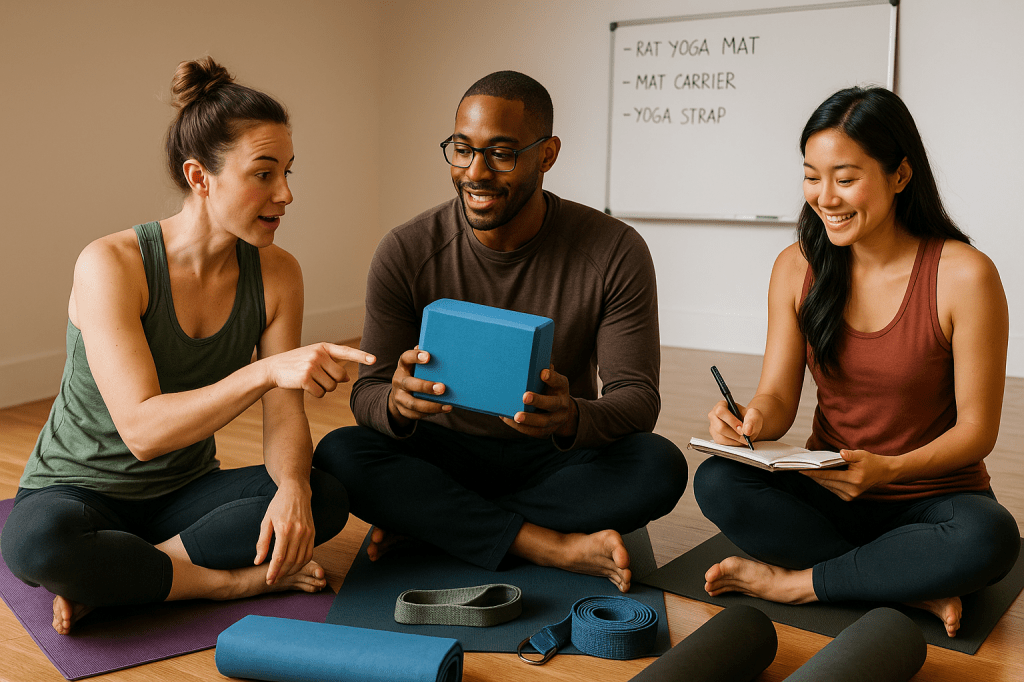
If you’re just starting your yoga journey, choosing the right gear can make all the difference — especially when it comes to footwear. While traditional yoga is often practiced barefoot, beginner yogis exploring various fitness styles or hybrid workouts might benefit from specialized shoes designed to enhance comfort, stability, and performance. In this guide, we’ll explore the best yogis shoes for beginners, sharing gear insights, reviews, and practical instructions to help you elevate your practice safely and effectively.
Why Consider Shoes for Yoga Beginners?
Yoga is more than just poses — it’s about balance, alignment, and connection to your body and surroundings. Although barefoot practice is classic, some beginner yogis prefer lightweight, flexible shoes that offer grip, protection, and support. This is especially true if you:
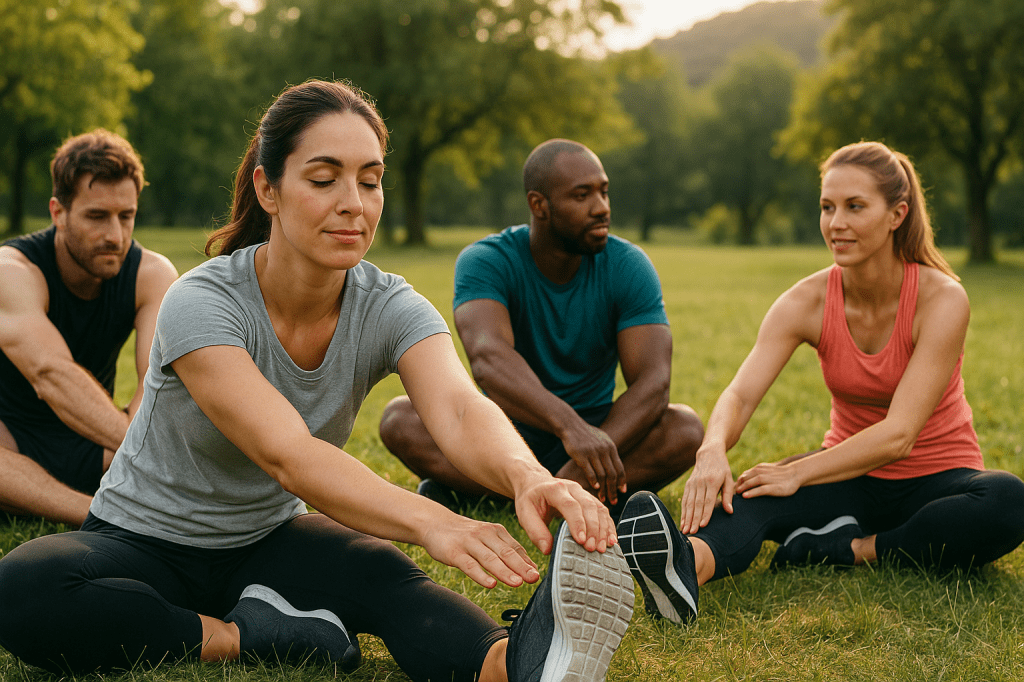
Practice outdoors or in chilly environments
Combine yoga with fitness routines like Pilates, barre, or light cardio
Have foot sensitivity or injuries that need extra cushioning
Want to enhance stability during standing or balancing poses
The right yogi shoes can provide traction on slippery surfaces, help maintain proper foot alignment, and boost confidence in your movements.
What to Look for in Beginner Yoga Shoes
When choosing shoes for yoga, prioritize these features:
Flexibility: The shoe should bend and move naturally with your foot.
Grip: Look for soles with excellent traction to prevent slipping.
Breathability: Yoga can get sweaty, so breathable materials keep your feet cool and dry.
Lightweight: Heavy shoes restrict movement; aim for light designs.
Minimal Cushioning: Too much padding can reduce your sense of connection to the floor.
Instructions: How to Choose and Use Yoga Shoes for Beginners
Step 1: Assess Your Needs
Consider why you want yoga shoes. Are you practicing outdoors, combining yoga with other workouts, or needing foot protection? This will guide your choice.
Step 2: Try Them On
Visit a store or order online with a flexible return policy. When trying shoes on:
Wear thin socks or practice barefoot to simulate yoga conditions.
Check that toes can move freely and that the shoe feels snug but not tight.
Step 3: Break Them In
Use your shoes around the house or during light warm-ups before wearing them in full sessions. This helps the materials soften and molds to your feet.
Step 4: Practice Mindfully
Use shoes primarily for hybrid workouts or outdoor yoga. Avoid wearing them during traditional barefoot sequences to maintain foot strength and natural movement.
Step 5: Care for Your Shoes
Clean your shoes after use according to manufacturer instructions. Air them out to prevent odors and maintain hygiene.
Top Picks: Best Yogis Shoes for Beginners
- Nike Free RN Flyknit
Flexible soles and breathable knit uppers give a barefoot feel with protection, perfect for yoga and fitness cross-training.
- Vibram FiveFingers KSO EVO
Toe-separated design promotes natural foot function and balance — great for enhancing proprioception in yoga.
- Adidas Adipure Trainer
Lightweight, breathable, and grippy, this trainer is ideal for indoor and outdoor yoga sessions.
- FREETOO Minimalist Shoes
An affordable option offering flexibility, breathability, and slip resistance for beginner yogis on a budget.
Final Thoughts: Elevate Your Practice with the Right Gear
Starting yoga is a rewarding step toward better fitness and mindfulness, and your gear can support this journey in meaningful ways. While yogi shoes aren’t mandatory, they offer practical benefits for beginners venturing into fitness hybrids or those needing extra foot support. By following these simple instructions, you can select and use shoes that enhance comfort, flexibility, and grip—helping you build a strong foundation for a fulfilling and balanced yoga practice.
Remember, yoga is ultimately about connecting with your body and breath, whether barefoot or shod. Gear is just one piece of the puzzle, but it can help you step confidently onto your mat.

 Fitness Guide