Categories
beginners Fitness recovery & wellness

Cold Showers vs. Ice Baths: What’s Better for Beginners?

If you’re just starting your fitness journey or looking to improve your recovery and wellness routine, you’ve likely heard about the buzz around cold showers and ice baths. Both are popular recovery techniques used by athletes and fitness enthusiasts to reduce muscle soreness, boost circulation, and promote overall well-being. But which is better for beginners? Let’s dive into the benefits, practical tips, and clear instructions on how to safely get started with each method.

Understanding Recovery & Wellness in Fitness
Recovery is an essential part of any fitness routine, especially for beginners. It allows your muscles to repair, reduces inflammation, and helps prevent injury. Wellness goes beyond just physical recovery—it’s about creating habits that enhance your body’s natural ability to heal and recharge. Cold exposure methods like cold showers and ice baths have gained traction because they offer accessible, natural ways to support recovery and improve mental resilience.

Cold Showers: An Easy Start for Beginners
If you’re just beginning to explore cold therapy, starting with cold showers is an excellent and approachable way to ease into it. They’re simple, convenient, and can be integrated easily into your daily routine without special equipment.

Benefits of cold showers for beginners:

Enhanced Blood Flow: Exposure to cold water prompts your blood vessels to tighten, followed by expansion as your body warms, which helps stimulate healthier circulation.

Mood Boost: Cold showers can trigger the release of endorphins, helping reduce stress and increase alertness.

Mild Muscle Relief: Taking cold showers can soothe post-workout muscle aches and decrease inflammation for a quicker recovery.

How to take a cold shower safely as a beginner:

Begin with warmth: Kick off your shower using water at a pleasantly warm temperature.

Gradually Cool Down: Slowly lower the temperature over 1–2 minutes until the water feels cold but tolerable.

Focus on Breathing: Take slow, deep breaths to stay calm and reduce the shock of cold water.

Recommended Duration: Begin with 30 seconds to 2 minutes of cold water to gently ease your body into the experience.

Goal is to practice this routine 3 to 4 times a week to boost your tolerance and enhance your recovery.

Ice Baths: A Powerful Recovery Tool with Caution
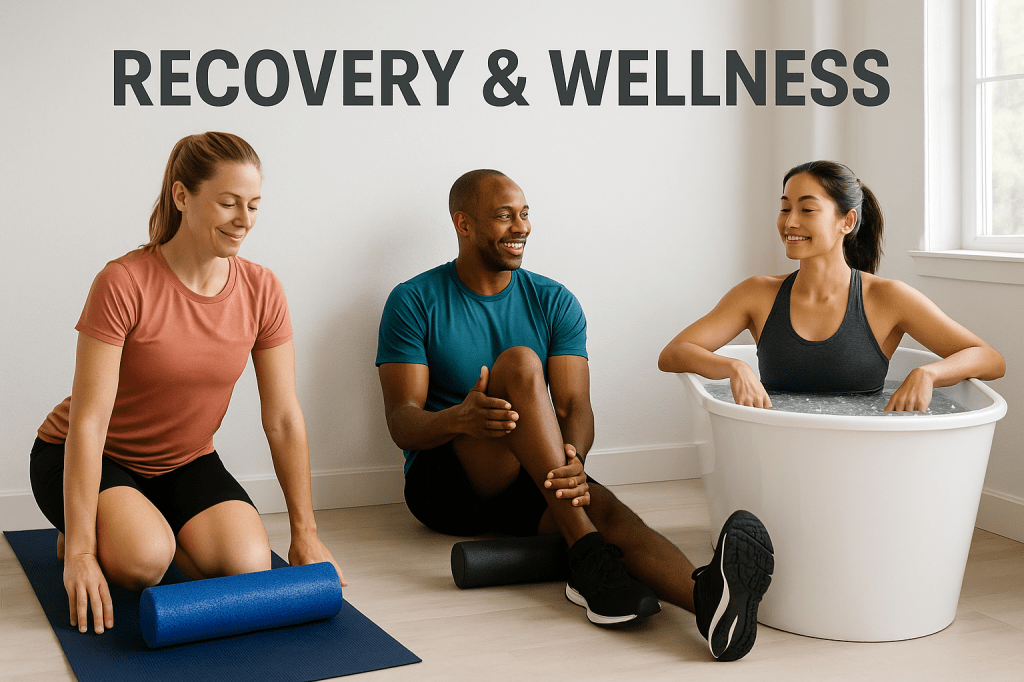
An ice bath involves sitting in a tub of cold, icy water, typically kept between 50 and 59°F (10 to 15°C), to boost muscle recovery and reduce inflammation. They are more intense but offer deeper recovery benefits.

Benefits of ice baths:

Effective Inflammation Reduction: Immersing yourself in cold water is a highly efficient method for easing muscle inflammation.

Relieves Muscle Discomfort: Ice baths can significantly reduce the ache and stiffness that come with delayed onset muscle soreness (DOMS).

Builds Mental Strength: Withstanding the cold water challenge fosters greater discipline and enhances mental toughness.

Getting Started with Ice Baths Safely:
Start by filling your bathtub with cold water, then slowly add ice until the temperature settles around 50–59°F (10–15°C).

Getting Started: Limit your first few ice baths to just 3 to 5 minutes to let your body slowly get used to the cold temperatures without overdoing it.

Enter Slowly: Ease into the bath gradually to let your body adjust.

Stay Calm and Breathe: Focus on slow, controlled breathing to manage the cold shock.

Exit Carefully: When time’s up, get out slowly and dry off immediately. Warm up gradually afterward, avoiding hot showers right away.

Frequency: Limit ice baths to 1–2 times per week initially.

Caution: If you experience heart issues or circulatory concerns, be sure to speak with your healthcare professional before attempting ice baths.

Which is Better for Beginners?
Cold showers are usually the safer, more manageable starting point. They offer many recovery and wellness benefits without the intense shock of full immersion. Once you’ve developed some tolerance, ice baths can offer deeper recovery benefits and may become a more suitable option.

Final Thoughts
Both cold showers and ice baths play important roles in recovery and wellness for beginners and experienced athletes alike. Starting with cold showers helps ease your body into cold therapy, while ice baths can amplify recovery and build mental strength when used correctly.

Always listen to your body, start slow, and find what works best on your fitness and wellness journey.
Categories
Cold Showers fat loss Fitness recovery & wellness

Cold Showers vs. Ice Baths: What’s Better for Fat Loss?

When it comes to optimizing fat loss, fitness enthusiasts and athletes often explore recovery techniques beyond diet and exercise. Among these, cold exposure methods like cold showers and ice baths have gained attention for their potential benefits. So, which method truly delivers the best results for fat loss? Let’s dive into the science, practical applications, and wellness benefits — including step-by-step instructions — to help you decide.

Understanding Cold Exposure and Fat Loss
Exposure to cold stimulates brown fat, a type of tissue that helps burn calories by producing heat.

This heat-generating, or thermogenic, response can aid in fat loss by boosting how many calories your body uses.

That said, the effectiveness varies based on how cold the exposure is, how long it lasts, and individual differences.

Cold Showers: Simple and Accessible
Cold showers mean standing under chilly water—usually ranging from about 50°F to 70°F—for several minutes. They’re simple to add to your everyday routine, need no special gear, and provide advantages for recovery, overall wellness, and supporting fat loss.

Benefits:
Boosts metabolism and alertness.

Reduces muscle soreness and inflammation.

Builds mental toughness and resilience.

How to Do a Cold Shower for Fat Loss:
Start Warm: Begin your shower with warm water to relax your muscles.

Gradually Cool Down: Slowly reduce the temperature over 1-2 minutes until it’s uncomfortably cool but manageable.

Time It Right: Stay under cold water for 2–5 minutes. Beginners can start with 30 seconds and build up gradually.

Focus on Breathing: Take deep, steady breaths to help your body adapt and reduce shock.

End Warm or Cold: Some prefer to finish cold for maximum benefits, others warm for comfort. Both are fine.

Frequency: Aim for 3-5 times per week for consistent fat loss and recovery benefits.

Ice Baths: Intense and Effective
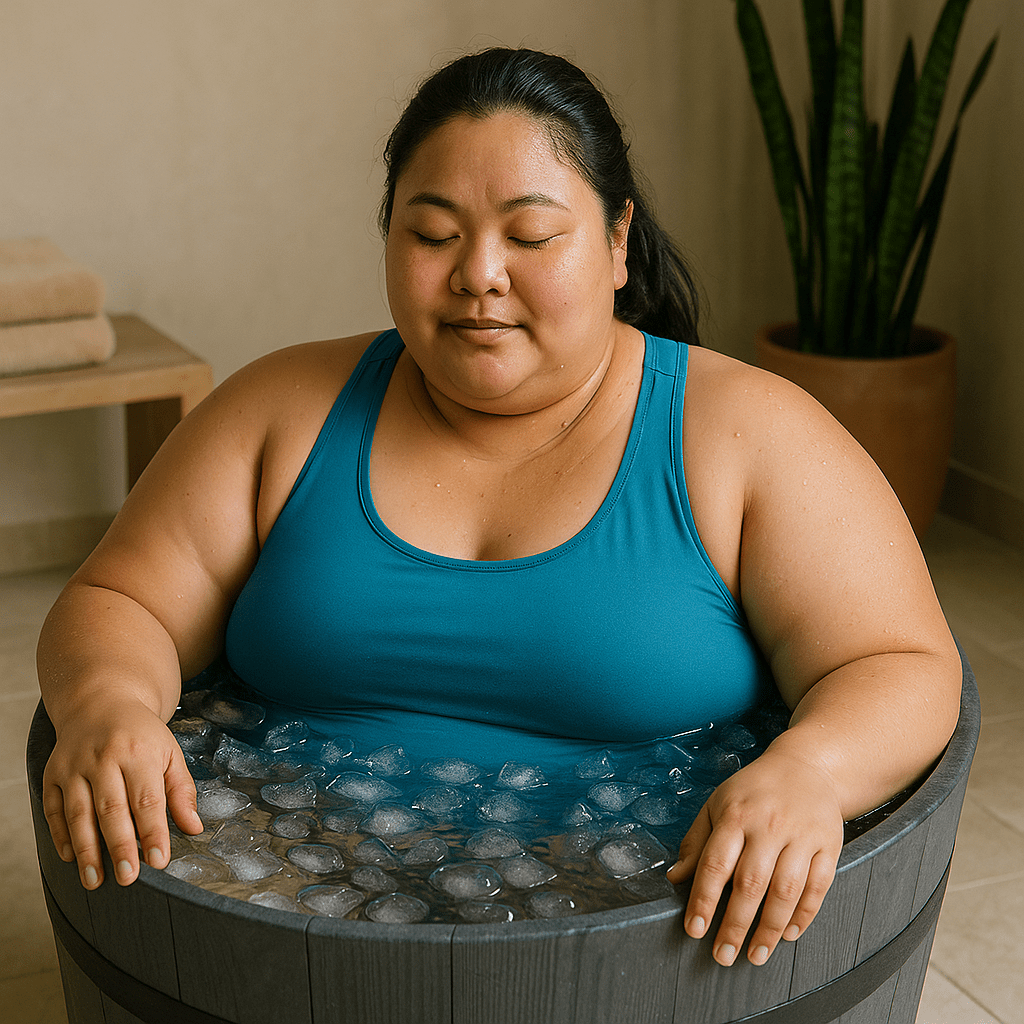
Ice baths involve immersing your body in a tub filled with ice and water, typically between 32°F and 55°F, for 10 to 15 minutes. This method offers intense cold exposure, which can amplify fat-burning effects and recovery.

Benefits:
Increases calorie burn through intense thermogenesis.

Reduces muscle inflammation and speeds recovery.

Strongly activates brown fat tissue.

How to Take an Ice Bath for Fat Loss:
Prepare the Bath: Fill a tub with cold water and add enough ice to lower the temperature to around 50°F or below.

Check Temperature: Use a thermometer to ensure safe levels; don’t go below 32°F to avoid frostbite risks.

Enter Slowly: Ease into the bath gradually, sitting down carefully to let your body adjust.

Set a Timer: Limit sessions to 10-15 minutes to avoid hypothermia or excessive stress.

Stay Calm: Focus on controlled breathing to maintain relaxation and reduce shock.

Warm Up Afterwards: After exiting, dry off and warm yourself gradually with a towel or warm clothes.

Frequency: Limit ice baths to 2-3 times per week to avoid overexposure and give your body time to recover.

Which Is Better for Fat Loss?
Ice baths may offer more potent fat-burning benefits due to deeper cold exposure and stronger brown fat activation. However, cold showers are easier to integrate into daily life and still support recovery and fat loss effectively. Starting with cold showers and gradually advancing to ice baths—if desired and safe—can be an excellent, balanced strategy.

Tips for Safe and Effective Cold Exposure
Always consult a healthcare professional if you have heart conditions, circulatory issues, or other health concerns.

Never stay in ice baths longer than recommended.

Avoid cold exposure if you feel dizzy, numb, or extremely uncomfortable.

Combine cold exposure with proper nutrition, exercise, and rest for best results.

Final Thoughts on Recovery & Wellness for Fat Loss
Both cold showers and ice baths are valuable tools in your fat loss and fitness toolkit. Used consistently and safely, they enhance recovery, boost metabolism, and promote overall wellness. Remember, cold exposure complements—not replaces—healthy habits like balanced eating and regular physical activity.

Categories
athletes Fitness runners

Best Sleep Habits for Runners’ Recovery

Whether you’re training for a marathon or enjoying daily runs to stay in shape, sleep is just as crucial to your performance as your workouts. Recovery doesn’t happen in the gym or on the trail—it happens while you rest. In this guide, we’ll explore the best sleep habits that support runners’ recovery, boost fitness, and maintain flexibility over time.

Why Sleep Matters for Runners
Sleep is when your body rebuilds. Muscles recover, energy stores replenish, and inflammation decreases. For runners, this means improved endurance, fewer injuries, and better performance over time. Even the best training routine can fall short if quality sleep isn’t part of the equation—recovery starts with rest.

Top Sleep Habits for Better Recovery

  1. Stick to a Consistent Sleep Schedule
    Keeping a consistent sleep and wake time—weekends included—keeps your body’s internal clock in sync, making it easier to fall asleep and wake up naturally. This consistency allows your body to maximize recovery cycles, particularly the deep stages of sleep where muscle growth and repair happen.
  2. Prioritize 7–9 Hours of Quality Sleep
    Quantity matters, but so does quality. Avoid caffeine late in the day, reduce screen time before bed, and create a calming wind-down routine to improve sleep depth and duration.
  3. Optimize Your Sleep Environment
    Create a sleep environment that’s peaceful, silent, and pleasantly cool—ideally near 65°F (18°C)—to promote restorative, uninterrupted sleep. Select a mattress and pillows tailored to your personal sleep preferences and body shape, as comfort and proper alignment are essential for effective overnight recovery. You’ll find no shortage of trusted gear and review sites that spotlight recovery-friendly sleep tools—think weighted blankets, orthopedic pillows, and more tailored options.
  4. Schedule Hard Runs Earlier in the Day
    Set up your bedroom to be serene, silent, and refreshingly cool—about 65°F (18°C)—to encourage restful, deep sleep without disruptions. Try to finish tough workouts at least 4–5 hours before bedtime.
  5. Incorporate Flexibility Work Before Bed
    Gentle yoga or stretching in the evening can reduce muscle tension and promote relaxation. This habit not only supports flexibility but also signals to your body that it’s time to transition into rest mode.
  6. Stay Hydrated—But Time It Right
    Dehydration disrupts sleep, but drinking too much water right before bed might wake you up for nighttime bathroom trips. Aim to hydrate throughout the day and taper off an hour or two before bedtime.
  7. Listen to Your Body
    Sleep needs can vary depending on your training load. After long runs or races, you may need more rest than usual. Listen to your body’s signals—true growth takes root in moments of rest, not just effort.

Final Thoughts

Great running doesn’t just depend on mileage—it thrives on balance. Smart recovery habits, especially sleep, are key to longevity and performance. By committing to better sleep hygiene and supporting your body’s natural recovery process, you’ll not only run better—you’ll feel better every day.

Categories
athletes Fitness Muscle Gain recovery & wellness

Mindfulness Techniques for Athletes

In high-performance sports, we often focus on physical training, nutrition, and recovery tools—but there’s a key component that often gets overlooked: the mind. Mindfulness is more than just a wellness buzzword; it’s a practical, science-backed tool that can dramatically enhance athletic performance and overall well-being.

Whether you’re a competitive athlete, a weekend warrior, or just passionate about fitness, integrating mindfulness into your routine can be a game-changer for your recovery & wellness.

Why Mindfulness Matters in Fitness
For athletes, practicing this awareness often leads to enhanced concentration, clearer choices during competition, and quicker, more effective recovery.

Stress, anxiety, and physical fatigue can cloud your mental clarity. Mindfulness cuts through that noise. It’s not just about calming down—it’s about showing up, mentally, for every rep, every race, every moment.

Benefits of Mindfulness for Athletes
Here’s what athletes are discovering:

Faster Recovery: Studies have shown that mindfulness practices like meditation can lower cortisol levels and reduce inflammation—both of which help your body bounce back after workouts.

Improved Focus & Performance: Being present in the moment means fewer distractions and better execution of skills.

Better Emotional Regulation: Mindfulness helps you manage stress, anxiety, and pressure—so you stay composed during high-stakes moments.

Injury Prevention: Listening to your body’s cues can help you avoid overtraining and catch signs of burnout before they escalate.

Practical Mindfulness Techniques
You don’t need hours of spare time or a retreat in the mountains. These methods are straightforward, convenient, and can be effortlessly added to your everyday habits:

  1. Body Scan Meditation
    Take 5 to 10 minutes after exercising or before sleep to mentally check in with your body, moving your attention slowly from your head down to your toes. This helps increase body awareness and encourages physical relaxation.
  2. Box Breathing
    Widely practiced by high-performing athletes and Navy SEALs, this method involves a steady inhale for four seconds, a four-second hold, a controlled exhale for four seconds, and a final pause of the same length. It works to calm the nervous system and boost mental sharpness.
  3. Mindful Movement
    Turn your warm-up or cooldown into a mindfulness practice. Focus entirely on the rhythm of your breath and how your body feels with each stretch or step.
  4. Journaling
    After practice or training, jot down how your body and mind felt, what went well, and what you noticed. It’s a low-effort way to reflect and reset.
  5. Visualization
    Before a competition or challenging workout, close your eyes and mentally rehearse what success looks and feels like. Picture your movements, the sounds around you, and how it feels to perform at your best.

Make Mindfulness a Habit
Like any other aspect of fitness, mindfulness takes consistency. Start small—just five minutes a day. Link it to something you already do: after your workout, before bed, or first thing in the morning. With time, you’ll notice not just physical gains, but a mental edge that carries you through training, competition, and recovery.

Final Thoughts
Athletic success isn’t just about how hard you push—it’s also about how well you recover. Mindfulness gives athletes a practical way to tune in, slow down, and rebuild from the inside out. In a world obsessed with go-go-go, learning when to pause might be your most powerful performance tool yet.

Categories
Fitness recovery runners

Cold Showers vs. Ice Baths: What’s Better for Runners?

When it comes to recovery & wellness, runners are constantly seeking ways to bounce back faster, reduce soreness, and maintain peak performance. Cold showers and ice baths often spark debate among athletes looking to optimize their recovery routines. Both methods use cold exposure to support muscle recovery—but are they created equal? Let’s break it down.

Why Cold Exposure Matters for Runners
After a long run or intense training session, muscles are inflamed, micro-tears are healing, and your nervous system is fatigued. This is where cold exposure comes in. It constricts blood vessels, reduces swelling, and helps flush out metabolic waste. Whether you’re a weekend warrior or a marathon regular, proper recovery techniques are non-negotiable if you want to stay consistent in your training.

Cold Showers: Quick, Convenient, and Gentle
For many runners, cold showers are a practical way to incorporate cold therapy into their daily routine without too much fuss. Here’s what they offer:

Accessibility: No setup required—just step into your bathroom.

Shorter exposure: A 5-minute cold rinse post-run can refresh you without the shock of full-body immersion.

Mental benefits: Cold showers also offer a unique mental “reset,” waking you up and helping you adapt to stress.

Best for: Everyday recovery, early-stage cold therapy, and those short on time or new to cold exposure.

Ice Baths: Intense, Immersive Recovery
On the other end of the spectrum, ice baths offer a deeper, more intense recovery experience. Here’s why many elite runners swear by them:

Reduces inflammation more aggressively: The full-body immersion targets the legs, hips, and core—all of which take a pounding during runs.

Longer-lasting effects: Post-ice bath recovery can feel more substantial, especially after races or long mileage days.

Customizable: Athletes often combine ice baths with contrast therapy (hot/cold switching) for even greater benefits.

Best for: Post-race recovery, long runs, injury prevention, and serious fitness routines.

Which One Should You Choose?
What works best will ultimately come down to how much you train, your schedule, and what feels right for your body. For runners putting in serious mileage or gearing up for a race, ice baths offer a powerful way to help the body recover more completely. But for daily recovery and consistent maintenance, cold showers are an easy, sustainable habit.

Some runners even use both—ice baths after key sessions and cold showers on lighter days.

Final Thoughts
Recovery and wellness aren’t one-dimensional—what works best varies from person to person. The key is listening to your body and finding what helps you stay consistent, injury-free, and motivated. Whether you go for a brisk cold shower or take the plunge in an ice bath, both tools can be game-changers in your fitness journey.