Categories
beginners Fitness Meals nutrition

Top Beginners Supplements for Muscle Growth

Building muscle as a beginner is exciting — you’re making real changes to your body, gaining strength, and stepping into a new fitness lifestyle. But between gym sessions and meal prepping, the world of supplements can feel overwhelming. Which ones actually work? Which are safe for beginners? And how do you fit them into your nutrition and meal prep routine?

Let’s break it down with a beginner-friendly guide that’s simple, effective, and based on real science — not hype.

  1. Whey Protein: Your Go-To for Gains
    Why it matters:
    Think of whey protein as your post-workout wingman — it’s fast, effective, and gets straight to work helping your muscles bounce back and grow stronger. Super clutch on days when your meals are a little light on protein.

How to use it:

Mix 1 scoop with water or milk post-workout.

Add it to smoothies for a nutrition boost.

Aim for 20–30g of protein per serving.

Meal prep tip:
Use whey protein in overnight oats, protein pancakes, or even baking for extra muscle-friendly meals.

  1. Creatine Monohydrate: Strength and Size
    Why it matters:
    Creatine’s that no-nonsense supplement that actually pulls its weight. It gives your muscles an energy kick during those tough sets and helps you pack on strength and size as you stay consistent.

How to use it:

Take 3–5g daily, with or without food.

No need to “load” — just be consistent.

Stay hydrated!

Quick tip: Mix your creatine with a post-workout shake or something carby — like a banana or oatmeal — to help your body soak it up better.

  1. Omega-3 Fish Oil: Recovery and Wellness
    Why it matters:
    Omega-3s reduce inflammation, improve joint health, and may even support muscle recovery. They’re often overlooked but essential — especially if you’re new to intense workouts.

How to use it:

Take 1–2 grams of combined EPA/DHA daily.

Choose high-quality fish oil (look for purity-tested labels).

Meal prep tip:
Add fatty fish like salmon to your weekly meals to boost natural intake.

  1. Vitamin D3: Energy and Immunity Support
    Why it matters:
    Many beginners don’t realize low vitamin D levels can affect energy, mood, and recovery. If you’re indoors a lot or live in a place with limited sun, supplementing is smart.

How to use it:

Take 1000–2000 IU daily (with a meal that has fat).

Consider a blood test for personalized dosing.

  1. A Quality Multivitamin: Nutritional Insurance
    Why it matters:
    Even with solid nutrition & meal prep, beginners often miss micronutrients that help the body function properly. A multivitamin ensures you’re not running low on key nutrients while you focus on fitness.

How to use it:

Take once daily with food.

Don’t rely on it — whole food should still be your priority.

Instructions for Beginners: Getting Started
Start with the basics: Begin with whey protein and creatine. They offer the biggest bang for your buck.

Keep it simple: Don’t overload your stack. More isn’t always better.

Pay attention to how you’re feeling — more energy, better recovery, extra strength? That’s your progress showing.

Match your supplements with solid meals — they’re there to back up your nutrition and meal prep, not take over.

And remember, don’t expect overnight miracles — supplements work best when you stick with them, just like hitting the gym regularly.

Final Thoughts
Supplements can enhance your muscle growth journey, but only when paired with proper training, recovery, and meal prep. For beginners, sticking to proven basics — like whey protein, creatine, and omega-3s — sets a strong foundation without overwhelming your routine.

Fitness is a journey. Take it one smart step at a time.
Categories
Cold Showers fat loss Fitness recovery & wellness

Cold Showers vs. Ice Baths: What’s Better for Fat Loss?

When it comes to optimizing fat loss, fitness enthusiasts and athletes often explore recovery techniques beyond diet and exercise. Among these, cold exposure methods like cold showers and ice baths have gained attention for their potential benefits. So, which method truly delivers the best results for fat loss? Let’s dive into the science, practical applications, and wellness benefits — including step-by-step instructions — to help you decide.

Understanding Cold Exposure and Fat Loss
Exposure to cold stimulates brown fat, a type of tissue that helps burn calories by producing heat.

This heat-generating, or thermogenic, response can aid in fat loss by boosting how many calories your body uses.

That said, the effectiveness varies based on how cold the exposure is, how long it lasts, and individual differences.

Cold Showers: Simple and Accessible
Cold showers mean standing under chilly water—usually ranging from about 50°F to 70°F—for several minutes. They’re simple to add to your everyday routine, need no special gear, and provide advantages for recovery, overall wellness, and supporting fat loss.

Benefits:
Boosts metabolism and alertness.

Reduces muscle soreness and inflammation.

Builds mental toughness and resilience.

How to Do a Cold Shower for Fat Loss:
Start Warm: Begin your shower with warm water to relax your muscles.

Gradually Cool Down: Slowly reduce the temperature over 1-2 minutes until it’s uncomfortably cool but manageable.

Time It Right: Stay under cold water for 2–5 minutes. Beginners can start with 30 seconds and build up gradually.

Focus on Breathing: Take deep, steady breaths to help your body adapt and reduce shock.

End Warm or Cold: Some prefer to finish cold for maximum benefits, others warm for comfort. Both are fine.

Frequency: Aim for 3-5 times per week for consistent fat loss and recovery benefits.

Ice Baths: Intense and Effective
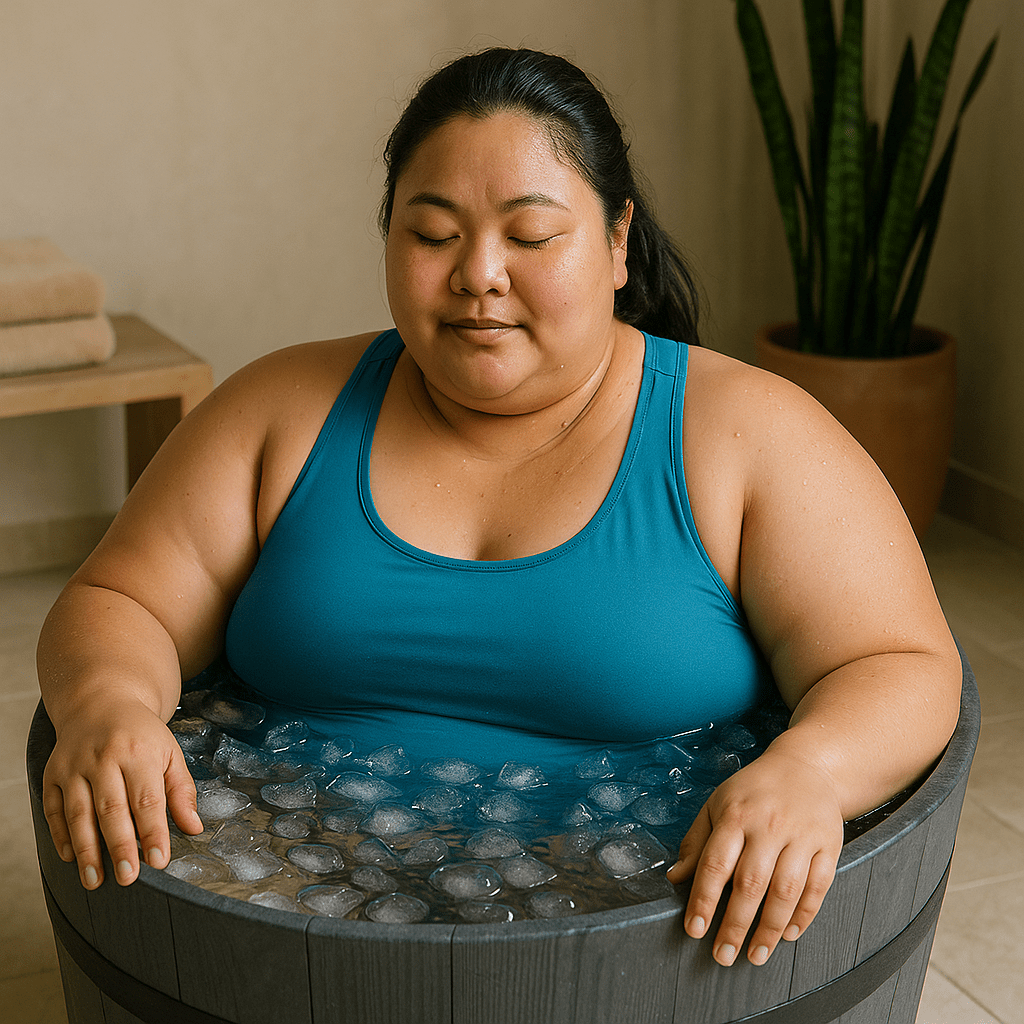
Ice baths involve immersing your body in a tub filled with ice and water, typically between 32°F and 55°F, for 10 to 15 minutes. This method offers intense cold exposure, which can amplify fat-burning effects and recovery.

Benefits:
Increases calorie burn through intense thermogenesis.

Reduces muscle inflammation and speeds recovery.

Strongly activates brown fat tissue.

How to Take an Ice Bath for Fat Loss:
Prepare the Bath: Fill a tub with cold water and add enough ice to lower the temperature to around 50°F or below.

Check Temperature: Use a thermometer to ensure safe levels; don’t go below 32°F to avoid frostbite risks.

Enter Slowly: Ease into the bath gradually, sitting down carefully to let your body adjust.

Set a Timer: Limit sessions to 10-15 minutes to avoid hypothermia or excessive stress.

Stay Calm: Focus on controlled breathing to maintain relaxation and reduce shock.

Warm Up Afterwards: After exiting, dry off and warm yourself gradually with a towel or warm clothes.

Frequency: Limit ice baths to 2-3 times per week to avoid overexposure and give your body time to recover.

Which Is Better for Fat Loss?
Ice baths may offer more potent fat-burning benefits due to deeper cold exposure and stronger brown fat activation. However, cold showers are easier to integrate into daily life and still support recovery and fat loss effectively. Starting with cold showers and gradually advancing to ice baths—if desired and safe—can be an excellent, balanced strategy.

Tips for Safe and Effective Cold Exposure
Always consult a healthcare professional if you have heart conditions, circulatory issues, or other health concerns.

Never stay in ice baths longer than recommended.

Avoid cold exposure if you feel dizzy, numb, or extremely uncomfortable.

Combine cold exposure with proper nutrition, exercise, and rest for best results.

Final Thoughts on Recovery & Wellness for Fat Loss
Both cold showers and ice baths are valuable tools in your fat loss and fitness toolkit. Used consistently and safely, they enhance recovery, boost metabolism, and promote overall wellness. Remember, cold exposure complements—not replaces—healthy habits like balanced eating and regular physical activity.

Categories
athletes Fitness Muscle Gain recovery & wellness

Mindfulness Techniques for Athletes

In high-performance sports, we often focus on physical training, nutrition, and recovery tools—but there’s a key component that often gets overlooked: the mind. Mindfulness is more than just a wellness buzzword; it’s a practical, science-backed tool that can dramatically enhance athletic performance and overall well-being.

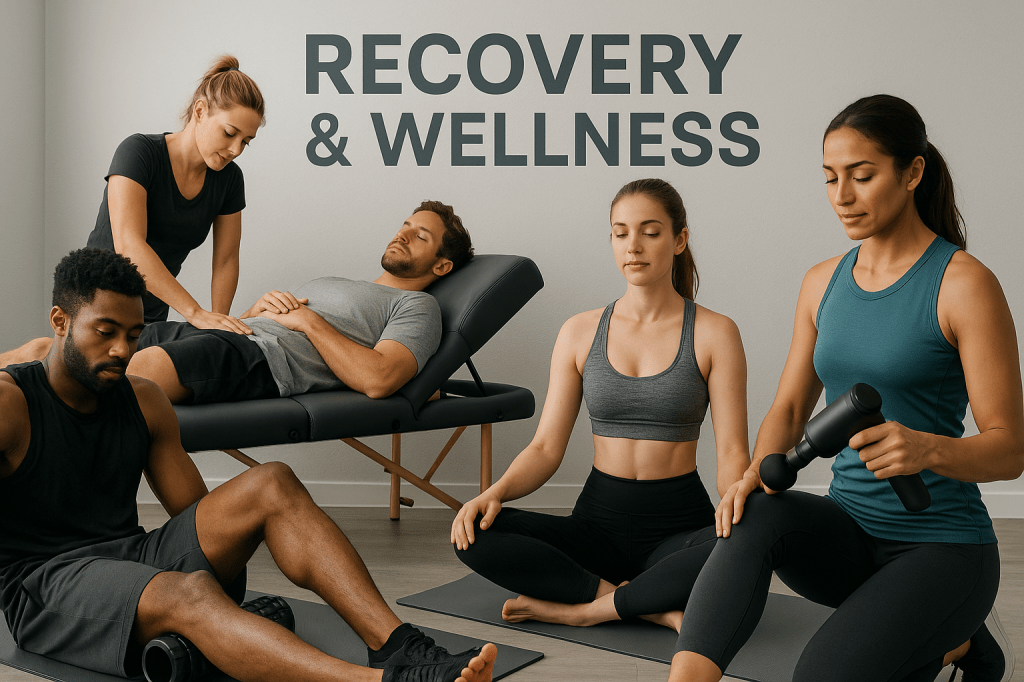
Whether you’re a competitive athlete, a weekend warrior, or just passionate about fitness, integrating mindfulness into your routine can be a game-changer for your recovery & wellness.

Why Mindfulness Matters in Fitness
For athletes, practicing this awareness often leads to enhanced concentration, clearer choices during competition, and quicker, more effective recovery.

Stress, anxiety, and physical fatigue can cloud your mental clarity. Mindfulness cuts through that noise. It’s not just about calming down—it’s about showing up, mentally, for every rep, every race, every moment.

Benefits of Mindfulness for Athletes
Here’s what athletes are discovering:

Faster Recovery: Studies have shown that mindfulness practices like meditation can lower cortisol levels and reduce inflammation—both of which help your body bounce back after workouts.

Improved Focus & Performance: Being present in the moment means fewer distractions and better execution of skills.

Better Emotional Regulation: Mindfulness helps you manage stress, anxiety, and pressure—so you stay composed during high-stakes moments.

Injury Prevention: Listening to your body’s cues can help you avoid overtraining and catch signs of burnout before they escalate.

Practical Mindfulness Techniques
You don’t need hours of spare time or a retreat in the mountains. These methods are straightforward, convenient, and can be effortlessly added to your everyday habits:

  1. Body Scan Meditation
    Take 5 to 10 minutes after exercising or before sleep to mentally check in with your body, moving your attention slowly from your head down to your toes. This helps increase body awareness and encourages physical relaxation.
  2. Box Breathing
    Widely practiced by high-performing athletes and Navy SEALs, this method involves a steady inhale for four seconds, a four-second hold, a controlled exhale for four seconds, and a final pause of the same length. It works to calm the nervous system and boost mental sharpness.
  3. Mindful Movement
    Turn your warm-up or cooldown into a mindfulness practice. Focus entirely on the rhythm of your breath and how your body feels with each stretch or step.
  4. Journaling
    After practice or training, jot down how your body and mind felt, what went well, and what you noticed. It’s a low-effort way to reflect and reset.
  5. Visualization
    Before a competition or challenging workout, close your eyes and mentally rehearse what success looks and feels like. Picture your movements, the sounds around you, and how it feels to perform at your best.

Make Mindfulness a Habit
Like any other aspect of fitness, mindfulness takes consistency. Start small—just five minutes a day. Link it to something you already do: after your workout, before bed, or first thing in the morning. With time, you’ll notice not just physical gains, but a mental edge that carries you through training, competition, and recovery.

Final Thoughts
Athletic success isn’t just about how hard you push—it’s also about how well you recover. Mindfulness gives athletes a practical way to tune in, slow down, and rebuild from the inside out. In a world obsessed with go-go-go, learning when to pause might be your most powerful performance tool yet.

Categories
Dinner Fitness

Healthy Meal Prep Ideas for Weight Loss

If you’re aiming to shed a few pounds without sacrificing flavor or spending hours in the kitchen every day, healthy meal prep is your best friend. Planning and preparing your meals in advance helps you stay on track with your weight loss goals, controls portion sizes, and cuts down on unhealthy last-minute food choices.

Why Healthy Meal Prep Works for Weight Loss

Meal prepping simplifies your week by removing guesswork and reducing temptation. When your meals are already portioned and balanced, it’s easier to avoid overeating or grabbing fast food. Plus, cooking in batches means you can dedicate less time daily to cooking and more time to living your life.

Top Healthy Meal Prep Ideas

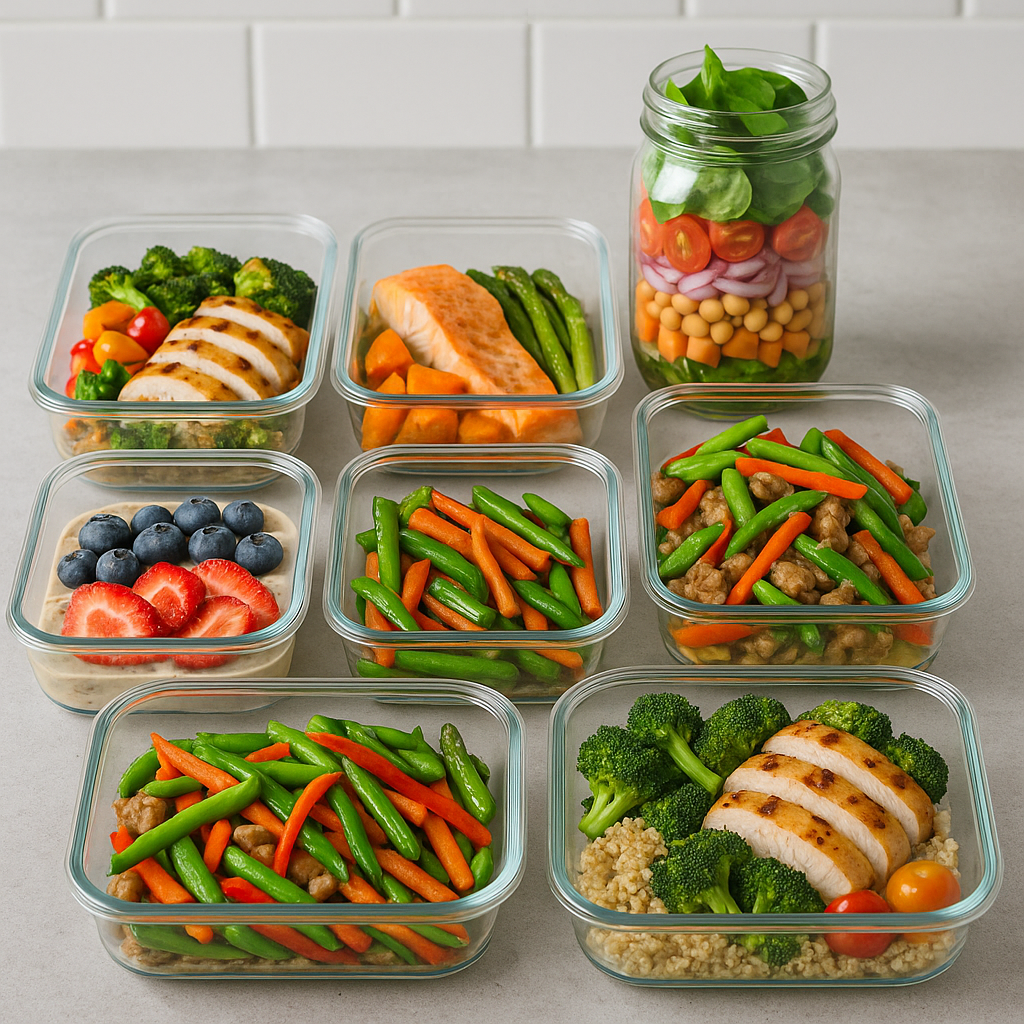
Veggie-Packed Quinoa Bowls
Quinoa is a fantastic base because it’s high in protein and fiber, which keeps you full longer. Combine it with roasted veggies like bell peppers, zucchini, and broccoli. Add a lean protein like grilled chicken or tofu, and top it with a light vinaigrette or lemon tahini dressing for flavor without the guilt.

Mason Jar Salads
Layering salads in mason jars keeps ingredients fresh and makes portion control easy. Start with your dressing at the bottom, followed by hearty veggies (carrots, cucumbers, chickpeas), then greens on top. When you’re ready to eat, just shake and enjoy!

Baked Salmon with Sweet Potato and Asparagus
Salmon offers healthy omega-3 fats, and pairing it with complex carbs like sweet potato and fiber-rich asparagus creates a nutrient-dense meal. Bake everything together on a sheet pan for a quick and easy prep.

Turkey and Veggie Stir-Fry
Lean ground turkey cooks fast and pairs well with a medley of colorful veggies like snap peas, carrots, and bell peppers. Use low-sodium soy sauce and fresh ginger for flavor without excess calories.

Overnight Oats
A simple grab-and-go breakfast, overnight oats soak in milk or a dairy-free alternative with chia seeds, berries, and a touch of honey. They’re filling, nutritious, and keep your metabolism steady through the morning.

Tips for Successful Meal Prep

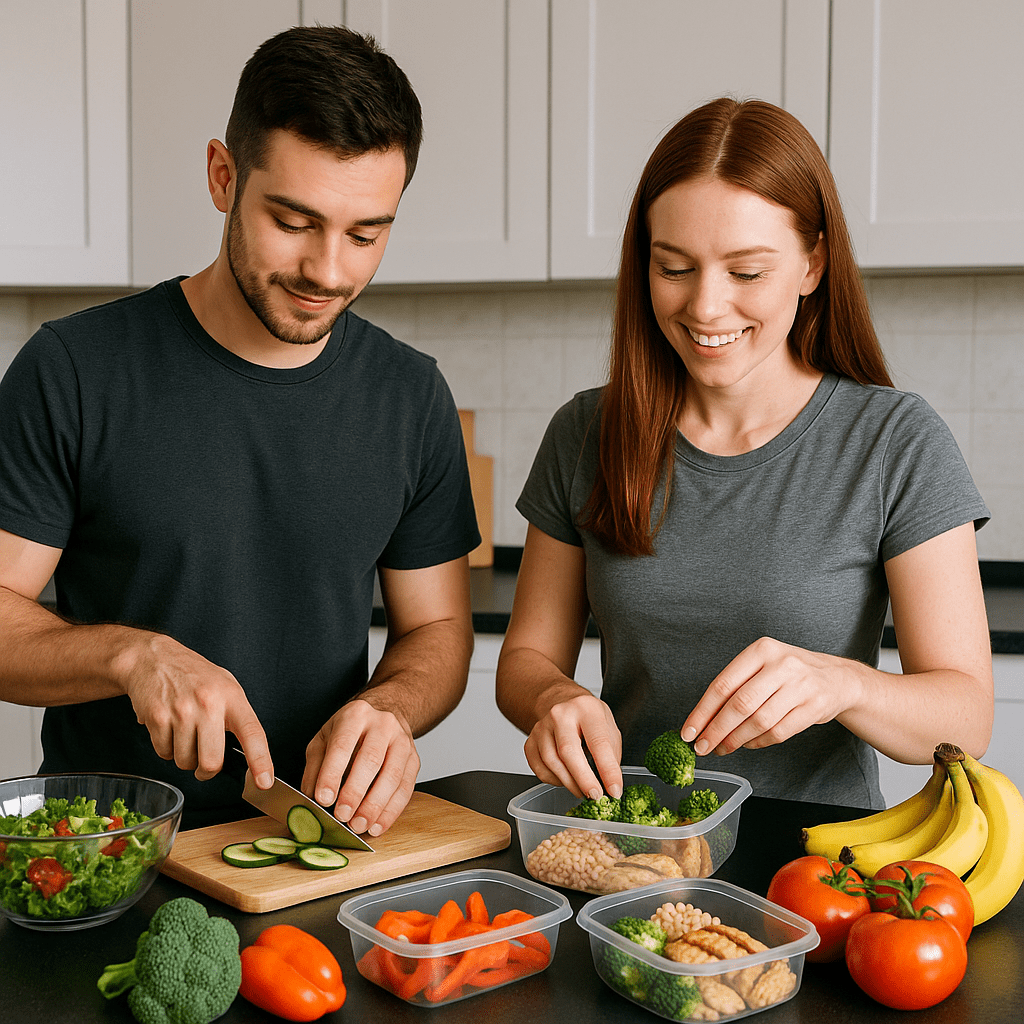
Invest in good-quality, reusable containers with compartments to keep meals fresh and separated.

Plan your meals around your weekly schedule and preferences to stay motivated.

Don’t be afraid to mix and match ingredients to keep things exciting.

Keep snacks simple—think fresh fruit, nuts, or yogurt—to avoid unhealthy temptations.

Conclusion

Healthy meal prep is a practical, sustainable way to support your weight loss journey. By focusing on balanced, portion-controlled recipes that nourish your body, you’re setting yourself up for success not just for the week but long-term. Start small, stay consistent, and enjoy the process of fueling your body with wholesome foods.

Categories
Fitness

How to Track Macros: A Beginner’s Guide

Ever notice how some people reach their fitness goals with ease? Chances are, they’re tracking their macros closely. Tracking macros — short for macronutrients — can help you better understand what you’re eating and how it affects your body. From muscle gain to weight loss or simply learning to eat more consciously, this beginner’s guide will help you get started.

What Are Macros, Anyway?
Macros are the primary nutrients responsible for delivering energy to your system.

Protein: Supports muscle growth, repair, and immune function.

Carbohydrates: Your body’s primary energy source.

Your body depends on fats to manage hormone production, boost cognitive abilities, and take in fat-soluble nutrients.

Each macro has a calorie value:

Protein = 4 calories per gram

Carbs = 4 calories per gram

Fat = 9 calories per gram

Learning to handle your macros effectively lets you fine-tune your meals to support your personal health and fitness targets.

Why Track Macros Instead of Just Counting Calories?
Eating 500 calories from a balanced meal of chicken and vegetables nourishes your body in a way that candy simply doesn’t.

Macro tracking adds context. It helps you:

Maintain lean muscle while losing fat

Improve workout recovery

Understand how different foods impact your body and energy levels

Step-by-Step: How to Start Tracking Macros

  1. Determine Your Macro Goals
    Start by figuring out how many grams of each macro you need daily. This depends on your:

Age

Weight

Activity level

Fitness goals (lose fat, build muscle, maintain weight)

You can use free macro calculators online to get a personalized estimate, or consult a nutritionist for a more tailored plan.

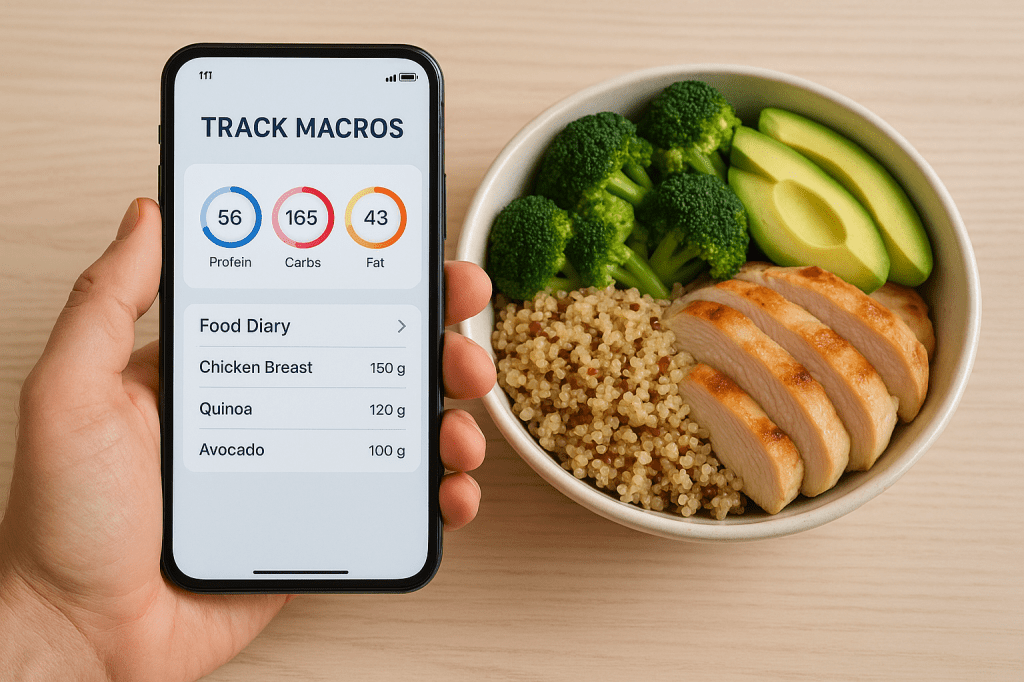
  1. Use a Tracking App
    Apps like MyFitnessPal, Cronometer, or Macros+ make tracking easy. Simply log what you eat, and the app breaks down the macros for you.
  2. Learn to Read Food Labels
    Understanding nutrition labels helps you track macros even when you’re not using an app. Pay attention to:

Serving size

Grams of protein, carbs, and fats per serving

Added sugars and fiber (especially in carb content)

  1. Weigh and Measure Your Food (At Least Initially)
    In the beginning, use a food scale to get an accurate idea of portion sizes. You don’t need to do this forever — just long enough to build awareness.
  2. Stay Flexible, Not Obsessed
    Macro tracking isn’t about perfection — it’s about progress. Aim for consistency, not rigid rules. If you’re within 5–10 grams of your target for each macro by the end of the day, you’re doing great.

Tips for Beginners
Meal prep to simplify your day and reduce guesswork

Focus on whole foods — lean proteins, whole grains, healthy fats

Don’t forget fiber and water intake — they play a big role in digestion and satiety

Pre-tracking meals gives you a clearer picture of your intake and helps you make smarter choices.

Final Thoughts
It may seem overwhelming at first, but tracking macros quickly becomes a routine part of your day. Think of it as learning a new language — the language of your body’s nutrition. By tuning in and understanding what fuels you best, you’ll be more empowered to make choices that support your goals and your health.

So go ahead — download a tracker, log your first meal, and start your journey into macros tracking today. Your future self will thank you.