Categories
Fitness home workout men Muscle Gain strength training women

How to Increase Bench Press in Muscle Gain Weeks

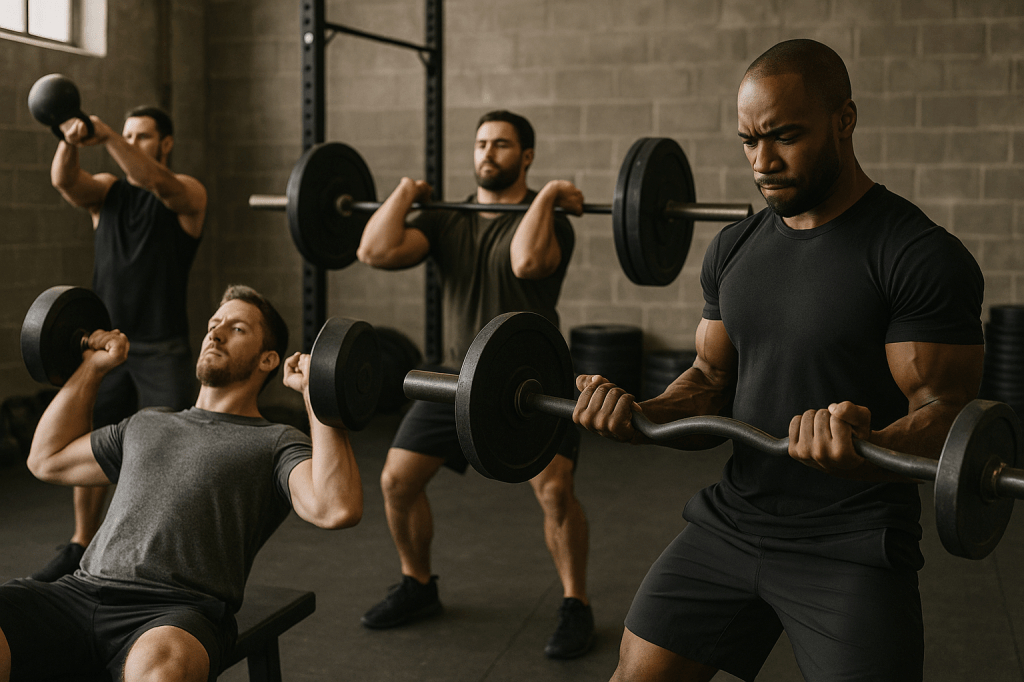
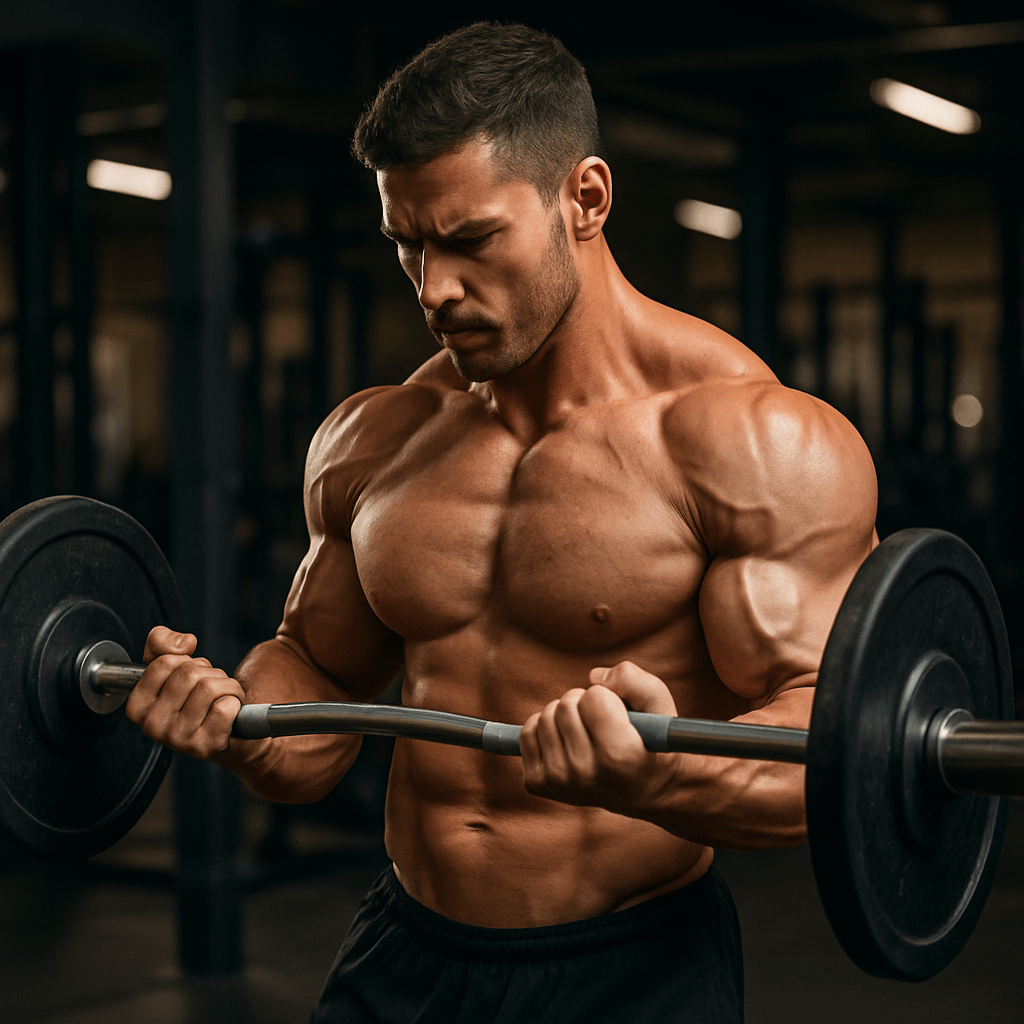
When it comes to muscle gain, there’s one move that remains a favorite in almost every gym: the bench press. But increasing your bench press — especially during dedicated muscle-building phases — requires more than just lifting heavier. It calls for a strategic approach to strength training, recovery, and execution.

Whether you’re chasing your first 225 or trying to smash through a plateau, here’s a guide packed with tips, techniques, and instructions to help you level up your bench press during muscle gain weeks.

  1. Use Progressive Overload – Every Single Week

What to do:

Gradually increase the load or volume of your bench press each week to push your muscles to adapt.

Instructions:

Start with a weight you can lift for 8–10 reps with good form.

Each week, increase the weight by 2.5–5 lbs, or add 1–2 more reps.

Keep your weekly increases small and steady to avoid injury and maximize growth.

Example Plan:

Week 1: 185 lbs × 8 reps

Week 2: 190 lbs × 8 reps

Week 3: 190 lbs × 10 reps

  1. Perfect Your Bench Press Form

Even small adjustments in form can lead to big strength gains and reduce the risk of injury.

Instructions:

Lie flat on the bench, eyes directly under the bar.

Firmly anchor your feet to the floor, positioning them slightly behind your hips to create full-body tension

Retract your shoulder blades and keep a slight arch in your lower back.

Grip the bar just wider than shoulder-width.

Bring the bar down in a controlled motion to the center of your chest, hold for a moment, then drive it upward with power.

Bonus Tip: Record yourself occasionally to check your form — small flaws can go unnoticed.

  1. Increase Weekly Training Volume

In muscle gain phases, higher training volume helps grow the muscle groups involved in pressing.

Instructions:

Incorporate bench press into your routine 2 to 3 times a week, using different variations to target muscle groups from multiple angles.

Day 1 (Strength Focus): 4 sets × 4–6 reps (heavy weight)

Day 2 (Volume Focus): 4–5 sets × 8–12 reps (moderate weight)

Day 3 (Variation): 3 sets × 10–12 reps of incline bench, dumbbells, or paused bench

Rest Between Sets:

Heavy sets: 2–3 minutes

Volume sets: 60–90 seconds

  1. Add Key Accessory Exercises

Accessory lifts build strength in the muscles that support the bench press.

Instructions:

Add 2–3 accessory movements after your main bench work:

Triceps: Skull crushers, triceps dips, rope pushdowns (3 sets × 10–15 reps)

Shoulders: Overhead press, lateral raises (3–4 sets × 8–12 reps)

Back: Barbell rows, face pulls, pull-ups (3–4 sets × 10–12 reps)

Pro tip: Building a stronger upper back enhances your stability and control during the bench press.

  1. Eat to Support Muscle Gain

Nutrition is half the battle.

Instructions:

Aim to consume roughly one gram of protein for every pound you weigh — for example, someone who weighs 180 pounds should target about 180 grams of protein daily

Carbs: Fuel your workouts — rice, oats, potatoes, fruit

Fats: Keep healthy fats in your diet (nuts, olive oil, eggs)

Hydration goal: Drink a minimum of 3 liters of water daily to support muscle function and recovery.

Pro Tip: Have a protein + carb meal within 60 minutes after training.

  1. Prioritize Sleep and Recovery

Muscles grow when you rest — not when you’re lifting.

Instructions:

Sleep 7–9 hours per night

Be sure to schedule at least one complete day off from training each week to allow your body to recover and rebuild.

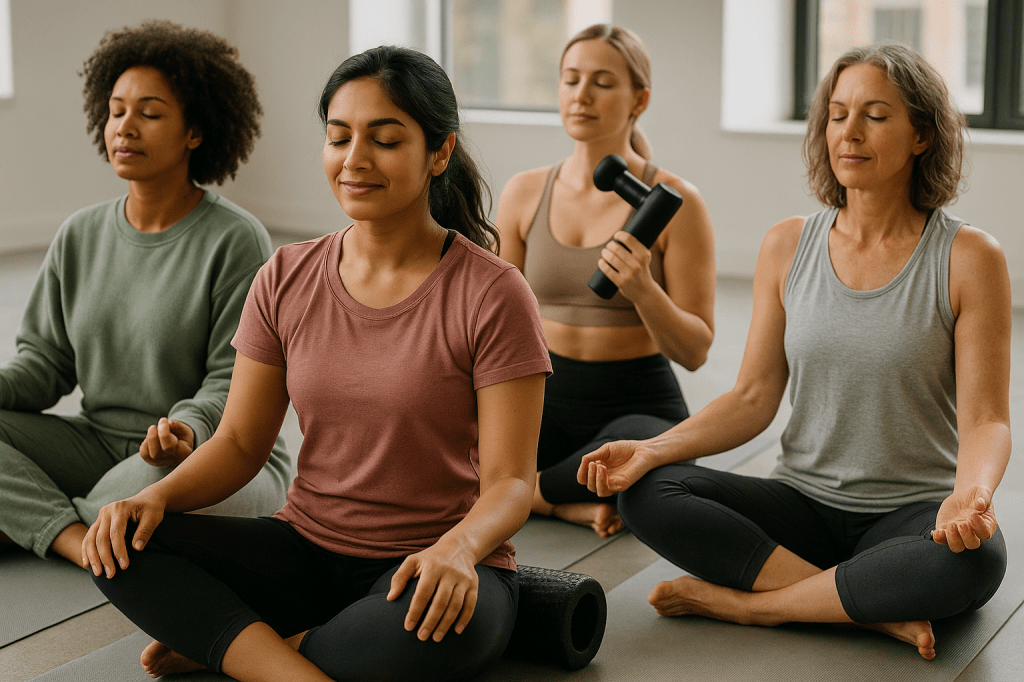
Consider light stretching or foam rolling on off days to stay mobile

Avoid: Training through joint pain or chronic soreness. It stalls your progress.

  1. Track Progress and Stay Consistent

Instructions:

Use a workout log or app to track weight, reps, and rest times

Make notes on how each session felt

Adjust based on fatigue, not ego — more is not always better

Weekly Check-In Example:

“Bench: 205 × 5 felt strong. Try 210 next week. Triceps feeling tight — stretch post-lift.”

Summary

Improving your bench press during muscle gain weeks comes down to strategy. With consistent strength training, proper nutrition, and a smart training layout, you’ll build more than just numbers — you’ll build real, functional upper-body strength. Follow your routine consistently, stay patient with your progress, and keep your eyes on long-term results

Categories
cardio cardio & endurance exercises Fitness women

Top Cardio Exercises for Women Lovers

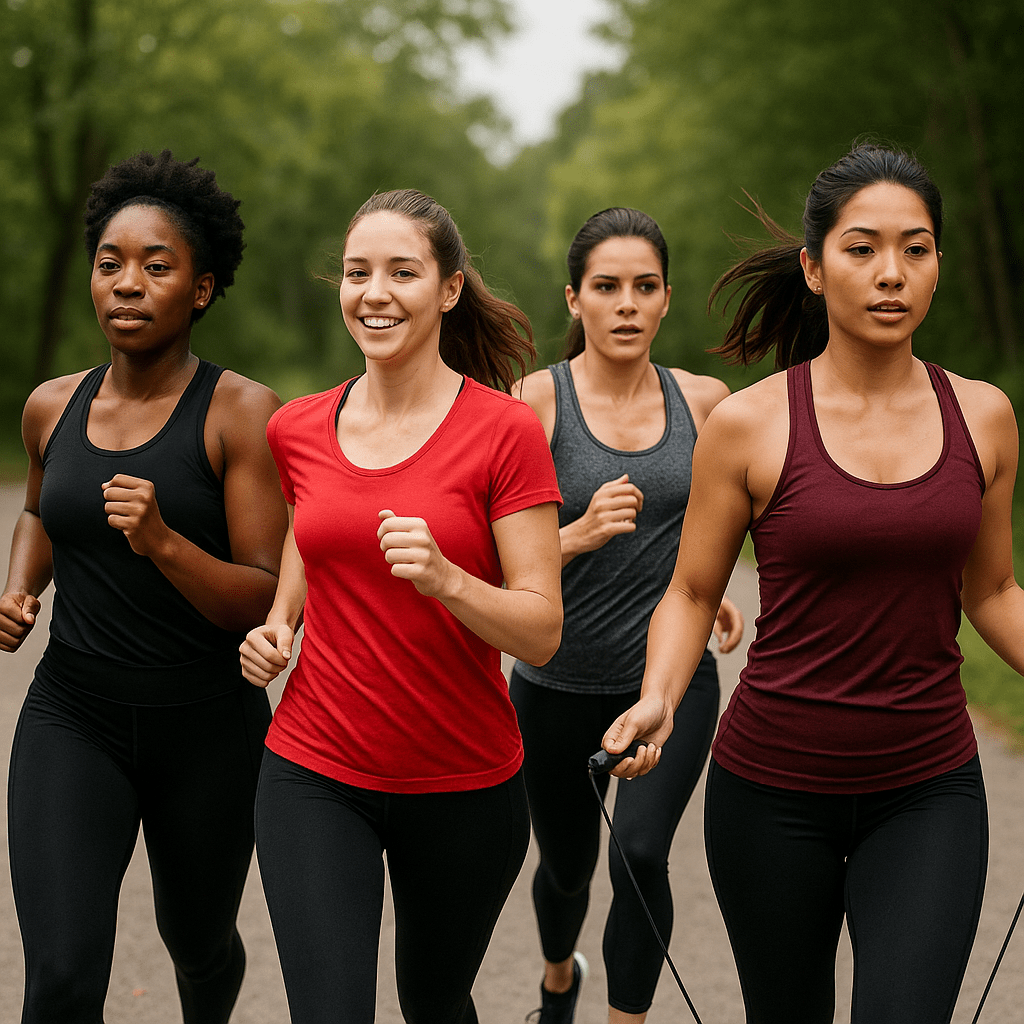
When it comes to fitness, cardio and endurance workouts are a game changer—especially for women who want to feel strong, energized, and confident. Finding exercises that you enjoy and that fit your lifestyle makes all the difference in sticking with your routine and seeing real results.

Here are some of the top cardio exercises for women lovers of fitness, along with step-by-step instructions to get you moving safely and effectively.

  1. Dance Cardio

Why it works: Combines cardio with fun rhythm and movement, great for heart health and mood.

How to start:

Find a dance cardio video online or join a local Zumba or dance fitness class.

Warm up with 5 minutes of light movement, like walking or gentle side steps.

Follow the choreography at your own pace—don’t worry about perfection.

Try to dance continuously for about 20 to 30 minutes, slowly making your movements more vigorous over time.

Wrap up your workout with gentle stretches that target your legs and hips.

  1. Running or Jogging

Why it works: Builds endurance, burns calories, and strengthens your whole body.

How to start:

Choose a flat, safe outdoor route or use a treadmill inside for your workout.

Begin with a 5-minute brisk walk to warm up.

For beginners, try jogging for one to two minutes, then walking for two to three minutes, and repeat.

Gradually increase jogging intervals as your endurance improves.

Aim for a total of 20-40 minutes.

End your session with a five-minute walk followed by stretches targeting your calves and hamstrings.

  1. Cycling

Why it works: Low impact on joints, strengthens legs, and boosts cardio fitness.

How to start:

If outdoors, wear a helmet and choose a safe cycling path.

Set your bike seat height so that your legs are nearly straight when you pedal.

Start pedaling gently at a comfortable speed for about five minutes to warm up.

Pick up your pace for one to two minutes, then reduce speed to recover.

Repeat intervals for 20-30 minutes.

Ease into a slower cycling pace for five minutes to cool down, followed by stretches for your quadriceps and calves.

  1. Swimming

Why it works: Full-body, low-impact cardio that builds endurance and tones muscles.

How to start:

Warm up by swimming slowly for 5-10 minutes using your preferred stroke.

Swim laps at a comfortable pace, focusing on steady breathing.

Incorporate intervals: swim one lap fast, then one lap slow to recover.

Continue for 20-30 minutes.

Finish with an easy-paced swim followed by stretches for your shoulders and back.

  1. HIIT (High-Intensity Interval Training)

Why it works: Short bursts of intense exercise enhance endurance and promote efficient fat burning.

How to start:

Start with five minutes of gentle cardio like jogging in place or performing jumping jacks to warm up.

Follow with 30-60 seconds of rest or low-intensity movement.

Repeat for 10-15 rounds depending on fitness level.

Cool down with walking and stretching.

  1. Jump Rope

Why it works: Builds cardiovascular endurance and coordination in a quick workout.

How to start:

Choose a rope length that reaches your armpits when standing on the middle.

Warm up by marching in place or light jogging for 2-3 minutes.

Begin by jumping with both feet together at a steady, comfortable rhythm for 30 seconds.

Rest for 30 seconds, then repeat 5-10 rounds.

Progress to longer intervals or alternate single-foot jumps as you improve.

Finish with calf and ankle stretches.

Tips to Stay Consistent

Listen to your body: Modify intensity to avoid injury.

Make it fun: Choose exercises you genuinely enjoy.

Set realistic goals: Start small and build gradually.

Keep yourself hydrated by drinking water before, throughout, and after your exercise sessions.

Fuel your body: Eat balanced meals to support energy and recovery.

Final Thoughts

Cardio & endurance workouts are essential for overall wellness and fitness, especially for women who want to feel empowered and energized. Try these exercises with the provided instructions, and find what fits your lifestyle best. Remember, the best workout is the one you love doing—and can keep doing.

Categories
beginners Fitness nutrition & meal snacks workouts

High-Protein Snacks for Beginners Workouts

If you’re new to working out, you’ve likely heard that protein is important—but figuring out how to include it in your day without overcomplicating things can feel confusing. This guide breaks down easy, beginner-friendly high-protein snacks, explains why they matter, and gives you step-by-step instructions to make them at home or prep ahead of time.

Whether you’re exercising to build strength, lose fat, or improve endurance, your results start in the kitchen—with smart nutrition & meal prep.

Why Protein Matters in Fitness for Beginners

For beginners in fitness, protein plays a major role in:

Repairing and building muscle

Supporting metabolism

Reducing post-workout soreness

Preventing excess hunger later

Snacking on high-protein foods helps you recover from workouts and avoid overeating between meals. Now let’s look at how to prepare some beginner-friendly options.

6 High-Protein Snack Ideas (with Instructions)

  1. Greek Yogurt + Berries

Protein per serving: ~15g

What you need:

1 cup plain Greek yogurt (2% or full-fat)

½ cup mixed berries (fresh or frozen)

Optional: sprinkle of chia seeds or honey

Instructions:

Scoop yogurt into a bowl or container.

Add berries on top.

Stir in chia seeds or drizzle honey if desired.

Store in the fridge or eat immediately.

  1. Boiled Eggs

Protein per egg: ~6g

What you need:

6 large eggs

Salt, pepper, or paprika

Instructions:

Place eggs in a pot, cover with water.

Heat until the water starts boiling, then lower the temperature and let the eggs cook gently for about 9 to 12 minutes.

Transfer to cold water and peel when cooled.

Store in the fridge up to 1 week.

Meal Prep Tip: Boil a batch on Sunday and grab 1–2 each day.

3.Cottage Cheese + Pineapple

Protein per serving: ~14g

What you need:

½ cup cottage cheese (low-fat or full-fat)

¼ cup diced pineapple (fresh or canned in juice)

Instructions:

Spoon cottage cheese into a bowl or container.

Add pineapple chunks on top.

Eat cold—no prep required!

  1. Hummus + Veggie Sticks

Protein per serving: ~6–8g

What you need:

½ cup hummus

1 cup raw veggies (carrots, bell peppers, cucumber, etc.)

Instructions:

Wash and slice your vegetables.

Portion into containers with hummus.

Keep chilled until snack time.

Prep multiple servings at once for the week.

  1. Nut Butter on Rice Cakes

Protein per serving: ~7g

What you need:

1–2 plain rice cakes

2 tbsp natural peanut or almond butter

Optional: banana slices or cinnamon

Instructions:

Spread nut butter evenly across rice cakes.

Top with banana slices or cinnamon if desired.

Eat immediately or prep in advance and wrap.

  1. Tuna Packet with Avocado

Protein per serving: ~18–20g

What you need:

One 3-ounce pouch of tuna packed in either water or olive oil

¼ mashed avocado

Salt, pepper, squeeze of lemon

Instructions:

Open tuna packet and place in a bowl.

Mix in mashed avocado and season to taste.

Pair with whole-grain crackers or wrap in crisp lettuce for a fresh, easy bite.

Ready in 2 minutes and ideal for post-workout protein!

Meal Prep Tips for Beginners

Start small: Pick 2 snacks to prep this week.

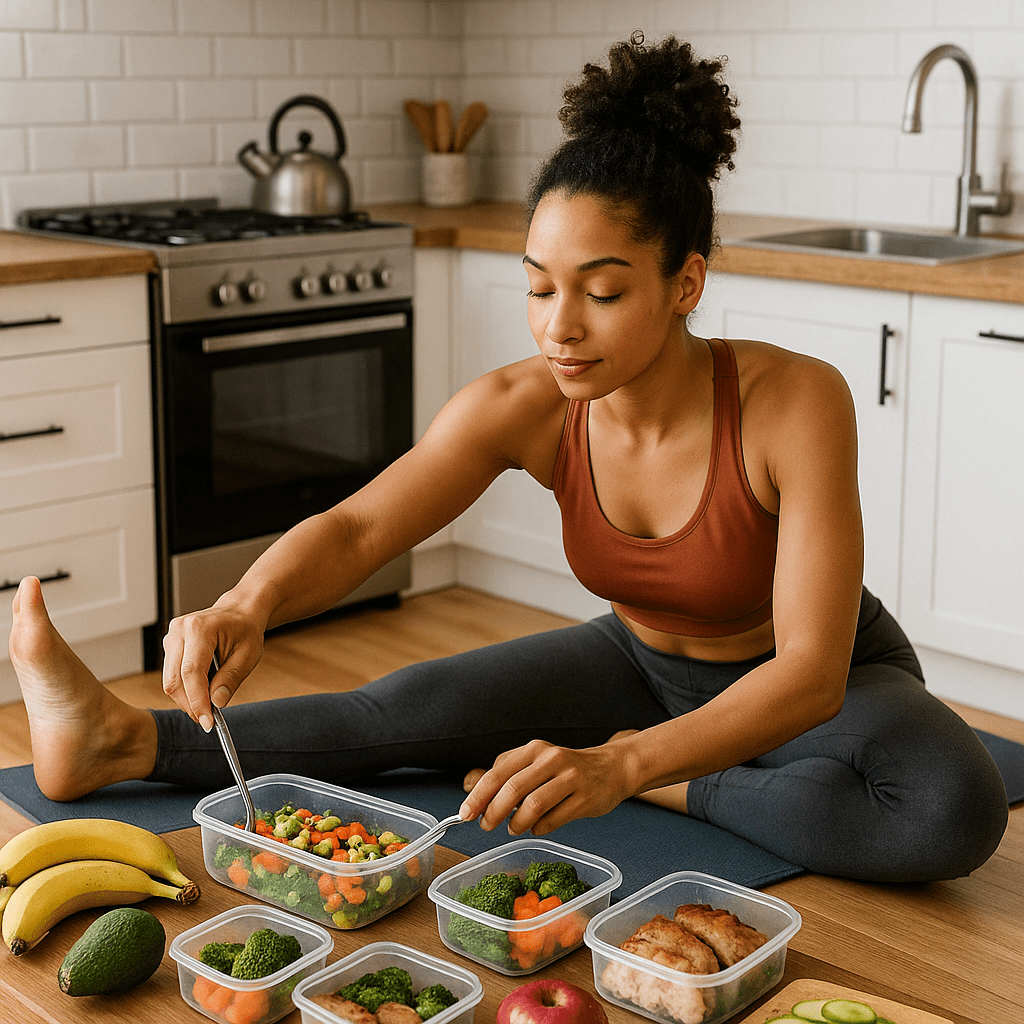
Use transparent containers and portion your snacks to keep things tidy and easy to find

Balance is key: Pair protein with fiber or healthy fats.

Don’t overthink it: Keep ingredients simple and affordable.

Benefits of High-Protein Snacking

Supports muscle recovery

Reduces cravings between meals

Improves satiety and energy

Helps regulate blood sugar

Final Thoughts

When you’re starting out, the goal isn’t perfection—it’s consistency. These protein-rich snack options are simple, hassle-free, and perfect for anyone just starting out. By incorporating them into your nutrition & meal prep routine, you’ll build a strong foundation for your fitness journey—one bite at a time.

Categories
exercises Fitness men strength training

Full Body Strength Workout with Men: A Guide to Building Real Fitness

Strength training for men goes far beyond lifting heavy weights. It’s about developing total-body strength, balance, and control that carries over into everyday life—whether you’re playing sports, chasing your kids around, or just staying fit and pain-free as you age.

This guide gives you a full-body routine tailored for men, complete with clear instructions, smart training tips, and lasting benefits.

Why Full Body Workouts Work
Full-body workouts are efficient, effective, and sustainable. You train every major muscle group in one session, making it ideal for busy schedules. This type of training also improves coordination, boosts metabolism, and helps maintain muscle symmetry—key for preventing injury.

Benefits of full-body strength training for men:

Increases lean muscle mass

Boosts testosterone naturally

Enhances fat loss and energy levels

Strengthens joints and bones

Improves athletic performance and posture

How to Structure Your Workout

Warm-Up (5–10 Minutes)

Start with light cardio (jump rope, brisk walking, or cycling) for 3–5 minutes, then do dynamic stretches like:

Arm circles

Leg swings

Hip openers

Bodyweight squats

This prepares your muscles and joints for the work ahead.

Full Body Strength Workout – Step-by-Step Instructions

Complete this workout 3–4 times a week, with at least one rest day in between.

  1. Squats – 3 Sets of 8–10 Reps

Muscles targeted: Quads, hamstrings, glutes, core

Instructions:

Stand with feet shoulder-width apart.

Maintain an upright chest, engage your core, and bend your knees as though you’re lowering yourself onto a seat behind you.

Go as low as comfortable, keeping knees behind toes.

Drive through your heels to return to standing.

Use bodyweight or hold dumbbells/barbell for added resistance.

  1. Push-Ups or Bench Press – 3 Sets of 8–12 Reps

Muscles targeted: Chest, shoulders, triceps

Push-Up Instructions:

Start in a plank position, hands shoulder-width apart.

Lower yourself until your chest is just above the ground, keeping control throughout the movement.

Position your elbows so they point diagonally backward, forming roughly a 45-degree angle from your sides.

Push back up while maintaining a tight core.

Bench Press Instructions:

Lie on a bench with feet flat on the floor.

Grip the bar just outside shoulder width.

Guide the bar down in a controlled motion until it reaches your chest, then drive it upward to the starting position.

If you’re lifting a challenging weight, make sure someone is there to assist for safety.

3.3. Bent-Over Rows or Pull-Ups – Perform 3 sets of 6 to 10 repetitions

Muscles targeted: Back, biceps, rear shoulders

Bent-Over Row Instructions:

Grasp dumbbells or a barbell, keep a slight bend in your knees, and bend forward from your hips while maintaining a straight back.

Keep your back flat and pull weights toward your waist.

Squeeze your shoulder blades together at the top.

Pull-Up Instructions:

Grab the pull-up bar with palms facing away.

Lift your body upward by driving your elbows down and back, bringing your chest closer to the bar.

Lower yourself with control—use a band for assistance if needed.

  1. Overhead Shoulder Press – 3 Sets of 8 Reps

Muscles targeted: Shoulders, upper traps, triceps

Instructions:

Whether standing or seated, hold the dumbbells at shoulder level with your palms facing forward.

Push the weights directly overhead until your arms are fully straightened.

Avoid arching your back—keep your core engaged.

Lower slowly to the starting position.

  1. Plank – 3 Sets of 30–60 Seconds

Muscles targeted: Core, lower back, shoulders

Instructions:

Get into a forearm plank position—elbows under shoulders, toes on the ground.

Maintain a straight alignment from your head down to your heels.

Tighten your glutes and core.

Hold for the desired time, breathing steadily.

Cool Down (5 Minutes)

Stretch gently to reduce soreness and aid recovery:

Hamstring stretch

Chest opener

Shoulder stretch

Cat-cow stretch

Deep breathing

Training Tips for Men

Progressive Overload: Gradually increase weights, reps, or sets to keep improving.

Track Progress: Keep a journal or use a fitness app to log workouts.

Fuel Your Body: Eat lean proteins, complex carbs, and healthy fats to support recovery.

Hydrate: Drink water before, during, and after workouts.

Prioritize getting 7 to 9 hours of sleep each night and make sure to include rest days in your routine.

Final Words

Strength training for men is a lifelong investment in your health, strength, and confidence. This full-body workout provides the foundation. With consistency, proper technique, and a smart approach, you’ll feel the difference—in and out of the gym.

Stick with it, stay patient, and enjoy becoming your strongest self.

Categories
beginners Fitness gear & reviews runners seniors strength training

Best Beginners Shoes for Beginners

Starting a new fitness routine? One of the most important pieces of gear you’ll need is a good pair of shoes. But with so many options available, choosing the right pair can feel like guesswork—especially if you’re new to it all. This guide simplifies the process by focusing on what really matters, offering gear & reviews for beginners with step-by-step instructions on how to choose the right shoes for your fitness goals.

Step 1: Understand Why Good Shoes Matter

Your shoes are your foundation. Whether you’re walking, running, or just moving more during the day, beginner-friendly shoes protect your feet and joints. They can also boost confidence and make workouts feel easier.

What happens if you wear the wrong shoes?

Pain or blisters

Shin splints

Poor posture

Early fatigue

Bottom line: A good shoe supports your effort—and prevents early setbacks.

Step 2: Know What to Look For

Every feature contributes to overall comfort and helps reduce the risk of injury.

Feature Why It Matters What to Look For
Cushioning Absorbs impact, especially during cardio Foam midsoles, gel inserts
Support Protects arches and prevents overpronation Firm heel cup structured side wall Fit Prevents blisters and discomfort Roomy toe box, snug midfoot
Breathability Keeps feet cool and reduces sweat Mesh or knit uppers
Activity Fit Matches the shoe to your primary activity Running, walking, gym, etc.

Step 3: Try Shoes the Right Way

When trying on shoes, follow these simple steps:

Shop in the late afternoon. Your feet swell during the day, mimicking post-workout size.

Put on the same socks you intend to use during your workouts. This ensures a realistic fit.

Test movement. Walk or jog around the store. Your heel shouldn’t slip, and your toes shouldn’t hit the front.

Try both feet. One foot is often slightly larger. Fit the larger foot.

Step 4: Choose One of These Beginner-Friendly Shoes

Here are a few top-rated models we’ve tested and reviewed, ideal for beginners in fitness:

  1. Brooks Ghost 15

A tried-and-true neutral running shoe, great for walking or jogging. Known for its soft cushioning and stable ride.

Best for: General fitness, outdoor running, walking

  1. Nike Revolution 6

Lightweight and budget-friendly, this model offers a flexible fit and decent support for everyday workouts.

Best for: Casual gym use, light cardio

  1. ASICS Gel-Contend 8

Reliable support and a well-cushioned sole make this ideal for low-impact activity.

Best for: Walking, treadmill use

  1. New Balance Fresh Foam Arishi v4

A balance of comfort and style, this shoe features a responsive feel and breathable material.

Best for: Daily walks, gym classes

  1. Reebok Nano X3

If you plan to lift weights or try cross-training, this is a sturdy, gym-ready option.

Best for: Strength training, mixed workouts

Step 5: Avoid Common Beginner Mistakes

Don’t choose based on looks alone. Style is great, but support matters more.

Avoid too-small sizes. Your feet need room to expand while moving.

Skip worn-out hand-me-downs. Cushioning and support wear out faster than you think.

Bonus Tip: Track Your Shoe Mileage

If you’re logging frequent miles through running or walking, it’s a good idea to swap out your shoes every 300 to 500 miles—or roughly every 6 to 12 months, based on how often you use them. Even if they appear to be in good condition, the cushioning and support may have worn down, increasing your risk of injury.

Final Thoughts

Finding the best beginner shoes for beginners doesn’t have to be complicated. With the right instructions and a few trusted recommendations, you’re well on your way to making a smart, supportive choice. Good gear helps build good habits—and that’s what lasting fitness is all about.

So lace up, take that first step, and let your feet thank you later.

Categories
Baths Fitness recovery & wellness women

Cold Showers vs. Ice Baths: What’s Better for Women?

Cold exposure has become a powerful tool for modern women looking to improve fitness, recovery & wellness. Whether it’s to speed up muscle recovery, support mental clarity, or manage stress, cold showers and ice baths are two go-to options. But which one is better?

Let’s compare the benefits, when to use them, and how to safely get started — step by step.

Cold Showers: Accessible Daily Recovery

Why Women Love It:

Requires no equipment or prep

Stimulates circulation and mood

Enhances focus and energy

Supports healthy skin and hair

Cold showers are ideal for women who want a manageable, everyday practice that promotes wellness without being too intense.

How to Take a Cold Shower (Beginner-Friendly Steps)

Start with a warm shower – Feel free to begin with your regular temperature.

Gradually lower the temp – After a few minutes, reduce the water to cool or cold (aim for ~60°F / 15°C).

Start with a brief exposure—around 30 seconds of cold water—and concentrate on steady breathing: breathe in through your nose and exhale slowly to stay relaxed

Work your way up – Over time, increase cold exposure to 1–3 minutes.

Finish strong – Step out and towel off, letting your body warm naturally.

Frequency: Daily or post-workout.

Best for: Mental clarity, mood boost, quick recovery.

Ice Baths: Deep Recovery for Intense Training

Why Women Use Them:

Reduces inflammation and soreness

Speeds muscle recovery

Trains the nervous system to handle stress

Enhances sleep and relaxation post-session

Ice baths are especially beneficial for women engaged in strength training, running, HIIT, or competitive sports.

How to Do an Ice Bath Safely (Step-by-Step)

Fill your tub or container with cold water. Add ice until the temp reaches 50–59°F (10–15°C).

Time it right – Best done within 30 minutes post-workout to reduce inflammation.

Wear a sports bra or swimsuit – Optional, but helps you ease in mentally.

Enter slowly – Sit in the water and gradually submerge up to waist or chest.

Set a timer – Start with 2–3 minutes and slowly build to a maximum of 10–12 minutes over time.

Breathe steadily – Use long, deep exhales to stay calm and manage the shock response.

Exit and warm up – Use a towel, dry clothes, and move around. Avoid hot showers immediately afterward.

Frequency: 1–3 times per week.

Best for: High-intensity recovery, reducing soreness, building stress resilience.

Tips for Cold Therapy Success

Always listen to your body – If you feel dizzy, numb, or uncomfortable, stop immediately.

Breathwork is key – Try box breathing (4 seconds inhale, 4 hold, 4 exhale, 4 hold) to calm your system.

Be consistent – Like any wellness habit, results come with routine.

After cold exposure, make sure to drink fluids and eat something nourishing to help your body recover and regain strength.

So, Which Should You Choose?

Cold Showers Ice Baths

Time Commitment 2–5 minutes 10–15 minutes (including setup)

Best For Daily energy, mood, light recovery Deep recovery, athletes, soreness relief

Accessibility Easy Requires planning and setup

Mental Challenge Mild Intense

Final Thoughts

For women balancing fitness, recovery, and daily life, both cold showers and ice baths can be incredible tools. The best choice depends on your goals:

Cold showers can help boost your energy, lift your mood, and support your daily well-being.

Use ice baths after hard workouts or to boost physical recovery and resilience.

Whichever method you choose, cold therapy can support a strong, energized, and well-recovered body — one cold breath at a time.

Categories
athletes beginners Budget-Friendly busy schedules cardio cardio & endurance exercises Fitness fitness-tips flexibility flexibility & mobility gear & reviews Gym home workout men mobility Muscle Gain recovery & wellness strength training stretching training women workouts yogis

Gym Equipment Must-Haves for Yogis

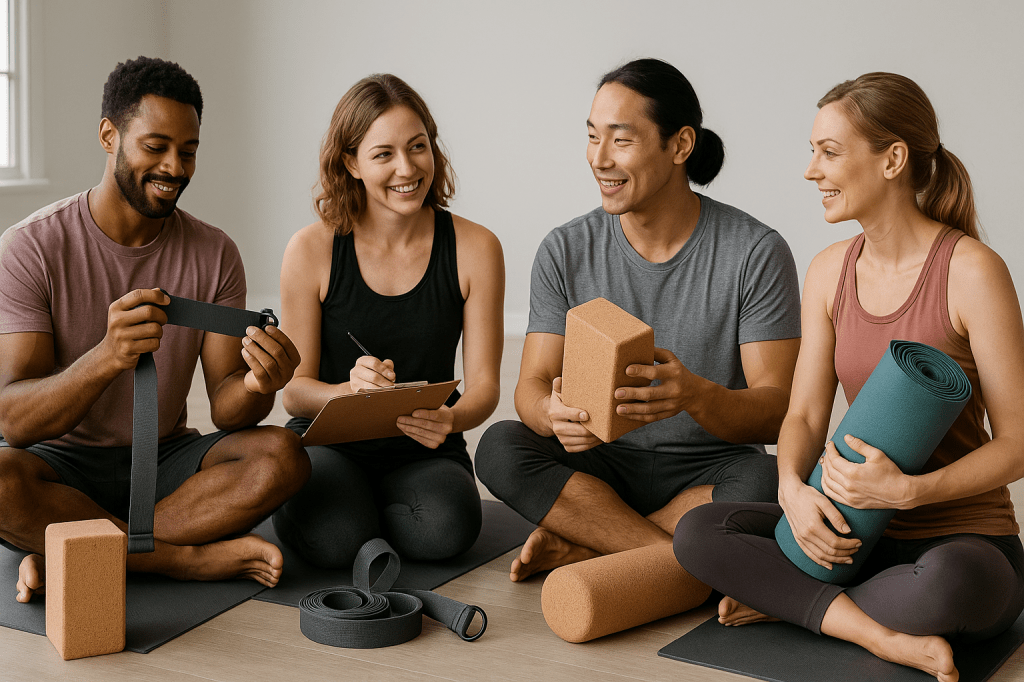
Yoga is a deeply personal and transformative practice. Whether you’re perfecting your Warrior II or just finding time to breathe, the right tools can make all the difference. This guide highlights gym equipment essentials for yogis—complete with reviews, tips, and step-by-step instructions—to help you build a well-rounded, supportive yoga space.

Why Equipment Matters for Your Yoga Practice

The right yoga gear does more than make your setup look good. It offers comfort, support, and structure, helping you move more freely while reducing the risk of injury. With this list, you’ll be able to practice smarter and safer.

  1. Premium Yoga Mat

Purpose: A yoga mat offers a stable, cushioned surface to support comfort and traction during your sessions.

How to Use:

Roll out the mat on a flat surface.

Ensure the grippy or textured side of the mat is facing upward for better traction during your practice.

Use alignment lines (if available) to position hands and feet in poses like Downward Dog.

Suggested: Manduka PRO Yoga Mat – Known for its dense cushioning, it’s ideal for joint support and designed for long-term use.

  1. Yoga Blocks

Purpose: Yoga blocks are useful tools for enhancing stability, improving flexibility, and supporting proper posture during poses.

How to Use:

For hamstring stretches: Place one block under each hand in a forward fold if your hands don’t touch the floor.

For support: Use under your sacrum in Bridge Pose for a supported version.

For seated poses: Use a block to elevate your hips, which can help alleviate strain on your knees and hips.

Suggested: Gaiam Cork Yoga Blocks — Durable, environmentally friendly, and offering a comfortable, natural texture for grip.

  1. Yoga Strap

Purpose: A yoga strap helps you reach farther and hold stretches longer without putting undue strain on your muscles.

How to Use:

Seated Forward Stretch: Sit with your legs extended straight ahead. Wrap the strap around the bottoms of your feet and carefully pull yourself forward, maintaining a long, straight spine.

Shoulder Stretch: Grasp the strap behind your back with both hands and gradually raise it to gently open and stretch your shoulders.

Reclined Leg Stretch: While lying on your back, loop the strap around one foot and slowly raise your leg toward the ceiling, keeping it straight for an effective hamstring stretch.

Recommended: Jade Yoga Strap — Known for its durability and adjustable metal D-rings.

  1. Foam Roller

Purpose: Foam rollers are excellent for muscle recovery, helping to ease tightness and improve blood flow.

How to Use:

To ease tight quadriceps: Lie face down and position the foam roller beneath your thighs. Gently roll from your hips toward your knees to help loosen the muscles.

For back relief: Sit on the floor with the roller positioned behind you. Carefully lean back and move slowly along your spine to massage and relax the muscles.

Pre- or Post-Yoga: Spend 5 to 10 minutes rolling key muscle groups to enhance flexibility and reduce soreness.

Recommended: TriggerPoint GRID Foam Roller — Features a firm, textured surface designed for deep muscle relief.

  1. Meditation Cushion

Purpose: Meditation cushions support correct posture and increase comfort during longer sitting sessions.

How to Use:

Zafu (round cushion): Sit upright near the front edge of the cushion, crossing your legs comfortably before you.

Benefit: Raising the hips slightly tilts the pelvis forward, helping to maintain a natural and upright spinal alignment.

Suggested: Hugger Mugger Zafu & Zabuton Set — Provides sturdy support and includes a removable, washable cover for convenience.

Tips for Choosing Your Yoga Gear

Test materials: When trying out new gear, make sure to check the return policy, especially if you’re unsure about the feel or firmness.

Consider portability: If you often practice at different locations, opt for equipment that’s lightweight and easy to transport.

Research gear & reviews: Reading what fellow yogis have to say can give you valuable insights into a product’s performance and durability.

Stick with essentials first: Begin with a good mat, one block, and a strap—then build out as your practice deepens.

The Benefits of Having the Right Gear

Injury prevention: Props allow you to ease into poses safely.

Improved alignment: You’ll hold better posture without forcing your body.

Enhanced flexibility: Over time, supportive gear can help deepen your range of motion.

Increased consistency: When practice feels better, you’re more likely to return to the mat.

Final Word

The journey of a yogi is unique, but the tools that support it are often shared. Whether you’re seeking balance, flexibility, or peace of mind, these gym equipment must-haves offer exactly that. With trusted gear & reviews to guide your choices, your yoga practice can become not only more accessible—but more powerful.

Remember, it’s not about having everything. It’s about having the right things. Invest in your wellness, take your time exploring what fits, and enjoy the process. Namaste.

Categories
athletes beginners cardio & endurance cycling exercises fat loss Fitness fitness-tips flexibility flexibility & mobility home workout men mobility Muscle Gain recovery & wellness runners strength training stretching women

Cycling vs. Running: Which Is Better for Athletes?

For athletes serious about fitness and performance, cardio & endurance training is non-negotiable. Two of the most effective—and debated—methods are cycling and running. Each offers unique benefits, but the best choice depends on your body, your sport, and your training goals.

Below, we break down the benefits of each and include step-by-step instructions so you can integrate them into your fitness routine effectively.

Running: High-Impact, High-Return

Why athletes use it: Running is a classic way to build cardio endurance, shed fat, and enhance mental resilience.

How to Use Running for Athletic Training

  1. Start with short, slow runs:

Beginner: 2–3 runs per week, 20–30 minutes each.

Focus on easy pace, where you can still hold a conversation.

  1. Build endurance safely:

Increase your distance by no more than 10% per week to avoid injury.

Add one longer run per week for endurance-building.

  1. Add intervals for performance:

1–2x/week, include short sprints (e.g., 30s fast, 90s recovery x 6 rounds).

This improves speed and cardiovascular capacity.

  1. Recovery is key:

Use foam rolling, stretching, and rest days.

Always listen to your body—shin splints and knee pain are early warning signs.

Cycling: Low-Impact Power Builder

Why athletes use it: Cycling builds serious leg strength and cardio fitness with less impact on joints.

How to Use Cycling for Athletic Training

  1. Choose your setup:

Outdoor bike for long rides and natural terrain challenges.

Stationary or spin bike for convenience and interval workouts.

  1. Begin with base rides:

3x/week, 45–60 minutes at a steady, moderate pace.

Keep RPMs (cadence) between 80–100 for efficiency.

  1. Incorporate interval training:

Example: 5 rounds of 1-minute sprint + 2 minutes easy pedaling.

Builds both speed and endurance while staying joint-friendly.

  1. Add resistance:

Use hills or gear tension to simulate climbing.

Great for strength and sport-specific conditioning (e.g., soccer, skiing).

  1. Don’t skip recovery rides:

Easy 30-minute spin sessions on off-days help promote blood flow and aid muscle repair.

Choosing What’s Best for You

Here’s a quick guide to help you decide:

Goal Go With Why
Max calorie burn Running Higher energy output per minute
Joint health Cycling Less impact on knees/ankles
Build mental toughness Running Pushes through physical discomfort
Cross-train or rehab Cycling Safe for injured or sore athletes
Explosive leg strength Cycling Simulates power output sports like sprinting or skating

Tips for Balancing Both in Your Routine

  1. Mix it up:

Alternate running and cycling days to avoid burnout or injury.

  1. Prioritize based on season:

In off-season? Use cycling to maintain endurance with lower impact.

Pre-season? Focus more on running for sport-specific conditioning.

  1. Track progress:

Use a fitness tracker or app to monitor distance, pace, heart rate, and recovery.

  1. Hydrate and fuel properly:

Endurance workouts demand serious nutrition. Don’t neglect pre- and post-training meals.

Final Thoughts

There’s no universal winner between running and cycling—they’re both powerful tools for building cardio & endurance. The smart athlete knows when and how to use each to complement performance, reduce injury risk, and meet specific fitness goals.

Whether you’re sprinting down a track or grinding up a hill on two wheels, the key is consistency, smart programming, and listening to your body.

Categories
Fitness flexibility & mobility Gym home workout mobility nutrition nutrition & meal recovery & wellness strength training stretching women yogis

Daily Mobility Routine to Prevent Injuries in Yogis

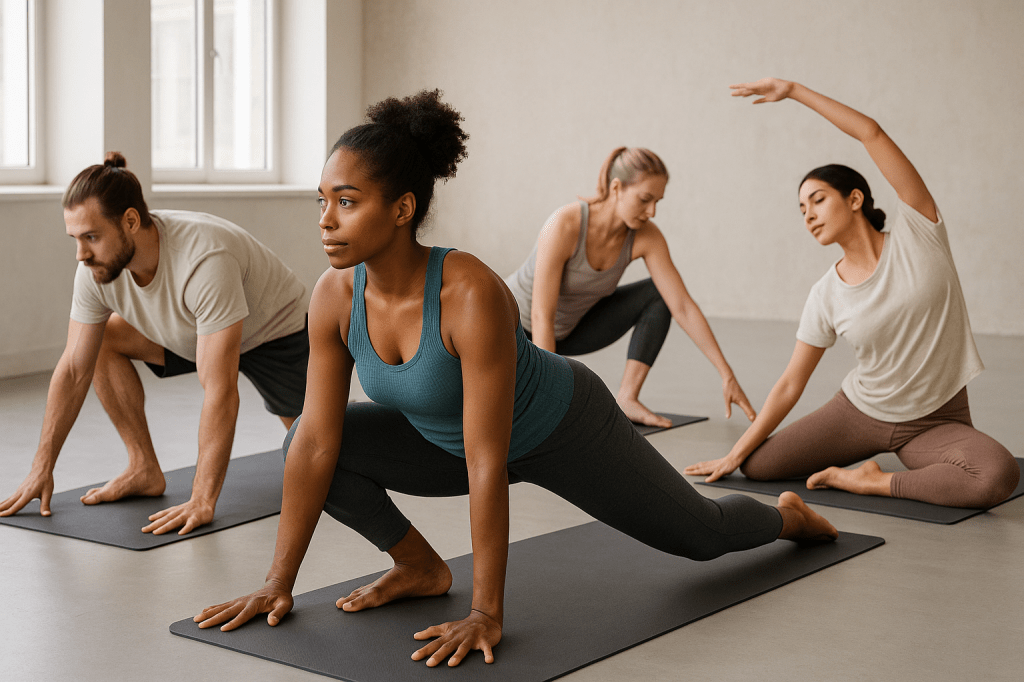
Whether you’re easing into your first downward dog or moving through advanced asanas, the key to a sustainable yoga practice isn’t just flexibility — it’s mobility. This short, effective daily routine supports joint health, reduces injury risk, and enhances your overall movement quality.

What’s the Difference Between Flexibility & Mobility?

Flexibility is how far a muscle can stretch.

Mobility is how well a joint moves under control through that range.

Yoga already boosts flexibility. But when we train mobility, we strengthen those flexible ranges so they’re more resilient — which is critical for preventing injuries.

Your 10-Minute Daily Mobility Routine for Yogis

No equipment needed. Just your body, your breath, and about 10 minutes of focused, mindful movement.

  1. Controlled Shoulder Circles (CARs)

Purpose: Helps unlock the shoulder joint while improving strength and control throughout your range of motion.

Instructions:

Stand or sit tall.

Extend one arm straight out in front of you.

Slowly move it in a full circle overhead and behind, like you’re tracing the biggest circle possible.

Keep the rest of your body still.

Reverse direction after 5 reps.

Reps: 5 slow circles in each direction per arm.

  1. Cat-Cow with Core Engagement

Why: Mobilizes your spine while training breath and core control.

Instructions:

Start on hands and knees.

Inhale: Arch your back, lifting your tailbone and chest (Cow).

Exhale: Gently curve your spine upward, drawing your chin toward your chest and tucking your pelvis under.

Focus on moving one vertebra at a time.

Time: 1 minute of slow, controlled reps.

  1. 90/90 Hip Switches

Why: Opens hips and strengthens rotational movement.

Instructions:

Sit down with both knees bent — position one leg in front of you and the other out to the side, forming roughly 90-degree angles at each knee.

Keep your chest tall.

Carefully twist your hips to move both legs over to the other side, making sure your hands stay lifted off the floor.

Control the motion — avoid rushing.

Reps: 10 switches total (5 per side).

  1. Lunge with Spinal Twist

Why: Stretches hip flexors and thoracic spine — key for many yoga poses.

Instructions:

Step one foot forward into a deep lunge.

Place opposite hand on the floor.

Lift your opposite arm toward the ceiling as you rotate your torso to face your front leg.

Hold 2–3 breaths, then switch.

Reps: 5 reps per side.

  1. Deep Squat Hold with Arm Reaches

Why: Improves ankle, hip, and thoracic mobility.

Instructions:

Stand with feet hip-width apart.

Sink into a deep squat (heels down if possible).

Extend one arm upward as you gently press the opposite elbow against the inside of your knee for support.

Switch arms slowly.

Time: Hold the squat for 1–2 minutes, alternating arm reaches every 20 seconds.

  1. Downward Dog to Plank Rolls

Why: Engages shoulders, spine, and core control through transitions.

Instructions:

Start in Downward Dog.

Roll your spine forward into Plank position, stacking shoulders over wrists.

Roll back into Downward Dog with control.

Avoid collapsing — move smoothly.

Reps: 10 reps total.

  1. Supine Glute Bridge with Knee Pull

Why: Activates glutes, mobilizes hips, and stretches hamstrings.

Instructions:

Position yourself lying on your back, with your knees bent and feet placed about hip-distance apart.

Lift hips into a bridge, then pull one knee toward your chest.

Hold for 2–3 seconds, return foot to floor, repeat on the other side.

Reps: 10 reps each side.

Helpful Tips for Staying Consistent

Pair it with an existing habit (like brushing teeth or before yoga).

Use a timer so you don’t overthink it — just flow.

Stay present. Each rep is a chance to reconnect with your body.

Benefits for Yogis

Reduces injury risk during dynamic flows or deep stretches

Improves joint strength and body control

Supports smoother transitions between poses

Enhances body awareness on and off the mat

Encourages sustainable, long-term movement

Final Thought

Yoga is about more than being flexible — it’s about moving with intention, grace, and control. This mobility routine strengthens the foundation that supports your practice. Add it to your daily rhythm and feel the difference in how you move, stretch, and flow.

Categories
Uncategorized

Macros Explained: How Much Flexibility Do You Need?

You’ve probably heard about macros—short for macronutrients—but do you really know how to use them to fuel your goals and enjoy your meals? Whether you’re prepping meals for the week or trying to stay consistent during a busy schedule, understanding how to balance flexibility with structure is key to making nutrition sustainable.

Here’s your guide to figuring out how much flexibility is right for you, plus practical steps to make it work.

Step 1: Understand What Macros Are

Macronutrients are the three core components of food that provide energy:

Carbohydrates – Quick energy source (e.g., rice, fruit, oats)

Proteins – Essential for muscle repair and growth (e.g., chicken, tofu, eggs)

Fats – Needed for hormones, cell health, and nutrient absorption (e.g., avocado, nuts, olive oil)

Instruction: To begin, look at the nutrition labels on food you eat today. Identify how many grams of carbs, proteins, and fats are in each item.

Step 2: Calculate Your Macros Based on Your Goals

Your macro needs vary depending on your activity level, goals (fat loss, muscle gain, maintenance), and body type.

Instruction:

Use a free macro calculator (try Precision Nutrition, IIFYM, or Cronometer).

Enter your personal details—such as your age, current weight, height, daily activity level, and fitness objective—to get tailored macro recommendations.

Record your daily macro targets.

Example:

Carbs: 200g

Protein: 150g

Fat: 60g

Step 3: Start Tracking Your Macros (Without Getting Stressed)

Flexible eating allows you to enjoy a wide variety of foods, as long as they align with your daily macronutrient goals. That includes both “clean” meals and the occasional treat.

Instruction:

Download an app like MyFitnessPal, Macrofactor, or Lose It!

Log everything you eat for a full day—even snacks and drinks.

Compare your intake to your macro targets.

Adjust your next meal to help you get closer to your daily goals.

Tip: Scan barcodes to make tracking quicker.

Step 4: Meal Prep for Macro Flexibility

Meal prep isn’t about eating the same bland meals—it’s about planning with purpose so you can make better decisions during the week.

Instruction:

Choose 2–3 protein sources, 2 carb sources, and 2 veggie options to prep in bulk.

Portion meals into containers and label them with macro estimates (optional but helpful).

Keep a few “wild card” items (like wraps, sauces, or cheese) on hand for flavor variety.

Example Meal Prep Combo:

Grilled chicken + quinoa + broccoli (400 calories | 35g protein | 30g carbs | 15g fat)

Step 5: Use the 80/20 Rule for Real-Life Flexibility

Achieving results doesn’t require a flawless diet. Following the 80/20 approach allows you to maintain consistency while avoiding overwhelm or burnout.

Instruction:

80% of your meals: Focus on whole foods like lean proteins, veggies, fruits, and whole grains.

20% of your meals: Allow room for foods you enjoy—ice cream, pizza, wine—as long as they fit your macro goals.

Step 6: Adjust and Reflect Weekly

Your macro needs might shift over time—especially if your weight, activity level, or goals change.

Instruction:

Take a few minutes each week to look over your food log and assess your progress.

Ask: “Did I hit my macros most days? Where did I struggle?”

Make small changes: Add more snacks, prep larger portions, or swap ingredients.

Final Thoughts: What’s the Right Level of Flexibility for You?
Flexibility looks different for everyone. If you’re a beginner, tracking every macro might help build awareness. If you’ve been doing this a while, you may prefer a more intuitive approach. There’s no perfect method—just what works best for your lifestyle and fitness journey.

Quick Recap of Instructions
Step Action
1 Read food labels and identify macro content

2 Use a macro calculator to get your targets

3 Track your food using an app

4 Meal prep proteins, carbs, and veggies in advance

5 Follow the 80/20 rule for balance

6 Reflect weekly and adjust as needed

Nutrition & Meal Prep for Flexibility = Empowerment, Not Restriction.
Once you understand macros and give yourself room to enjoy the process, your diet becomes a tool, not a chore. That’s where real, lasting change begins.