Categories
beginners Fitness nutrition & meal snacks workouts

High-Protein Snacks for Beginners Workouts

If you’re new to working out, you’ve likely heard that protein is important—but figuring out how to include it in your day without overcomplicating things can feel confusing. This guide breaks down easy, beginner-friendly high-protein snacks, explains why they matter, and gives you step-by-step instructions to make them at home or prep ahead of time.

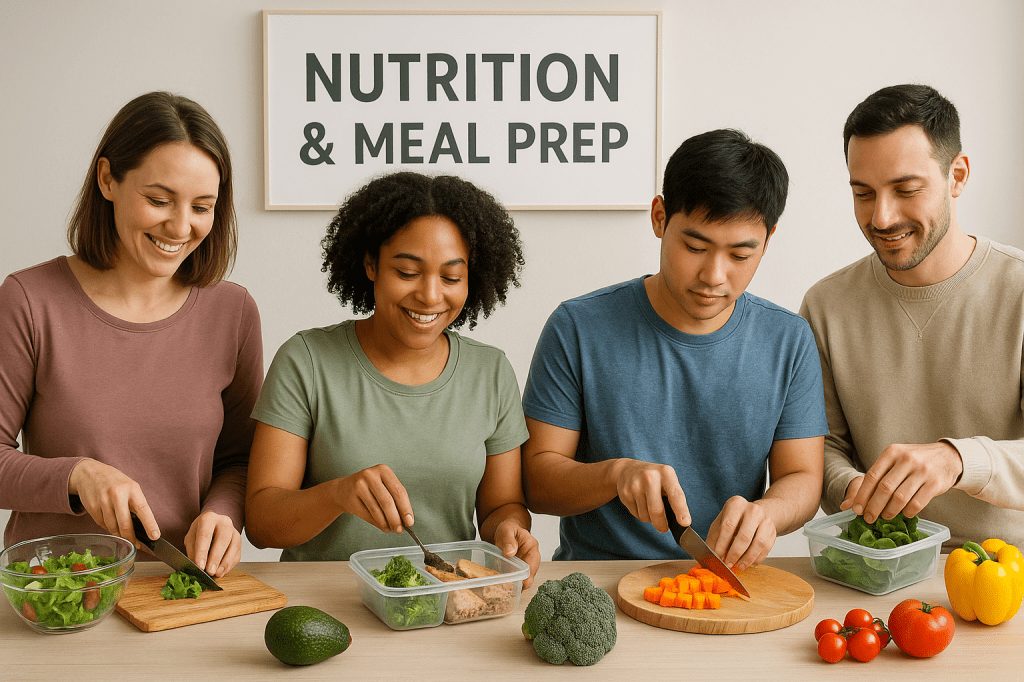
Whether you’re exercising to build strength, lose fat, or improve endurance, your results start in the kitchen—with smart nutrition & meal prep.

Why Protein Matters in Fitness for Beginners

For beginners in fitness, protein plays a major role in:

Repairing and building muscle

Supporting metabolism

Reducing post-workout soreness

Preventing excess hunger later

Snacking on high-protein foods helps you recover from workouts and avoid overeating between meals. Now let’s look at how to prepare some beginner-friendly options.

6 High-Protein Snack Ideas (with Instructions)

  1. Greek Yogurt + Berries

Protein per serving: ~15g

What you need:

1 cup plain Greek yogurt (2% or full-fat)

½ cup mixed berries (fresh or frozen)

Optional: sprinkle of chia seeds or honey

Instructions:

Scoop yogurt into a bowl or container.

Add berries on top.

Stir in chia seeds or drizzle honey if desired.

Store in the fridge or eat immediately.

  1. Boiled Eggs

Protein per egg: ~6g

What you need:

6 large eggs

Salt, pepper, or paprika

Instructions:

Place eggs in a pot, cover with water.

Heat until the water starts boiling, then lower the temperature and let the eggs cook gently for about 9 to 12 minutes.

Transfer to cold water and peel when cooled.

Store in the fridge up to 1 week.

Meal Prep Tip: Boil a batch on Sunday and grab 1–2 each day.

3.Cottage Cheese + Pineapple

Protein per serving: ~14g

What you need:

½ cup cottage cheese (low-fat or full-fat)

¼ cup diced pineapple (fresh or canned in juice)

Instructions:

Spoon cottage cheese into a bowl or container.

Add pineapple chunks on top.

Eat cold—no prep required!

  1. Hummus + Veggie Sticks

Protein per serving: ~6–8g

What you need:

½ cup hummus

1 cup raw veggies (carrots, bell peppers, cucumber, etc.)

Instructions:

Wash and slice your vegetables.

Portion into containers with hummus.

Keep chilled until snack time.

Prep multiple servings at once for the week.

  1. Nut Butter on Rice Cakes

Protein per serving: ~7g

What you need:

1–2 plain rice cakes

2 tbsp natural peanut or almond butter

Optional: banana slices or cinnamon

Instructions:

Spread nut butter evenly across rice cakes.

Top with banana slices or cinnamon if desired.

Eat immediately or prep in advance and wrap.

  1. Tuna Packet with Avocado

Protein per serving: ~18–20g

What you need:

One 3-ounce pouch of tuna packed in either water or olive oil

¼ mashed avocado

Salt, pepper, squeeze of lemon

Instructions:

Open tuna packet and place in a bowl.

Mix in mashed avocado and season to taste.

Pair with whole-grain crackers or wrap in crisp lettuce for a fresh, easy bite.

Ready in 2 minutes and ideal for post-workout protein!

Meal Prep Tips for Beginners

Start small: Pick 2 snacks to prep this week.

Use transparent containers and portion your snacks to keep things tidy and easy to find

Balance is key: Pair protein with fiber or healthy fats.

Don’t overthink it: Keep ingredients simple and affordable.

Benefits of High-Protein Snacking

Supports muscle recovery

Reduces cravings between meals

Improves satiety and energy

Helps regulate blood sugar

Final Thoughts

When you’re starting out, the goal isn’t perfection—it’s consistency. These protein-rich snack options are simple, hassle-free, and perfect for anyone just starting out. By incorporating them into your nutrition & meal prep routine, you’ll build a strong foundation for your fitness journey—one bite at a time.


Categories
Baths exercises Fitness fitness-tips flexibility Gym home workout Meals men Muscle Gain nutrition recovery recovery & wellness strength training Supplements training women

Top Seniors Supplements for Muscle Growth

As we age, maintaining muscle mass becomes increasingly important—not just for strength, but for overall health, mobility, and quality of life. For seniors dedicated to fitness and wellness, nutrition and meal prep play a crucial role in supporting muscle growth and recovery. While a balanced diet is the foundation, certain supplements can provide targeted support to help seniors maintain and even build muscle effectively.

In this article, we’ll explore the top supplements seniors can consider to enhance muscle growth, alongside practical nutrition and meal prep tips tailored to their unique needs—with easy-to-follow instructions.

Why Muscle Growth Matters for Seniors

Muscle loss, or sarcopenia, naturally occurs as part of aging and can lead to weakness, falls, and reduced independence. But with the right combination of exercise, nutrition, and supplements, seniors can slow or even reverse this decline. Supplementing smartly supports recovery, increases muscle protein synthesis, and boosts overall fitness results.

Key Supplements for Seniors Focused on Muscle Growth (With How-To Use)

  1. Protein Powders (Whey, Casein, or Plant-Based)

Protein is vital for muscle growth and recovery.

Yet, many older adults find it difficult to get sufficient protein through their everyday meals.

Tips for adding protein supplements:

Aim to consume between 20 and 30 grams of protein at every meal to help preserve and grow muscle mass.

Consider adding a scoop of protein powder—typically providing around 20 to 25 grams of protein—into smoothies or mixing it with milk or water for convenience.

For best results, consume protein powder within an hour after completing strength training to aid muscle recovery.

If you choose casein protein, taking it before bed can provide a slow and steady release of amino acids during sleep.

Creatine Monohydrate
Creatine is known for its ability to restore energy stores in muscle cells, which helps enhance strength and speed up recovery times.

How to use creatine effectively:

Consume 3 to 5 grams each day, ideally after exercising, combined with water or juice to enhance absorption.

If using casein, take it before bedtime for slow release during sleep.

  1. Creatine Monohydrate

Creatine helps replenish energy in muscle cells, improving strength and recovery.

How to use:

Consume 3 to 5 grams of creatine each day, preferably following your workout, mixed with water or juice for optimal absorption.

There’s no need for a loading phase; consistent daily use is effective.

Drink plenty of water to stay hydrated while supplementing.

  1. Vitamin D

Vitamin D supports muscle function and bone health.

How to use:

Have your vitamin D levels assessed through a medical checkup with your healthcare provider.

Supplement with 1,000 to 2,000 IU daily, or as advised by a healthcare provider.

Take with a meal that contains fat for better absorption.

  1. Omega-3 Fatty Acids

Omega-3s aid muscle recovery and reduce inflammation.

How to use:

Consume a daily dose of 1,000 mg of EPA and DHA combined—be sure to verify the amounts on your supplement’s label.

Choose high-quality fish oil supplements with purity certification.

Consume with meals to improve digestion and absorption.

  1. Branched-Chain Amino Acids (BCAAs)

BCAAs stimulate muscle repair and reduce soreness.

How to use:

Consume 5 to 10 grams of BCAAs either just before or right after exercising.

Mix with water or your favorite beverage.

Use on rest days to aid recovery if needed.

Nutrition & Meal Prep Tips for Seniors Focused on Muscle Health (Step-by-Step)

Step 1: Prioritize Protein

Incorporate a quality protein source into each meal, such as chicken, fish, legumes, dairy, or protein supplements. Measure approximately 3 to 4 ounces of meat or one serving of protein powder using a kitchen scale or measuring tools.

Step 2: Balance Your Plate

Cover half of your plate with a variety of colorful vegetables, dedicate a quarter to lean proteins, and reserve the last quarter for whole grains or complex carbs.

Step 3: Meal Prep for Consistency

Spend one or two days a week preparing meals in bulk. Prepare lean protein dishes and roast a variety of vegetables, then divide the meals into individual containers. Store them in the refrigerator or freezer for convenient, ready-to-eat options throughout the week.

Step 4: Stay Hydrated

Aim for 6-8 glasses of water daily. Carry a reusable water bottle and sip throughout the day.

Step 5: Incorporate Strength Training

Engage in resistance exercises 2-3 times per week, focusing on major muscle groups. Consult a fitness professional for age-appropriate routines.

Final Thoughts

Building and maintaining muscle as a senior isn’t just about staying fit—it’s about preserving independence, boosting confidence, and improving quality of life. The right combination of nutrition, meal prep, fitness, and carefully chosen supplements can make a meaningful difference.

Important: Always consult your healthcare provider before starting new supplements to ensure they fit your health profile.

With thoughtful planning and dedication, seniors can continue to grow stronger and enjoy the benefits of an active lifestyle.

Categories
beginners Fitness recovery & wellness

Cold Showers vs. Ice Baths: What’s Better for Beginners?

If you’re just starting your fitness journey or looking to improve your recovery and wellness routine, you’ve likely heard about the buzz around cold showers and ice baths. Both are popular recovery techniques used by athletes and fitness enthusiasts to reduce muscle soreness, boost circulation, and promote overall well-being. But which is better for beginners? Let’s dive into the benefits, practical tips, and clear instructions on how to safely get started with each method.

Understanding Recovery & Wellness in Fitness
Recovery is an essential part of any fitness routine, especially for beginners. It allows your muscles to repair, reduces inflammation, and helps prevent injury. Wellness goes beyond just physical recovery—it’s about creating habits that enhance your body’s natural ability to heal and recharge. Cold exposure methods like cold showers and ice baths have gained traction because they offer accessible, natural ways to support recovery and improve mental resilience.

Cold Showers: An Easy Start for Beginners
If you’re just beginning to explore cold therapy, starting with cold showers is an excellent and approachable way to ease into it. They’re simple, convenient, and can be integrated easily into your daily routine without special equipment.

Benefits of cold showers for beginners:

Enhanced Blood Flow: Exposure to cold water prompts your blood vessels to tighten, followed by expansion as your body warms, which helps stimulate healthier circulation.

Mood Boost: Cold showers can trigger the release of endorphins, helping reduce stress and increase alertness.

Mild Muscle Relief: Taking cold showers can soothe post-workout muscle aches and decrease inflammation for a quicker recovery.

How to take a cold shower safely as a beginner:

Begin with warmth: Kick off your shower using water at a pleasantly warm temperature.

Gradually Cool Down: Slowly lower the temperature over 1–2 minutes until the water feels cold but tolerable.

Focus on Breathing: Take slow, deep breaths to stay calm and reduce the shock of cold water.

Recommended Duration: Begin with 30 seconds to 2 minutes of cold water to gently ease your body into the experience.

Goal is to practice this routine 3 to 4 times a week to boost your tolerance and enhance your recovery.

Ice Baths: A Powerful Recovery Tool with Caution
An ice bath involves sitting in a tub of cold, icy water, typically kept between 50 and 59°F (10 to 15°C), to boost muscle recovery and reduce inflammation. They are more intense but offer deeper recovery benefits.

Benefits of ice baths:

Effective Inflammation Reduction: Immersing yourself in cold water is a highly efficient method for easing muscle inflammation.

Relieves Muscle Discomfort: Ice baths can significantly reduce the ache and stiffness that come with delayed onset muscle soreness (DOMS).

Builds Mental Strength: Withstanding the cold water challenge fosters greater discipline and enhances mental toughness.

Getting Started with Ice Baths Safely:
Start by filling your bathtub with cold water, then slowly add ice until the temperature settles around 50–59°F (10–15°C).

Getting Started: Limit your first few ice baths to just 3 to 5 minutes to let your body slowly get used to the cold temperatures without overdoing it.

Enter Slowly: Ease into the bath gradually to let your body adjust.

Stay Calm and Breathe: Focus on slow, controlled breathing to manage the cold shock.

Exit Carefully: When time’s up, get out slowly and dry off immediately. Warm up gradually afterward, avoiding hot showers right away.

Frequency: Limit ice baths to 1–2 times per week initially.

Caution: If you experience heart issues or circulatory concerns, be sure to speak with your healthcare professional before attempting ice baths.

Which is Better for Beginners?
Cold showers are usually the safer, more manageable starting point. They offer many recovery and wellness benefits without the intense shock of full immersion. Once you’ve developed some tolerance, ice baths can offer deeper recovery benefits and may become a more suitable option.

Final Thoughts
Both cold showers and ice baths play important roles in recovery and wellness for beginners and experienced athletes alike. Starting with cold showers helps ease your body into cold therapy, while ice baths can amplify recovery and build mental strength when used correctly.

Always listen to your body, start slow, and find what works best on your fitness and wellness journey.