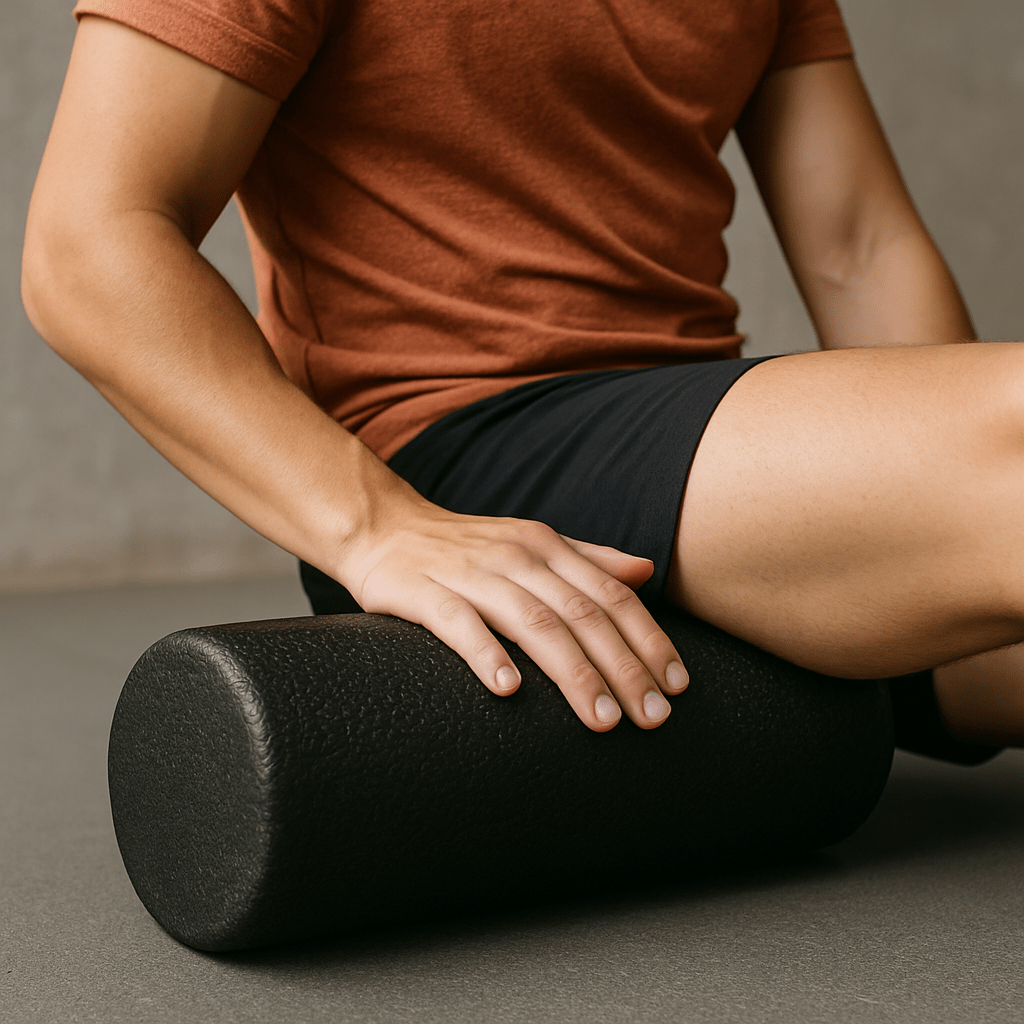
No matter if you’re a longtime athlete or starting your fitness journey, sore muscles can easily throw off your momentum and hinder your progress. Enter foam rolling: an incredibly simple, affordable, and effective tool for muscle recovery that’s often overlooked. This foam rolling guide will walk you through the what, why, and how—so you can bounce back faster and feel better post-workout.
What Is Foam Rolling?
Foam rolling is a self-massage method known as self-myofascial release (SMR) that focuses on loosening tight or knotted muscles to ease tension and boost flexibility. Using a foam roller—a firm cylindrical tool—you apply controlled pressure to specific muscle groups, helping to break up adhesions in the fascia (the connective tissue surrounding muscles).
Why Foam Rolling Matters for Muscle Recovery
When we exercise, especially during resistance training or high-intensity intervals, we create microscopic damage in our muscle fibers. That’s what leads to soreness, stiffness, and that sluggish “day-after-leg-day” feeling. While soreness is a normal part of building strength, recovery is where the real gains happen.
Foam rolling aids muscle recovery by:
Increasing blood flow to sore areas
Reducing inflammation
Loosening tight muscles
Enhancing flexibility and range of motion
Preventing long-term injury or muscle imbalances
How to Foam Roll: A Step-by-Step Breakdown
Pick the Right Roller:
Beginners should start with a softer roller. More advanced users may opt for firmer or textured options for deeper pressure.
Target Sore Muscle Groups:
Common spots include quads, hamstrings, calves, glutes, IT band, and upper back.
Apply Slow, Steady Pressure:
Roll over the muscle slowly—about 1 inch per second—and pause over tender spots for 20–30 seconds.
Don’t Roll Over Joints or Bones:
Avoid areas like your spine or knees. Focus on soft tissue only.
Breathe and Relax:
Holding your breath tenses the body. Breathe deeply and allow your muscles to melt into the pressure.
When and How Often to Foam Roll
Before a workout: Helps activate muscles and improve movement efficiency.
Post-exercise: Helps eliminate lactic acid buildup and speeds up the healing process.
During rest days: Maintains muscle flexibility and mobility, promoting better overall function.
Even just 10–15 minutes a few times per week can make a noticeable difference in how your body feels and performs.
Tips for Best Results
Stay hydrated—foam rolling works best when your muscles are well-hydrated.
Be consistent. Like any practice, results come with regular use.
If something feels sharp or causes shooting pain, stop. Foam rolling should be intense but not unbearable.
Final Thoughts
Foam rolling isn’t just a trend—it’s a science-backed, accessible way to keep your body functioning at its best. Whether you’re training for a marathon or just trying to stay active, this simple tool could be the secret to faster recovery, fewer injuries, and stronger performance.
Use this foam rolling guide as your go-to resource anytime your muscles start complaining. Your future, pain-free self will thank you.
 Fitness Guide