Categories
Fitness home workout Meals nutrition

Budget-Friendly Meals for Home Workouts Nutrition

If you’re dedicated to home workouts but don’t want to break the bank on your nutrition plan, you’re not alone. A solid fitness routine doesn’t have to come with a hefty grocery bill. With the right strategies, you can fuel your body efficiently, support muscle recovery, and stay on track with your goals—all without overspending.

Whether you’re into strength training, cardio, or full-body circuits, what you eat is just as important as how you move. Here’s how to make smart, cost-effective choices when it comes to nutrition & meal prep for your home workouts.

Why Nutrition Matters for Home Workouts
When working out at home, it’s easy to overlook the importance of pre- and post-workout nutrition. But whether you’re pushing through a HIIT session in your living room or doing yoga in your backyard, your body needs the right fuel to perform and recover.

Key benefits of good nutrition during home workouts:

Sustains energy levels

Supports muscle growth and repair

Enhances performance and endurance

Aids in recovery and reduces soreness

Budget-Friendly Nutrition Tips

  1. Plan Your Meals Ahead
    Meal prepping is a powerful tool to control costs and avoid food waste. Take a few hours each week to cook in batches, portion your meals, and store them for easy access.
  2. Choose Whole, Affordable Ingredients
    Staples like oats, brown rice, lentils, eggs, and frozen vegetables offer nutritional value without the price tag. Choose ingredients that can easily fit into a variety of dishes throughout the week.
  3. Use Protein Smartly
    Protein is crucial for muscle recovery, but it doesn’t have to be expensive. Canned tuna, Greek yogurt, chickpeas, and peanut butter are all affordable options.
  4. Embrace the Power of Leftovers
    Don’t shy away from repeating meals or reusing ingredients. Yesterday’s baked chicken can be today’s protein-packed salad or wrap.
  5. Hydration Still Counts
    Water is free and underrated. Stay hydrated to support digestion and recovery, especially when you’re working out at home where it’s easy to forget.

Sample Meal Prep Ideas
Before your workout, try a slice of banana topped with peanut butter or enjoy a warm bowl of oats mixed with fresh berries.

Post-Workout: Scrambled eggs with sweet potato and spinach, or a tuna and quinoa salad

For snacks, go with crunchy roasted chickpeas, hard-boiled eggs, or blend up a protein-packed smoothie at home.

Final Thoughts
Smart meal prep and intentional nutrition don’t have to strain your wallet. With a little planning and a focus on nutrient-dense, affordable foods, your home workouts can be just as effective as any gym session—without the cost.

Staying healthy shouldn’t be expensive. With these tips, your meals will work as hard as you do.
Categories
Fitness recovery runners

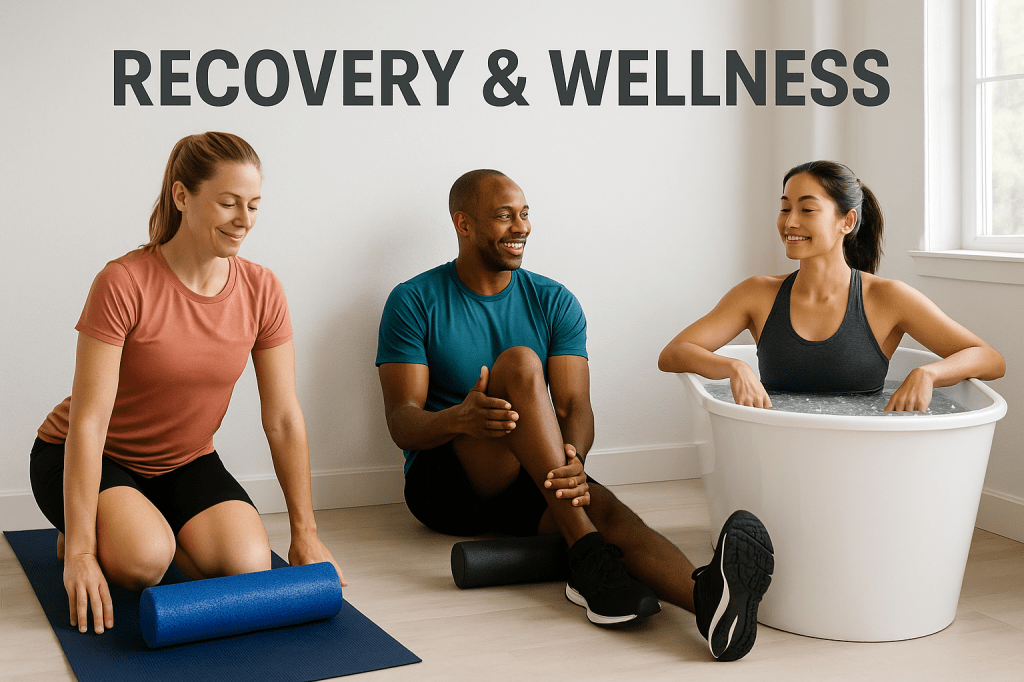
Cold Showers vs. Ice Baths: What’s Better for Runners?

When it comes to recovery & wellness, runners are constantly seeking ways to bounce back faster, reduce soreness, and maintain peak performance. Cold showers and ice baths often spark debate among athletes looking to optimize their recovery routines. Both methods use cold exposure to support muscle recovery—but are they created equal? Let’s break it down.

Why Cold Exposure Matters for Runners
After a long run or intense training session, muscles are inflamed, micro-tears are healing, and your nervous system is fatigued. This is where cold exposure comes in. It constricts blood vessels, reduces swelling, and helps flush out metabolic waste. Whether you’re a weekend warrior or a marathon regular, proper recovery techniques are non-negotiable if you want to stay consistent in your training.

Cold Showers: Quick, Convenient, and Gentle
For many runners, cold showers are a practical way to incorporate cold therapy into their daily routine without too much fuss. Here’s what they offer:

Accessibility: No setup required—just step into your bathroom.

Shorter exposure: A 5-minute cold rinse post-run can refresh you without the shock of full-body immersion.

Mental benefits: Cold showers also offer a unique mental “reset,” waking you up and helping you adapt to stress.

Best for: Everyday recovery, early-stage cold therapy, and those short on time or new to cold exposure.

Ice Baths: Intense, Immersive Recovery
On the other end of the spectrum, ice baths offer a deeper, more intense recovery experience. Here’s why many elite runners swear by them:

Reduces inflammation more aggressively: The full-body immersion targets the legs, hips, and core—all of which take a pounding during runs.

Longer-lasting effects: Post-ice bath recovery can feel more substantial, especially after races or long mileage days.

Customizable: Athletes often combine ice baths with contrast therapy (hot/cold switching) for even greater benefits.

Best for: Post-race recovery, long runs, injury prevention, and serious fitness routines.

Which One Should You Choose?
What works best will ultimately come down to how much you train, your schedule, and what feels right for your body. For runners putting in serious mileage or gearing up for a race, ice baths offer a powerful way to help the body recover more completely. But for daily recovery and consistent maintenance, cold showers are an easy, sustainable habit.

Some runners even use both—ice baths after key sessions and cold showers on lighter days.

Final Thoughts
Recovery and wellness aren’t one-dimensional—what works best varies from person to person. The key is listening to your body and finding what helps you stay consistent, injury-free, and motivated. Whether you go for a brisk cold shower or take the plunge in an ice bath, both tools can be game-changers in your fitness journey.

Categories
Dinner Fitness

5 Morning Stretches to Boost Your Energy

Beginning your morning with a burst of energy and improved flexibility lays the foundation for a productive and healthy day. Incorporating just a few simple morning stretches into your routine can make a remarkable difference in how you feel throughout the day. Whether you’re working from home or heading out to the office, these five stretches are designed to wake up your body, boost energy, and improve flexibility.

  1. Cat-Cow Stretch
    This gentle flow between two poses helps awaken your spine and release tension in your back. Begin on all fours, taking a deep breath in as you dip your spine downward, raising your head and tailbone. Exhale as you curve your back upward, tucking your chin and pelvis toward each other. Repeat for 5-7 breaths. This exercise improves spinal flexibility and increases circulation, giving you a natural boost of energy and alertness.
  2. Standing Forward Bend
    Stand tall, inhale deeply, and fold forward at the hips, allowing your head and arms to drop naturally toward the ground. Soften your knees slightly if needed. This stretch helps release tightness in your hamstrings and lower back, enhancing flexibility while calming your mind. Hold for 20-30 seconds, breathing deeply.
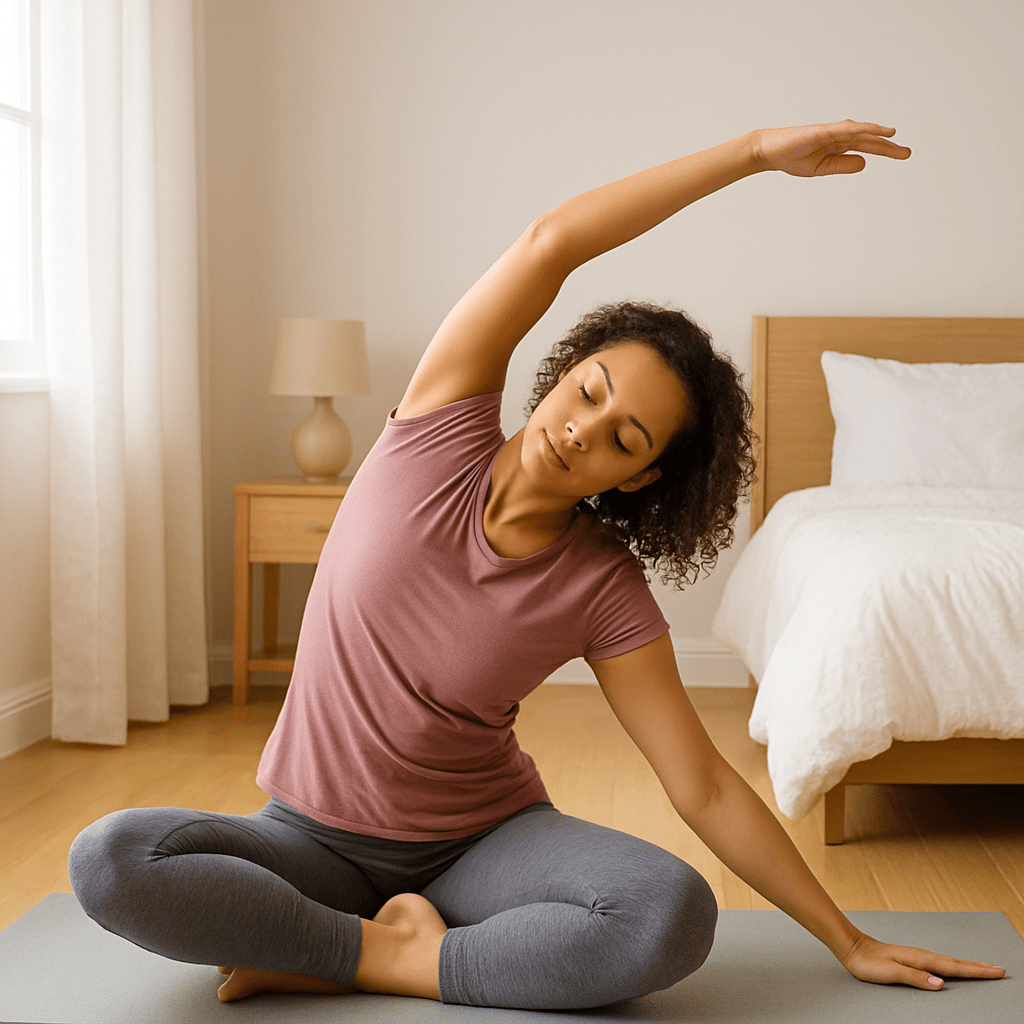
  3. Side Stretch
    Reach both arms overhead, interlace your fingers, and gently lean to one side. Hold the stretch for 15-20 seconds before switching sides. This move lengthens the muscles along your ribs and sides, opening up your torso and boosting lung capacity — perfect for enhancing energy flow.
  4. Chest Opener
    Interlock your fingers behind you and slowly raise your chest, drawing your shoulder blades toward each other. This posture counters the effects of slouching, opening the chest and improving posture. Hold for 20 seconds and breathe deeply to increase oxygen intake and revitalize your body.
  5. Neck Rolls
    Slowly roll your head in a circle, loosening up your neck muscles. Do this clockwise and counterclockwise for about 10 seconds each. This helps release tension accumulated overnight and increases blood flow to the head, helping you feel more awake and focused.

Why Morning Stretches Matter
These morning stretches don’t just improve flexibility — they actively boost energy by increasing blood flow and oxygen circulation. When your muscles are loose and your body feels open, it’s easier to stay alert and maintain focus all day long. Plus, taking a few moments for yourself sets a positive tone, reinforcing a mindful and healthy start to your routine.

Try incorporating these simple moves tomorrow morning. It takes just five to ten minutes, but the boost in energy and flexibility can last well beyond the stretch.

Categories
Fitness Uncategorized

Ultimate Guide to Foam Rolling for Sore Muscles

No matter if you’re a longtime athlete or starting your fitness journey, sore muscles can easily throw off your momentum and hinder your progress. Enter foam rolling: an incredibly simple, affordable, and effective tool for muscle recovery that’s often overlooked. This foam rolling guide will walk you through the what, why, and how—so you can bounce back faster and feel better post-workout.

What Is Foam Rolling?
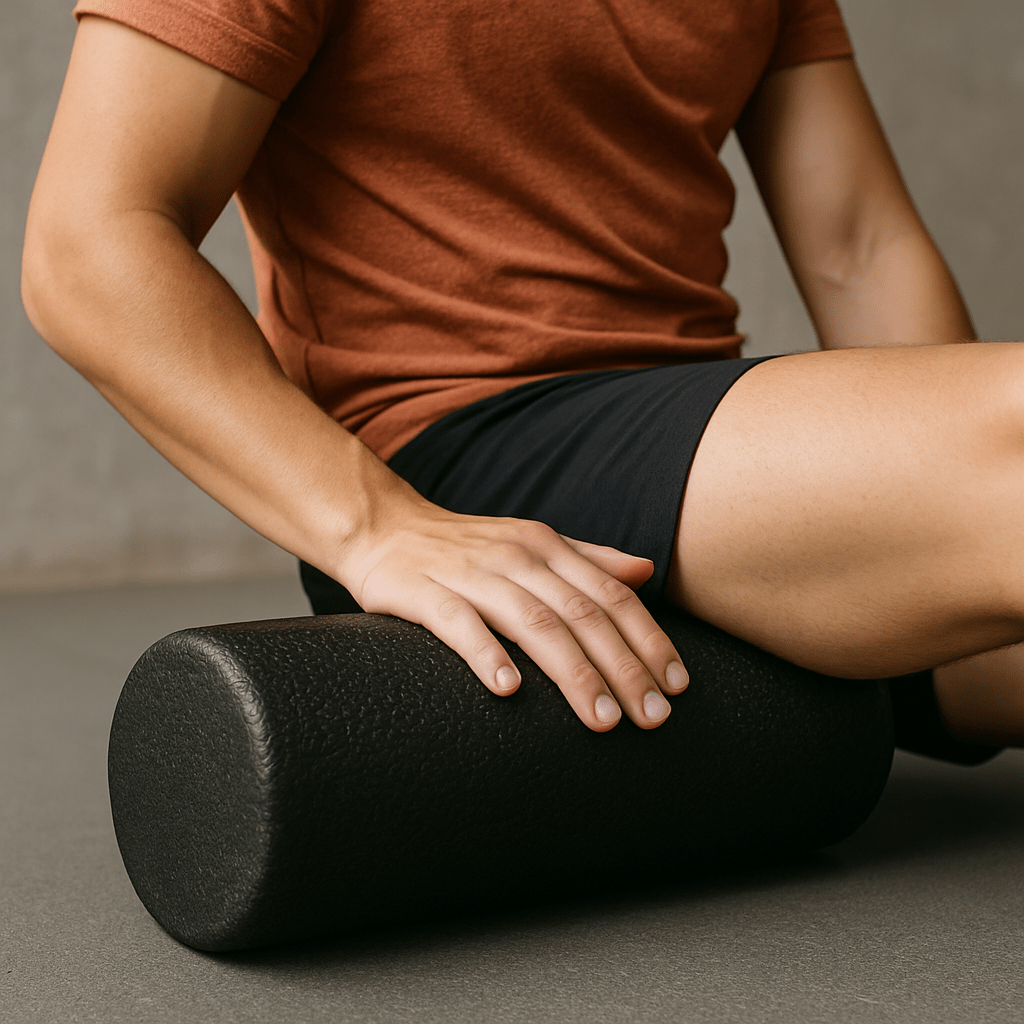
Foam rolling is a self-massage method known as self-myofascial release (SMR) that focuses on loosening tight or knotted muscles to ease tension and boost flexibility. Using a foam roller—a firm cylindrical tool—you apply controlled pressure to specific muscle groups, helping to break up adhesions in the fascia (the connective tissue surrounding muscles).

Why Foam Rolling Matters for Muscle Recovery
When we exercise, especially during resistance training or high-intensity intervals, we create microscopic damage in our muscle fibers. That’s what leads to soreness, stiffness, and that sluggish “day-after-leg-day” feeling. While soreness is a normal part of building strength, recovery is where the real gains happen.

Foam rolling aids muscle recovery by:

Increasing blood flow to sore areas

Reducing inflammation

Loosening tight muscles

Enhancing flexibility and range of motion

Preventing long-term injury or muscle imbalances

How to Foam Roll: A Step-by-Step Breakdown
Pick the Right Roller:
Beginners should start with a softer roller. More advanced users may opt for firmer or textured options for deeper pressure.

Target Sore Muscle Groups:
Common spots include quads, hamstrings, calves, glutes, IT band, and upper back.

Apply Slow, Steady Pressure:
Roll over the muscle slowly—about 1 inch per second—and pause over tender spots for 20–30 seconds.

Don’t Roll Over Joints or Bones:
Avoid areas like your spine or knees. Focus on soft tissue only.

Breathe and Relax:
Holding your breath tenses the body. Breathe deeply and allow your muscles to melt into the pressure.

When and How Often to Foam Roll
Before a workout: Helps activate muscles and improve movement efficiency.

Post-exercise: Helps eliminate lactic acid buildup and speeds up the healing process.

During rest days: Maintains muscle flexibility and mobility, promoting better overall function.

Even just 10–15 minutes a few times per week can make a noticeable difference in how your body feels and performs.

Tips for Best Results
Stay hydrated—foam rolling works best when your muscles are well-hydrated.

Be consistent. Like any practice, results come with regular use.

If something feels sharp or causes shooting pain, stop. Foam rolling should be intense but not unbearable.

Final Thoughts
Foam rolling isn’t just a trend—it’s a science-backed, accessible way to keep your body functioning at its best. Whether you’re training for a marathon or just trying to stay active, this simple tool could be the secret to faster recovery, fewer injuries, and stronger performance.

Use this foam rolling guide as your go-to resource anytime your muscles start complaining. Your future, pain-free self will thank you.

Categories
Fitness Uncategorized

HIIT vs. Steady-State Cardio: Which Is Right for You?

When it comes to getting in shape, two of the most popular approaches are High-Intensity Interval Training (HIIT) and steady-state cardio. The real question is: which one aligns with your needs and goals? It all comes down to what you’re aiming for, how you live, and what you enjoy. Let’s break down the pros, cons, and use-cases in this cardio comparison.

What Is HIIT?
HIIT consists of quick, high-intensity workouts paired with short rest intervals. For example, sprinting for 30 seconds and walking for 1 minute — repeated in cycles for 15–30 minutes.

Benefits of HIIT:

Time-efficient: Ideal for busy schedules — you can burn calories in half the time.

Boosts metabolism: HIIT increases post-exercise calorie burn (the “afterburn effect”).

Improves anaerobic capacity: Great for athletes or anyone training for speed and power.

Drawbacks of HIIT:

Higher risk of injury: The intensity can be hard on joints and muscles if not done correctly.

Best suited for experienced individuals, as it calls for proper form and decent conditioning.

What Is Steady-State Cardio?
This form of cardio focuses on sustaining a uniform level of effort, typically through activities such as cycling, running, or swimming at a moderate pace.

Benefits of Steady-State:

Easier to sustain: Great for beginners or those who enjoy longer workouts.

Lower risk of injury: Less stressful on joints and muscles.

Clear-headed and calm: This type of cardio can ease stress and create a peaceful, focused mindset.

Drawbacks of Steady-State:

Time-consuming: You’ll need longer sessions to match HIIT’s calorie burn.

Plateau potential: Your body can adapt over time, reducing its effectiveness without variation.

Which One Is Right for You?
It comes down to your personal goals and lifestyle:

Goal Better Option
Fat loss with limited time HIIT
Improving endurance Steady-Cardio
Beginner to fitness Steady-Cardio
Maximizing calorie burn fast HIIT
Reducing stress Steady-Cardio

Some people blend both into their weekly routine — for example, HIIT two days a week and steady-state on alternate days. This balance can prevent burnout and promote well-rounded fitness.

Final Thoughts
In the HIIT vs steady-state debate, there’s no clear winner — only what works best for your body, goals, and schedule. If you’re short on time and want fast results, HIIT might be your match. If you enjoy longer workouts and a more relaxed pace, steady-state cardio could be your go-to. Or, try both and let your body decide.

Categories
Fitness

Top 10 Bodyweight Exercises You Can Do Anywhere

Whether you’re short on time, traveling, or simply prefer to train at home, bodyweight exercises offer a powerful, no-fuss way to stay fit. With no equipment required, these movements use your own weight for resistance, helping you build strength, improve mobility, and boost cardiovascular health—anytime, anywhere.

Here are 10 of the best bodyweight exercises you can weave into your home workout routine—no equipment necessary.

  1. Push-Ups
    A timeless classic. Push-ups target your chest, shoulders, triceps, and core. Change your hand placement or raise your feet to increase or decrease the challenge

Pro tip: Maintain a straight line from your head to your heels, and be sure your hips don’t dip or lift too high.

  1. Squats
    Squats are foundational for leg and glute strength. These movements also strengthen your core and support improved balance and alignment.

Jump squats are a great way to dial up the intensity and elevate your heart rate.

  1. Plank
    This full-body isometric move fires up your core, glutes, shoulders, and even your legs.

Goal: Start with 30 seconds and work up to 1–2 minutes over time.

  1. Lunges
    Lunges challenge your lower body and require balance, making them a great functional movement.

Try This: Forward, reverse, or walking lunges to target different muscle groups.

  1. Burpees
    Love them or hate them, burpees are a powerhouse full-body move that combines strength and cardio.

Why It Works: It boosts endurance while hitting nearly every major muscle group.

  1. Mountain Climbers
    These are essentially a moving plank that adds cardio to your core work. Fast-paced and effective.

Bonus: Great for raising your heart rate in a short time.

  1. Glute Bridges
    This floor-based move targets the posterior chain, especially your glutes and hamstrings.

Quick tip: For the best results, actively tighten your glutes at the peak of the movement.

  1. Triceps Dips (Using a Chair or Bench)
    If you have access to a sturdy surface, triceps dips are fantastic for targeting the backs of your arms.

No Chair? Try crab walks or reverse planks for a similar burn.

  1. Wall Sit
    A leg burner that challenges your endurance. A sturdy wall and a bit of determination are all it takes.

Add a Twist: Pulse or hold light objects to increase difficulty.

  1. High Knees
    A cardio-centric move that gets your heart pumping and works your lower body.

Use It For: Quick bursts between strength sets to keep your heart rate elevated.

Final Thoughts
Whether you’re new to fitness or looking to switch things up, these no equipment bodyweight exercises can be adapted for any fitness level. You can combine a few into a circuit or focus on specific muscle groups based on your goals. The best part? You can do them literally anywhere—your living room, a hotel room, a park, or even your office.

No gym? No problem.

Categories
Fitness

How to Track Macros: A Beginner’s Guide

Ever notice how some people reach their fitness goals with ease? Chances are, they’re tracking their macros closely. Tracking macros — short for macronutrients — can help you better understand what you’re eating and how it affects your body. From muscle gain to weight loss or simply learning to eat more consciously, this beginner’s guide will help you get started.

What Are Macros, Anyway?
Macros are the primary nutrients responsible for delivering energy to your system.

Protein: Supports muscle growth, repair, and immune function.

Carbohydrates: Your body’s primary energy source.

Your body depends on fats to manage hormone production, boost cognitive abilities, and take in fat-soluble nutrients.

Each macro has a calorie value:

Protein = 4 calories per gram

Carbs = 4 calories per gram

Fat = 9 calories per gram

Learning to handle your macros effectively lets you fine-tune your meals to support your personal health and fitness targets.

Why Track Macros Instead of Just Counting Calories?
Eating 500 calories from a balanced meal of chicken and vegetables nourishes your body in a way that candy simply doesn’t.

Macro tracking adds context. It helps you:

Maintain lean muscle while losing fat

Improve workout recovery

Understand how different foods impact your body and energy levels

Step-by-Step: How to Start Tracking Macros

  1. Determine Your Macro Goals
    Start by figuring out how many grams of each macro you need daily. This depends on your:

Age

Weight

Activity level

Fitness goals (lose fat, build muscle, maintain weight)

You can use free macro calculators online to get a personalized estimate, or consult a nutritionist for a more tailored plan.

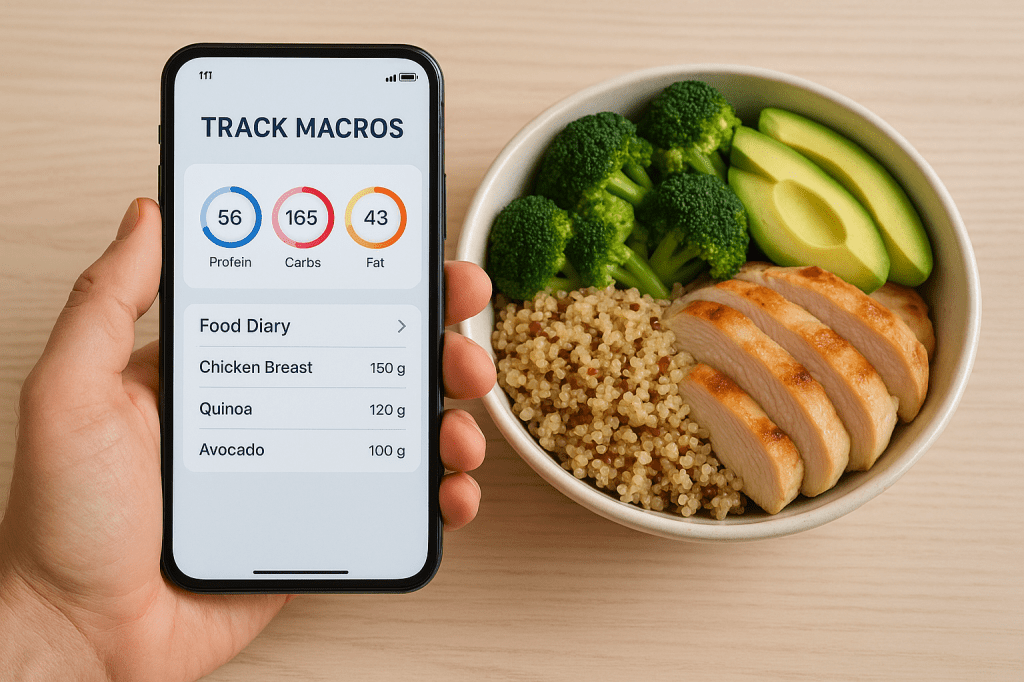
  1. Use a Tracking App
    Apps like MyFitnessPal, Cronometer, or Macros+ make tracking easy. Simply log what you eat, and the app breaks down the macros for you.
  2. Learn to Read Food Labels
    Understanding nutrition labels helps you track macros even when you’re not using an app. Pay attention to:

Serving size

Grams of protein, carbs, and fats per serving

Added sugars and fiber (especially in carb content)

  1. Weigh and Measure Your Food (At Least Initially)
    In the beginning, use a food scale to get an accurate idea of portion sizes. You don’t need to do this forever — just long enough to build awareness.
  2. Stay Flexible, Not Obsessed
    Macro tracking isn’t about perfection — it’s about progress. Aim for consistency, not rigid rules. If you’re within 5–10 grams of your target for each macro by the end of the day, you’re doing great.

Tips for Beginners
Meal prep to simplify your day and reduce guesswork

Focus on whole foods — lean proteins, whole grains, healthy fats

Don’t forget fiber and water intake — they play a big role in digestion and satiety

Pre-tracking meals gives you a clearer picture of your intake and helps you make smarter choices.

Final Thoughts
It may seem overwhelming at first, but tracking macros quickly becomes a routine part of your day. Think of it as learning a new language — the language of your body’s nutrition. By tuning in and understanding what fuels you best, you’ll be more empowered to make choices that support your goals and your health.

So go ahead — download a tracker, log your first meal, and start your journey into macros tracking today. Your future self will thank you.

Categories
Fitness

5 Morning Stretches to Boost Your Energy

Mornings can be rough—we’ve all hit snooze more than once. But a few intentional minutes of stretching right after you wake up can be a total game-changer. These morning stretches aren’t just about flexibility; they’re your secret weapon to boost energy, improve circulation, and gently wake up your body and mind.

Let’s dive into five simple, effective stretches you can do in under 10 minutes.

  1. Cat-Cow Stretch
    A staple yoga move to awaken your spine and get your core engaged.

How to do it:

Begin in a tabletop position with your hands aligned beneath your shoulders and your knees directly below your hips.

As you breathe in, gently curve your spine downward and open your chest toward the front (Cow Pose).

On the exhale, draw your belly in, round your spine upward, and gently tuck your chin and tailbone (Cat Pose).

Flow gently for 5–8 breaths.

Why it works:
This stretch relieves tension in your neck, shoulders, and back while increasing spinal flexibility.

  1. Standing Forward Fold
    Perfect for releasing tight hamstrings and calming your nervous system.

How to do it:

Stand tall with feet hip-width apart.

Bend at the hips and allow your upper body to relax downward, with your arms and head hanging freely.

Bend your knees slightly if needed.

Stay here for 30–60 seconds, breathing slowly.

Why it works:
It lengthens the spine, stretches the back of your legs, and improves circulation to your head.

  1. Seated Spinal Twist
    A gentle detoxifying twist that massages your organs and stretches your spine.

How to do it:

Sit with your legs extended.

Cross your right leg over the left, placing your foot outside your left knee.

Place your right hand behind you, left elbow on your right knee.

Gently twist to the right.

Hold for 5 deep breaths, then switch sides.

Why it works:
It supports digestion and relieves stiffness in your lower back.

  1. Downward Dog
    An energizing full-body stretch to reset your posture and get your blood flowing.

How to do it:

Starting on your hands and knees, raise your hips toward the ceiling to form an upside-down V position.

Keep your knees slightly bent if needed and heels reaching toward the floor.

Press into your hands and lengthen through your spine.

Hold for 5–7 breaths.

Why it works:
This position engages and lengthens your shoulders, spine, calves, and hamstrings, while also giving your nervous system a gentle, energizing boost.

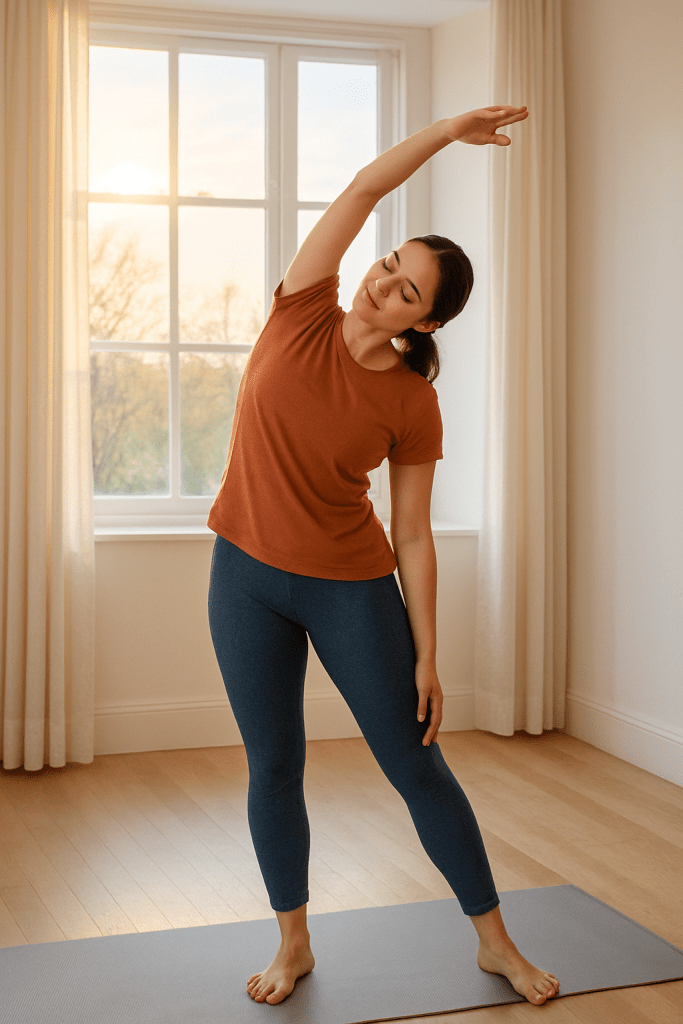
  1. Side Stretch
    It may not get much attention, but this stretch is highly effective for expanding the chest and extending the length of your upper body.

How to do it:

Stand or sit tall.

Extend your right arm upward, then slowly tilt your torso to the left for a gentle side bend.

Keep your chest open and core engaged.

Hold for 3–5 breaths and switch sides.

Why it works:
Side stretches increase flexibility in your torso and improve your breathing capacity.

Final Thoughts

You don’t need a 60-minute workout to feel good in the morning. Just five minutes of these morning stretches can shift your energy, improve flexibility, and set a positive tone for the day.

So before you scroll through your phone or rush into your routine, take a moment. Stretch, breathe, and give your body the fresh start it deserves.