Categories
exercises Fitness men Muscle Gain strength training

Build Muscle with These Muscle Gain Compound Exercises

Building muscle isn’t just about lifting heavy—it’s about lifting smart. If you’re looking to increase muscle mass, improve overall fitness, and build lasting strength, compound exercises should be at the core of your workout routine.

These multi-joint movements engage multiple muscle groups at once, making them highly efficient for muscle gain and strength training. Whether you’re just starting out or looking to refine your program, here’s a guide to the best compound exercises and how to perform them correctly for maximum results.

Why Compound Exercises?
Compound exercises trigger greater hormonal responses (like testosterone and growth hormone), which are essential for hypertrophy (muscle growth). They also mirror natural body movements, promoting functional strength and minimizing imbalances.

Benefits:

Recruit more muscle fibers per lift

Improve coordination and balance

Burn more calories per session

Enhance total-body strength and fitness

Top Compound Exercises for Muscle Gain with Instructions
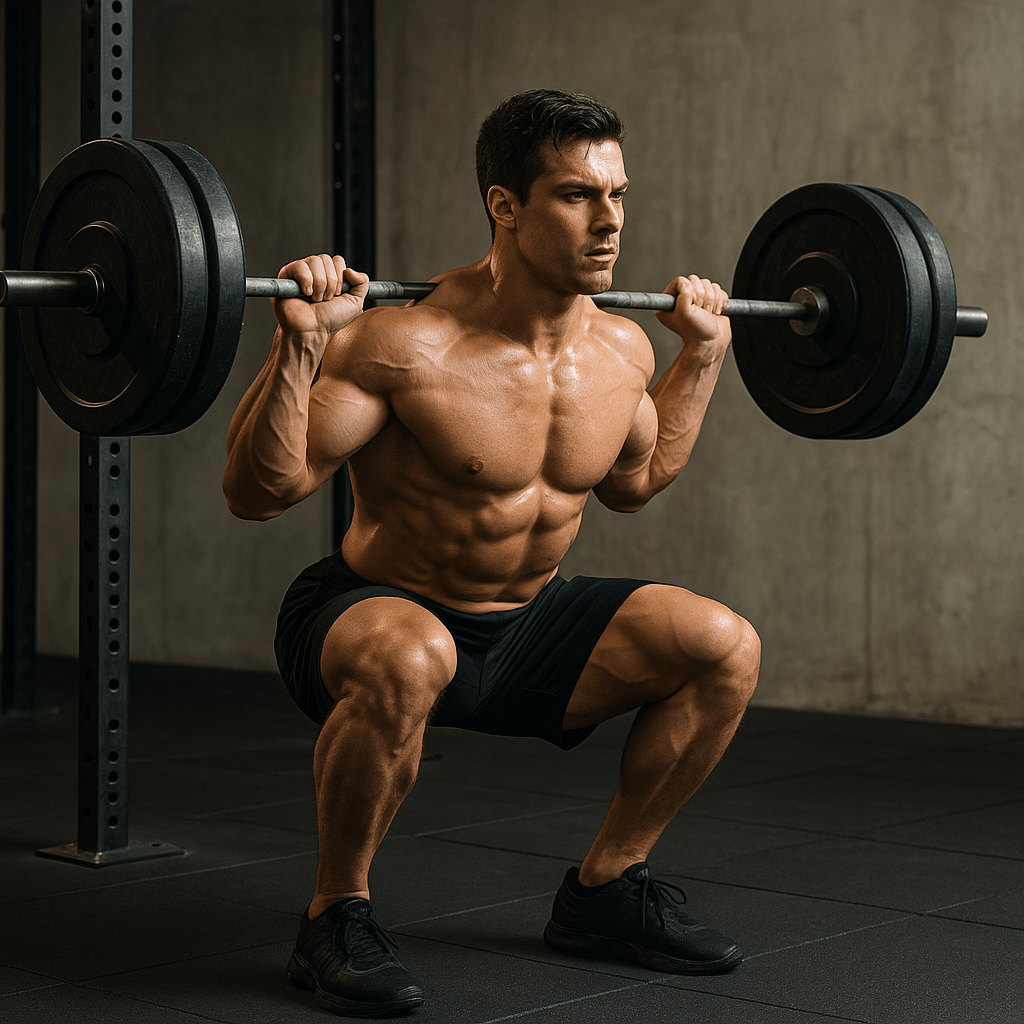
Squats
Muscles Worked: Quads, glutes, hamstrings, core
How to Do It:

Stand with feet shoulder-width apart.

Keep your chest up and spine neutral.

Shift your hips backward like you’re about to take a seat, while simultaneously bending your knees.

Descend until your thighs are roughly level with the ground—or go as low as feels natural for you.

Drive through your heels to stand back up.

Tips: Keep your knees tracking over your toes, avoid letting them collapse inward, and maintain core engagement throughout.

Deadlifts
Muscles Worked: Glutes, hamstrings, lower back, traps
How to Do It:

Stand with feet hip-width apart, barbell over mid-foot.

Hinge forward at the hips and bend your knees to grasp the barbell slightly outside your feet.

Maintain a neutral spine and lift your chest to keep your posture strong.

Tighten your core, then raise the bar by driving your hips and knees upward at the same time.

Maintain the barbell in close contact with your legs as you lift.

Bring the bar down slowly and with control to return to the starting position.

Tips: Keep your spine neutral, draw your shoulders back and down, and initiate the lift smoothly—avoid any sudden or jerky movements.

Bench Press
Muscles Worked: Chest, shoulders, triceps
How to Do It:

Lie flat on a bench, feet planted firmly on the floor.

Grip the bar slightly wider than shoulder-width.

Lower the bar slowly to your mid-chest.

Press the bar straight overhead until your arms lock out completely.

Tips: Retract your shoulder blades throughout the movement, resist letting the bar bounce off your chest, and focus on smooth, controlled motion.

Pull-Ups/Chin-Ups
Target Muscles: Lats, biceps, shoulders
How to Perform:

Grasp the pull-up bar using either an overhand grip for pull-ups or an underhand grip for chin-ups, positioning your hands just beyond shoulder width.

Hang fully extended with shoulders engaged.

Lift your body until your chin rises above the bar.

Lower yourself smoothly and deliberately until your arms are fully extended in the starting position.

Tips: Steer clear of swinging or using momentum; if necessary, incorporate resistance bands or assisted devices to help develop your strength.

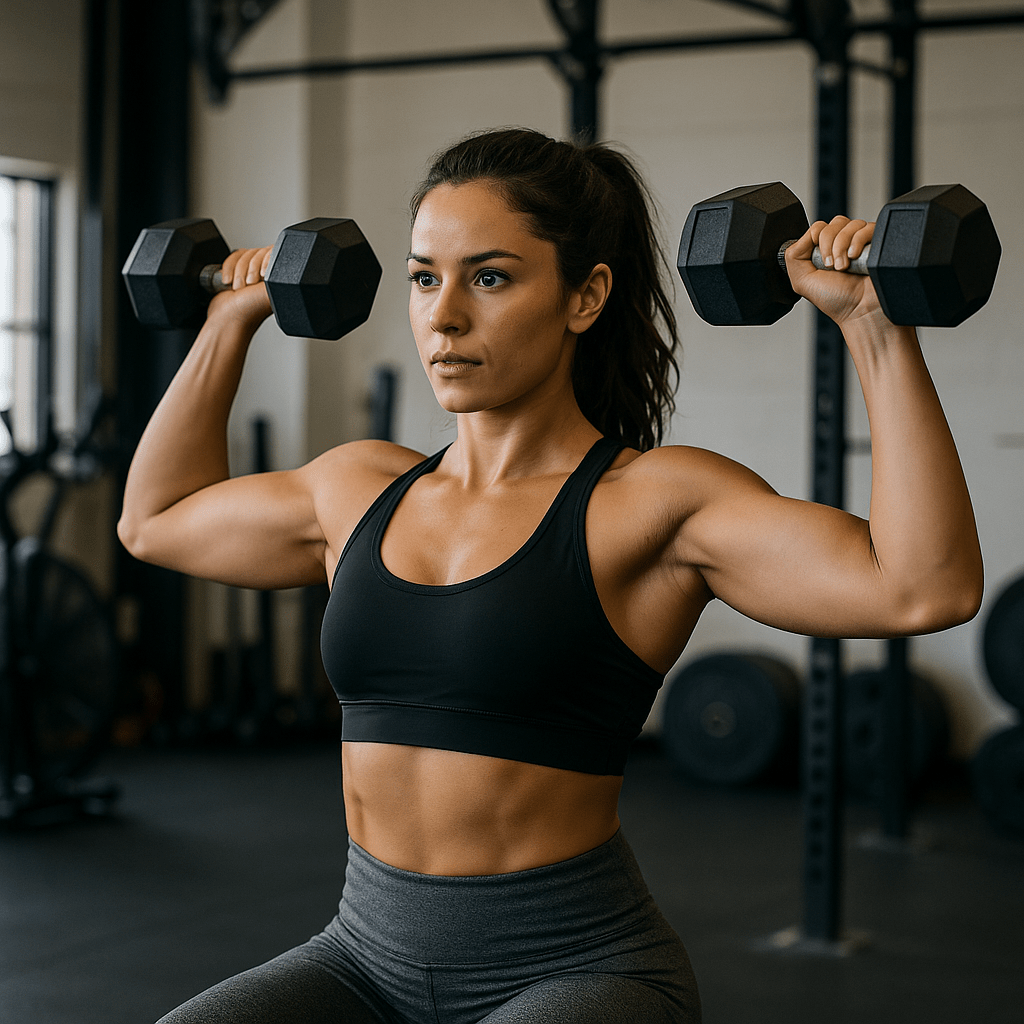
Overhead Press (Standing)
Muscles Targeted: Shoulders, triceps, upper chest, core
How to Perform:

Position yourself with feet shoulder-width apart, holding the barbell at shoulder level.

Brace your core and glutes for stability.

Press the bar straight overhead until arms are fully extended.

Lower the bar back down under control.

Tips: Avoid arching your lower back, keep your head neutral, and engage your core throughout.

Barbell Rows
Muscles Worked: Lats, rhomboids, traps, biceps
How to Do It:

Stand with feet shoulder-width apart, hinge forward at the hips.

Hold the barbell with an overhand grip, arms extended.

Pull the barbell towards your lower chest/upper abdomen.

Lower it back down with control.

Tips: Maintain a straight back and engage your core throughout the movement, avoid swinging or jerking the weight, and keep your elbows tucked close to your sides.

General Guidelines for Safe and Effective Training
Warm-Up: Begin each session with 5 to 10 minutes of light cardio combined with dynamic stretches to activate your muscles and loosen your joints.

Start Light: Focus on mastering your form using lighter weights or just the bar before gradually adding more resistance.

Controlled Execution: Perform every repetition deliberately and steadily, steering clear of using momentum to complete the lift.

Breathing Technique: Breathe in as you lower the weight (eccentric phase) and exhale as you push or lift the weight (concentric phase).

Rest: Between sets, rest 60–90 seconds for hypertrophy focus; longer rest (2–3 mins) for maximal strength.

Progress Gradually: Increase weights or reps only when your form is perfect to avoid injury.

Recovery: Allow 48 hours between sessions targeting the same muscle groups for optimal recovery and growth.

Techniques for Effective Muscle Gain
Gradually challenge your muscles by steadily increasing the weight, number of repetitions, or workout intensity as you advance.

Perfect Form: Always prioritize technique over ego lifting.

Rest and Recovery: Muscles grow during rest—don’t skip sleep or recovery days.

Consistency: A long-term plan beats occasional bursts of hard training.

Nutrition Matters: Pair training with high-protein meals and smart carbs to fuel muscle growth.

Sample Weekly Routine (Push/Pull/Legs)
Day 1 – Push (Chest/Shoulders/Triceps)

Bench Press – 4×6

Overhead Press – 3×8

Dips – 3×10

Day 2 – Pull (Back/Biceps)

Deadlifts – 4×5

Pull-Ups – 3xAMRAP

Barbell Rows – 3×8

Day 3 – Legs/Core

Squats – 4×6

Romanian Deadlifts – 3×10

Plank – 3×1 min

Closing Thoughts
Building muscle through strength training doesn’t have to be complex—it requires dedication and a well-designed strategy. Compound movements form the foundation of any successful workout routine, helping you gain muscle efficiently while developing balanced, practical strength.

By integrating these compound lifts into your training, following the instructions closely, and focusing on recovery and nutrition, you’ll see impressive results. Stronger muscles, better fitness, and more confidence await.
Categories
exercises home workout Muscle Gain strength training

Build Muscle with These Home Workouts Compound Exercises

In the hustle of modern life, carving out time for the gym isn’t always realistic—and for many, it’s not even appealing. The upside? You can still build muscle and elevate your fitness without stepping foot in a gym or investing in bulky machines. With smart, compound exercises, effective strength training is completely achievable right in your living room.

Let’s dive into the most effective home workouts for building muscle, and how to do them safely and effectively.

What Are Compound Exercises?
Compound exercises work several muscle groups at the same time, making them far more efficient than isolation movements like bicep curls. Rather than focusing on just one area, these exercises activate multiple parts of your body in a single motion. The result?

Increased muscle activation

Greater calorie burn

Improved functional strength

More efficient workouts

When it comes to working out at home, compound exercises are incredibly effective. They offer the best return on effort—delivering big results without the need for much gear or a lot of time.

Best Compound Moves to Build Strength at Home
These are some of the most effective bodyweight and low-equipment exercises you can begin incorporating into your routine right now:

  1. Push-Ups
    Target Areas: Chest, shoulders, triceps, and core
    Form Pointer: Keep your elbows angled about 45 degrees from your body and engage your core throughout the movement to ensure stability and proper technique.
  2. Squats
    Works: Quads, hamstrings, glutes, and lower back
    Push Your Limits: Incorporate a jump at the top of the movement to elevate intensity and enhance your power output.
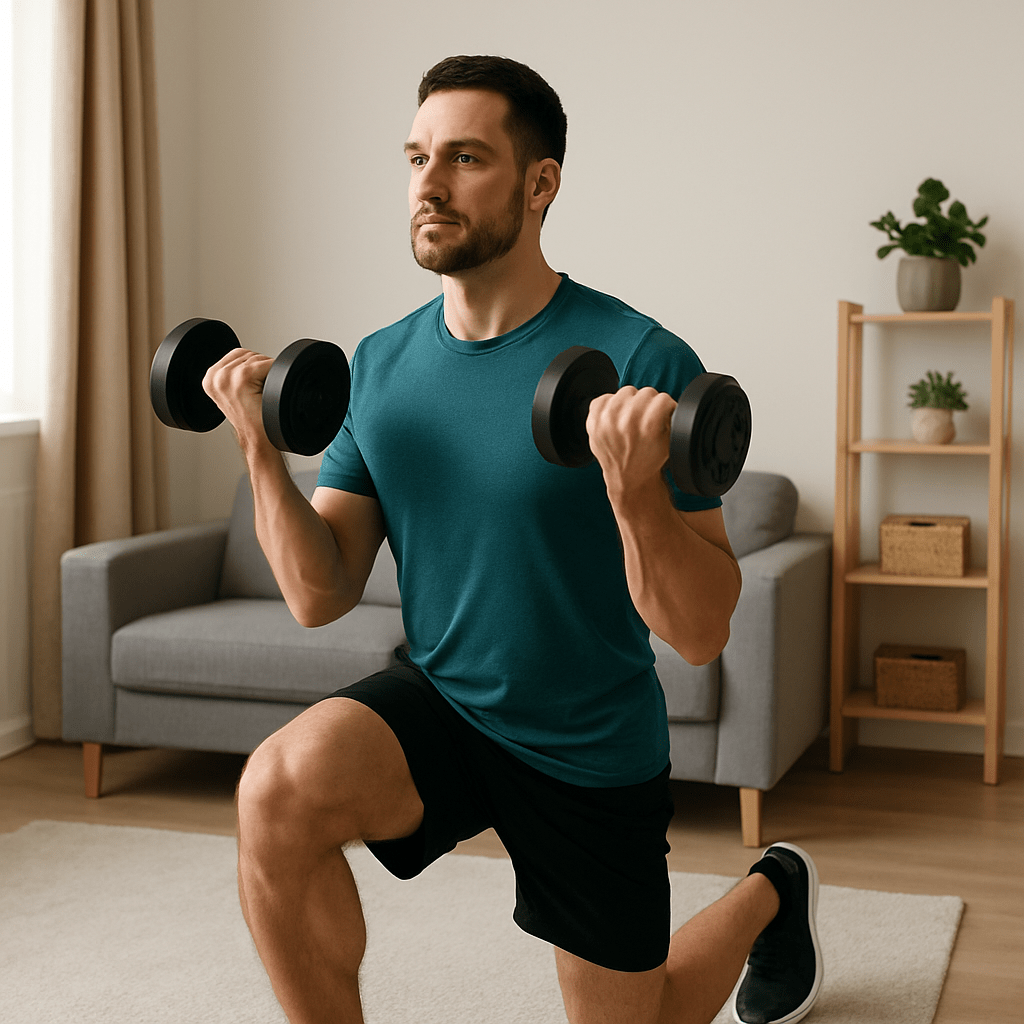
  3. Lunges
    Target Muscles: Glutes, quads, hamstrings, and core
    Technique Tip: Step forward with control, making sure your front knee stays in line with your ankle. This helps improve balance, protects your joints, and ensures proper form throughout the movement.
  4. Plank-to-Push-Up
    Targets: Core, chest, shoulders
    Benefit: Improves stability and upper-body strength simultaneously.
  5. Burpees
    Muscle Groups Engaged: Whole body
    Note: These exercises are demanding, but the benefits for building strength and improving conditioning make them absolutely worthwhile.
  6. Pull-Ups or Resistance Band Rows
    Targets: Back, arms, shoulders
    Equipment: Use a doorway pull-up bar or a resistance band looped around a stable surface.

Techniques to Maximize Gains
Progressive Overload: Add reps, sets, or intensity each week.

Form First: Always prioritize proper technique over speed or volume.

Consistent Schedule: Aim for 3–4 strength training sessions per week.

Recovery Matters: Rest, hydrate, and fuel your body properly.

Benefits of Strength Training at Home
Flexibility: Train anytime, without travel or wait times.

Cost-Effective: No gym fees or expensive equipment needed.

Privacy: No pressure, no comparisons—just your goals.

Sustainable: Easier to stick with long term.

Categories
Fitness Muscle Gain strength training women

How to Increase Bench Press in Women Weeks

Building upper body strength is one of the most empowering aspects of any fitness journey. For many women, the bench press may seem intimidating at first—but with the right guidance and consistency, it becomes a powerful tool for building strength, boosting confidence, and reaching new levels of performance.

This guide provides a clear week-by-week approach to increasing your bench press safely and effectively, whether you’re just starting or looking to break through a plateau.

Why the Bench Press Matters for Women
The bench press is a powerhouse exercise in strength training, engaging not only the chest but also the triceps, shoulders, and core. When women add bench pressing to their routines, it can lead to a range of benefits, such as:

Improve posture

Strengthen bones and joints

Enhance athletic performance

Increase lean muscle mass

Before You Begin: Set Up for Success
Equipment Checklist
Flat bench

Barbell or dumbbells

Weight plates

Spotter (recommended for heavier lifts)

Resistance bands (optional for accessory work)

Safety First: Learn Proper Bench Press Form

Instructions:
Lie back on the bench so that your eyes line up precisely beneath the bar.

Place your feet flat on the ground, spaced roughly hip to shoulder-width apart for stability.

Grasp the bar with your hands a little wider than your shoulders—your wrists should stack over your elbows.

Maintain a gentle arch in your lower back, keeping your shoulder blades tucked down and back against the bench.

Carefully lift the bar out of the rack and slowly lower it to the middle of your chest, keeping the motion smooth and controlled.

Drive the bar upward by pressing through your arms until they’re fully extended at the top, without locking out your elbows.

Breathe out as you press; breathe in as you lower.

6-Week Bench Press Progression Plan
Follow this structured weekly plan to increase your bench press effectively:

Weeks 1–2: Master the Basics
Goal: Learn form, improve control, and build muscular endurance.
Instructions:

Warm-up: 5 minutes dynamic movement (arm circles, pushups, band pull-aparts)

Bench Press: 3 sets of 10–12 reps @ 50–60% of your estimated 1-rep max (1RM)

Accessory Work:

Dumbbell Chest Press: 3 sets x 12 reps

Push-ups: 3 sets to failure

Resistance Band Chest Flyes: 2 sets x 15 reps

Tips:

Rest 60–90 seconds between sets.

Focus on smooth, controlled reps—don’t rush.

Weeks 3–4: Build Strength & Volume
Goal: Increase strength by progressively adding weight.
Instructions:

Warm-up as above, add 1 light bench set before working sets.

Bench Press: 4 sets of 8 reps @ 65–75% of 1RM

Accessory Work:

Incline Dumbbell Press: 3 sets x 10 reps

Overhead Press: 3 sets x 8 reps

Bodyweight or Assisted Tricep Dips – Perform 3 sets of 10 to 12 reps, focusing on controlled movement and full range of motion.

Tips:

Increase weight weekly, as long as your form stays solid.

Start using a spotter if you’re pushing yourself.

Weeks 5–6: Power Phase
Goal: Build maximum strength through low reps and heavier loads.
Instructions:

Warm-up thoroughly. Include 2 light sets before main lifts.

Bench Press: 5 sets of 3–5 reps @ 80–90% of 1RM

Accessory Work:

Close-Grip Bench Press: 3 sets x 6 reps

Tricep Rope Pushdowns: 3 sets x 12 reps

Plank Hold: 3 rounds, 30–45 seconds

Tips:

Rest 2–3 minutes between heavy sets.

Keep a workout log by noting the weight you lift and the number of reps you complete in every session—it’s the best way to see your strength build over time.

Nutrition & Recovery Guidelines
Strength gains are made in the gym—but recovery fuels growth.
Instructions:

Protein intake should fall between 1.2 and 1.6 grams per kilogram of body weight each day to support muscle repair and growth.

Hydration: Drink water throughout the day—especially post-training.

Sleep: 7–9 hours of quality sleep per night.

Rest Days: Take at least 1–2 rest days per week; light movement is okay.

Mindset & Motivation
Strength training for women is about far more than just physical gains. It builds resilience, body awareness, and self-trust. Don’t worry about lifting “heavy enough” or comparing yourself to others. Just focus on showing up, progressing steadily, and celebrating your milestones—no matter how small.

Final Instructions: How to Stay Consistent
Set a schedule: 2–3 upper body sessions per week

Use a training log or app to track your progress

Re-test your 1-rep max every 6–8 weeks

Adjust weights based on performance, not ego

Ask for help or hire a coach if needed

Summary: What to Expect in 6 Weeks
Increased upper body strength

Improved muscle tone and endurance

Stronger core and posture

A powerful lift in self-confidence—both during workouts and in everyday life.

With patience, proper technique, and consistency, your bench press—and your overall strength—will go places you never imagined. This isn’t just a fitness goal. It’s a bold declaration that strength is something every woman owns and deserves.

Categories
Cold Showers fat loss Fitness recovery & wellness

Cold Showers vs. Ice Baths: What’s Better for Fat Loss?

When it comes to optimizing fat loss, fitness enthusiasts and athletes often explore recovery techniques beyond diet and exercise. Among these, cold exposure methods like cold showers and ice baths have gained attention for their potential benefits. So, which method truly delivers the best results for fat loss? Let’s dive into the science, practical applications, and wellness benefits — including step-by-step instructions — to help you decide.

Understanding Cold Exposure and Fat Loss
Exposure to cold stimulates brown fat, a type of tissue that helps burn calories by producing heat.

This heat-generating, or thermogenic, response can aid in fat loss by boosting how many calories your body uses.

That said, the effectiveness varies based on how cold the exposure is, how long it lasts, and individual differences.

Cold Showers: Simple and Accessible
Cold showers mean standing under chilly water—usually ranging from about 50°F to 70°F—for several minutes. They’re simple to add to your everyday routine, need no special gear, and provide advantages for recovery, overall wellness, and supporting fat loss.

Benefits:
Boosts metabolism and alertness.

Reduces muscle soreness and inflammation.

Builds mental toughness and resilience.

How to Do a Cold Shower for Fat Loss:
Start Warm: Begin your shower with warm water to relax your muscles.

Gradually Cool Down: Slowly reduce the temperature over 1-2 minutes until it’s uncomfortably cool but manageable.

Time It Right: Stay under cold water for 2–5 minutes. Beginners can start with 30 seconds and build up gradually.

Focus on Breathing: Take deep, steady breaths to help your body adapt and reduce shock.

End Warm or Cold: Some prefer to finish cold for maximum benefits, others warm for comfort. Both are fine.

Frequency: Aim for 3-5 times per week for consistent fat loss and recovery benefits.

Ice Baths: Intense and Effective
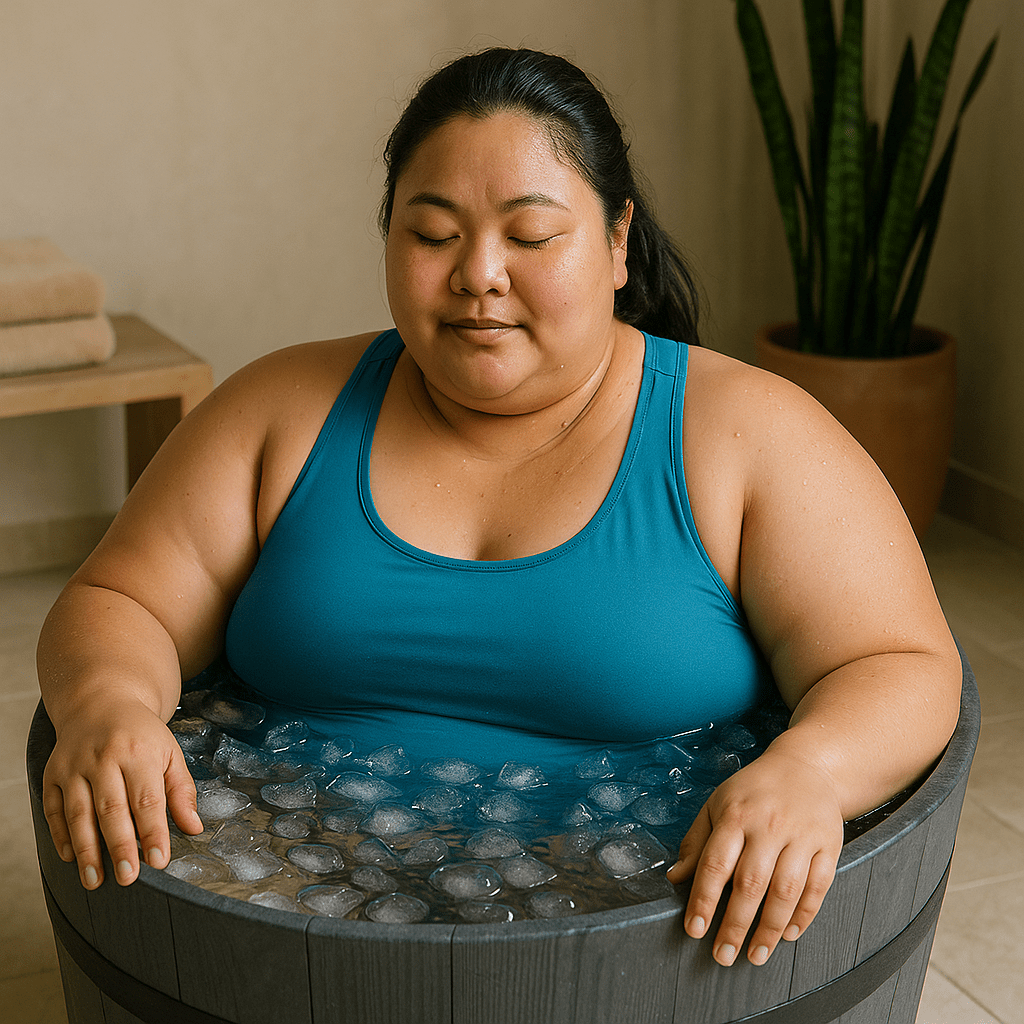
Ice baths involve immersing your body in a tub filled with ice and water, typically between 32°F and 55°F, for 10 to 15 minutes. This method offers intense cold exposure, which can amplify fat-burning effects and recovery.

Benefits:
Increases calorie burn through intense thermogenesis.

Reduces muscle inflammation and speeds recovery.

Strongly activates brown fat tissue.

How to Take an Ice Bath for Fat Loss:
Prepare the Bath: Fill a tub with cold water and add enough ice to lower the temperature to around 50°F or below.

Check Temperature: Use a thermometer to ensure safe levels; don’t go below 32°F to avoid frostbite risks.

Enter Slowly: Ease into the bath gradually, sitting down carefully to let your body adjust.

Set a Timer: Limit sessions to 10-15 minutes to avoid hypothermia or excessive stress.

Stay Calm: Focus on controlled breathing to maintain relaxation and reduce shock.

Warm Up Afterwards: After exiting, dry off and warm yourself gradually with a towel or warm clothes.

Frequency: Limit ice baths to 2-3 times per week to avoid overexposure and give your body time to recover.

Which Is Better for Fat Loss?
Ice baths may offer more potent fat-burning benefits due to deeper cold exposure and stronger brown fat activation. However, cold showers are easier to integrate into daily life and still support recovery and fat loss effectively. Starting with cold showers and gradually advancing to ice baths—if desired and safe—can be an excellent, balanced strategy.

Tips for Safe and Effective Cold Exposure
Always consult a healthcare professional if you have heart conditions, circulatory issues, or other health concerns.

Never stay in ice baths longer than recommended.

Avoid cold exposure if you feel dizzy, numb, or extremely uncomfortable.

Combine cold exposure with proper nutrition, exercise, and rest for best results.

Final Thoughts on Recovery & Wellness for Fat Loss
Both cold showers and ice baths are valuable tools in your fat loss and fitness toolkit. Used consistently and safely, they enhance recovery, boost metabolism, and promote overall wellness. Remember, cold exposure complements—not replaces—healthy habits like balanced eating and regular physical activity.

Categories
cardio Fitness men Muscle Gain recovery & wellness

Top Cardio Exercises for Men Lovers

Whether you’re just starting your fitness journey or looking to level up your endurance game, cardio plays a crucial role in overall health and performance. For men who are passionate about fitness—or those who simply want to feel more energized, stronger, and healthier—finding the right cardio exercises is key. This guide explores some of the top cardio workouts that boost endurance, build stamina, and support long-term fitness goals.

Why Cardio Matters for Men
Cardiovascular exercise isn’t just for weight loss—it’s foundational for heart health, stamina, and overall energy. Men often focus on strength training, but adding regular cardio to your routine can elevate your performance, enhance recovery, and even improve mental clarity.

Top Cardio Exercises for Men
Here’s a breakdown of high-impact and versatile cardio options that combine effectiveness with variety.

  1. Running (Outdoors or Treadmill)
    Simple, accessible, and powerful—running helps build endurance quickly. Whether you prefer trail runs, sprint intervals, or steady-state jogs, running challenges your cardiovascular system while also supporting muscle tone in the legs and core.

Tip: Alternate between sprints and jogs to incorporate HIIT and avoid plateaus.

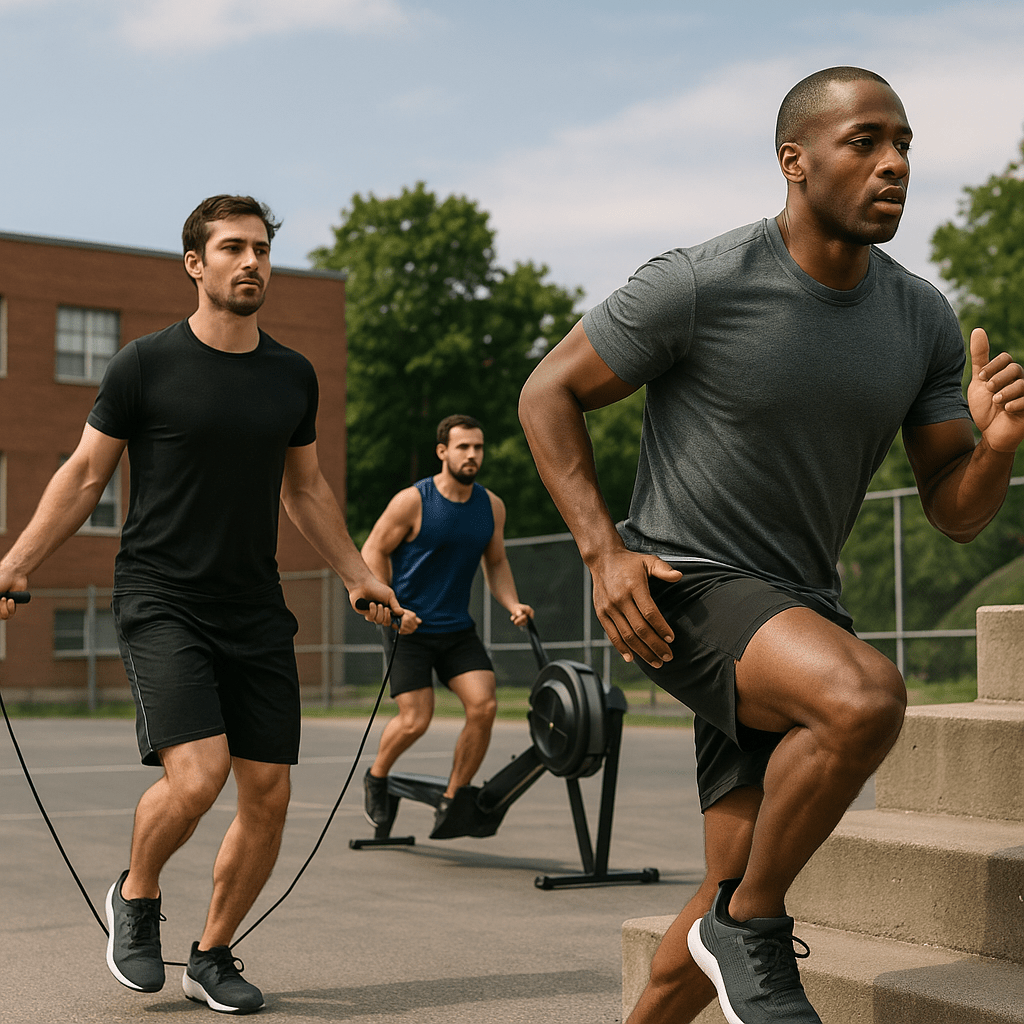
  1. Rowing
    Rowing is a full-body workout that emphasizes both upper and lower body strength while improving cardiovascular endurance. It’s low-impact and especially effective for men looking to improve posture and core stability.

Technique Tip: Focus on driving through the legs and finishing with a strong pull from the back and arms for maximum benefit.

  1. Jump Rope
    The jump rope might look simple, but it’s one of the most effective cardio tools out there. It sharpens coordination, builds agility, and gets your heart rate up in seconds. Great as a quick warm-up or powerful enough to stand alone as a full workout.

Pro Tip: Jump for 30 seconds, rest for 15, and repeat to boost intensity without burning out Repeat for 10 minutes.

  1. Cycling (Indoor or Outdoor)
    Cycling builds endurance effectively without putting extra stress on your joints. It’s also a great option for those who enjoy long rides and want to explore new environments.

Bonus: Indoor cycling classes can add intensity and motivation through structured routines.

  1. Stair Climbing or Hills
    Whether it’s a stair machine or an actual flight of stairs, climbing builds lower body strength while elevating your heart rate fast. For men focused on leg power and conditioning, this is a game changer.

Movement Tip: Keep a steady flow, power through your glutes, and stay tall to avoid unnecessary tension.

Incorporating Cardio Into Your Routine
How Often: Target 3 to 5 workouts each week, adjusting based on what you’re working toward.

Duration: 20–45 minutes is ideal for most workouts.

Variety: Mix modalities to keep things interesting and prevent overuse injuries.

The Benefits Go Beyond Fitness
The effects of cardio go far past the gym—it helps you feel stronger, sharper, and more energized day to day. Improved sleep, reduced stress, enhanced mood, and better focus at work are just a few rewards. For men who want to maintain energy and sharpness as they age, cardio & endurance training is non-negotiable.

Final Thoughts
Whether you’re training for a marathon or just want to feel less winded on the stairs, cardio should be a core part of your fitness plan. Choose the exercises that excite you, challenge yourself, and stay consistent. Your body—and your mind—will thank you.

Categories
athletes beginners Fitness home workout strength training

Full Body Strength Workout with Beginners

Starting strength training can feel overwhelming if you’re new to fitness, but it’s one of the most effective ways to build muscle, boost metabolism, and improve overall health. Whether your goal is to tone up, gain strength, or simply feel more energized, a full body strength workout designed for beginners is a fantastic place to start.

In this guide, we’ll cover essential tips, simple techniques, and the many benefits of strength training for beginners, helping you kick off your fitness journey with confidence.

Why Strength Training Matters for Beginners
Strength training isn’t just for athletes or bodybuilders — it’s a fundamental part of staying healthy at any age. For beginners, incorporating strength exercises can:

Increase muscle mass and bone density

Enhance metabolic rate, helping with weight management

Improve balance, coordination, and posture

Reduce risk of injury in daily activities

Boost mood and energy levels

Understanding these benefits can help you stay motivated and committed to your routine.

Getting Started: Tips for Beginners

Focus on Form First
Proper technique is crucial to prevent injury and maximize results. Start with light weights or just your body weight and practice movements slowly and deliberately.

Choose Compound Movements
Exercises that work multiple muscle groups at once, like squats, push-ups, and rows, are perfect for beginners. They build overall strength efficiently and create a balanced physique.

Start with 2-3 Sessions Per Week
Allow your muscles time to recover between workouts. Consistency matters more than intensity at the beginning.

Listen to Your Body
Feeling a bit of muscle stiffness is expected, but any sudden or intense pain should never be ignored. Don’t push through discomfort—modify or rest as needed.

Warm-Up and Cool Down
Prepare your muscles with a 5-10 minute warm-up (like light cardio or dynamic stretches), and finish with gentle stretching to aid recovery.

Sample Full Body Strength Workout for Beginners
Here’s a simple routine to get you started — all you need is a pair of dumbbells or resistance bands and some space:

Bodyweight Squats — 3 sets of 12 reps

Push-Ups (Knee or Wall if needed) — 3 sets of 10 reps

Single-arm dumbbell rows — perform 12 repetitions on each side for 3 sets.

Glute Bridges — 3 sets of 15 reps

Plank Hold — 3 rounds of 20-30 seconds

Standing Dumbbell Shoulder Press — 3 sets of 12 reps

Take a 30-60 second break between sets, and remember to keep your core engaged throughout each exercise.

Benefits You’ll Notice Over Time
By sticking with it regularly, you’ll start noticing progress in:

Strength and endurance

Muscle tone and definition

Posture and functional movement

Confidence and overall wellbeing

Building strength is an enduring investment in your body that continues to benefit you over time.

Final Thought: Starting your strength training journey doesn’t need to be intimidating. Welcome the journey with steady focus and perseverance, and you’ll establish a solid groundwork for enduring health and fitness. Ready to get started? Grab some weights, clear a space, and enjoy your full body workout!

Categories
athletes Fitness gear & reviews Muscle Gain strength training

Best Muscle Gain Shoes for Beginners

When people talk about building muscle, the conversation usually centers around diet plans, lifting programs, and supplements. But one critical piece often gets overlooked — your shoes. The right pair can improve your stability, posture, and even your confidence in the gym. If you’re new to fitness and focused on muscle gain, choosing the right gear matters. In this article, we’ll break down the best muscle gain shoes for beginners, explain why they’re worth the investment, and offer real-world tips based on expert gear & reviews.

Why Your Shoes Matter for Muscle Gain
When lifting, especially during compound movements like squats and deadlifts, your feet are the foundation. If your shoes lack the right support, grip, or structure, you risk poor form, reduced power, and potential injury. Quality training shoes can help:

Distribute weight evenly

Improve ground contact

Support ankle mobility

Enhance lifting stability

For beginners, this can mean faster progress and safer workouts — crucial when you’re learning the ropes of muscle gain and overall fitness.

What to Look for in a Beginner-Friendly Muscle Gain Shoe
Key things to keep in mind when picking your first pair:

Flat, Stable Soles: Avoid overly cushioned soles. You want a firm, level base for lifting.

Heel Drop: Slight heel elevation (4–6 mm) helps with squatting depth and posture.

Durability: You’re going to be using these a lot. Look for solid construction and reinforced stitching.

Breathability: Sweat and poor airflow can lead to discomfort and odor.

Multi-use Design: Beginners often do a mix of lifts and light cardio, so versatility is key.

Top Muscle Gain Shoes for Beginners (2025 Edition)

  1. Nike Metcon 9
    Why it’s great: Stable under heavy lifts, but flexible enough for circuits and general training. Great grip and solid lockdown.

Best for: Beginners transitioning into structured strength programs.

  1. Reebok Nano X4
    Why it’s great: Wide toe box, durable build, and breathable mesh upper. It handles squats, presses, and sled pushes with ease.

Best for: Gym newcomers who want a single shoe for all types of training.

  1. Adidas Dropset 2
    Why it’s great: Low heel-to-toe drop with a firm sole – ideal for leg days. Supportive but not stiff.

Best for: New lifters working on squat and deadlift form.

  1. TYR L-1 Lifter
    Why it’s great: For those leaning into weightlifting, this hybrid lifter gives you just enough heel raise to improve squat depth without compromising comfort.

Ideal for newcomers diving into barbell training.

Bonus Tips: Getting the Most from Your Lifting Shoes
Use them only in the gym: Keep them clean and stable by not wearing them outside.

Break them in slowly: Especially if they have a raised heel or stiffer sole.

Pair with proper socks: Moisture-wicking socks add comfort and help prevent blisters.

Final Thoughts
When starting out, investing in the right gear makes a difference — not just physically, but mentally. Muscle gain is about more than reps and protein shakes. It’s about building smart habits, and that begins with what’s on your feet. Whether you’re squatting for the first time or learning how to deadlift safely, the right pair of shoes can boost your performance and help you train with purpose. Start strong, stay grounded, and choose gear that supports your fitness journey from the ground up.

Categories
athletes Fitness flexibility gear & reviews

What to Look for in a Flexibility Gym Bag

Whether you’re deep into mobility training, yoga, or dynamic stretching routines, your flexibility gym bag should do more than just carry gear. It should support your wellness goals with thoughtful design, durability, and functionality. Let’s walk through the essentials of what to look for when choosing a bag that truly works for your flexibility-focused fitness lifestyle.

  1. Versatile Storage for Specialized Gear
    Flexibility training often involves props like resistance bands, yoga blocks, massage balls, and mats. Look for a gym bag with:

Dedicated compartments or mesh pockets for smaller gear

Adjustable straps or clips for carrying a rolled-up yoga mat

Waterproof or ventilated sections for sweaty clothes or towels

  1. Lightweight Yet Durable Materials
    Since flexibility workouts are often low-impact and may happen at studios, parks, or home gyms, you’ll want a lightweight bag that’s still built to last. Nylon and polyester blends tend to offer the right balance of strength and portability.
  2. Comfort and Portability
    Your gym bag should be easy on your shoulders—especially after a long stretch session. Features like:

Padded straps

Crossbody options

Compact shapes that don’t feel bulky

These can make a big difference when you’re commuting or navigating busy studio spaces.

  1. Style Meets Function
    You’re more likely to stick to your routine if your gear feels good to use—and that includes the bag itself. Pick something that reflects your personal style, but doesn’t compromise on features. Neutral tones and minimalist designs are trending, but don’t shy away from colors that energize you.
  2. Reviews Matter
    Before buying, check recent gear & reviews to get honest feedback on how a bag holds up over time. Look for feedback from people who specifically use it for yoga, stretching, or functional fitness. Pay attention to zippers, stitching, and material quality—especially if you’re investing in a higher-end option.

Final Thoughts
A good gym bag isn’t just for carrying gear—it’s part of your routine. Choosing one that fits your flexibility practice can make your workouts feel more seamless and keep you on track day after day. Take time to research, compare gear & reviews, and invest in something that fits your flow.

Categories
athletes Fitness runners

Best Sleep Habits for Runners’ Recovery

Whether you’re training for a marathon or enjoying daily runs to stay in shape, sleep is just as crucial to your performance as your workouts. Recovery doesn’t happen in the gym or on the trail—it happens while you rest. In this guide, we’ll explore the best sleep habits that support runners’ recovery, boost fitness, and maintain flexibility over time.

Why Sleep Matters for Runners
Sleep is when your body rebuilds. Muscles recover, energy stores replenish, and inflammation decreases. For runners, this means improved endurance, fewer injuries, and better performance over time. Even the best training routine can fall short if quality sleep isn’t part of the equation—recovery starts with rest.

Top Sleep Habits for Better Recovery

  1. Stick to a Consistent Sleep Schedule
    Keeping a consistent sleep and wake time—weekends included—keeps your body’s internal clock in sync, making it easier to fall asleep and wake up naturally. This consistency allows your body to maximize recovery cycles, particularly the deep stages of sleep where muscle growth and repair happen.
  2. Prioritize 7–9 Hours of Quality Sleep
    Quantity matters, but so does quality. Avoid caffeine late in the day, reduce screen time before bed, and create a calming wind-down routine to improve sleep depth and duration.
  3. Optimize Your Sleep Environment
    Create a sleep environment that’s peaceful, silent, and pleasantly cool—ideally near 65°F (18°C)—to promote restorative, uninterrupted sleep. Select a mattress and pillows tailored to your personal sleep preferences and body shape, as comfort and proper alignment are essential for effective overnight recovery. You’ll find no shortage of trusted gear and review sites that spotlight recovery-friendly sleep tools—think weighted blankets, orthopedic pillows, and more tailored options.
  4. Schedule Hard Runs Earlier in the Day
    Set up your bedroom to be serene, silent, and refreshingly cool—about 65°F (18°C)—to encourage restful, deep sleep without disruptions. Try to finish tough workouts at least 4–5 hours before bedtime.
  5. Incorporate Flexibility Work Before Bed
    Gentle yoga or stretching in the evening can reduce muscle tension and promote relaxation. This habit not only supports flexibility but also signals to your body that it’s time to transition into rest mode.
  6. Stay Hydrated—But Time It Right
    Dehydration disrupts sleep, but drinking too much water right before bed might wake you up for nighttime bathroom trips. Aim to hydrate throughout the day and taper off an hour or two before bedtime.
  7. Listen to Your Body
    Sleep needs can vary depending on your training load. After long runs or races, you may need more rest than usual. Listen to your body’s signals—true growth takes root in moments of rest, not just effort.

Final Thoughts

Great running doesn’t just depend on mileage—it thrives on balance. Smart recovery habits, especially sleep, are key to longevity and performance. By committing to better sleep hygiene and supporting your body’s natural recovery process, you’ll not only run better—you’ll feel better every day.

Categories
athletes Fitness Muscle Gain recovery & wellness

Mindfulness Techniques for Athletes

In high-performance sports, we often focus on physical training, nutrition, and recovery tools—but there’s a key component that often gets overlooked: the mind. Mindfulness is more than just a wellness buzzword; it’s a practical, science-backed tool that can dramatically enhance athletic performance and overall well-being.

Whether you’re a competitive athlete, a weekend warrior, or just passionate about fitness, integrating mindfulness into your routine can be a game-changer for your recovery & wellness.

Why Mindfulness Matters in Fitness
For athletes, practicing this awareness often leads to enhanced concentration, clearer choices during competition, and quicker, more effective recovery.

Stress, anxiety, and physical fatigue can cloud your mental clarity. Mindfulness cuts through that noise. It’s not just about calming down—it’s about showing up, mentally, for every rep, every race, every moment.

Benefits of Mindfulness for Athletes
Here’s what athletes are discovering:

Faster Recovery: Studies have shown that mindfulness practices like meditation can lower cortisol levels and reduce inflammation—both of which help your body bounce back after workouts.

Improved Focus & Performance: Being present in the moment means fewer distractions and better execution of skills.

Better Emotional Regulation: Mindfulness helps you manage stress, anxiety, and pressure—so you stay composed during high-stakes moments.

Injury Prevention: Listening to your body’s cues can help you avoid overtraining and catch signs of burnout before they escalate.

Practical Mindfulness Techniques
You don’t need hours of spare time or a retreat in the mountains. These methods are straightforward, convenient, and can be effortlessly added to your everyday habits:

  1. Body Scan Meditation
    Take 5 to 10 minutes after exercising or before sleep to mentally check in with your body, moving your attention slowly from your head down to your toes. This helps increase body awareness and encourages physical relaxation.
  2. Box Breathing
    Widely practiced by high-performing athletes and Navy SEALs, this method involves a steady inhale for four seconds, a four-second hold, a controlled exhale for four seconds, and a final pause of the same length. It works to calm the nervous system and boost mental sharpness.
  3. Mindful Movement
    Turn your warm-up or cooldown into a mindfulness practice. Focus entirely on the rhythm of your breath and how your body feels with each stretch or step.
  4. Journaling
    After practice or training, jot down how your body and mind felt, what went well, and what you noticed. It’s a low-effort way to reflect and reset.
  5. Visualization
    Before a competition or challenging workout, close your eyes and mentally rehearse what success looks and feels like. Picture your movements, the sounds around you, and how it feels to perform at your best.

Make Mindfulness a Habit
Like any other aspect of fitness, mindfulness takes consistency. Start small—just five minutes a day. Link it to something you already do: after your workout, before bed, or first thing in the morning. With time, you’ll notice not just physical gains, but a mental edge that carries you through training, competition, and recovery.

Final Thoughts
Athletic success isn’t just about how hard you push—it’s also about how well you recover. Mindfulness gives athletes a practical way to tune in, slow down, and rebuild from the inside out. In a world obsessed with go-go-go, learning when to pause might be your most powerful performance tool yet.