Categories
exercises fat loss Fitness fitness-tips recovery & wellness strength training Trackers training

Fat Loss Fitness Trackers Compared

Fat loss is more than just “move more, eat less” — it’s about knowing what works for your body. The right fitness tracker gives you real-time data to guide your training, nutrition, and recovery. Whether you’re walking off weight or doing high-intensity training, choosing the right gear can help you burn fat smarter, not harder.

In this guide, we compare top fitness trackers and show you exactly how to use them to support your fat loss goals.

What to Look for in a Tracker for Fat Loss

Before buying a tracker, make sure it has these fat-loss-friendly features:

Heart Rate Monitoring: For training in optimal fat-burning zones.

Activity Tracking: Steps, distance, and active minutes.

Calorie Burn Estimates: To adjust food intake and stay in a deficit.

Sleep Tracking: Better rest improves metabolism.

App Integration: For syncing workouts and nutrition logs.

Top Fitness Trackers & How to Use Them for Fat Loss

  1. Fitbit Charge 6

Best for Balanced Lifestyle Tracking

The Charge 6 offers everything you need to stay consistent — heart rate tracking, step goals, and integration with food logging apps like MyFitnessPal.

How to Use for Fat Loss:

Set a Daily Step Goal: Start with 8,000–10,000 steps per day.

Track Active Zone Minutes: Aim for 150 minutes/week in fat burn or cardio zones.

Use the Sleep Score: Aim for 7+ hours of sleep to support recovery and hunger regulation.

Pros: Reliable, intuitive app, built-in exercises.

Cons: No GPS, screen may be small for some users.

  1. Garmin Vivosmart 5

Best for Fitness-Focused Users

Garmin is ideal for those who want deeper training insights. It tracks intensity, recovery, and stress — all key for long-term fat loss.

How to Use for Fat Loss:

Check your energy levels with the Body Battery feature and schedule workouts when you’re most charged up.

Review Sleep & Stress Trends: Chronic stress increases fat storage — use breathing exercises in the app.

Pros: Detailed data, sleek design, 7-day battery.

Cons: Less intuitive than Fitbit for beginners.

  1. Apple Watch Series 9

Best for Apple Ecosystem Users

The Apple Watch blends wellness tools, daily functionality, and intelligent features in a clean, modern design. It’s ideal if you already use iPhone, Health app, or Apple Fitness+.

How to Use for Fat Loss:

Close Your Rings: Aim to hit Move, Exercise, and Stand goals daily.

Add Fitness+ Workouts: Choose HIIT, strength, or cardio for fat loss.

Monitor Heart Rate Trends: Use resting heart rate to track progress.

Log Weight & Nutrition: Sync with apps like LoseIt! or Cronometer.

Pros: Customizable, great third-party apps, accurate sensors.

Cons: Battery life (1–2 days), more expensive.

  1. WHOOP Strap 4.0

Best for Recovery-Based Fat Loss

WHOOP is screen-free and subscription-based, designed for serious performance and recovery tracking. It’s best for those who want a deeper look at their body’s response to training.

How to Use for Fat Loss:

Follow Strain vs. Recovery Guidance: Avoid overtraining, which leads to plateaus.

Use Sleep Coaching: Optimize recovery to maintain consistent fat burning.

Watch HRV (Heart Rate Variability): Higher HRV = better readiness to train.

Stay Consistent: Wear it 24/7 for best accuracy.

Pros: No distractions, excellent recovery tracking.

Cons: No screen, monthly subscription.

General Instructions for Using Fitness Trackers to Burn Fat

Regardless of which device you choose, follow these daily steps:

Wear Your Tracker All Day (and Night):

Data is only useful if it’s consistent — don’t take it off unless charging.

Set Realistic Daily Goals:

Gradually raise your step count, active minutes, and calorie goals to avoid fatigue and stay consistent.

Use Heart Rate Zones for Exercise:

For fat loss, train in the 60–75% of your max heart rate zone during cardio.

Track Your Food Intake (Even Just Roughly):

Pair your tracker with a food log app. A calorie deficit of 300–500/day is ideal for sustainable fat loss.

Review Weekly Trends, Not Just Daily Fluctuations:

Progress isn’t linear. Pay attention to long-term patterns in your weight, sleep quality, heart rate variability, and calorie expenditure.

Prioritize Sleep & Recovery:

Track your sleep and make recovery part of your fat loss plan — under-recovered bodies don’t burn fat efficiently.

Final Thoughts

Fitness trackers can be game-changers when it comes to fat loss — but only if you use the data. Whether you’re training hard, walking more, or just becoming more aware of your daily habits, these tools help you stay accountable.

So pick the tracker that fits your goals and lifestyle, follow the instructions consistently, and remember: it’s not about perfection — it’s about momentum.

Categories
athletes exercises fat loss Fitness recovery & wellness

Mindfulness Techniques for Fat Loss Athletes: A Guide to Recovery & Wellness

In the journey of fat loss, athletes often focus intensely on workouts, nutrition, and calorie deficits. Yet, one crucial element frequently overlooked is the role of mindfulness in enhancing recovery and overall wellness. Incorporating mindfulness techniques can not only improve mental clarity and reduce stress but also accelerate fat loss and optimize fitness outcomes. Here’s a fresh take on how mindful practices contribute to fat loss success and why recovery matters just as much as training.

The Intersection of Mindfulness, Fat Loss, and Recovery

Fat loss isn’t merely about burning calories; it’s a holistic process involving physical, mental, and emotional well-being. Recovery and wellness play vital roles in this balance, helping the body repair, rebuild, and adapt to training stress. Mindfulness, the practice of being fully present and aware without judgment, supports this recovery phase by calming the nervous system and improving hormonal balance, both of which are essential for fat metabolism.

Why Mindfulness Matters for Fat Loss Athletes

High stress levels can significantly hinder progress in fat loss efforts. Chronic stress elevates cortisol levels, which can promote fat storage and hinder recovery. Mindfulness techniques help regulate this response by encouraging relaxation and reducing the mental chatter that fuels anxiety. This creates a more favorable internal environment for fat loss and muscle preservation.

Effective Mindfulness Techniques to Enhance Recovery & Wellness (With Instructions)

Focused Breathing Exercises

How to do it:

Choose a calm, distraction-free spot and sit in a comfortable position with your spine upright.

Gently close your eyes and take a deep breath in through your nose, slowly counting to four, allowing your abdomen to expand.

Pause and hold the breath for a count of four.

Continue this breathing pattern for 5 to 10 minutes, keeping your attention fully on each inhale and exhale.

When to practice: After workouts, during stressful moments, or before sleep to promote relaxation and enhance recovery.

Body Scan Meditation

How to do it:

Find a comfortable seated or lying position and gently close your eyes.

Slowly bring your attention to your toes, noticing any sensations without judgment.

Gradually move your focus up through your legs, hips, torso, arms, neck, and head.

Whenever your thoughts drift away, softly redirect your attention to the area of your body you were focusing on.

Spend about 10–15 minutes completing the scan.

When to practice: Use this technique daily or whenever you feel muscle tightness or mental stress.

Mindful Movement

How to do it:

Choose a gentle movement practice like yoga, tai chi, or stretching.

Move slowly and deliberately, paying full attention to how your body feels with each movement.

Focus on your breath, coordinating it with your motions.

Avoid rushing—allow yourself to feel each stretch or posture fully.

Practice for at least 15–30 minutes.

When to practice: On rest days, post-workout, or anytime you want to enhance flexibility and circulation.

Gratitude Journaling

How to do it:

Keep a small notebook or digital journal.

Each day, write down 3 things you’re grateful for related to your fitness journey (e.g., strength gained, progress made, support received).

Reflect on these entries and let positive feelings build.

When to practice: At the start or end of your day, helping cultivate a positive mindset and reduce stress.

Benefits of Integrating Mindfulness into Your Fat Loss Routine

Improved Sleep Quality: Mindfulness calms the mind, leading to deeper, more restorative sleep—key for recovery and fat loss.

Enhanced Focus: Better mental clarity helps maintain disciplined nutrition and training habits.

Reduced Inflammation: Stress reduction lowers systemic inflammation, supporting faster recovery and metabolic health.

Sustainable Motivation: A mindful approach nurtures self-compassion, preventing burnout and promoting a healthier relationship with fitness.

Final Thoughts

Fat loss athletes striving for peak fitness should consider mindfulness not just as a mental exercise but as a strategic tool for recovery and wellness. By weaving mindful practices into your routine with these clear, easy-to-follow instructions, you create a balanced foundation that supports your body’s natural ability to lose fat efficiently and sustainably. Remember, achieving fitness involves more than just working out—it requires a balanced focus on both recovery and mental wellness.

Categories
exercises fat loss Fitness fitness-tips flexibility & mobility Gym training workouts yoga

Fat Loss Yoga Poses for Better Flexibility

When it comes to fat loss, most people immediately think of high-intensity workouts or strict diets. But what if I told you that yoga — particularly poses designed to improve flexibility and mobility — can be a powerful tool to help shed fat while boosting your overall fitness?

Yoga isn’t just about stretching or calming your mind. Certain poses actively engage muscles, increase your heart rate, and improve your body’s ability to move efficiently. This combination supports fat loss and enhances your flexibility and mobility, creating a foundation for sustainable fitness.

Why Focus on Flexibility & Mobility for Fat Loss?

Flexibility and mobility are more than just buzzwords. They play a critical role in how your body performs everyday movements and exercises. When your joints and muscles move freely, you can work out more effectively and safely, reducing the risk of injury. This means you can stick to your fat loss plan longer and with better results.

Moreover, improved mobility encourages greater calorie burn by allowing more dynamic, full-range movements. Fat loss becomes a natural byproduct of moving well and consistently.

Key Yoga Poses for Fat Loss and Flexibility (With Instructions)

Here are some effective yoga poses that support fat loss while enhancing flexibility and mobility. Follow the step-by-step instructions to get the most out of each pose.

  1. Warrior II (Virabhadrasana II)

Instructions:

Stand with your feet about 3-4 feet apart

How to do it:

Stand with your feet spaced wide apart.

Turn your right foot outward to about a right angle, while angling your left foot slightly inward.

Slowly bend your right knee so it aligns directly above your ankle.

Reach your arms out wide at shoulder level, keeping them parallel to the ground with palms facing down.

Direct your eyes toward your right fingertips and maintain the position for 30 to 60 seconds.

Benefits:

This posture strengthens the muscles in your legs and core, while also stretching the hips and chest, which enhances joint flexibility and movement.

  1. Chair Pose (Utkatasana)

How to do it:

Stand with your feet about hip-distance apart.

As you breathe in, raise your arms above your head with your palms turned toward each other or facing inward.

With an exhale, bend your knees and lower your hips like you’re sitting back into a chair, while keeping your spine upright.

Keep your chest lifted and your weight rooted through your heels.

Why it helps:

This pose activates your thighs, glutes, and core muscles, promoting muscle endurance and encouraging fat burning.

  1. Downward Dog (Adho Mukha Svanasana)

How to do it:

Begin on all fours with your wrists beneath your shoulders and knees under your hips.

Fan your fingers apart and ground your palms firmly into the mat.

Curl your toes under and press your hips upward toward the ceiling, straightening your legs as far as feels comfortable.

Let your head relax naturally between your arms, and work toward bringing your heels down toward the floor.

Stay in this position for 30 to 60 seconds, maintaining slow, controlled breathing.

Why it helps:

Downward Dog stretches key muscle groups like the hamstrings, calves, and shoulders while strengthening the upper body and core.

  1. Plank Pose

How to do it:

Position yourself like you’re about to do a push-up, with your hands under your shoulders.

Engage your abdominal muscles and keep your body in one straight line from your head down to your heels.

Keep your hips aligned by preventing them from dropping too low or lifting too high.

Hold the plank for 20 to 60 seconds, breathing smoothly.

Why it helps:

This pose builds core strength, improves shoulder flexibility, and works multiple muscle groups at once.

  1. Bridge Pose (Setu Bandhasana)

How to do it:

Lie on your back with your knees bent and feet planted firmly on the floor, spaced about hip-width apart.

Place your arms by your sides, keeping your palms facing downward.

Press firmly through your feet and lift your hips toward the ceiling.

If comfortable, clasp your hands beneath your back and gently roll your shoulders under.

Hold the pose for 30 seconds to a minute, then slowly lower your hips back down.

Why it helps:

Bridge strengthens the gluteal muscles and lower back while opening the chest and hip flexors, improving posture and flexibility.

Tips to Maximize Benefits

Consistency is key: Aim to include these poses in your routine 3-4 times a week to see noticeable improvements in flexibility and fat loss.

Breathe deeply: Proper breathing enhances oxygen flow, which supports muscle function and calorie burning.

Combine with cardio: Yoga alone helps, but pairing it with cardio or strength training can accelerate fat loss.

Listen to your body: Flexibility develops over time. Avoid pushing too hard, which can cause injury.

The Long-Term Benefits

Beyond fat loss, integrating flexibility and mobility-focused yoga into your fitness plan improves posture, reduces stress, and enhances recovery from other workouts. The mind-body connection cultivated through yoga also supports mindful eating and healthier lifestyle choices, reinforcing your fat loss goals.

Incorporating yoga poses that focus on flexibility and mobility is a gentle yet effective way to accelerate fat loss. It’s not just about burning calories—it’s about building a strong, supple body that moves with ease and supports your overall fitness journey.

Categories
exercises fat loss Fitness strength training stretching

Build Muscle with These Fat Loss Compound Exercises

When it comes to fitness, many people focus exclusively on fat loss or muscle building—but the truth is, you don’t have to choose one over the other. Strength training with the right compound exercises can help you burn fat efficiently while building lean muscle, creating a strong and balanced physique. This guide will walk you through the benefits of compound movements for fat loss, share effective exercises with detailed instructions, and provide practical tips to optimize your workout routine.

Why Compound Exercises Are Key for Fat Loss and Muscle Gain

These exercises involve coordinated movement across various muscle groups and joints together. Because these lifts recruit larger muscle areas, they burn more calories, increase muscle mass, and improve functional strength—making them ideal for fat loss combined with muscle gain.

Top Fat Loss Compound Exercises with Instructions

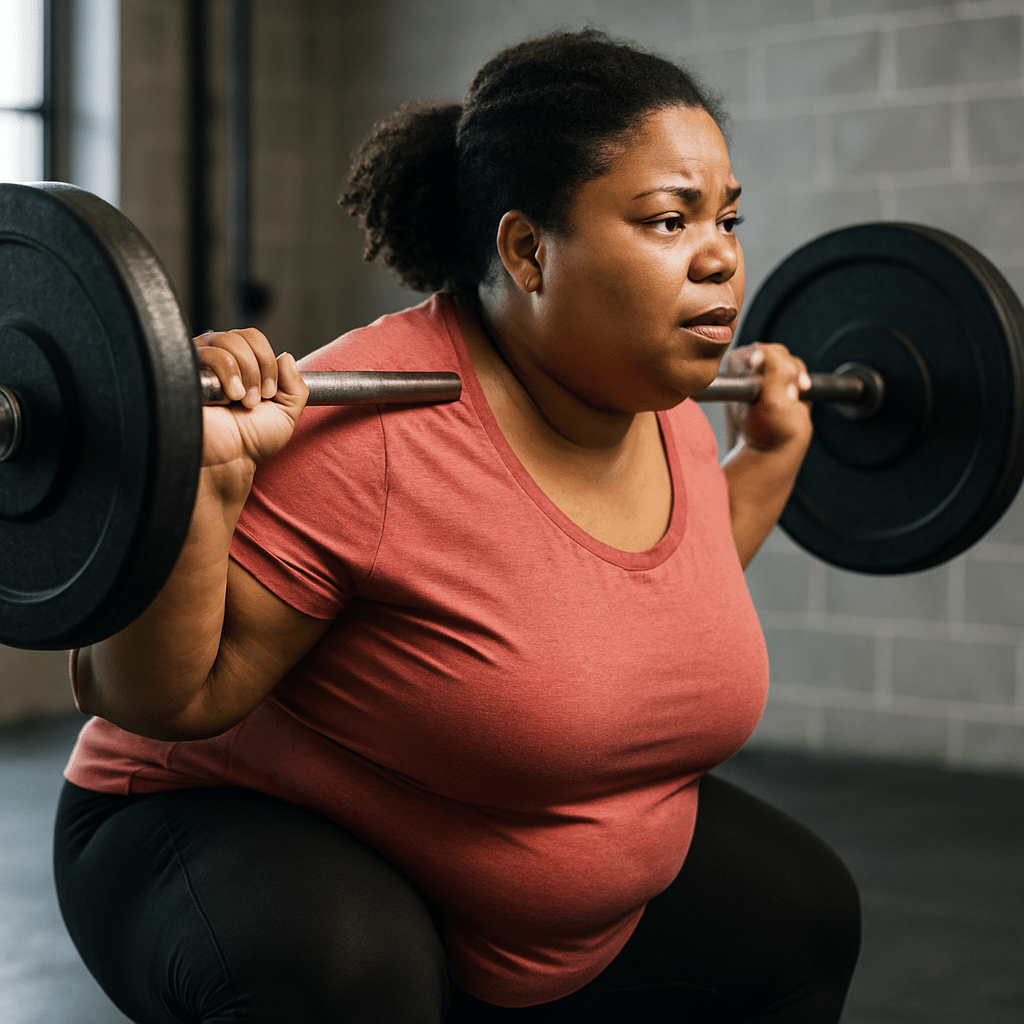
  1. Squats

Muscles worked: Quads, hamstrings, glutes, core

How to do it:

Position your feet about shoulder-width apart, with toes gently pointing outward.

Maintain an upright chest and tighten your core muscles.

Start by bending your hips and knees, lowering yourself as though you’re about to sit on a chair behind you.

Descend until your thighs are level with the floor, or go deeper if your flexibility permits.

Use your heels to powerfully lift yourself back up to the starting stance.

Repeat for 8–12 reps.

  1. Deadlifts

Muscles worked: Hamstrings, glutes, lower back, traps, forearms

How to do it:

Stand with feet hip-width apart, barbell over the mid-foot.

Hinge at your hips and bend your knees to grasp the barbell just outside your legs.

Maintain a flat back and lift your chest.

Engage your core as you lift the bar by straightening your hips and knees together.

Stand tall with shoulders back at the top.

Lower the bar slowly back to the floor.

Perform 6–10 reps with controlled form.

  1. Bench Press

Muscles worked: Chest, shoulders, triceps

How to do it:

Rest your back flat on a bench with your feet firmly positioned on the ground.

Hold the barbell with your hands placed just a bit wider than your shoulders.

Push the bar overhead until your arms are completely extended.

Repeat for 8–12 reps.

  1. Pull-Ups or Chin-Ups

Muscles worked: Back, biceps, shoulders

How to do it:

Grasp the pull-up bar with your palms facing outward for pull-ups, or toward you for chin-ups.

Let your body hang freely with your arms completely extended.

Pull yourself upward until your chin rises above the bar.

Lower yourself down with control.

Try to complete 6 to 10 repetitions, using support if necessary.

  1. Overhead Press

Muscles worked: Shoulders, upper chest, triceps

How to do it:

Stand with your feet roughly shoulder-width apart, gripping a barbell or dumbbells at shoulder height.

Engage your core and press the weights overhead until arms are fully extended.

Lower the weights back to shoulder level slowly.

Complete 8–12 controlled reps.

  1. Lunges

Muscles worked: Glutes, hamstrings, quads

How to do it:

Stand tall with feet hip-width apart.

Take a step forward with one leg and bend your hips and knees until both knees form roughly a 90-degree angle.

Make sure the front knee stays directly above the ankle.

Push back up to the starting position and switch legs.

Perform 10–12 reps per leg.

Tips to Maximize Fat Loss with Compound Exercises

Prioritize form: Proper technique reduces injury risk and ensures effective muscle engagement.

Use progressive overload: Gradually increase weights or reps to continually challenge your muscles.

Incorporate high-intensity intervals: Pair compound lifts with short cardio bursts for extra fat burn.

Rest adequately: Allow muscles to recover for optimal growth.

Maintain a balanced diet: Focus on protein-rich meals to support muscle repair and fat loss.

Benefits Beyond Fat Loss

Strength training with compound exercises improves bone density, metabolic health, posture, and energy levels, leaving you stronger and more resilient.

Categories
exercises fat loss Fitness flexibility flexibility & mobility strength training stretching

Dynamic vs. Static Stretching: What’s Best for Fat Loss?

When it comes to fat loss, most of us immediately think about calorie counting, cardio sessions, or intense weight training. But an often-overlooked piece of the puzzle is flexibility and mobility—and how stretching techniques fit into the bigger picture of fitness and fat loss.

So, which is better for shedding fat: dynamic stretching or static stretching? Let’s dive into both methods, their benefits, and how to incorporate them smartly to boost your fat loss journey.

Understanding Dynamic and Static Stretching

Dynamic stretching includes intentional motions that take your muscles through their entire range of movement, helping to get them ready for exercise. Examples of these stretches include swinging your legs, rotating your arms, and performing walking lunges. These actions gradually increase muscle warmth, boost circulation, and prepare your body for more vigorous physical activity.

Static stretching, on the other hand, is about holding a stretch position for a set period—usually 15-60 seconds—without movement. This helps improve overall flexibility and can be calming after a workout.

Which Stretching Type Supports Fat Loss?

The answer isn’t as simple as one being better than the other. Instead, it depends on when and how you use them in your routine.

Dynamic Stretching: Prime Your Body for Fat Burning

Starting your workout with dynamic stretches activates your muscles and nervous system, increasing heart rate and circulation. This warm-up helps enhance the effectiveness of your cardio or strength workouts, allowing you to burn more calories and support fat loss more efficiently.

Dynamic stretching also enhances mobility, which reduces injury risk and improves your exercise performance. When your body moves better, you can push harder and burn more fat.

How to Do Dynamic Stretching

Try this quick routine before your workout:

Leg Swings: Stand next to a sturdy surface for support, and carefully swing one leg forward and backward in a smooth, controlled manner for 10 to 15 times on each leg.

Arm Circles: Extend your arms straight out to the sides and make slow, small circular motions—perform 10 circles forward and then 10 circles backward.

Walking Lunges: Step forward into a lunge position, lower your back knee close to the ground, then step forward with the other leg. Do 10 lunges per leg.

Torso Twists: Stand with feet hip-width apart, twist your upper body side to side gently for 15 reps.

Perform each movement with control and gradually increase your range of motion.

Static Stretching: Recovery and Flexibility Boost

Static stretches are most effective when performed after workouts or during rest days. Although they don’t directly contribute to fat burning, they enhance flexibility and mobility, which are important for maintaining overall fitness and supporting fat loss over time.

By reducing muscle stiffness and aiding in recovery, static stretching helps you maintain a regular exercise routine—something essential for long-term fat loss success.

How to Do Static Stretching

After your workout, hold each stretch for 20-30 seconds without bouncing:

Hamstring Stretch: Sit down with one leg stretched out in front of you, and slowly reach toward your toes without forcing the movement.

Quadriceps Stretch: While standing, bend one knee and hold your ankle behind you, gently pulling your heel closer to your buttocks.

Chest Stretch: Stand in a doorway with your hands placed on each side of the frame, then lean forward slightly until you feel a gentle stretch across your chest.

Cat-Cow Stretch (to improve spinal flexibility): Begin on your hands and knees, then slowly arch your back toward the ceiling and then dip it downward, moving smoothly between the two positions.

Breathe deeply as you hold each position, and avoid pushing into pain.

Tips to Maximize Fat Loss Through Stretching

Warm up with dynamic stretches before any fat-burning workout to improve performance and reduce injury risk.

Cool down with static stretches to enhance recovery, reduce muscle soreness, and maintain flexibility.

Make stretching a regular habit, including on days when you’re resting, to enhance your overall mobility and maintain a sense of physical well-being.

Combine stretching with strength training and cardio for a balanced, effective fat loss program.

Final Thoughts

While neither dynamic nor static stretching burns fat directly, their roles in a fat loss program are crucial. Dynamic stretching gets you ready to burn more calories efficiently, while static stretching helps you recover and stay flexible—both supporting your fitness journey in different but complementary ways.

Embrace both, and you’ll not only feel better but also improve your chances of achieving lasting fat loss.

Categories
Cold Showers fat loss Fitness recovery & wellness

Cold Showers vs. Ice Baths: What’s Better for Fat Loss?

When it comes to optimizing fat loss, fitness enthusiasts and athletes often explore recovery techniques beyond diet and exercise. Among these, cold exposure methods like cold showers and ice baths have gained attention for their potential benefits. So, which method truly delivers the best results for fat loss? Let’s dive into the science, practical applications, and wellness benefits — including step-by-step instructions — to help you decide.

Understanding Cold Exposure and Fat Loss
Exposure to cold stimulates brown fat, a type of tissue that helps burn calories by producing heat.

This heat-generating, or thermogenic, response can aid in fat loss by boosting how many calories your body uses.

That said, the effectiveness varies based on how cold the exposure is, how long it lasts, and individual differences.

Cold Showers: Simple and Accessible
Cold showers mean standing under chilly water—usually ranging from about 50°F to 70°F—for several minutes. They’re simple to add to your everyday routine, need no special gear, and provide advantages for recovery, overall wellness, and supporting fat loss.

Benefits:
Boosts metabolism and alertness.

Reduces muscle soreness and inflammation.

Builds mental toughness and resilience.

How to Do a Cold Shower for Fat Loss:
Start Warm: Begin your shower with warm water to relax your muscles.

Gradually Cool Down: Slowly reduce the temperature over 1-2 minutes until it’s uncomfortably cool but manageable.

Time It Right: Stay under cold water for 2–5 minutes. Beginners can start with 30 seconds and build up gradually.

Focus on Breathing: Take deep, steady breaths to help your body adapt and reduce shock.

End Warm or Cold: Some prefer to finish cold for maximum benefits, others warm for comfort. Both are fine.

Frequency: Aim for 3-5 times per week for consistent fat loss and recovery benefits.

Ice Baths: Intense and Effective
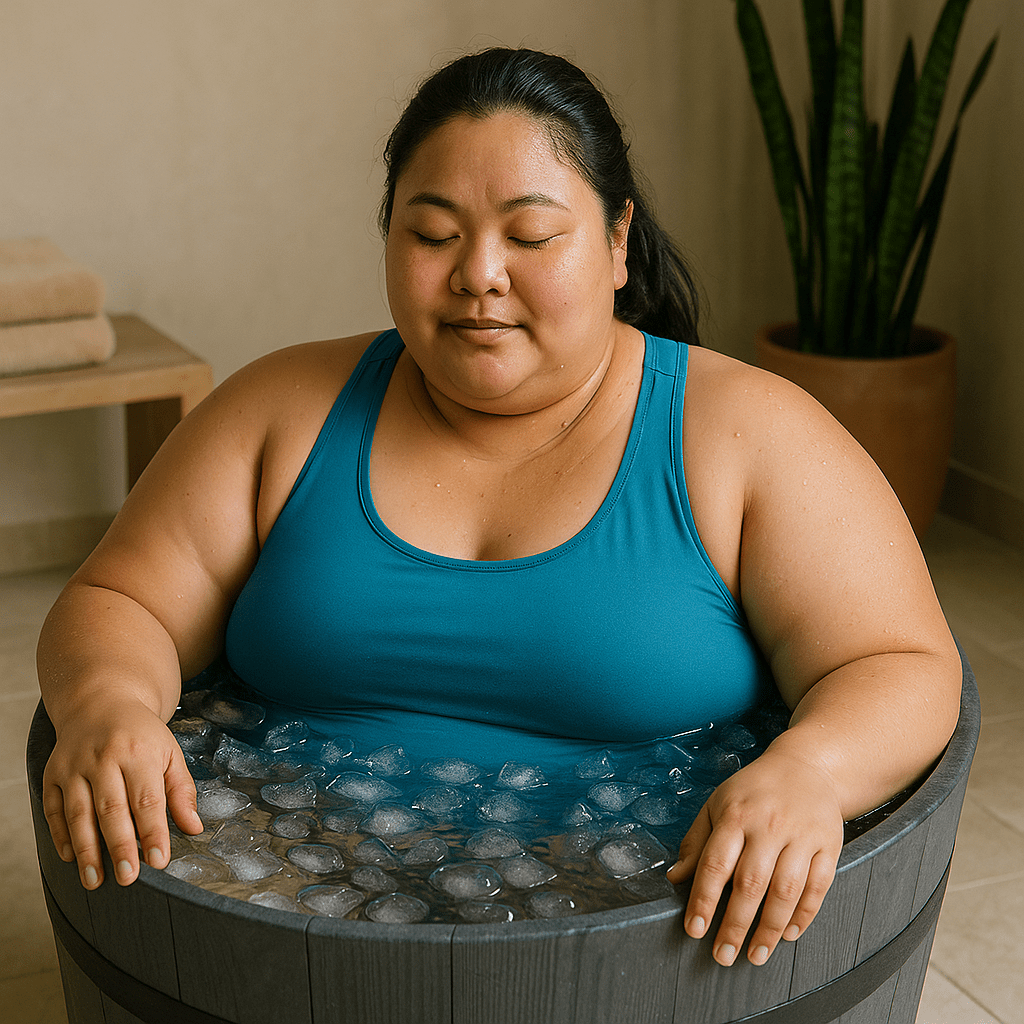
Ice baths involve immersing your body in a tub filled with ice and water, typically between 32°F and 55°F, for 10 to 15 minutes. This method offers intense cold exposure, which can amplify fat-burning effects and recovery.

Benefits:
Increases calorie burn through intense thermogenesis.

Reduces muscle inflammation and speeds recovery.

Strongly activates brown fat tissue.

How to Take an Ice Bath for Fat Loss:
Prepare the Bath: Fill a tub with cold water and add enough ice to lower the temperature to around 50°F or below.

Check Temperature: Use a thermometer to ensure safe levels; don’t go below 32°F to avoid frostbite risks.

Enter Slowly: Ease into the bath gradually, sitting down carefully to let your body adjust.

Set a Timer: Limit sessions to 10-15 minutes to avoid hypothermia or excessive stress.

Stay Calm: Focus on controlled breathing to maintain relaxation and reduce shock.

Warm Up Afterwards: After exiting, dry off and warm yourself gradually with a towel or warm clothes.

Frequency: Limit ice baths to 2-3 times per week to avoid overexposure and give your body time to recover.

Which Is Better for Fat Loss?
Ice baths may offer more potent fat-burning benefits due to deeper cold exposure and stronger brown fat activation. However, cold showers are easier to integrate into daily life and still support recovery and fat loss effectively. Starting with cold showers and gradually advancing to ice baths—if desired and safe—can be an excellent, balanced strategy.

Tips for Safe and Effective Cold Exposure
Always consult a healthcare professional if you have heart conditions, circulatory issues, or other health concerns.

Never stay in ice baths longer than recommended.

Avoid cold exposure if you feel dizzy, numb, or extremely uncomfortable.

Combine cold exposure with proper nutrition, exercise, and rest for best results.

Final Thoughts on Recovery & Wellness for Fat Loss
Both cold showers and ice baths are valuable tools in your fat loss and fitness toolkit. Used consistently and safely, they enhance recovery, boost metabolism, and promote overall wellness. Remember, cold exposure complements—not replaces—healthy habits like balanced eating and regular physical activity.