Categories
busy schedules dumbell exercises Fitness fitness-tips Gym home workout strength training

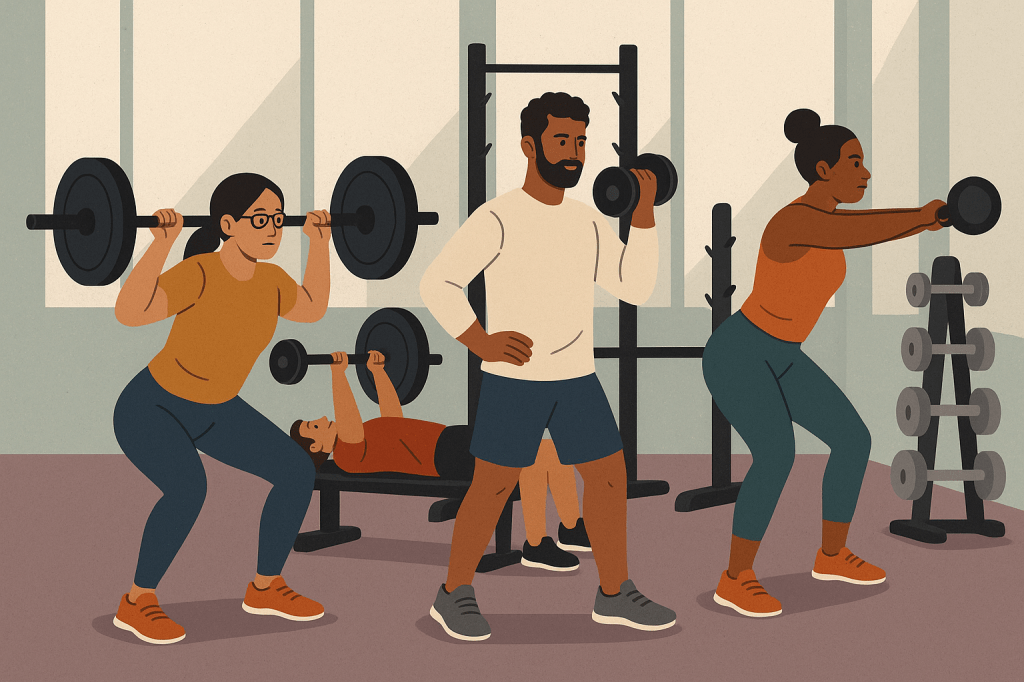
Top Dumbbell Exercises for Busy Schedules

In today’s fast-paced world, carving out time for fitness can feel like a challenge, especially when juggling work, family, and social commitments. However, strength training doesn’t have to be time-consuming or complicated. Dumbbells offer a versatile and efficient way to maintain fitness even with the busiest schedules. This guide explores top dumbbell exercises designed to maximize your workout in minimal time, helping you build strength, boost energy, and stay healthy.

Why Strength Training Matters for Busy Schedules

Strength training is a cornerstone of overall fitness. It improves muscle tone, enhances metabolism, supports bone health, and increases functional strength, all of which contribute to better daily performance and long-term wellness. For those with busy schedules, dumbbells provide an accessible solution that fits anywhere—at home, in the office, or on the go—making it easier to stay consistent without sacrificing precious time.

Benefits of Dumbbell Workouts for Busy People

Time-efficient: Many dumbbell exercises target multiple muscle groups simultaneously, allowing you to work out more in less time.

Flexible: Dumbbells are portable and require minimal space, so you can exercise virtually anywhere.

Adaptable: Suitable for all fitness levels, you can easily adjust the weight to increase or decrease intensity.

Improves balance and coordination: Dumbbells force your body to stabilize itself, which engages more muscles and improves overall fitness.

Top Dumbbell Exercises for a Busy Lifestyle (With Instructions)

  1. Goblet Squat

Instructions:

Grasp a dumbbell with both hands, holding it close to your chest in an upright position.

Position your feet about shoulder-width apart.

Bend your knees and push your hips backward, lowering your body as if you were sitting down onto a chair.

Maintain an upright chest and a straight back throughout the movement.

Descend until your thighs are roughly parallel to the floor or as far as your flexibility allows.

Drive through your heels to rise back up to the starting position.

Reps: 3 sets of 12-15.

  1. Dumbbell Deadlift

Instructions:

Hold a dumbbell in each hand in front of your thighs, palms facing your body.

Stand with feet hip-width apart.

Keeping your back flat, hinge at your hips and lower the dumbbells down your legs.

Lower until you feel a stretch in your hamstrings, usually just below the knees.

Activate your glute and hamstring muscles to lift your body back to an upright position.

Reps: 3 sets of 10-12.

  1. Dumbbell Shoulder Press

Instructions:

Grip a dumbbell in each hand, positioning them at shoulder level with your palms facing forward.

Maintain a straight spine, whether seated or standing.

Push the dumbbells upward until your arms are straight but your elbows remain soft.

Slowly lower the dumbbells back to shoulder height.

Reps: 3 sets of 10-12.

  1. Renegade Rows

Instructions:

Get into a high plank position with a dumbbell in each hand, palms gripping the dumbbells.

Keep your body straight and core tight.

Row one dumbbell up towards your hip, keeping your elbow close to your body.

Bring the dumbbell back down to the starting position, then perform the same movement with the opposite arm.

Avoid rotating your hips during the movement.

Reps: 3 sets of 8-10 per arm.

  1. Dumbbell Russian Twists

Instructions:

Position yourself on the floor with bent knees and lift your feet just above the surface.

Hold a dumbbell with both hands positioned in front of your chest.

Lean back gently, maintaining a straight spine.

Twist your upper body to the right, lowering the dumbbell toward the floor beside your hip.

Reps: Complete 3 sets of 20 twists (10 per side)

Prioritize compound movements: Exercises that engage multiple muscle groups save time and boost calorie burn.

Keep it consistent: Consistency beats intensity when time is limited. Small, regular workouts accumulate to big gains.

Warm-up and cool down: Even quick sessions benefit from proper preparation and recovery to prevent injury.

Final Thoughts

Incorporating dumbbell exercises into your routine is an effective way to balance strength training with a busy lifestyle. By focusing on compound, efficient movements and maintaining consistency, you’ll see improvements in fitness, energy, and overall well-being—no matter how packed your schedule gets. Remember, it’s not about spending hours in the gym but making the most of the time you have.

Categories
busy schedules Fitness fitness-tips foam roller recovery recovery & wellness

How to Use a Foam Roller for Busy Schedules

In the rush of everyday life, recovery often gets pushed to the side. But the truth is, you don’t need an hour-long massage or a spa day to feel better. For those with busy schedules, foam rolling is one of the most efficient tools for maintaining your fitness and overall global recovery & wellness—and it takes just minutes.

Why Foam Rolling Matters When You’re Busy

Foam rolling, or self-myofascial release, helps reduce muscle tightness, improve circulation, and enhance mobility. It’s fast, low-effort, and you can do it virtually anywhere—perfect for people who don’t have time to spare.

3 Foam Rolling Routines You Can Fit Into Any Day

  1. Morning Wake-Up (5 Minutes)

Goal: Loosen up after sleep and get your blood flowing.

Instructions:

Upper Back (Thoracic Spine)

Lie down with the foam roller under your upper back, perpendicular to your spine.

Place your hands behind your head for support, raise your hips off the ground, and slowly roll from the shoulder blades toward the middle of your back

Roll for 30–60 seconds.

Quads (Front of Thighs)

Quads (Front of Thighs)

Start by lying on your stomach with the foam roller positioned beneath your thighs.

Gently roll from just above your knees up toward the tops of your thighs, near your hips.

For a deeper massage, try focusing on one leg at a time.

Aim to spend about 1 to 2 minutes total on this area.

Calves

Use your hands to lift your hips slightly, then roll slowly from your ankles to just below your knees.

Pause briefly on any tight or sore spots to release tension.

Lift your hips slightly off the floor and roll from your ankles to just below your knees.

Pause on tight spots.

Roll for 30–60 seconds per leg.

  1. Desk Break Routine (3 Minutes)

Goal: Counteract long sitting hours and improve circulation.

Instructions:

Hamstrings

Sit with one leg extended and the foam roller under your hamstring.

Slowly glide the roller from the area just behind your knee up toward your glute muscles.

Switch legs after 30 seconds.

Glutes (Hip Area)

Position yourself seated on the foam roller, then place your right ankle over your left knee to form a figure-four shape.

Lean slightly into the side you’re rolling.

Move gently in both directions for about 30 to 60 seconds on each side.

Mid-Back Stretch

Lie back on the roller and open your arms wide for a passive chest opener.

Hold this position for about 30 seconds to help release tension and gently open up your posture

  1. Evening Wind Down (10 Minutes)

Goal: Release tension and prepare your body for better sleep.

Instructions:

IT Band (Outer Thigh)

Position yourself on your side and place the foam roller beneath the outside of your thigh.

Roll from just below your hip to above your knee.

Use your opposite leg and arms for support.

Roll each side for 1 minute.

Upper Back / Shoulders

Lie back on the roller and focus more toward the upper traps and rear delts.

Gently move side-to-side to massage the area.

Roll for 1 minute.

Lower Back + Hips (Gently)

Sit on the roller and slowly move over the sacrum (just above your tailbone).

Stay gentle—this area is sensitive.

Roll for 30 seconds.

Feet (Optional)

Using a smaller roller or massage ball, gently massage the bottoms of your feet while sitting or standing.

Spend 30 seconds per foot—a great way to unwind.

Tips to Make Foam Rolling Stick with a Busy Schedule

Leave the Roller Out: Seeing it reminds you to use it.

Use Time Anchors: Pair foam rolling with routines you already have (like morning coffee or pre-bed stretching).

Short Sessions Matter: Even 2 minutes makes a difference.

Keep It Portable: A travel-sized foam roller fits in a gym bag, suitcase, or under your desk.

Final Thoughts

Recovery doesn’t need to be complicated or time-consuming. With just a few minutes a day, foam rolling supports global recovery & wellness, reduces the risk of injury, and helps you feel more mobile—even with a packed schedule.

Whether you’re chasing fitness goals or just trying to feel better after long workdays, this simple habit makes a lasting impact. Foam rolling isn’t just for athletes—it’s for anyone trying to stay active, healthy, and well.

Categories
busy schedules Fitness flexibility flexibility & mobility

Daily Mobility Routine to Prevent Busy Schedules

Modern life doesn’t leave much breathing room. Between tight calendars and digital overload, it’s easy to neglect your body’s basic need for movement. You don’t have to dedicate hours at the gym or join a yoga class to enhance your mobility and flexibility. With a short, daily routine, you can stay limber, reduce aches, and maintain physical well-being — even with the busiest schedule.

Why Flexibility & Mobility Matter

Often overlooked, mobility and flexibility are key components that support overall physical health and performance. While flexibility refers to your muscles’ ability to stretch, mobility is about how well your joints move through a range of motion. When you maintain both, you’re more likely to:

Move efficiently and pain-free

Prevent stiffness and long-term injury

Improve posture and circulation

Feel more energized during your day

For those balancing busy schedules, focusing on mobility is one of the most efficient ways to stay fit without the time commitment of traditional workouts.

Quick Daily Mobility Routine (5–7 Minutes)

This mobility routine is designed to be done anywhere — at home, the office, or even during travel. No equipment required. Just your body, a little space, and consistency.

  1. Neck Rolls (30 seconds)
    Purpose: Relieves neck stiffness from long hours at a desk.

Instructions:

Sit or stand tall with your shoulders relaxed.

Slowly lower your chin to your chest.

Gently circle your head to the right for roughly 15 seconds, maintaining a steady and fluid motion throughout.

Reverse direction for another 15 seconds.

Move slowly — no jerking or forcing.

  1. Shoulder Rolls (30 seconds)

Purpose: Loosens tight shoulders and improves posture.

Instructions:

Stand with arms relaxed at your sides.

Shoulder Rotations (30 seconds)

Start by moving your shoulders forward in large, deliberate circles for about 15 seconds.

Next, change direction and move your shoulders in backward circles for an additional 15 seconds.

As you move, breathe deeply and aim to exaggerate each rotation to release tension.

Hip Circles (1 minute)

Purpose: Loosens tight hips and alleviates tension in the lower back while promoting better joint movement.

Instructions:

Stand with your feet shoulder-width apart.

Place hands on your hips.

Slowly rotate your hips in wide circles to the right for 30 seconds, keeping the motion steady and controlled.

Repeat counter-clockwise for 30 seconds.

Keep your feet planted and upper body relaxed.

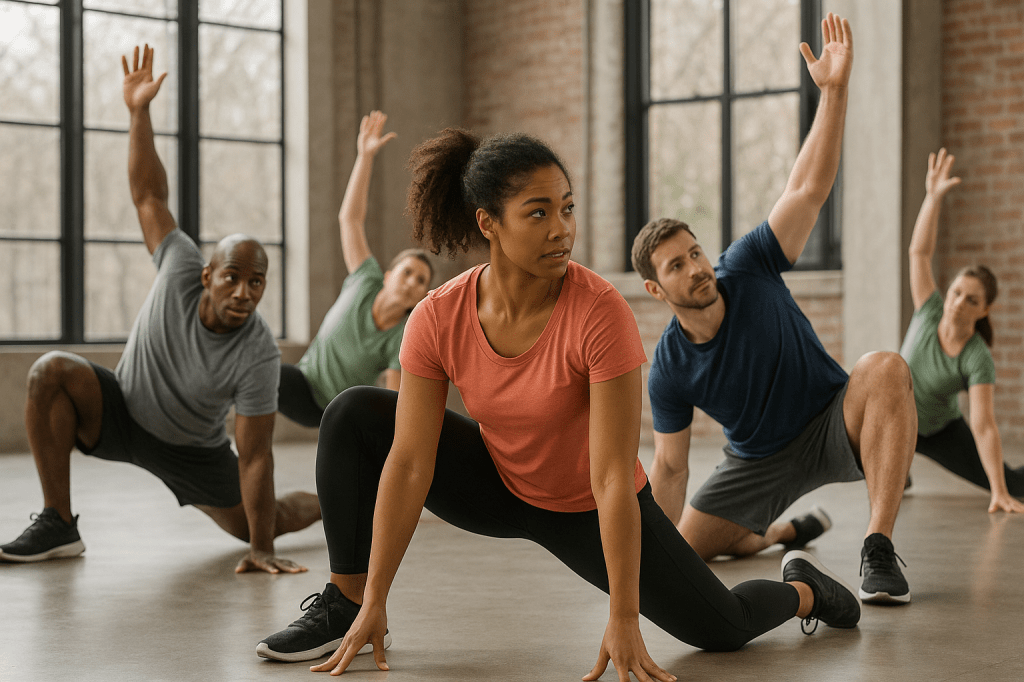
  1. World’s Greatest Stretch (1 minute per side)

Goal: A comprehensive stretch that focuses on the hips, hamstrings, spine, and shoulders.

Instructions:

Step your right foot forward into a lunge.

Bring your left hand down to the floor and gently lower your right elbow inside your right knee.

Pause here for about 10 seconds, allowing your hips to open.

Next, twist your upper body to the right and reach your right arm toward the sky. Hold this stretch for another 10 seconds.

Return to the starting lunge position, step back, and switch sides to repeat the movement on the left.

Do 2–3 reps per side.

  1. Downward Dog to Cobra Flow (1 minute)

Purpose: Increases spine, shoulder, and core flexibility.

Instructions:

Start in a push-up position.

Lift your hips upward and backward, creating an inverted V shape as you move into Downward Dog.

Stay in the position for about five seconds, concentrating on the stretch through your back and the backs of your legs.

Gently lift your chest upward into Cobra Pose, allowing a slight bend in your elbows and keeping your shoulders relaxed and away from your ears.

Alternate between the two positions for 1 minute, moving slowly and with control.

Tips to Make It a Daily Habit

Stack it with another habit (right after brushing your teeth or before lunch).

Create a regular alert on your phone or schedule to help you stay consistent.

Keep it visible – post the routine on your wall or desk.

Start small – even just 3 minutes a day is progress.

The Benefits You’ll Notice

Less stiffness and tightness, especially if you sit a lot

Better posture and spinal alignment

Easier movement during everyday tasks

Improved focus and mood, thanks to intentional movement breaks

Long-term injury prevention without a heavy time investment

Final Thoughts

It’s not about making time — just dedicating a few minutes and being ready to get moving. A daily mobility routine gives your body what it needs without stealing time from your priorities. Whether it’s before your morning coffee or as a midday reset, a little flexibility & mobility goes a long way toward feeling strong and capable, no matter how packed your schedule is.

Categories
busy schedules Fitness gear & reviews

Easy Busy Schedules Fitness Trackers Compared

We get it — you’re juggling a packed calendar, maybe running from school drop-offs to Zoom calls, barely getting time to sit down, let alone squeeze in a workout. But here’s the good news: today’s fitness trackers are built to keep up with busy lives, helping you stay active and mindful without demanding hours you don’t have.

Here’s a handy rundown of the top fitness trackers for busy folks, along with simple tips to help you get the most out of them—even when your schedule’s packed.

Top Fitness Trackers for Busy Schedules

  1. Fitbit Charge 6
    Best For: Easy tracking that actually pays off without a lot of hassle
    Why It Works: The Charge 6 covers the basics—heart rate, steps, sleep, and stress—without drowning you in numbers.

How to Use It Efficiently:

Step 1: Download the Fitbit app and pair your device (takes under 10 minutes).

Step 2: Set your daily movement goal (e.g., 6,000 steps) based on your real lifestyle.

Step 3: Enable reminders to move — these gently nudge you if you’ve been inactive for too long.

Step 4: At night, wear the band to automatically track your sleep without any extra steps.

Battery Life: Up to 7 days
Busy Schedule Bonus: Swipe up to see your stats instantly without diving into menus.

  1. Garmin Vivosmart 5
    Best For: Data-minded people with little time
    Why It Works: Offers advanced metrics like oxygen levels, respiration, and stress, without being overly “techy.”

Quick Start Instructions:

Step 1: Charge it fully, then connect to the Garmin Connect app.

Step 2: Select your goals: fitness, stress, or sleep — the app will adjust your dashboard.

Step 3: Use the Body Battery feature to know when to push and when to rest — a lifesaver if you often feel drained.

Battery Life: Up to 7 days
Busy Life Perk: Get important updates at a glance—without falling into a social media scroll trap.

  1. WHOOP Strap 4.0
    Best For: Prioritizing recovery and balance
    Why It Works: WHOOP is screen-free, focused solely on performance and rest — making it ideal if you hate distractions.

Instructions for Success:

Step 1: Charge the strap (you can wear it while charging with the battery pack).

Step 2: Download the WHOOP app and fill out the quick setup survey — that way, it can tailor your recovery scores just for you.

Step 3: Keep it on around the clock — WHOOP really shines when it’s tracking you nonstop.

Want it a little more laid-back or with some fun flair?

Happy to keep them coming if you want!

Let me know if you want it even more playful or laid-back!

Craving something more laid-back or a bit playful?

Step 4: Each morning, peek at your recovery score — think of it as your daily energy check: green means full steam ahead, red means take it easy and rest up.

Efficiency Edge: The minimalist, screen-free build keeps distractions away while still giving you meaningful performance data.

  1. Apple Watch SE (2nd Gen)
    Best For: Multitaskers who want fitness + functionality
    Why It Works: It tracks workouts, sends reminders, manages your calendar, and even answers calls.

Fast Setup Guide:

Step 1: Pair with your iPhone and set your activity goals (Move, Exercise, Stand).

Step 2: Enable Siri so you can start a workout or set a reminder hands-free.

Step 3: Use the pre-loaded workout app — select from Quick Start, HIIT, yoga, or even 5-minute walk breaks.

Battery Life: About 18 hours (charge it while you shower or prep dinner)
Busy Schedule Bonus: Respond to texts or reschedule meetings while on your walk.

Real-Life Tips for Getting the Most From Your Tracker
Whether you choose Fitbit, Garmin, WHOOP, or Apple, these simple steps can help you build consistency:

Anchor movement to daily routines.
Try 5 minutes of walking after lunch or squats while brushing your teeth — let your tracker nudge you.

Check your stats at the same time each day.
Mornings work best for most — look at sleep, readiness, or movement goals during your coffee.

Log short sessions instead of skipping entirely.
Got 7 minutes? Use the Quick Workout feature on Apple Watch or Fitbit to log a burst of activity.

Don’t chase perfection — track progress.
Let your device help you notice trends, like improved sleep or reduced resting heart rate, not just step counts.

The Real Benefit? More Awareness in Less Time
Fitness trackers aren’t about obsessing over steps — they’re about staying connected to your body in a world that pulls you in every direction.

With the right tool and a few minutes of setup, you can make wellness fit into your life, not fight for space in it. Whether you’re sprinting through deadlines or just trying to carve out 10 minutes of calm, these devices are built to support you — not stress you out.

Curious about more time-saving gear and honest reviews?
Stick around — we’re diving into everything from compact recovery tools to kitchen gadgets that keep up with your pace.