Categories
cardio cardio & endurance cycling exercises Fitness fitness-tips home workout men recovery & wellness running workouts

Cycling vs. Running: Which Is Better for Men?

When it comes to building cardio & endurance, few workouts compete with running and cycling. They’re both highly effective, scalable, and accessible for men at any fitness level. But how do you know which one suits your goals, body type, and schedule best?

This guide breaks down the benefits, differences, and real-world instructions to help you make the best decision for your training routine.

  1. Cardiovascular & Endurance Benefits

Both activities will boost heart health, stamina, and aerobic capacity—but they work your body differently.

Running

Benefit: Builds cardiovascular strength quickly

Best for: High-intensity workouts, fat loss, time-efficient routines

Instruction:

Start with a 20-minute jog at conversational pace, 3x/week.

Add one session of intervals (e.g., 30 sec sprint, 90 sec walk, repeat 6–8x).

Warm up and cool down with 5–10 minutes of walking.

Cycling

Benefit: Strengthens heart and lungs without joint stress

Best for: Long sessions, injury prevention, steady-state endurance

Instruction:

Start with 30-minute bike sessions at a comfortable, consistent pace, aiming for a smooth pedaling rhythm of around 80 to 90 revolutions per minute.

Gradually increase time/distance weekly by 10–15%.

Include one hill or resistance ride weekly to build leg power.

  1. Muscle Activation and Joint Impact

Running

Involves high-impact movement and activates key lower-body muscles like the calves, hamstrings, and glutes, while also requiring core stability.

Caution: May cause joint wear, especially in knees and hips.

Instruction:

Invest in high-quality running shoes with arch and heel support.

Stick to softer surfaces (dirt trails, tracks) 2–3 days/week.

Incorporate strength training (e.g., lunges, squats) twice a week to reduce injury risk.

Cycling

Low-impact; activates quads, glutes, and calves.

Ideal for recovery days or post-injury training.

Instruction:

Adjust seat height: When pedaling, your leg should be almost fully extended at the bottom.

Use clip-in pedals for efficiency once you’re comfortable.

Add core work (planks, bridges) to balance muscle engagement.

  1. Calorie Burn and Fat Loss

Running

Burns more calories per minute.

Best for quick fat reduction.

Instruction:

Combine steady-state runs (20–30 min) with intervals 1–2x/week.

Monitor effort using heart rate or RPE (Rate of Perceived Exertion: aim for 7–8 during intervals).

Keep rest days to recover and avoid burnout.

Cycling

Lower calorie burn per minute, but can ride longer and more often.

Instruction:

Aim for 45–60 min moderate rides or 30 min intense sessions.

Use apps like Strava or Zwift to track output (watts, distance, elevation).

Try fasted morning rides (if approved by a physician) for fat burning.

  1. Convenience and Lifestyle Fit

Running

Minimal gear and planning. Great for travel or urban life.

Instruction:

Keep a backup pair of running shoes in your car or office.

Use running apps with GPS tracking to find new routes wherever you are.

Don’t run on consecutive days at first — allow recovery time.

Cycling
More planning involved (gear, route, safety) but can be more enjoyable for longer durations.

Instruction:

Start with a hybrid or road bike — get a professional fit if possible.

Make sure to wear a helmet at all times, and equip your bike with lights or reflective accessories when riding in dim or dark conditions.

Join a local group ride once a week to stay motivated.

  1. Sample Weekly Routine (Beginner to Intermediate)

Day Workout

Monday Rest or 20-min light recovery ride

Tuesday 30-min run (moderate pace)

Wednesday 45-min cycle (steady pace)

Thursday Strength training + core

Friday 20-min interval run

Saturday 60-min cycle (with hills)

Sunday Active recovery walk/stretch

Final Thoughts: Which Is Better?

There’s no universal winner. Both cycling and running help men build cardio & endurance, stay lean, and improve mental focus. The right choice is the one you’ll stick with, enjoy, and benefit from long term.

TL;DR:

Choose Running if you want quick workouts, fat loss, and don’t mind impact.

Many men find the perfect mix by alternating both: running for intensity, cycling for recovery and endurance.

Pro Tips for Men Getting Started

Stretch after every session to improve recovery

Hydrate before, during, and after workouts

Fuel smart: Eat carbs 1–2 hours pre-workout; protein post

Aim for 7 to 8 hours of quality sleep each night to support recovery and maintain healthy hormone levels.

Stay consistent — results build with time, not perfection
Categories
beginners Fitness nutrition & meal snacks workouts

High-Protein Snacks for Beginners Workouts

If you’re new to working out, you’ve likely heard that protein is important—but figuring out how to include it in your day without overcomplicating things can feel confusing. This guide breaks down easy, beginner-friendly high-protein snacks, explains why they matter, and gives you step-by-step instructions to make them at home or prep ahead of time.

Whether you’re exercising to build strength, lose fat, or improve endurance, your results start in the kitchen—with smart nutrition & meal prep.

Why Protein Matters in Fitness for Beginners

For beginners in fitness, protein plays a major role in:

Repairing and building muscle

Supporting metabolism

Reducing post-workout soreness

Preventing excess hunger later

Snacking on high-protein foods helps you recover from workouts and avoid overeating between meals. Now let’s look at how to prepare some beginner-friendly options.

6 High-Protein Snack Ideas (with Instructions)

  1. Greek Yogurt + Berries

Protein per serving: ~15g

What you need:

1 cup plain Greek yogurt (2% or full-fat)

½ cup mixed berries (fresh or frozen)

Optional: sprinkle of chia seeds or honey

Instructions:

Scoop yogurt into a bowl or container.

Add berries on top.

Stir in chia seeds or drizzle honey if desired.

Store in the fridge or eat immediately.

  1. Boiled Eggs

Protein per egg: ~6g

What you need:

6 large eggs

Salt, pepper, or paprika

Instructions:

Place eggs in a pot, cover with water.

Heat until the water starts boiling, then lower the temperature and let the eggs cook gently for about 9 to 12 minutes.

Transfer to cold water and peel when cooled.

Store in the fridge up to 1 week.

Meal Prep Tip: Boil a batch on Sunday and grab 1–2 each day.

3.Cottage Cheese + Pineapple

Protein per serving: ~14g

What you need:

½ cup cottage cheese (low-fat or full-fat)

¼ cup diced pineapple (fresh or canned in juice)

Instructions:

Spoon cottage cheese into a bowl or container.

Add pineapple chunks on top.

Eat cold—no prep required!

  1. Hummus + Veggie Sticks

Protein per serving: ~6–8g

What you need:

½ cup hummus

1 cup raw veggies (carrots, bell peppers, cucumber, etc.)

Instructions:

Wash and slice your vegetables.

Portion into containers with hummus.

Keep chilled until snack time.

Prep multiple servings at once for the week.

  1. Nut Butter on Rice Cakes

Protein per serving: ~7g

What you need:

1–2 plain rice cakes

2 tbsp natural peanut or almond butter

Optional: banana slices or cinnamon

Instructions:

Spread nut butter evenly across rice cakes.

Top with banana slices or cinnamon if desired.

Eat immediately or prep in advance and wrap.

  1. Tuna Packet with Avocado

Protein per serving: ~18–20g

What you need:

One 3-ounce pouch of tuna packed in either water or olive oil

¼ mashed avocado

Salt, pepper, squeeze of lemon

Instructions:

Open tuna packet and place in a bowl.

Mix in mashed avocado and season to taste.

Pair with whole-grain crackers or wrap in crisp lettuce for a fresh, easy bite.

Ready in 2 minutes and ideal for post-workout protein!

Meal Prep Tips for Beginners

Start small: Pick 2 snacks to prep this week.

Use transparent containers and portion your snacks to keep things tidy and easy to find

Balance is key: Pair protein with fiber or healthy fats.

Don’t overthink it: Keep ingredients simple and affordable.

Benefits of High-Protein Snacking

Supports muscle recovery

Reduces cravings between meals

Improves satiety and energy

Helps regulate blood sugar

Final Thoughts

When you’re starting out, the goal isn’t perfection—it’s consistency. These protein-rich snack options are simple, hassle-free, and perfect for anyone just starting out. By incorporating them into your nutrition & meal prep routine, you’ll build a strong foundation for your fitness journey—one bite at a time.

Categories
Fitness Meals nutrition & meal women

Healthy Meal Prep for Women Days

Balancing wellness, work, and everything in between isn’t easy — especially when your schedule leaves little time to think about food. That’s where meal prep can truly change your life. This guide breaks down everything you need to know about nutrition & meal prep specifically for women – with realistic tips, instructions, and benefits that support your fitness and lifestyle.

Why Meal Prep Matters for Women

Whether you’re training, managing a busy household, or simply trying to eat better, prepping your meals helps you:


Maintain energy throughout the day
Avoid last-minute unhealthy food choices
Fuel your body for workouts and recovery
Reduce stress around food decisions
Stay in control of your health goals

How to Start: Step-by-Step Meal Prep Instructions

Here’s a simple and effective way to plan and prep your meals for the week:

Step 1: Plan Your Meals (30 minutes)

Pick 2–3 main meals you enjoy and that align with your goals (e.g., high protein, plant-based, low-carb).

Choose meals that share ingredients to save time and money.

Make sure to include snacks and breakfast in your plan, as they’re commonly missed but important.

Example Weekly Plan:

Breakfast: Overnight oats with almond butter & berries

Lunch: Grilled chicken quinoa bowls

Dinner: Veggie stir-fry with brown rice

Snacks: Greek yogurt, almonds, chopped cucumbers

Step 2: Make a Grocery List (15 minutes)

Break it down into categories: proteins, veggies, grains, dairy, pantry, snacks

Check what you already have at home

Stick to the list to avoid impulse buys

Tip: Use a grocery app or notepad to stay organized.

Step 3: Prep & Cook (1.5–2 hours on your chosen day)

Choose a day when you have time to prep — Sundays work well for many, but midweek is fine too.

Start with ingredients that take longest (e.g., rice, baked sweet potatoes)

While those cook, chop veggies and portion out snacks

Cook proteins (grill, roast, or sauté chicken, tofu, etc.)

Assemble meals in containers or keep ingredients separate for mix-and-match flexibility

Label containers with contents + date (especially if freezing)

Pro Tip: Use a sheet pan to roast multiple veggies at once for easy cleanup!

Step 4: Store Smart

Use glass or BPA-free containers with tight lids

Separate sauces/dressings to keep meals fresh

Stack meals for easy grab-and-go access

Freezer Tip: Freeze one or two servings for busier weeks — just thaw overnight in the fridge.

Bonus: Quick & Healthy Meal Ideas

Protein Power Bowl

Quinoa + roasted chickpeas + spinach + tahini drizzle

Simple Stir-Fry

Broccoli + carrots + tofu + brown rice + sesame oil

Mason Jar Salad

Start by placing the dressing on the bottom, then add grains and vegetables, finishing with a layer of fresh greens on top.

Tips for Long-Term Success

Keep it flexible: Life happens. Prepping just 2 meals a week is still progress.

Rotate ingredients: Try different grains, proteins, and sauces to avoid burnout.

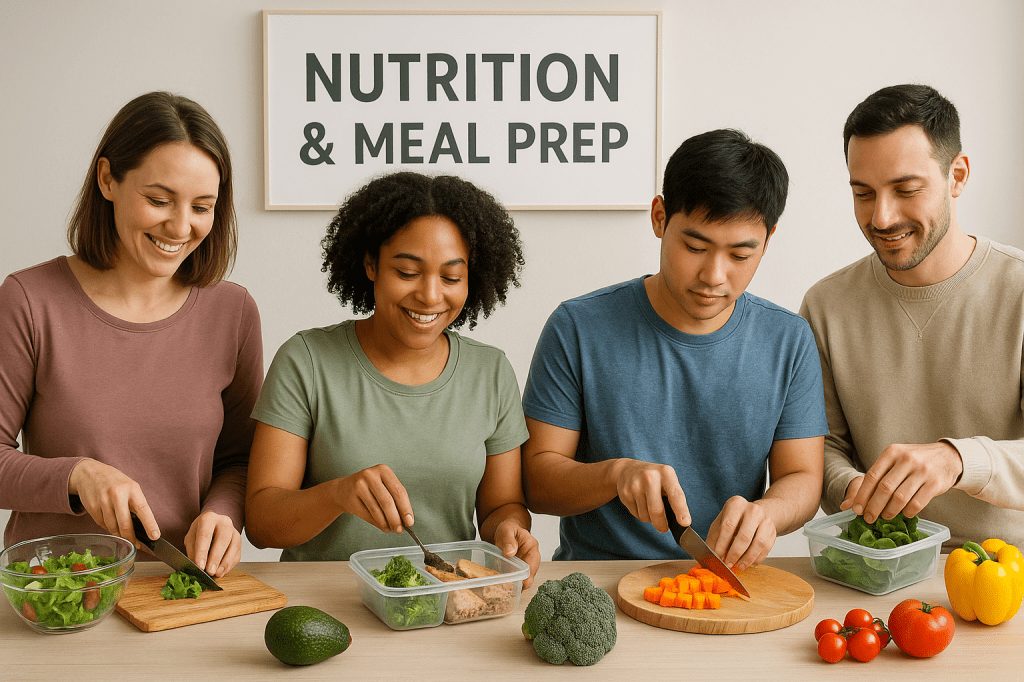
Prep with a friend: Makes the process more fun and adds accountability.

Pay attention to your body’s signals and tailor your portion sizes and nutrient balance according to your energy needs and daily activity.

Final Thoughts

Meal prepping is more than just a health hack — it’s an act of self-care. By planning ahead, you’re giving yourself the gift of time, energy, and confidence. Whether your goal is to feel better, get stronger, or simply eat more whole foods, meal prep can support every part of your wellness journey.

Start small, stay consistent, and remember: You don’t have to be perfect — just prepared.

Categories
Baths Fitness recovery & wellness women

Cold Showers vs. Ice Baths: What’s Better for Women?

Cold exposure has become a powerful tool for modern women looking to improve fitness, recovery & wellness. Whether it’s to speed up muscle recovery, support mental clarity, or manage stress, cold showers and ice baths are two go-to options. But which one is better?

Let’s compare the benefits, when to use them, and how to safely get started — step by step.

Cold Showers: Accessible Daily Recovery

Why Women Love It:

Requires no equipment or prep

Stimulates circulation and mood

Enhances focus and energy

Supports healthy skin and hair

Cold showers are ideal for women who want a manageable, everyday practice that promotes wellness without being too intense.

How to Take a Cold Shower (Beginner-Friendly Steps)

Start with a warm shower – Feel free to begin with your regular temperature.

Gradually lower the temp – After a few minutes, reduce the water to cool or cold (aim for ~60°F / 15°C).

Start with a brief exposure—around 30 seconds of cold water—and concentrate on steady breathing: breathe in through your nose and exhale slowly to stay relaxed

Work your way up – Over time, increase cold exposure to 1–3 minutes.

Finish strong – Step out and towel off, letting your body warm naturally.

Frequency: Daily or post-workout.

Best for: Mental clarity, mood boost, quick recovery.

Ice Baths: Deep Recovery for Intense Training

Why Women Use Them:

Reduces inflammation and soreness

Speeds muscle recovery

Trains the nervous system to handle stress

Enhances sleep and relaxation post-session

Ice baths are especially beneficial for women engaged in strength training, running, HIIT, or competitive sports.

How to Do an Ice Bath Safely (Step-by-Step)

Fill your tub or container with cold water. Add ice until the temp reaches 50–59°F (10–15°C).

Time it right – Best done within 30 minutes post-workout to reduce inflammation.

Wear a sports bra or swimsuit – Optional, but helps you ease in mentally.

Enter slowly – Sit in the water and gradually submerge up to waist or chest.

Set a timer – Start with 2–3 minutes and slowly build to a maximum of 10–12 minutes over time.

Breathe steadily – Use long, deep exhales to stay calm and manage the shock response.

Exit and warm up – Use a towel, dry clothes, and move around. Avoid hot showers immediately afterward.

Frequency: 1–3 times per week.

Best for: High-intensity recovery, reducing soreness, building stress resilience.

Tips for Cold Therapy Success

Always listen to your body – If you feel dizzy, numb, or uncomfortable, stop immediately.

Breathwork is key – Try box breathing (4 seconds inhale, 4 hold, 4 exhale, 4 hold) to calm your system.

Be consistent – Like any wellness habit, results come with routine.

After cold exposure, make sure to drink fluids and eat something nourishing to help your body recover and regain strength.

So, Which Should You Choose?

Cold Showers Ice Baths

Time Commitment 2–5 minutes 10–15 minutes (including setup)

Best For Daily energy, mood, light recovery Deep recovery, athletes, soreness relief

Accessibility Easy Requires planning and setup

Mental Challenge Mild Intense

Final Thoughts

For women balancing fitness, recovery, and daily life, both cold showers and ice baths can be incredible tools. The best choice depends on your goals:

Cold showers can help boost your energy, lift your mood, and support your daily well-being.

Use ice baths after hard workouts or to boost physical recovery and resilience.

Whichever method you choose, cold therapy can support a strong, energized, and well-recovered body — one cold breath at a time.

Categories
Baths exercises Fitness fitness-tips flexibility Gym home workout Meals men Muscle Gain nutrition recovery recovery & wellness strength training Supplements training women

Top Seniors Supplements for Muscle Growth

As we age, maintaining muscle mass becomes increasingly important—not just for strength, but for overall health, mobility, and quality of life. For seniors dedicated to fitness and wellness, nutrition and meal prep play a crucial role in supporting muscle growth and recovery. While a balanced diet is the foundation, certain supplements can provide targeted support to help seniors maintain and even build muscle effectively.

In this article, we’ll explore the top supplements seniors can consider to enhance muscle growth, alongside practical nutrition and meal prep tips tailored to their unique needs—with easy-to-follow instructions.

Why Muscle Growth Matters for Seniors

Muscle loss, or sarcopenia, naturally occurs as part of aging and can lead to weakness, falls, and reduced independence. But with the right combination of exercise, nutrition, and supplements, seniors can slow or even reverse this decline. Supplementing smartly supports recovery, increases muscle protein synthesis, and boosts overall fitness results.

Key Supplements for Seniors Focused on Muscle Growth (With How-To Use)

  1. Protein Powders (Whey, Casein, or Plant-Based)

Protein is vital for muscle growth and recovery.

Yet, many older adults find it difficult to get sufficient protein through their everyday meals.

Tips for adding protein supplements:

Aim to consume between 20 and 30 grams of protein at every meal to help preserve and grow muscle mass.

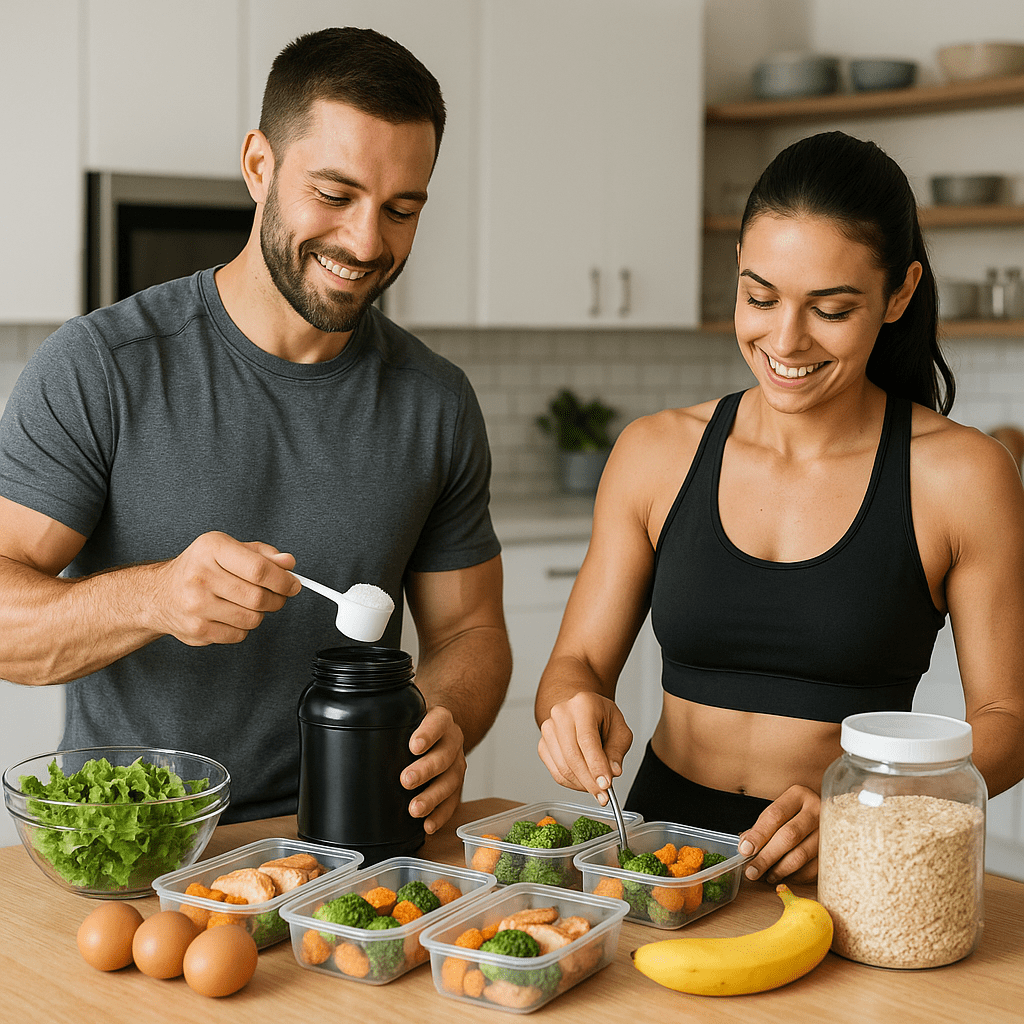
Consider adding a scoop of protein powder—typically providing around 20 to 25 grams of protein—into smoothies or mixing it with milk or water for convenience.

For best results, consume protein powder within an hour after completing strength training to aid muscle recovery.

If you choose casein protein, taking it before bed can provide a slow and steady release of amino acids during sleep.

Creatine Monohydrate
Creatine is known for its ability to restore energy stores in muscle cells, which helps enhance strength and speed up recovery times.

How to use creatine effectively:

Consume 3 to 5 grams each day, ideally after exercising, combined with water or juice to enhance absorption.

If using casein, take it before bedtime for slow release during sleep.

  1. Creatine Monohydrate

Creatine helps replenish energy in muscle cells, improving strength and recovery.

How to use:

Consume 3 to 5 grams of creatine each day, preferably following your workout, mixed with water or juice for optimal absorption.

There’s no need for a loading phase; consistent daily use is effective.

Drink plenty of water to stay hydrated while supplementing.

  1. Vitamin D

Vitamin D supports muscle function and bone health.

How to use:

Have your vitamin D levels assessed through a medical checkup with your healthcare provider.

Supplement with 1,000 to 2,000 IU daily, or as advised by a healthcare provider.

Take with a meal that contains fat for better absorption.

  1. Omega-3 Fatty Acids

Omega-3s aid muscle recovery and reduce inflammation.

How to use:

Consume a daily dose of 1,000 mg of EPA and DHA combined—be sure to verify the amounts on your supplement’s label.

Choose high-quality fish oil supplements with purity certification.

Consume with meals to improve digestion and absorption.

  1. Branched-Chain Amino Acids (BCAAs)

BCAAs stimulate muscle repair and reduce soreness.

How to use:

Consume 5 to 10 grams of BCAAs either just before or right after exercising.

Mix with water or your favorite beverage.

Use on rest days to aid recovery if needed.

Nutrition & Meal Prep Tips for Seniors Focused on Muscle Health (Step-by-Step)

Step 1: Prioritize Protein

Incorporate a quality protein source into each meal, such as chicken, fish, legumes, dairy, or protein supplements. Measure approximately 3 to 4 ounces of meat or one serving of protein powder using a kitchen scale or measuring tools.

Step 2: Balance Your Plate

Cover half of your plate with a variety of colorful vegetables, dedicate a quarter to lean proteins, and reserve the last quarter for whole grains or complex carbs.

Step 3: Meal Prep for Consistency

Spend one or two days a week preparing meals in bulk. Prepare lean protein dishes and roast a variety of vegetables, then divide the meals into individual containers. Store them in the refrigerator or freezer for convenient, ready-to-eat options throughout the week.

Step 4: Stay Hydrated

Aim for 6-8 glasses of water daily. Carry a reusable water bottle and sip throughout the day.

Step 5: Incorporate Strength Training

Engage in resistance exercises 2-3 times per week, focusing on major muscle groups. Consult a fitness professional for age-appropriate routines.

Final Thoughts

Building and maintaining muscle as a senior isn’t just about staying fit—it’s about preserving independence, boosting confidence, and improving quality of life. The right combination of nutrition, meal prep, fitness, and carefully chosen supplements can make a meaningful difference.

Important: Always consult your healthcare provider before starting new supplements to ensure they fit your health profile.

With thoughtful planning and dedication, seniors can continue to grow stronger and enjoy the benefits of an active lifestyle.

Categories
beginners Fitness Meals nutrition

Top Beginners Supplements for Muscle Growth

Building muscle as a beginner is exciting — you’re making real changes to your body, gaining strength, and stepping into a new fitness lifestyle. But between gym sessions and meal prepping, the world of supplements can feel overwhelming. Which ones actually work? Which are safe for beginners? And how do you fit them into your nutrition and meal prep routine?

Let’s break it down with a beginner-friendly guide that’s simple, effective, and based on real science — not hype.

  1. Whey Protein: Your Go-To for Gains
    Why it matters:
    Think of whey protein as your post-workout wingman — it’s fast, effective, and gets straight to work helping your muscles bounce back and grow stronger. Super clutch on days when your meals are a little light on protein.

How to use it:

Mix 1 scoop with water or milk post-workout.

Add it to smoothies for a nutrition boost.

Aim for 20–30g of protein per serving.

Meal prep tip:
Use whey protein in overnight oats, protein pancakes, or even baking for extra muscle-friendly meals.

  1. Creatine Monohydrate: Strength and Size
    Why it matters:
    Creatine’s that no-nonsense supplement that actually pulls its weight. It gives your muscles an energy kick during those tough sets and helps you pack on strength and size as you stay consistent.

How to use it:

Take 3–5g daily, with or without food.

No need to “load” — just be consistent.

Stay hydrated!

Quick tip: Mix your creatine with a post-workout shake or something carby — like a banana or oatmeal — to help your body soak it up better.

  1. Omega-3 Fish Oil: Recovery and Wellness
    Why it matters:
    Omega-3s reduce inflammation, improve joint health, and may even support muscle recovery. They’re often overlooked but essential — especially if you’re new to intense workouts.

How to use it:

Take 1–2 grams of combined EPA/DHA daily.

Choose high-quality fish oil (look for purity-tested labels).

Meal prep tip:
Add fatty fish like salmon to your weekly meals to boost natural intake.

  1. Vitamin D3: Energy and Immunity Support
    Why it matters:
    Many beginners don’t realize low vitamin D levels can affect energy, mood, and recovery. If you’re indoors a lot or live in a place with limited sun, supplementing is smart.

How to use it:

Take 1000–2000 IU daily (with a meal that has fat).

Consider a blood test for personalized dosing.

  1. A Quality Multivitamin: Nutritional Insurance
    Why it matters:
    Even with solid nutrition & meal prep, beginners often miss micronutrients that help the body function properly. A multivitamin ensures you’re not running low on key nutrients while you focus on fitness.

How to use it:

Take once daily with food.

Don’t rely on it — whole food should still be your priority.

Instructions for Beginners: Getting Started
Start with the basics: Begin with whey protein and creatine. They offer the biggest bang for your buck.

Keep it simple: Don’t overload your stack. More isn’t always better.

Pay attention to how you’re feeling — more energy, better recovery, extra strength? That’s your progress showing.

Match your supplements with solid meals — they’re there to back up your nutrition and meal prep, not take over.

And remember, don’t expect overnight miracles — supplements work best when you stick with them, just like hitting the gym regularly.

Final Thoughts
Supplements can enhance your muscle growth journey, but only when paired with proper training, recovery, and meal prep. For beginners, sticking to proven basics — like whey protein, creatine, and omega-3s — sets a strong foundation without overwhelming your routine.

Fitness is a journey. Take it one smart step at a time.

Categories
Budget-Friendly Fitness Meals men nutrition

Budget-Friendly Meals for Men Nutrition

When it comes to men’s fitness and nutrition, eating well doesn’t have to mean breaking the bank or spending hours in the kitchen. Budget-friendly meals that support your fitness goals and overall health are entirely achievable with some smart planning and meal prep. This guide will walk you through practical tips, step-by-step instructions, and techniques to create nutritious, affordable meals designed specifically with men’s needs in mind.

Why Focus on Nutrition & Meal Prep?
Nutrition plays a critical role in muscle recovery, energy levels, and overall wellbeing — especially for men who are active or looking to improve their fitness. Meal prep helps streamline your week, reduces impulse eating, and ensures you have balanced meals ready to fuel your body. When done right, it’s not only healthier but also more cost-effective.

Step-by-Step Guide: How to Prep Budget-Friendly Meals for Men
Step 1: Plan Your Weekly Menu
Start by choosing 3–4 meals that use overlapping ingredients to keep costs down and reduce waste. Focus on meals rich in lean protein, complex carbs, and vegetables. For example:

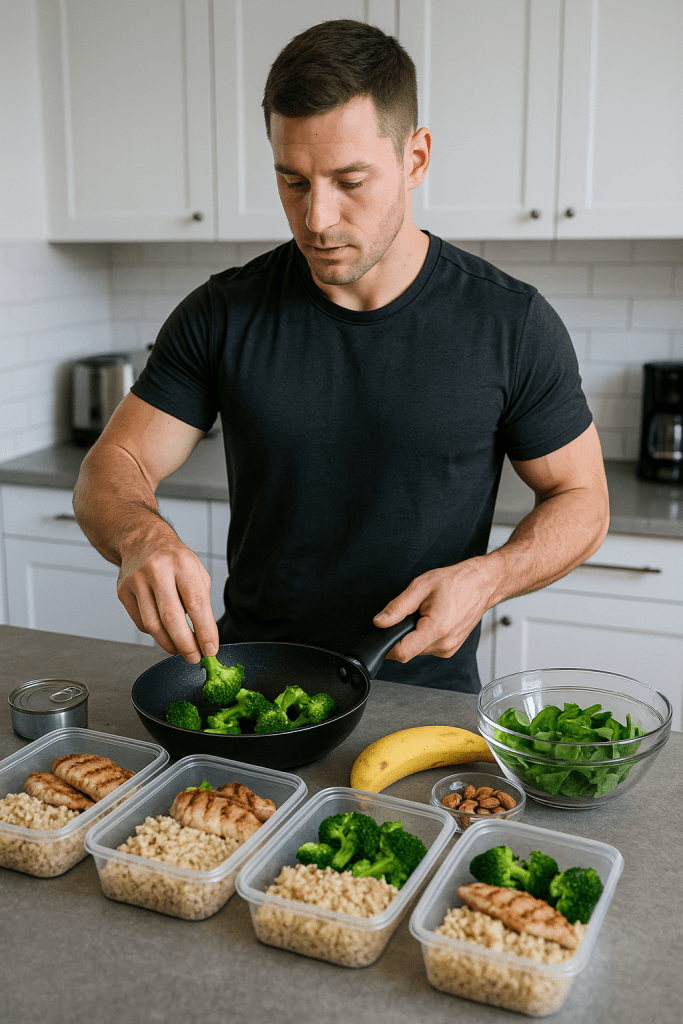
Grilled chicken with brown rice and steamed broccoli

Lentil chili with canned tomatoes and mixed beans

Tuna salad with whole grain bread and spinach

Write down your meals and snacks for the week to create a shopping list.

Step 2: Shop Smart
Use your list to buy ingredients in bulk where possible. Look for sales on frozen vegetables and discounted protein cuts. Avoid pre-packaged or convenience items, which tend to be pricier.

Step 3: Cook in Batches
Set aside 1–2 hours to cook multiple meals at once:

Cook grains (brown rice, quinoa, oats) in large batches.

Roast or grill proteins like chicken thighs or bake a tray of mixed vegetables.

Make a big pot of chili or stew to portion out for several meals.

Step 4: Portion and Store
Divide your cooked meals into single servings using reusable containers. Label each container with the date to keep track of freshness. Store some meals in the fridge for 3–4 days and freeze the rest to extend shelf life.

Step 5: Prepare Healthy Snacks
Make quick grab-and-go snacks such as:

Hard-boiled eggs (boil a dozen at once)

Cut veggies with hummus

Greek yogurt with nuts or berries

Having these ready prevents unhealthy cravings and supports consistent energy levels.

Step 6: Reheat and Enjoy
When it’s mealtime, simply reheat your prepared meals and enjoy a balanced, nutritious dish without the hassle of cooking from scratch.

Key Tips for Budget-Friendly Meal Prep

Mix and match ingredients: Use staples like eggs, beans, and frozen veggies to keep meals varied yet affordable.

Cook once, eat twice: Batch cooking saves time and reduces food waste.

Use versatile seasonings: Basic herbs and spices (garlic, paprika, cumin) add flavor without extra cost.

Hydrate smartly: Drink plenty of water and limit sugary drinks to complement your nutrition efforts.

Benefits of Nutrition & Meal Prep for Men


Consistent Energy: Well-balanced meals help maintain steady energy levels throughout the day.

Improved Fitness Results: Proper nutrition supports muscle growth and faster recovery post-workout.

Reduced Stress: Knowing your meals are ready reduces the daily decision-making load.

Financial Savings: Cooking at home with budget-friendly ingredients beats eating out or relying on convenience foods.

Final Thoughts
Eating well on a budget is definitely doable, especially when you combine smart meal prep with nutrition tailored to men’s fitness goals. By planning meals, shopping strategically, cooking in batches, and prepping snacks ahead of time, you can enjoy delicious, nourishing meals that support your health without stretching your wallet.

Are you ready to take control of your nutrition and meal prep? Start small, stay consistent, and watch your fitness and wellbeing thrive without breaking the bank.

Categories
beginners Fitness recovery & wellness

Cold Showers vs. Ice Baths: What’s Better for Beginners?

If you’re just starting your fitness journey or looking to improve your recovery and wellness routine, you’ve likely heard about the buzz around cold showers and ice baths. Both are popular recovery techniques used by athletes and fitness enthusiasts to reduce muscle soreness, boost circulation, and promote overall well-being. But which is better for beginners? Let’s dive into the benefits, practical tips, and clear instructions on how to safely get started with each method.

Understanding Recovery & Wellness in Fitness
Recovery is an essential part of any fitness routine, especially for beginners. It allows your muscles to repair, reduces inflammation, and helps prevent injury. Wellness goes beyond just physical recovery—it’s about creating habits that enhance your body’s natural ability to heal and recharge. Cold exposure methods like cold showers and ice baths have gained traction because they offer accessible, natural ways to support recovery and improve mental resilience.

Cold Showers: An Easy Start for Beginners
If you’re just beginning to explore cold therapy, starting with cold showers is an excellent and approachable way to ease into it. They’re simple, convenient, and can be integrated easily into your daily routine without special equipment.

Benefits of cold showers for beginners:

Enhanced Blood Flow: Exposure to cold water prompts your blood vessels to tighten, followed by expansion as your body warms, which helps stimulate healthier circulation.

Mood Boost: Cold showers can trigger the release of endorphins, helping reduce stress and increase alertness.

Mild Muscle Relief: Taking cold showers can soothe post-workout muscle aches and decrease inflammation for a quicker recovery.

How to take a cold shower safely as a beginner:

Begin with warmth: Kick off your shower using water at a pleasantly warm temperature.

Gradually Cool Down: Slowly lower the temperature over 1–2 minutes until the water feels cold but tolerable.

Focus on Breathing: Take slow, deep breaths to stay calm and reduce the shock of cold water.

Recommended Duration: Begin with 30 seconds to 2 minutes of cold water to gently ease your body into the experience.

Goal is to practice this routine 3 to 4 times a week to boost your tolerance and enhance your recovery.

Ice Baths: A Powerful Recovery Tool with Caution
An ice bath involves sitting in a tub of cold, icy water, typically kept between 50 and 59°F (10 to 15°C), to boost muscle recovery and reduce inflammation. They are more intense but offer deeper recovery benefits.

Benefits of ice baths:

Effective Inflammation Reduction: Immersing yourself in cold water is a highly efficient method for easing muscle inflammation.

Relieves Muscle Discomfort: Ice baths can significantly reduce the ache and stiffness that come with delayed onset muscle soreness (DOMS).

Builds Mental Strength: Withstanding the cold water challenge fosters greater discipline and enhances mental toughness.

Getting Started with Ice Baths Safely:
Start by filling your bathtub with cold water, then slowly add ice until the temperature settles around 50–59°F (10–15°C).

Getting Started: Limit your first few ice baths to just 3 to 5 minutes to let your body slowly get used to the cold temperatures without overdoing it.

Enter Slowly: Ease into the bath gradually to let your body adjust.

Stay Calm and Breathe: Focus on slow, controlled breathing to manage the cold shock.

Exit Carefully: When time’s up, get out slowly and dry off immediately. Warm up gradually afterward, avoiding hot showers right away.

Frequency: Limit ice baths to 1–2 times per week initially.

Caution: If you experience heart issues or circulatory concerns, be sure to speak with your healthcare professional before attempting ice baths.

Which is Better for Beginners?
Cold showers are usually the safer, more manageable starting point. They offer many recovery and wellness benefits without the intense shock of full immersion. Once you’ve developed some tolerance, ice baths can offer deeper recovery benefits and may become a more suitable option.

Final Thoughts
Both cold showers and ice baths play important roles in recovery and wellness for beginners and experienced athletes alike. Starting with cold showers helps ease your body into cold therapy, while ice baths can amplify recovery and build mental strength when used correctly.

Always listen to your body, start slow, and find what works best on your fitness and wellness journey.

Categories
Fitness runners Supplements

Top Runners Supplements for Muscle Growth

When it comes to running, strength and endurance often take the spotlight. But for serious runners aiming to improve performance and build muscle, supplements can play a valuable supporting role. Whether you’re training for a marathon or working toward a personal best, pairing the right nutrition & meal prep with targeted supplements can boost recovery, support lean muscle growth, and enhance overall fitness.

Why Muscle Growth Matters for Runners
Runners tend to focus on lean builds and cardio capacity, but muscle mass is critical for maintaining proper form, powering up hills, and reducing injury risk. Stronger muscles also improve metabolic efficiency and increase sprint capability.

Top Supplements to Support Muscle Growth for Runners
Protein Powders (Whey or Plant-Based)
Fast-absorbing whey protein, or pea/brown rice-based blends for plant-based athletes, supports muscle repair and recovery after long runs or strength training. Aim for 20–30 grams within 30 minutes post-run.

Creatine Monohydrate
Often associated with bodybuilders, creatine is also great for runners incorporating strength training. It helps with power output, recovery, and lean muscle development—especially during interval or hill workouts.

Branched-Chain Amino Acids (BCAAs)
BCAAs (leucine, isoleucine, and valine) help reduce muscle breakdown during intense runs and promote repair. They’re especially helpful on double training days or during calorie restriction phases.

Beta-Alanine
Ideal for runners doing high-intensity intervals, beta-alanine buffers lactic acid, improving endurance and helping build muscle during explosive efforts.

Omega-3 Fatty Acids
These healthy fats reduce inflammation, support joint health, and may assist in muscle protein synthesis. Fish oil or algae-based supplements are both effective.

Vitamin D + Magnesium
Runners often overlook micronutrients, but both are essential for muscle function, energy metabolism, and bone health—particularly if you’re training outdoors early or indoors.

Nutrition & Meal Prep Tips for Runners
Plan Your Meals Around Training: Ensure you’re getting a balance of carbs for energy, protein for repair, and healthy fats for sustained performance.

Pre-Prep Snacks & Recovery Meals: Having a shake or protein-rich meal ready after your run reduces the temptation to skip recovery nutrition.

Hydrate Smart: Don’t just focus on water—electrolytes and hydration salts help muscle recovery and performance.

Supplements aren’t magic, but when combined with smart training, meal prep, and consistent recovery strategies, they can give runners a valuable edge. Every athlete is different—listen to your body, track progress, and make adjustments as needed.