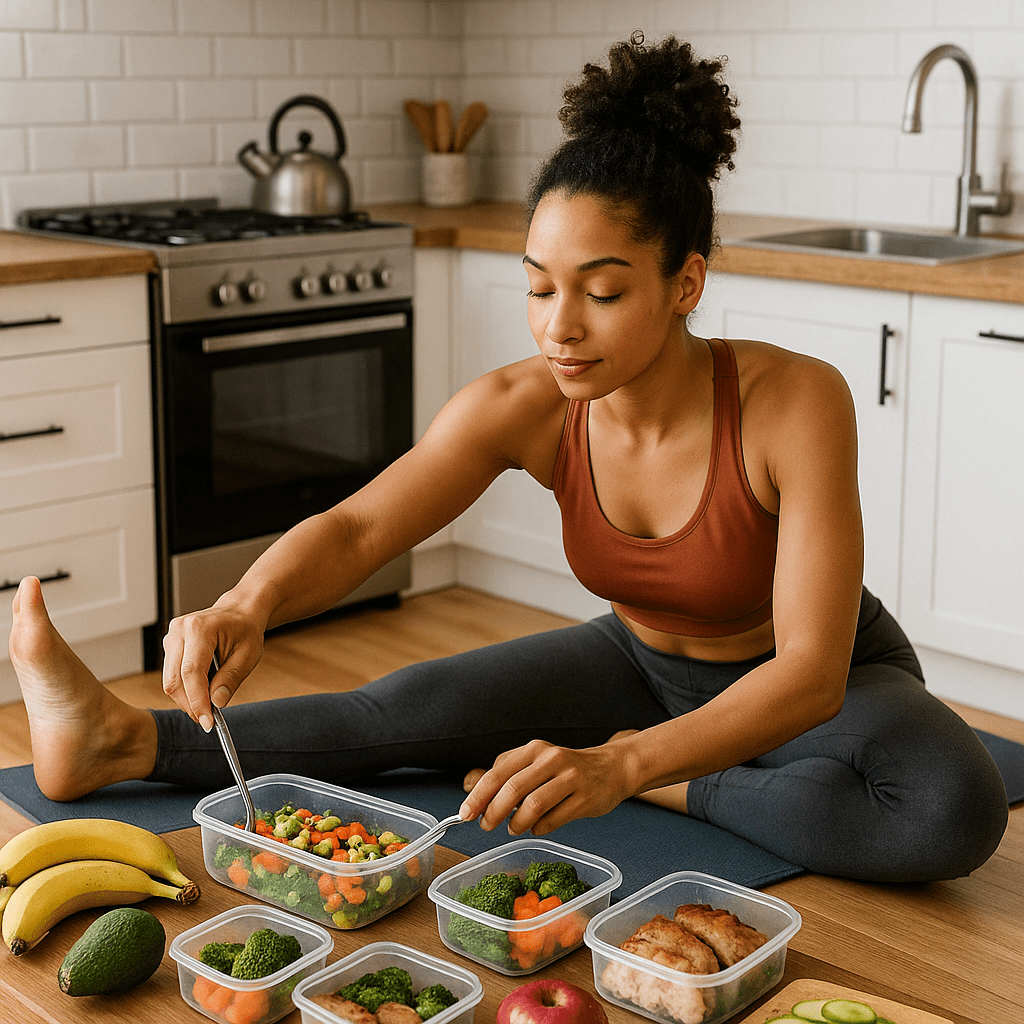
You’ve probably heard about macros—short for macronutrients—but do you really know how to use them to fuel your goals and enjoy your meals? Whether you’re prepping meals for the week or trying to stay consistent during a busy schedule, understanding how to balance flexibility with structure is key to making nutrition sustainable.
Here’s your guide to figuring out how much flexibility is right for you, plus practical steps to make it work.
Step 1: Understand What Macros Are
Macronutrients are the three core components of food that provide energy:
Carbohydrates – Quick energy source (e.g., rice, fruit, oats)
Proteins – Essential for muscle repair and growth (e.g., chicken, tofu, eggs)
Fats – Needed for hormones, cell health, and nutrient absorption (e.g., avocado, nuts, olive oil)
Instruction: To begin, look at the nutrition labels on food you eat today. Identify how many grams of carbs, proteins, and fats are in each item.
Step 2: Calculate Your Macros Based on Your Goals
Your macro needs vary depending on your activity level, goals (fat loss, muscle gain, maintenance), and body type.
Instruction:
Use a free macro calculator (try Precision Nutrition, IIFYM, or Cronometer).
Enter your personal details—such as your age, current weight, height, daily activity level, and fitness objective—to get tailored macro recommendations.
Record your daily macro targets.
Example:
Carbs: 200g
Protein: 150g
Fat: 60g
Step 3: Start Tracking Your Macros (Without Getting Stressed)
Flexible eating allows you to enjoy a wide variety of foods, as long as they align with your daily macronutrient goals. That includes both “clean” meals and the occasional treat.
Instruction:
Download an app like MyFitnessPal, Macrofactor, or Lose It!
Log everything you eat for a full day—even snacks and drinks.
Compare your intake to your macro targets.
Adjust your next meal to help you get closer to your daily goals.
Tip: Scan barcodes to make tracking quicker.
Step 4: Meal Prep for Macro Flexibility
Meal prep isn’t about eating the same bland meals—it’s about planning with purpose so you can make better decisions during the week.
Instruction:
Choose 2–3 protein sources, 2 carb sources, and 2 veggie options to prep in bulk.
Portion meals into containers and label them with macro estimates (optional but helpful).
Keep a few “wild card” items (like wraps, sauces, or cheese) on hand for flavor variety.
Example Meal Prep Combo:
Grilled chicken + quinoa + broccoli (400 calories | 35g protein | 30g carbs | 15g fat)
Step 5: Use the 80/20 Rule for Real-Life Flexibility
Achieving results doesn’t require a flawless diet. Following the 80/20 approach allows you to maintain consistency while avoiding overwhelm or burnout.
Instruction:
80% of your meals: Focus on whole foods like lean proteins, veggies, fruits, and whole grains.
20% of your meals: Allow room for foods you enjoy—ice cream, pizza, wine—as long as they fit your macro goals.
Step 6: Adjust and Reflect Weekly
Your macro needs might shift over time—especially if your weight, activity level, or goals change.
Instruction:
Take a few minutes each week to look over your food log and assess your progress.
Ask: “Did I hit my macros most days? Where did I struggle?”
Make small changes: Add more snacks, prep larger portions, or swap ingredients.
Final Thoughts: What’s the Right Level of Flexibility for You?
Flexibility looks different for everyone. If you’re a beginner, tracking every macro might help build awareness. If you’ve been doing this a while, you may prefer a more intuitive approach. There’s no perfect method—just what works best for your lifestyle and fitness journey.
Quick Recap of Instructions
Step Action
1 Read food labels and identify macro content
2 Use a macro calculator to get your targets
3 Track your food using an app
4 Meal prep proteins, carbs, and veggies in advance
5 Follow the 80/20 rule for balance
6 Reflect weekly and adjust as needed
Nutrition & Meal Prep for Flexibility = Empowerment, Not Restriction.
Once you understand macros and give yourself room to enjoy the process, your diet becomes a tool, not a chore. That’s where real, lasting change begins.

 Fitness Guide