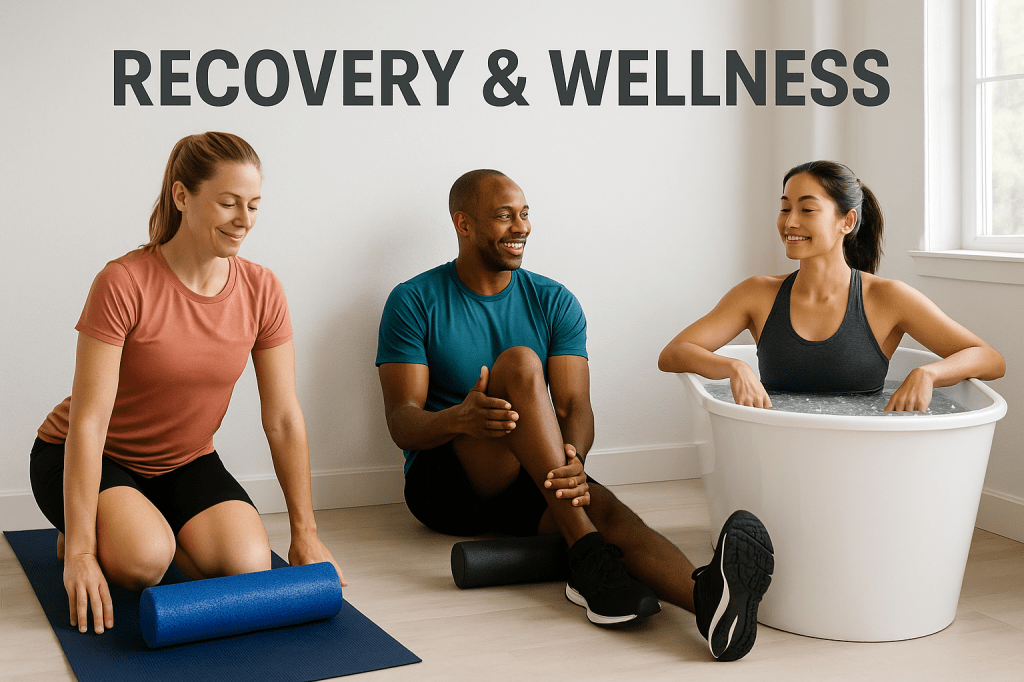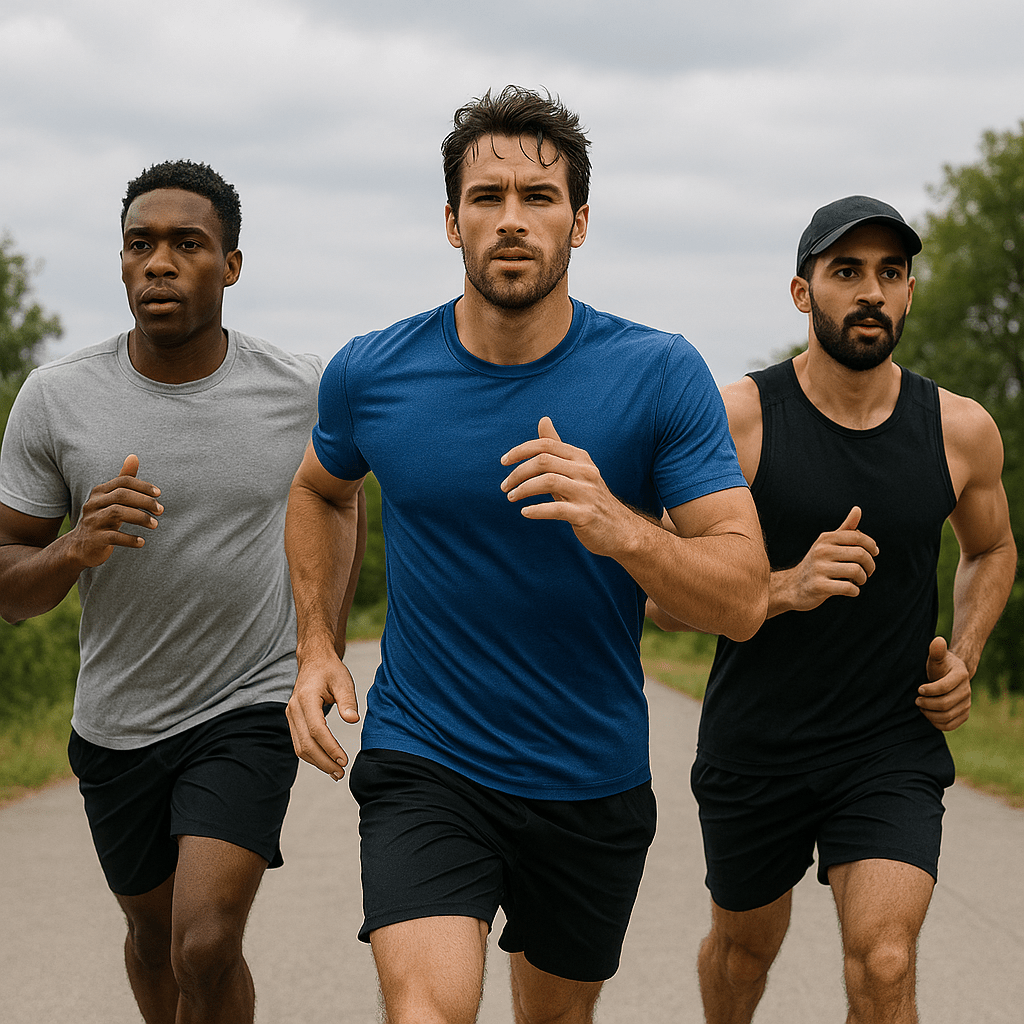
Categories
cardio & endurance exercises Fitness flexibility men runners training

Beginner’s Guide to Running for Men

If you’re a man looking to boost your fitness, improve your cardio and endurance, and embrace a healthier lifestyle, running is one of the most accessible and effective ways to start. Whether you’re new to exercise or returning after a break, this guide will help you build a strong foundation with practical tips, proven techniques, and a clear understanding of the benefits that running offers.

Why Running?

Running isn’t just about pounding the pavement. It’s a powerful tool for enhancing your cardiovascular health, building endurance, managing weight, and even improving mental wellness. For men, consistent running supports overall fitness by strengthening the heart, lungs, and muscles — helping you feel energized throughout the day.

Step-by-Step Instructions to Start Running

Step 1: Prepare Your Gear

Footwear: Choose running shoes that match your foot shape and provide ample cushioning and stability. If you can, have your walking or running style evaluated at a specialized store to find the best fit.

Apparel: Opt for breathable, moisture-managing fabrics that help keep your body cool and prevent chafing during runs.

Step 2: Warm Up Properly

Begin your warm-up with gentle activities like a brisk walk or light jog for around 5 to 10 minutes to get your muscles ready for running.

Follow this with dynamic stretches, such as leg swings, walking lunges, or arm circles, to loosen muscles.

Step 3: Begin with a Run-Walk Routine

Begin your workout by alternating between running and walking to gradually increase your stamina while avoiding excessive strain. For example:

Run for 1 minute

Walk for 2 minutes

Repeat for 20-30 minutes

As your fitness level rises, slowly extend the periods of running while shortening the walking breaks.

Step 4: Focus on Running Form

Keep your posture upright but relaxed.

Look ahead rather than down.

Swing your arms naturally at your sides.

Land mid-foot or forefoot to reduce impact.

Step 5: Cool Down and Stretch

Following your run, spend about 5 minutes walking to help lower your heart rate gradually.

Stretch major muscle groups like calves, hamstrings, quads, and hips to improve flexibility and reduce soreness.

Step 6: Build a Routine

Aim to run 3 times a week, with rest or cross-training days in between.

Track your runs with a journal or app to monitor progress and stay motivated.

The Benefits of Cardio & Endurance Training for Men

Running is a top cardio exercise that challenges your heart and lungs, boosting their capacity over time. As your endurance improves, everyday tasks become easier, and you’re less likely to feel tired or sluggish.

Moreover, regular running can help:

Lower blood pressure and cholesterol levels

Improve insulin sensitivity

Support mental clarity and reduce stress

Enhance muscle tone and bone strength

Staying Motivated and Safe

Motivation can fluctuate, but setting small milestones, tracking progress with a running app, or joining a local running group can keep you accountable. Also, listen to your body — soreness is normal, but sharp pain isn’t. Rest days are essential for recovery and preventing burnout.

Wrapping Up

Running goes beyond exercise—it’s a way of life that promotes overall health and well-being for men at any stage. With steady commitment and mindful pacing, you’ll build both your stamina and mental strength. So put on your shoes, take it one step at a time, and embrace the path to a fitter, stronger you.

Categories
cardio cardio & endurance fat loss Fitness fitness-tips flexibility flexibility & mobility Gym home workout mobility runners running strength training training Treadmill women workouts

Cycling vs. Running: Which Is Better for Women?

When it comes to building cardio & endurance, cycling and running are two of the most popular exercises among women. Both offer excellent health benefits, but deciding which is better depends on your personal goals, fitness level, and lifestyle. This guide will help you understand the benefits of each and provide clear instructions to help you get started or improve your routine.

Cardio & Endurance: Why It Matters

Cardiovascular fitness improves heart and lung health, increases stamina, and helps manage weight. For women, cardio exercises also play a role in hormone regulation, mental well-being, and bone health. Cycling and running are both effective, but knowing how to approach each will maximize your results.

Running: Benefits & How to Start

Benefits:

Burns calories quickly, ideal for weight management

Strengthens bones and joints

Easy to do anywhere with minimal equipment

How to Start Running:

Choose the Right Shoes: Invest in a pair designed for your foot type to prevent injury.

Warm-Up: Begin with 5-10 minutes of brisk walking or dynamic stretches.

Start Slow: Try a walk-run approach. For example, alternate 1 minute running with 2 minutes walking for 20 minutes.

Set a Schedule: Aim for 3 sessions per week, gradually increasing running time.

Listen to Your Body: Stop if you feel pain and adjust your pace.

Cool Down: Walk for 5 minutes and stretch major muscles after your run.

Cycling: Benefits & How to Start

Benefits:

Low-impact, great for joint health

Tones leg muscles effectively

Can be used for commuting or leisure

How to Start Cycling:

Get the Right Bike: Choose a bike that fits your height and purpose (road, hybrid, or stationary).

Wear a Helmet: Safety first!

Begin on Easy Terrain: Start with flat routes or a stationary bike session for 20-30 minutes.

Pedal at a Comfortable Pace: Aim to maintain a steady rhythm that challenges your endurance without overexerting.

Increase Duration Gradually: Add 5-10 minutes per week as you build stamina.

Incorporate Intervals: Try alternating 2 minutes of faster pedaling with 3 minutes of easy cycling to boost cardio.

Cool Down and Stretch: Just like running, end with a gentle ride and stretch your legs and hips.

Tips for Choosing and Combining Both

Assess Your Joints: If you experience knee or hip pain, cycling is likely a safer starting point.

Set Goals: Running can be more time-efficient for calorie burn, while cycling is better for sustained endurance.

Mix It Up: Alternate between running and cycling throughout the week to prevent burnout and injury.

Track Your Progress: Use apps or wearables to monitor your endurance improvements.

Hydrate and Fuel Properly: Both activities demand energy, so eat balanced meals and drink water before, during, and after workouts.

Final Thought

Choosing between cycling and running doesn’t have to be an either/or decision. Both support women’s cardio & endurance beautifully when practiced with care and consistency. Follow these steps, listen to your body, and most importantly, pick the activity that feels right for you. Your fitness journey should empower and inspire, no matter the path.

Categories
athletes cardio cardio & endurance exercises Fitness fitness-tips HIIT home workout men runners running

Top Cardio Exercises for Athlete Lovers

When it comes to performance and long-term athletic success, cardio & endurance training isn’t just helpful — it’s essential. Whether you’re training for a race, a sport, or just love feeling strong and energized, integrating smart cardio exercises can make all the difference.

Here’s a lineup of top cardio workouts, complete with easy-to-follow instructions, so you can build fitness with intention.

  1. High-Intensity Interval Training (HIIT)

A go-to for athletes who want to burn fat, boost endurance, and build speed.

Instructions:

Choose an exercise (e.g., sprinting, cycling, or bodyweight moves like burpees).

Go all out for 30 seconds.

Recover at a slower pace for 60–90 seconds.

Repeat the sequence for 20 to 30 minutes, tailoring the duration to match your fitness ability and endurance.

Start and finish your workout with 5 minutes of light activity to prepare your body and aid recovery.

Expert advice: Keep your bursts brief but powerful — training with intention beats simply doing more.

  1. Long-Distance Running

Ideal for building mental and physical endurance — key for athletes in any discipline.

Instructions:

Start with a warm-up jog for 5–10 minutes.

Run at a steady, moderate pace (where you can still talk) for 30–60 minutes.

Gradually increase your weekly mileage by no more than 10% to avoid injury.

Stretch post-run and stay hydrated.

Tip: Use a running app or watch to track pace and progress.

  1. Swimming

A full-body, joint-friendly cardio option that builds lung capacity and total endurance.

Instructions:

Begin with 2–4 easy laps to warm up.

Switch up your swim strokes—such as freestyle, breaststroke, and backstroke—to keep your workout balanced and engaging.

Swim continuously at a moderate pace for 20 to 40 minutes, taking short breaks of 30 to 60 seconds as needed.

Use equipment like a kickboard or pull buoy to concentrate on specific muscle groups and improve technique.

Tip: Focus on controlled breathing — exhale underwater, inhale quickly during turns.

  1. Rowing (Machine or Water)

Combines strength and cardio in a single, low-impact workout.

Instructions (on a rowing machine):

Start with 5 minutes of light rowing to warm up.

Maintain proper form: drive with your legs, lean back slightly, then pull the handle to your chest.

Try 5 intervals of 500m sprints with 1-minute rest between.

Cool down with 3–5 minutes of easy rowing.

Tip: Set the damper (resistance) between 3–5 for endurance work.

  1. Cycling (Indoor or Outdoor)

Great for leg strength, cardio health, and building steady-state endurance.

Instructions:

Warm up with 5–10 minutes of easy pedaling.

Ride for 30–60 minutes at a moderate pace.

Include intervals: 2 minutes hard pedaling, 3 minutes easy — repeat 5–8 times.

If indoors, use a spin bike and follow a guided session or playlist.

Tip: To make longer rides more comfortable, opt for a seat with extra padding or try wearing cycling shorts with built-in cushioning.

Jump Rope

An energetic, skillful cardio exercise that enhances both your coordination and endurance.

Instructions:

Use a rope that reaches your armpits when stepped on.

Warm up by skipping slowly for 1–2 minutes.

Perform 3–5 sets of 1 minute jumping + 30 seconds rest.

Helpful hint: Maintain a relaxed grip and keep your elbows tucked in to improve control and efficiency.

Final Thoughts

Whether you’re training on the field or simply love moving with purpose, incorporating a mix of these cardio & endurance exercises will build a rock-solid fitness foundation. The key is consistency — doing the work week after week, while listening to your body.

Mix things up, challenge yourself, and most importantly — enjoy the journey. Cardio doesn’t have to be boring or repetitive. It can be powerful, fun, and transformative when done right.

Categories
beginners Fitness gear & reviews runners seniors strength training

Best Beginners Shoes for Beginners

Starting a new fitness routine? One of the most important pieces of gear you’ll need is a good pair of shoes. But with so many options available, choosing the right pair can feel like guesswork—especially if you’re new to it all. This guide simplifies the process by focusing on what really matters, offering gear & reviews for beginners with step-by-step instructions on how to choose the right shoes for your fitness goals.

Step 1: Understand Why Good Shoes Matter

Your shoes are your foundation. Whether you’re walking, running, or just moving more during the day, beginner-friendly shoes protect your feet and joints. They can also boost confidence and make workouts feel easier.

What happens if you wear the wrong shoes?

Pain or blisters

Shin splints

Poor posture

Early fatigue

Bottom line: A good shoe supports your effort—and prevents early setbacks.

Step 2: Know What to Look For

Every feature contributes to overall comfort and helps reduce the risk of injury.

Feature Why It Matters What to Look For
Cushioning Absorbs impact, especially during cardio Foam midsoles, gel inserts
Support Protects arches and prevents overpronation Firm heel cup structured side wall Fit Prevents blisters and discomfort Roomy toe box, snug midfoot
Breathability Keeps feet cool and reduces sweat Mesh or knit uppers
Activity Fit Matches the shoe to your primary activity Running, walking, gym, etc.

Step 3: Try Shoes the Right Way

When trying on shoes, follow these simple steps:

Shop in the late afternoon. Your feet swell during the day, mimicking post-workout size.

Put on the same socks you intend to use during your workouts. This ensures a realistic fit.

Test movement. Walk or jog around the store. Your heel shouldn’t slip, and your toes shouldn’t hit the front.

Try both feet. One foot is often slightly larger. Fit the larger foot.

Step 4: Choose One of These Beginner-Friendly Shoes

Here are a few top-rated models we’ve tested and reviewed, ideal for beginners in fitness:

  1. Brooks Ghost 15

A tried-and-true neutral running shoe, great for walking or jogging. Known for its soft cushioning and stable ride.

Best for: General fitness, outdoor running, walking

  1. Nike Revolution 6

Lightweight and budget-friendly, this model offers a flexible fit and decent support for everyday workouts.

Best for: Casual gym use, light cardio

  1. ASICS Gel-Contend 8

Reliable support and a well-cushioned sole make this ideal for low-impact activity.

Best for: Walking, treadmill use

  1. New Balance Fresh Foam Arishi v4

A balance of comfort and style, this shoe features a responsive feel and breathable material.

Best for: Daily walks, gym classes

  1. Reebok Nano X3

If you plan to lift weights or try cross-training, this is a sturdy, gym-ready option.

Best for: Strength training, mixed workouts

Step 5: Avoid Common Beginner Mistakes

Don’t choose based on looks alone. Style is great, but support matters more.

Avoid too-small sizes. Your feet need room to expand while moving.

Skip worn-out hand-me-downs. Cushioning and support wear out faster than you think.

Bonus Tip: Track Your Shoe Mileage

If you’re logging frequent miles through running or walking, it’s a good idea to swap out your shoes every 300 to 500 miles—or roughly every 6 to 12 months, based on how often you use them. Even if they appear to be in good condition, the cushioning and support may have worn down, increasing your risk of injury.

Final Thoughts

Finding the best beginner shoes for beginners doesn’t have to be complicated. With the right instructions and a few trusted recommendations, you’re well on your way to making a smart, supportive choice. Good gear helps build good habits—and that’s what lasting fitness is all about.

So lace up, take that first step, and let your feet thank you later.

Categories
athletes beginners cardio & endurance cycling exercises fat loss Fitness fitness-tips flexibility flexibility & mobility home workout men mobility Muscle Gain recovery & wellness runners strength training stretching women

Cycling vs. Running: Which Is Better for Athletes?

For athletes serious about fitness and performance, cardio & endurance training is non-negotiable. Two of the most effective—and debated—methods are cycling and running. Each offers unique benefits, but the best choice depends on your body, your sport, and your training goals.

Below, we break down the benefits of each and include step-by-step instructions so you can integrate them into your fitness routine effectively.

Running: High-Impact, High-Return

Why athletes use it: Running is a classic way to build cardio endurance, shed fat, and enhance mental resilience.

How to Use Running for Athletic Training

  1. Start with short, slow runs:

Beginner: 2–3 runs per week, 20–30 minutes each.

Focus on easy pace, where you can still hold a conversation.

  1. Build endurance safely:

Increase your distance by no more than 10% per week to avoid injury.

Add one longer run per week for endurance-building.

  1. Add intervals for performance:

1–2x/week, include short sprints (e.g., 30s fast, 90s recovery x 6 rounds).

This improves speed and cardiovascular capacity.

  1. Recovery is key:

Use foam rolling, stretching, and rest days.

Always listen to your body—shin splints and knee pain are early warning signs.

Cycling: Low-Impact Power Builder

Why athletes use it: Cycling builds serious leg strength and cardio fitness with less impact on joints.

How to Use Cycling for Athletic Training

  1. Choose your setup:

Outdoor bike for long rides and natural terrain challenges.

Stationary or spin bike for convenience and interval workouts.

  1. Begin with base rides:

3x/week, 45–60 minutes at a steady, moderate pace.

Keep RPMs (cadence) between 80–100 for efficiency.

  1. Incorporate interval training:

Example: 5 rounds of 1-minute sprint + 2 minutes easy pedaling.

Builds both speed and endurance while staying joint-friendly.

  1. Add resistance:

Use hills or gear tension to simulate climbing.

Great for strength and sport-specific conditioning (e.g., soccer, skiing).

  1. Don’t skip recovery rides:

Easy 30-minute spin sessions on off-days help promote blood flow and aid muscle repair.

Choosing What’s Best for You

Here’s a quick guide to help you decide:

Goal Go With Why
Max calorie burn Running Higher energy output per minute
Joint health Cycling Less impact on knees/ankles
Build mental toughness Running Pushes through physical discomfort
Cross-train or rehab Cycling Safe for injured or sore athletes
Explosive leg strength Cycling Simulates power output sports like sprinting or skating

Tips for Balancing Both in Your Routine

  1. Mix it up:

Alternate running and cycling days to avoid burnout or injury.

  1. Prioritize based on season:

In off-season? Use cycling to maintain endurance with lower impact.

Pre-season? Focus more on running for sport-specific conditioning.

  1. Track progress:

Use a fitness tracker or app to monitor distance, pace, heart rate, and recovery.

  1. Hydrate and fuel properly:

Endurance workouts demand serious nutrition. Don’t neglect pre- and post-training meals.

Final Thoughts

There’s no universal winner between running and cycling—they’re both powerful tools for building cardio & endurance. The smart athlete knows when and how to use each to complement performance, reduce injury risk, and meet specific fitness goals.

Whether you’re sprinting down a track or grinding up a hill on two wheels, the key is consistency, smart programming, and listening to your body.

Categories
athletes cardio exercises fat loss Fitness HIIT runners

HIIT Routine to Burn Fat in Runners Minutes

For runners who want to burn fat more efficiently and build cardio & endurance without doubling their training time, HIIT (High-Intensity Interval Training) is a game changer. In just 20 minutes or less, you can spike your metabolism, improve performance, and stay lean — no extra miles required.

What Makes HIIT So Effective for Runners?
HIIT alternates short bursts of intense activity with recovery periods, maximizing your heart rate and oxygen consumption. This not only helps burn fat during the workout but also continues to torch calories for hours afterward thanks to the afterburn effect (EPOC – Excess Post-exercise Oxygen Consumption).

For runners, this means a faster metabolism, stronger cardiovascular health, and improved endurance — all packed into less time than your usual long run.

Step-by-Step: HIIT Routine for Runners (Total Time: ~20 minutes)
You don’t need fancy equipment — just a stopwatch, some open space, and your running shoes.

Step 1: Warm-Up (5 Minutes)
Start with light movement to prepare your muscles and joints.

Instructions:

Jog at an easy pace for 3 minutes

Then do 2 minutes of dynamic stretches:

10 leg swings (each leg)

20 high knees

20 butt kicks

10 bodyweight squats

This helps increase blood flow and prevent injury.

Step 2: HIIT Main Set (12 Minutes)
You’ll alternate between sprinting and recovery. One round takes 2 minutes. Complete 4 total rounds.

Instructions (per round):

Sprint at 80–90% effort for 40 seconds

Walk or jog slowly for 1 minute 20 seconds

Tip:
You should feel winded by the end of each sprint but be able to recover enough to go again. Adjust intensity based on your fitness level.

Step 3: Cool-Down (3 Minutes)
Ease your body back to baseline and promote recovery.

Instructions:

Jog or walk at a very light pace for 2 minutes

End with 1 minute of deep breathing and static stretching

Focus on hamstrings, calves, quads, and hip flexors

Pro Tips for Better Results
Do this 2–3x per week on non-consecutive days for best results.

Hydrate and fuel properly post-workout — aim for protein + complex carbs.

Track progress using a fitness app or running watch.

Modify intensity based on goals (e.g., use hills for more resistance).

Benefits Beyond Fat Loss
Incorporating HIIT into your running routine helps you:

Boost overall cardio & endurance

Improve speed and power

Build mental resilience for race day

Burn fat more efficiently — even at rest

Final Thoughts
This HIIT routine isn’t just about cutting fat — it’s about training smarter. Runners who balance distance runs with short, powerful intervals often perform better, stay injury-free, and enjoy their workouts more.

So the next time you lace up, skip the long grind. Try this HIIT session and feel the difference — in both your pace and your physique.

Categories
athletes Fitness runners

Best Sleep Habits for Runners’ Recovery

Whether you’re training for a marathon or enjoying daily runs to stay in shape, sleep is just as crucial to your performance as your workouts. Recovery doesn’t happen in the gym or on the trail—it happens while you rest. In this guide, we’ll explore the best sleep habits that support runners’ recovery, boost fitness, and maintain flexibility over time.

Why Sleep Matters for Runners
Sleep is when your body rebuilds. Muscles recover, energy stores replenish, and inflammation decreases. For runners, this means improved endurance, fewer injuries, and better performance over time. Even the best training routine can fall short if quality sleep isn’t part of the equation—recovery starts with rest.

Top Sleep Habits for Better Recovery

  1. Stick to a Consistent Sleep Schedule
    Keeping a consistent sleep and wake time—weekends included—keeps your body’s internal clock in sync, making it easier to fall asleep and wake up naturally. This consistency allows your body to maximize recovery cycles, particularly the deep stages of sleep where muscle growth and repair happen.
  2. Prioritize 7–9 Hours of Quality Sleep
    Quantity matters, but so does quality. Avoid caffeine late in the day, reduce screen time before bed, and create a calming wind-down routine to improve sleep depth and duration.
  3. Optimize Your Sleep Environment
    Create a sleep environment that’s peaceful, silent, and pleasantly cool—ideally near 65°F (18°C)—to promote restorative, uninterrupted sleep. Select a mattress and pillows tailored to your personal sleep preferences and body shape, as comfort and proper alignment are essential for effective overnight recovery. You’ll find no shortage of trusted gear and review sites that spotlight recovery-friendly sleep tools—think weighted blankets, orthopedic pillows, and more tailored options.
  4. Schedule Hard Runs Earlier in the Day
    Set up your bedroom to be serene, silent, and refreshingly cool—about 65°F (18°C)—to encourage restful, deep sleep without disruptions. Try to finish tough workouts at least 4–5 hours before bedtime.
  5. Incorporate Flexibility Work Before Bed
    Gentle yoga or stretching in the evening can reduce muscle tension and promote relaxation. This habit not only supports flexibility but also signals to your body that it’s time to transition into rest mode.
  6. Stay Hydrated—But Time It Right
    Dehydration disrupts sleep, but drinking too much water right before bed might wake you up for nighttime bathroom trips. Aim to hydrate throughout the day and taper off an hour or two before bedtime.
  7. Listen to Your Body
    Sleep needs can vary depending on your training load. After long runs or races, you may need more rest than usual. Listen to your body’s signals—true growth takes root in moments of rest, not just effort.

Final Thoughts

Great running doesn’t just depend on mileage—it thrives on balance. Smart recovery habits, especially sleep, are key to longevity and performance. By committing to better sleep hygiene and supporting your body’s natural recovery process, you’ll not only run better—you’ll feel better every day.

Categories
Fitness recovery runners

Cold Showers vs. Ice Baths: What’s Better for Runners?

When it comes to recovery & wellness, runners are constantly seeking ways to bounce back faster, reduce soreness, and maintain peak performance. Cold showers and ice baths often spark debate among athletes looking to optimize their recovery routines. Both methods use cold exposure to support muscle recovery—but are they created equal? Let’s break it down.

Why Cold Exposure Matters for Runners
After a long run or intense training session, muscles are inflamed, micro-tears are healing, and your nervous system is fatigued. This is where cold exposure comes in. It constricts blood vessels, reduces swelling, and helps flush out metabolic waste. Whether you’re a weekend warrior or a marathon regular, proper recovery techniques are non-negotiable if you want to stay consistent in your training.

Cold Showers: Quick, Convenient, and Gentle
For many runners, cold showers are a practical way to incorporate cold therapy into their daily routine without too much fuss. Here’s what they offer:

Accessibility: No setup required—just step into your bathroom.

Shorter exposure: A 5-minute cold rinse post-run can refresh you without the shock of full-body immersion.

Mental benefits: Cold showers also offer a unique mental “reset,” waking you up and helping you adapt to stress.

Best for: Everyday recovery, early-stage cold therapy, and those short on time or new to cold exposure.

Ice Baths: Intense, Immersive Recovery
On the other end of the spectrum, ice baths offer a deeper, more intense recovery experience. Here’s why many elite runners swear by them:

Reduces inflammation more aggressively: The full-body immersion targets the legs, hips, and core—all of which take a pounding during runs.

Longer-lasting effects: Post-ice bath recovery can feel more substantial, especially after races or long mileage days.

Customizable: Athletes often combine ice baths with contrast therapy (hot/cold switching) for even greater benefits.

Best for: Post-race recovery, long runs, injury prevention, and serious fitness routines.

Which One Should You Choose?
What works best will ultimately come down to how much you train, your schedule, and what feels right for your body. For runners putting in serious mileage or gearing up for a race, ice baths offer a powerful way to help the body recover more completely. But for daily recovery and consistent maintenance, cold showers are an easy, sustainable habit.

Some runners even use both—ice baths after key sessions and cold showers on lighter days.

Final Thoughts
Recovery and wellness aren’t one-dimensional—what works best varies from person to person. The key is listening to your body and finding what helps you stay consistent, injury-free, and motivated. Whether you go for a brisk cold shower or take the plunge in an ice bath, both tools can be game-changers in your fitness journey.

Categories
Fitness runners Supplements

Top Runners Supplements for Muscle Growth

When it comes to running, strength and endurance often take the spotlight. But for serious runners aiming to improve performance and build muscle, supplements can play a valuable supporting role. Whether you’re training for a marathon or working toward a personal best, pairing the right nutrition & meal prep with targeted supplements can boost recovery, support lean muscle growth, and enhance overall fitness.

Why Muscle Growth Matters for Runners
Runners tend to focus on lean builds and cardio capacity, but muscle mass is critical for maintaining proper form, powering up hills, and reducing injury risk. Stronger muscles also improve metabolic efficiency and increase sprint capability.

Top Supplements to Support Muscle Growth for Runners
Protein Powders (Whey or Plant-Based)
Fast-absorbing whey protein, or pea/brown rice-based blends for plant-based athletes, supports muscle repair and recovery after long runs or strength training. Aim for 20–30 grams within 30 minutes post-run.

Creatine Monohydrate
Often associated with bodybuilders, creatine is also great for runners incorporating strength training. It helps with power output, recovery, and lean muscle development—especially during interval or hill workouts.

Branched-Chain Amino Acids (BCAAs)
BCAAs (leucine, isoleucine, and valine) help reduce muscle breakdown during intense runs and promote repair. They’re especially helpful on double training days or during calorie restriction phases.

Beta-Alanine
Ideal for runners doing high-intensity intervals, beta-alanine buffers lactic acid, improving endurance and helping build muscle during explosive efforts.

Omega-3 Fatty Acids
These healthy fats reduce inflammation, support joint health, and may assist in muscle protein synthesis. Fish oil or algae-based supplements are both effective.

Vitamin D + Magnesium
Runners often overlook micronutrients, but both are essential for muscle function, energy metabolism, and bone health—particularly if you’re training outdoors early or indoors.

Nutrition & Meal Prep Tips for Runners
Plan Your Meals Around Training: Ensure you’re getting a balance of carbs for energy, protein for repair, and healthy fats for sustained performance.

Pre-Prep Snacks & Recovery Meals: Having a shake or protein-rich meal ready after your run reduces the temptation to skip recovery nutrition.

Hydrate Smart: Don’t just focus on water—electrolytes and hydration salts help muscle recovery and performance.

Supplements aren’t magic, but when combined with smart training, meal prep, and consistent recovery strategies, they can give runners a valuable edge. Every athlete is different—listen to your body, track progress, and make adjustments as needed.