Categories
gear & reviews home workout men Muscle Gain recovery recovery & wellness resistance bands strength training stretching

Top 5 Muscle Gain Resistance Bands for Home Workouts

When you think of muscle gain, resistance bands might not be the first tool that comes to mind — but they should be. Resistance bands create constant tension on the muscles, promote joint stability, and mimic many gym movements without the bulk or cost of equipment. Whether you’re working out in your living room, garage, or on the road, the right bands can help you build strength and size — effectively and safely.

Below are the top 5 resistance bands for home workouts, complete with gear & reviews, muscle gain tips, and step-by-step usage instructions to get the most out of each set.

  1. Serious Steel Resistance Bands

Why we love them:

These layered latex bands are extremely durable and offer a wide resistance range — from light mobility work to heavy compound lifts.

Best for: Intermediate to advanced lifters

How to use:

Band-Assisted Pull-Ups:

Loop the band over a pull-up bar, place one or both feet in the band, and perform controlled pull-ups to build back and biceps.

Banded Deadlifts:

Stand on the band with feet shoulder-width apart, grab both ends, and perform deadlifts by hinging at the hips. Focus on squeezing glutes at the top.

Pro Tip: Use the red or black band for isolation, and green or purple for heavier compound moves.

  1. Undersun Fitness Resistance Bands Set

Why we love them:

Designed by fitness pro James Grage, this set includes five bands with training programs that target hypertrophy — no weights needed.

Best for: Anyone wanting a full program without the guesswork

How to use:

Chest Press:

Secure the band by looping it around a heavy, stable surface or using a door anchor for support. Hold handles at chest level and press forward, just like a dumbbell press.

Band Rows:

Place your feet on the band and pull the handles in toward your waist, keeping your elbows close to your body. Perfect for building a thick back.

  1. Rogue Monster Bands

Why we love them:

Engineered for intensity, Rogue’s bands are a go-to for athletes and lifters who want explosive strength and long-term durability.

Best for: Power and strength-based movements

How to use:

Banded Squats:

Position the band beneath your feet and drape it across your shoulders. Perform controlled squats, focusing on tension throughout the movement.

Explosive Push-Ups:

Wrap the band around your back and hold ends under palms. Perform push-ups with added resistance for chest and triceps.

Pro Tip: Use lighter bands for speed work, heavier bands for controlled negatives.

  1. Fit Simplify Resistance Loop Bands

Why we love them:

Compact and great for beginners, these loop bands are ideal for high-rep work, glute activation, and toning circuits.

Best for: Beginners or muscle endurance training

How to use:

Glute Bridges:

Place the band just above your knees, lie on your back with knees bent, and lift hips while pressing knees outward.

Lateral Band Walks:

Move laterally while maintaining a half-squat stance to activate your glute and hip muscles. Great as a warm-up or finisher.

Pro Tip: Use as activation before heavy leg days for better muscle recruitment.

  1. Bodylastics Resistance Band Set

Why we love them:

With reinforced inner cords to prevent snapping and modular handles, Bodylastics brings the most complete home band setup available.

Best for: Full-body training and safety-conscious users

How to use:

Overhead Shoulder Press:

Step on the band, hold handles at shoulder height, and press upward. Excellent for delts and upper traps.

Band Curls & Tricep Extensions:

Use the door anchor for curls or overhead extensions. Adjust resistance by clipping multiple bands.

Pro Tip: Try supersets (e.g., curls → press) to fatigue muscles and stimulate growth.

Final Thoughts

Resistance bands aren’t just for warmups or travel — they’re legitimate muscle-building tools that can deliver real gains at home. With the right technique and progression, you can replicate almost every gym movement, without the cost or bulk.

To make the most of your training:

Stick to 8–15 reps per set for hypertrophy

Control your tempo (especially during the lowering phase)

Increase resistance over time (add thicker bands or stack them)

Train consistently — bands only work if you do

Explore these top picks, follow the instructions, and you’ll be well on your way to building muscle on your own terms.
Categories
Fitness fitness-tips flexibility flexibility & mobility Gym home workout mobility Muscle Gain recovery recovery & wellness seniors strength training training women

Build Muscle with These Seniors Compound Exercises

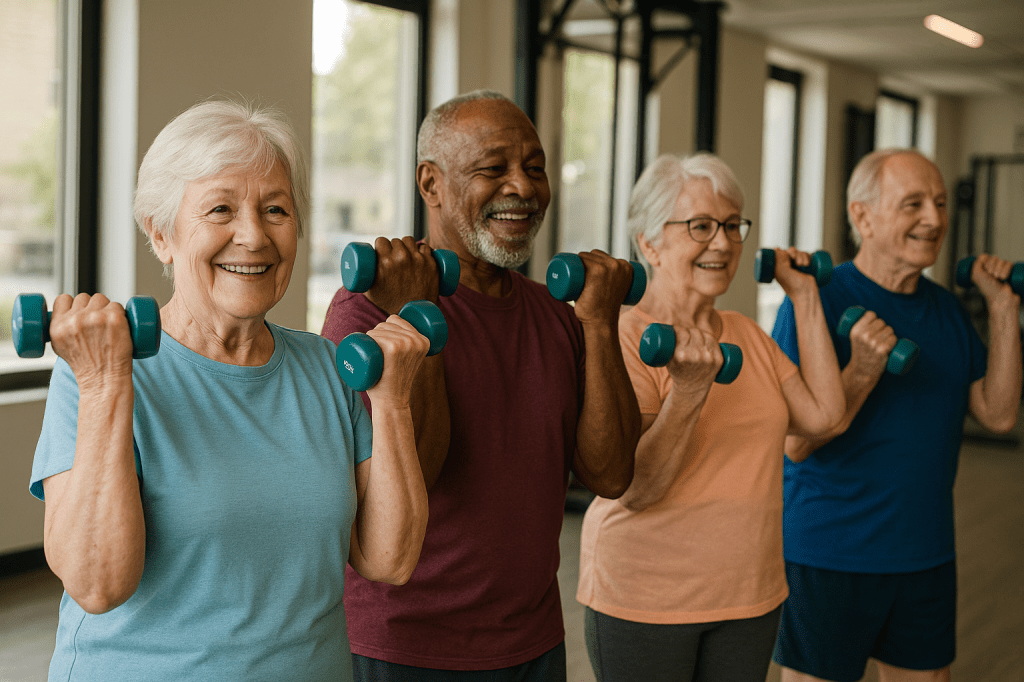
Staying active as we get older isn’t about doing more — it’s about moving with purpose. For older adults, strength training is one of the most effective ways to maintain muscle, boost vitality, and stay independent. One of the best ways to do that? Compound exercises.

These exercises work several muscles and joints at the same time, helping you build practical, full-body strength while improving coordination and balance. Whether you’re just starting out or easing back into a routine, this guide offers simple, senior-friendly exercises to help you gain strength safely and confidently.

Why Strength Training Is So Important for Seniors

As we get older, we naturally begin to lose muscle — a process that can affect how we move, balance, and even how efficiently our bodies burn calories. Adding strength training to your regular schedule can provide benefits such as:

Improve stability and reduce fall risk

Maintain or increase muscle mass

Support better posture and joint health

Boost metabolism and energy levels

Prevent falls and injuries

Strengthen bones and joints

Improve posture and reduce back pain

Boost confidence and mental clarity

And here’s the good news — it doesn’t take hours in the gym to feel stronger. With the right approach, a few short sessions per week can deliver real results.

Top Compound Exercises for Seniors (with Instructions)

You can perform these exercises either at home or in a fitness center, using minimal or no equipment. Always start with a short warm-up like marching in place or gentle arm swings for 3–5 minutes.

  1. Chair Squats

Muscles Worked: Legs, glutes, core

Instructions:

Stand facing a sturdy chair with your feet positioned hip-width apart.

Extend your arms straight ahead to help maintain balance as you move.

Slowly bend your knees and lower your body toward the chair.

Gently touch the seat with your hips — don’t sit fully — then press through your heels to stand back up.

Repeat 8–12 times.

Tip: Keep your back straight, and make sure your knees follow the direction of your toes as you lower down.

  1. Wall Push-Ups

Muscles Worked: Chest, shoulders, arms

Instructions:

Stand facing a wall, arms-length away.

Press your palms against the wall so they’re level with your shoulders.

Slowly bend your elbows and lean your body toward the wall with control.

Push back to your starting position.

Repeat 8–15 times.

Tip: Maintain a straight line from your head down to your heels throughout the movement. Don’t let your hips sag.

  1. Seated Band Rows

Muscles Worked: Upper back, biceps

Instructions:

Sit tall on a stable chair or bench with a resistance band firmly placed around the bottoms of your feet.

Grip the ends of the band with your hands, keeping your palms facing inward.

Draw the band toward your waist while keeping your elbows tucked in close to your body.

Squeeze your shoulder blades together, then slowly return.

Repeat 8–12 times.

Tip: Avoid shrugging your shoulders. Focus on your back doing the work.

  1. Step-Ups

Muscles Worked: Legs, glutes, balance

Instructions:

Stand facing a solid, low-height step or platform.

Place one foot on the step, press through your heel, and lift your other foot up.

Step back down, one foot at a time.

Alternate the leading leg.

Do 8–10 reps per leg.

Tip: Use a wall or railing for balance if needed. Go slow and controlled.

  1. Dumbbell or Bodyweight Deadlifts

Muscles Worked: Hamstrings, glutes, lower back

Instructions:

Stand with feet hip-width apart, holding light dumbbells (or with arms hanging naturally if using bodyweight).

With a flat back, hinge at your hips and lower the weights toward your knees or shins.

Squeeze your glutes and return to standing.

Repeat 8–12 times.

Tip: Think “hips back” rather than “bend over.” Don’t round your spine.

Getting Started: Safety Tips for Seniors

Check with your healthcare provider before beginning any new workout program.

Warm up first with gentle movement to get your blood flowing.

Use proper form — quality matters more than quantity.

Stay hydrated and rest between sets if needed.

Start slow — 2 to 3 sessions per week is a great beginning.

Stop if you feel pain (a little soreness is normal, but sharp pain isn’t).

Final Thoughts

Building strength doesn’t require bulky weights or specialized gear. With the right exercises — done consistently — you’ll feel stronger, more balanced, and more capable in everyday life. Strength training is one of the most effective ways seniors can protect their health, independence, and confidence.

Start where you are. Progress at your pace. And remember: every rep is a step toward a stronger you.

Categories
athletes beginners Fitness fitness-tips flexibility flexibility & mobility gear & reviews Gym home workout men mobility Muscle Gain recovery recovery & wellness training yogis

Best Yogis Shoes for Beginners: A Guide to Gear & Reviews for Yogis

If you’re just starting your yoga journey, choosing the right gear can make all the difference — especially when it comes to footwear. While traditional yoga is often practiced barefoot, beginner yogis exploring various fitness styles or hybrid workouts might benefit from specialized shoes designed to enhance comfort, stability, and performance. In this guide, we’ll explore the best yogis shoes for beginners, sharing gear insights, reviews, and practical instructions to help you elevate your practice safely and effectively.

Why Consider Shoes for Yoga Beginners?

Yoga is more than just poses — it’s about balance, alignment, and connection to your body and surroundings. Although barefoot practice is classic, some beginner yogis prefer lightweight, flexible shoes that offer grip, protection, and support. This is especially true if you:

Practice outdoors or in chilly environments

Combine yoga with fitness routines like Pilates, barre, or light cardio

Have foot sensitivity or injuries that need extra cushioning

Want to enhance stability during standing or balancing poses

The right yogi shoes can provide traction on slippery surfaces, help maintain proper foot alignment, and boost confidence in your movements.

What to Look for in Beginner Yoga Shoes

When choosing shoes for yoga, prioritize these features:

Flexibility: The shoe should bend and move naturally with your foot.

Grip: Look for soles with excellent traction to prevent slipping.

Breathability: Yoga can get sweaty, so breathable materials keep your feet cool and dry.

Lightweight: Heavy shoes restrict movement; aim for light designs.

Minimal Cushioning: Too much padding can reduce your sense of connection to the floor.

Instructions: How to Choose and Use Yoga Shoes for Beginners

Step 1: Assess Your Needs

Consider why you want yoga shoes. Are you practicing outdoors, combining yoga with other workouts, or needing foot protection? This will guide your choice.

Step 2: Try Them On

Visit a store or order online with a flexible return policy. When trying shoes on:

Wear thin socks or practice barefoot to simulate yoga conditions.

Check that toes can move freely and that the shoe feels snug but not tight.

Step 3: Break Them In

Use your shoes around the house or during light warm-ups before wearing them in full sessions. This helps the materials soften and molds to your feet.

Step 4: Practice Mindfully

Use shoes primarily for hybrid workouts or outdoor yoga. Avoid wearing them during traditional barefoot sequences to maintain foot strength and natural movement.

Step 5: Care for Your Shoes

Clean your shoes after use according to manufacturer instructions. Air them out to prevent odors and maintain hygiene.

Top Picks: Best Yogis Shoes for Beginners

  1. Nike Free RN Flyknit

Flexible soles and breathable knit uppers give a barefoot feel with protection, perfect for yoga and fitness cross-training.

  1. Vibram FiveFingers KSO EVO

Toe-separated design promotes natural foot function and balance — great for enhancing proprioception in yoga.

  1. Adidas Adipure Trainer

Lightweight, breathable, and grippy, this trainer is ideal for indoor and outdoor yoga sessions.

  1. FREETOO Minimalist Shoes

An affordable option offering flexibility, breathability, and slip resistance for beginner yogis on a budget.

Final Thoughts: Elevate Your Practice with the Right Gear

Starting yoga is a rewarding step toward better fitness and mindfulness, and your gear can support this journey in meaningful ways. While yogi shoes aren’t mandatory, they offer practical benefits for beginners venturing into fitness hybrids or those needing extra foot support. By following these simple instructions, you can select and use shoes that enhance comfort, flexibility, and grip—helping you build a strong foundation for a fulfilling and balanced yoga practice.

Remember, yoga is ultimately about connecting with your body and breath, whether barefoot or shod. Gear is just one piece of the puzzle, but it can help you step confidently onto your mat.

Categories
busy schedules Fitness fitness-tips foam roller recovery recovery & wellness

How to Use a Foam Roller for Busy Schedules

In the rush of everyday life, recovery often gets pushed to the side. But the truth is, you don’t need an hour-long massage or a spa day to feel better. For those with busy schedules, foam rolling is one of the most efficient tools for maintaining your fitness and overall global recovery & wellness—and it takes just minutes.

Why Foam Rolling Matters When You’re Busy

Foam rolling, or self-myofascial release, helps reduce muscle tightness, improve circulation, and enhance mobility. It’s fast, low-effort, and you can do it virtually anywhere—perfect for people who don’t have time to spare.

3 Foam Rolling Routines You Can Fit Into Any Day

  1. Morning Wake-Up (5 Minutes)

Goal: Loosen up after sleep and get your blood flowing.

Instructions:

Upper Back (Thoracic Spine)

Lie down with the foam roller under your upper back, perpendicular to your spine.

Place your hands behind your head for support, raise your hips off the ground, and slowly roll from the shoulder blades toward the middle of your back

Roll for 30–60 seconds.

Quads (Front of Thighs)

Quads (Front of Thighs)

Start by lying on your stomach with the foam roller positioned beneath your thighs.

Gently roll from just above your knees up toward the tops of your thighs, near your hips.

For a deeper massage, try focusing on one leg at a time.

Aim to spend about 1 to 2 minutes total on this area.

Calves

Use your hands to lift your hips slightly, then roll slowly from your ankles to just below your knees.

Pause briefly on any tight or sore spots to release tension.

Lift your hips slightly off the floor and roll from your ankles to just below your knees.

Pause on tight spots.

Roll for 30–60 seconds per leg.

  1. Desk Break Routine (3 Minutes)

Goal: Counteract long sitting hours and improve circulation.

Instructions:

Hamstrings

Sit with one leg extended and the foam roller under your hamstring.

Slowly glide the roller from the area just behind your knee up toward your glute muscles.

Switch legs after 30 seconds.

Glutes (Hip Area)

Position yourself seated on the foam roller, then place your right ankle over your left knee to form a figure-four shape.

Lean slightly into the side you’re rolling.

Move gently in both directions for about 30 to 60 seconds on each side.

Mid-Back Stretch

Lie back on the roller and open your arms wide for a passive chest opener.

Hold this position for about 30 seconds to help release tension and gently open up your posture

  1. Evening Wind Down (10 Minutes)

Goal: Release tension and prepare your body for better sleep.

Instructions:

IT Band (Outer Thigh)

Position yourself on your side and place the foam roller beneath the outside of your thigh.

Roll from just below your hip to above your knee.

Use your opposite leg and arms for support.

Roll each side for 1 minute.

Upper Back / Shoulders

Lie back on the roller and focus more toward the upper traps and rear delts.

Gently move side-to-side to massage the area.

Roll for 1 minute.

Lower Back + Hips (Gently)

Sit on the roller and slowly move over the sacrum (just above your tailbone).

Stay gentle—this area is sensitive.

Roll for 30 seconds.

Feet (Optional)

Using a smaller roller or massage ball, gently massage the bottoms of your feet while sitting or standing.

Spend 30 seconds per foot—a great way to unwind.

Tips to Make Foam Rolling Stick with a Busy Schedule

Leave the Roller Out: Seeing it reminds you to use it.

Use Time Anchors: Pair foam rolling with routines you already have (like morning coffee or pre-bed stretching).

Short Sessions Matter: Even 2 minutes makes a difference.

Keep It Portable: A travel-sized foam roller fits in a gym bag, suitcase, or under your desk.

Final Thoughts

Recovery doesn’t need to be complicated or time-consuming. With just a few minutes a day, foam rolling supports global recovery & wellness, reduces the risk of injury, and helps you feel more mobile—even with a packed schedule.

Whether you’re chasing fitness goals or just trying to feel better after long workdays, this simple habit makes a lasting impact. Foam rolling isn’t just for athletes—it’s for anyone trying to stay active, healthy, and well.

Categories
Fitness fitness-tips Muscle Gain recovery recovery & wellness training

Best Sleep Habits for Muscle Gain Recovery

One often overlooked pillar of recovery & wellness is sleep. Getting quality sleep is essential for muscle gain and overall fitness progress. In this article, we’ll dive into the best sleep habits to support your muscle recovery, maximize gains, and enhance your wellness journey — with easy instructions you can start using today.

Why Sleep Matters for Muscle Gain

During deep sleep phases, your body ramps up the production of growth hormone, a key player in muscle repair and growth. Sleep also helps reduce inflammation and restore energy levels, preparing your muscles for the next workout session. Without adequate rest, even the best exercise and diet plans can fall short.

Top Sleep Habits for Optimal Muscle Recovery — with Instructions

  1. Prioritize Consistent Sleep Schedules

Why: Consistency regulates your body’s internal clock and improves hormone balance.

How to do it:

Set a fixed bedtime and wake-up time.

Use alarms or phone reminders to keep you on track.

Prioritize Consistent Sleep Schedules

How to do it:

Try to keep your wake-up time within about an hour of your usual time, even on days off.

Set alarms or reminders to help maintain your routine.

  1. Aim for 7 to 9 Hours of Sleep

Why: Getting this amount allows your body to reach the deep and REM sleep phases needed for muscle repair.

How to do it:

Decide when you need to get up, then plan your bedtime so that you get between seven and nine hours of rest.

Make gradual changes to your schedule if you’re not currently getting enough sleep.

Adjust your schedule gradually if you’re currently sleeping less.

Track your sleep duration using a journal or sleep app.

  1. Create a Relaxing Bedtime Routine

Why: Helps your body wind down and fall asleep faster.

How to do it:

Spend 30 minutes before bed doing low-stimulation activities (reading, light stretching, meditation).

Turn off phones, computers, and TV to reduce blue light exposure.

Consider calming rituals like herbal tea or aromatherapy.

  1. Optimize Your Sleep Environment

Why: A comfortable, distraction-free room improves sleep quality.

How to do it:

Keep your bedroom temperature between 60-67°F (15-19°C).

Use blackout curtains or an eye mask to block light.

Invest in a supportive mattress and pillows suited to your comfort.

  1. Be Mindful of Pre-Sleep Nutrition

Why: Your food choices can influence both how quickly you fall asleep and how well your muscles recover.

How to do it:

Avoid caffeine and alcohol 4-6 hours before bedtime.

Skip heavy, spicy, or sugary foods late at night.

Eat a small protein-carb snack about 1 hour before bed, like a banana with peanut butter or Greek yogurt with berries.

  1. Manage Stress Throughout the Day

Why: High stress elevates cortisol, which can interfere with muscle repair and sleep.

How to do it:

Incorporate 5-10 minutes of mindfulness, deep breathing, or meditation daily.

Schedule regular physical activity that you enjoy.

Practice journaling or talk to a friend to process daily stressors.

Benefits of Good Sleep for Muscle Gain

Improved Muscle Recovery: Sleep stimulates the release of growth hormones and aids in building new muscle proteins.

Improved Performance: Well-rested muscles can handle more intense workouts.

Reduced Injury Risk: Fatigue-related injuries are less common with adequate rest.

Better Mental Wellness: Sleep supports mood and motivation, helping consistency.

Final Thoughts

Building muscle isn’t just about lifting heavier weights or eating more protein — your sleep habits play a vital role in your overall fitness and recovery & wellness journey. Follow these straightforward instructions to improve your sleep today and give your muscles the best environment to grow and recover.

Start treating sleep like an essential part of your training plan — your body will thank you for it!

Categories
Baths exercises Fitness fitness-tips flexibility Gym home workout Meals men Muscle Gain nutrition recovery recovery & wellness strength training Supplements training women

Top Seniors Supplements for Muscle Growth

As we age, maintaining muscle mass becomes increasingly important—not just for strength, but for overall health, mobility, and quality of life. For seniors dedicated to fitness and wellness, nutrition and meal prep play a crucial role in supporting muscle growth and recovery. While a balanced diet is the foundation, certain supplements can provide targeted support to help seniors maintain and even build muscle effectively.

In this article, we’ll explore the top supplements seniors can consider to enhance muscle growth, alongside practical nutrition and meal prep tips tailored to their unique needs—with easy-to-follow instructions.

Why Muscle Growth Matters for Seniors

Muscle loss, or sarcopenia, naturally occurs as part of aging and can lead to weakness, falls, and reduced independence. But with the right combination of exercise, nutrition, and supplements, seniors can slow or even reverse this decline. Supplementing smartly supports recovery, increases muscle protein synthesis, and boosts overall fitness results.

Key Supplements for Seniors Focused on Muscle Growth (With How-To Use)

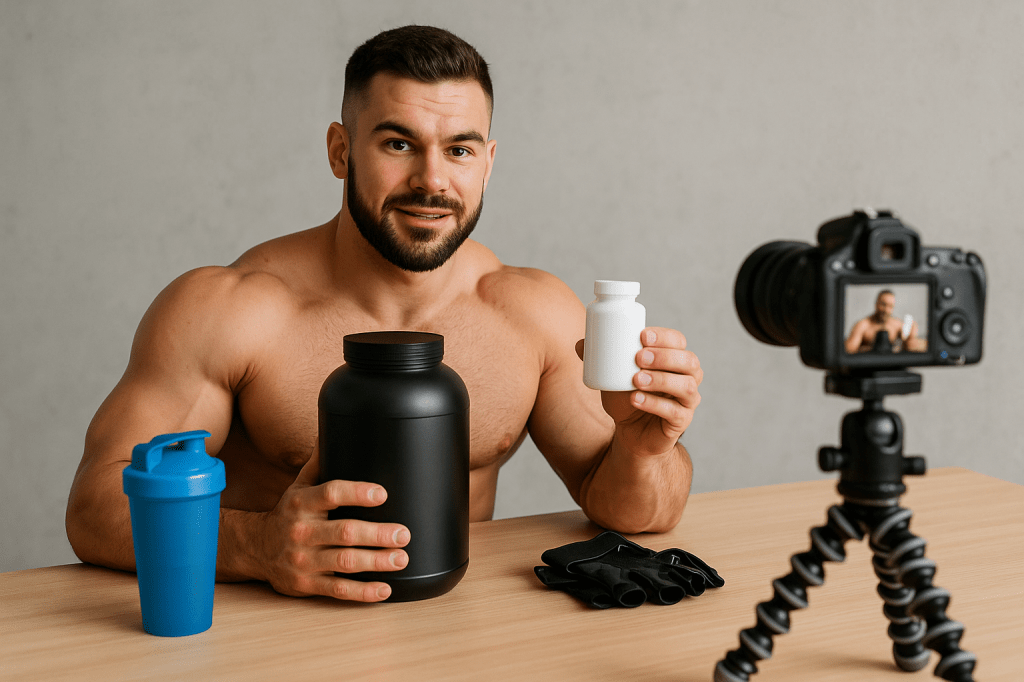
  1. Protein Powders (Whey, Casein, or Plant-Based)

Protein is vital for muscle growth and recovery.

Yet, many older adults find it difficult to get sufficient protein through their everyday meals.

Tips for adding protein supplements:

Aim to consume between 20 and 30 grams of protein at every meal to help preserve and grow muscle mass.

Consider adding a scoop of protein powder—typically providing around 20 to 25 grams of protein—into smoothies or mixing it with milk or water for convenience.

For best results, consume protein powder within an hour after completing strength training to aid muscle recovery.

If you choose casein protein, taking it before bed can provide a slow and steady release of amino acids during sleep.

Creatine Monohydrate
Creatine is known for its ability to restore energy stores in muscle cells, which helps enhance strength and speed up recovery times.

How to use creatine effectively:

Consume 3 to 5 grams each day, ideally after exercising, combined with water or juice to enhance absorption.

If using casein, take it before bedtime for slow release during sleep.

  1. Creatine Monohydrate

Creatine helps replenish energy in muscle cells, improving strength and recovery.

How to use:

Consume 3 to 5 grams of creatine each day, preferably following your workout, mixed with water or juice for optimal absorption.

There’s no need for a loading phase; consistent daily use is effective.

Drink plenty of water to stay hydrated while supplementing.

  1. Vitamin D

Vitamin D supports muscle function and bone health.

How to use:

Have your vitamin D levels assessed through a medical checkup with your healthcare provider.

Supplement with 1,000 to 2,000 IU daily, or as advised by a healthcare provider.

Take with a meal that contains fat for better absorption.

  1. Omega-3 Fatty Acids

Omega-3s aid muscle recovery and reduce inflammation.

How to use:

Consume a daily dose of 1,000 mg of EPA and DHA combined—be sure to verify the amounts on your supplement’s label.

Choose high-quality fish oil supplements with purity certification.

Consume with meals to improve digestion and absorption.

  1. Branched-Chain Amino Acids (BCAAs)

BCAAs stimulate muscle repair and reduce soreness.

How to use:

Consume 5 to 10 grams of BCAAs either just before or right after exercising.

Mix with water or your favorite beverage.

Use on rest days to aid recovery if needed.

Nutrition & Meal Prep Tips for Seniors Focused on Muscle Health (Step-by-Step)

Step 1: Prioritize Protein

Incorporate a quality protein source into each meal, such as chicken, fish, legumes, dairy, or protein supplements. Measure approximately 3 to 4 ounces of meat or one serving of protein powder using a kitchen scale or measuring tools.

Step 2: Balance Your Plate

Cover half of your plate with a variety of colorful vegetables, dedicate a quarter to lean proteins, and reserve the last quarter for whole grains or complex carbs.

Step 3: Meal Prep for Consistency

Spend one or two days a week preparing meals in bulk. Prepare lean protein dishes and roast a variety of vegetables, then divide the meals into individual containers. Store them in the refrigerator or freezer for convenient, ready-to-eat options throughout the week.

Step 4: Stay Hydrated

Aim for 6-8 glasses of water daily. Carry a reusable water bottle and sip throughout the day.

Step 5: Incorporate Strength Training

Engage in resistance exercises 2-3 times per week, focusing on major muscle groups. Consult a fitness professional for age-appropriate routines.

Final Thoughts

Building and maintaining muscle as a senior isn’t just about staying fit—it’s about preserving independence, boosting confidence, and improving quality of life. The right combination of nutrition, meal prep, fitness, and carefully chosen supplements can make a meaningful difference.

Important: Always consult your healthcare provider before starting new supplements to ensure they fit your health profile.

With thoughtful planning and dedication, seniors can continue to grow stronger and enjoy the benefits of an active lifestyle.

Categories
Fitness fitness-tips flexibility flexibility & mobility home workout mobility recovery recovery & wellness strength training yoga

Flexibility Yoga Poses for Better Flexibility

If you’ve ever felt stiff after a long day or sore from a workout, you know how important flexibility is for overall fitness and well-being. Flexibility improves your mobility, reduces injury risk, and helps your body feel more relaxed. Incorporating specific yoga poses into your routine can transform how you move—and feel.

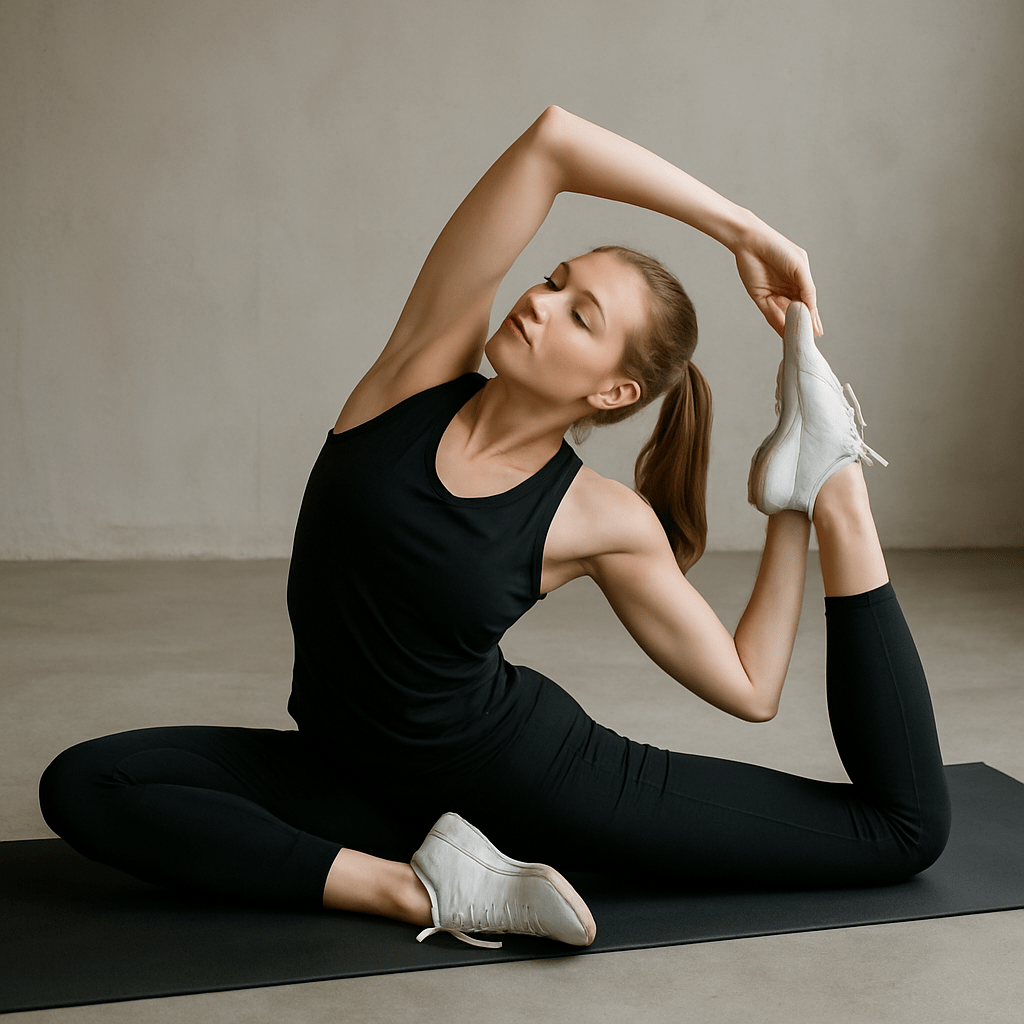
Here’s a guide to six effective yoga poses designed to enhance your flexibility & mobility, complete with step-by-step instructions to get you started safely and confidently.

Why Flexibility Matters

Tight muscles limit your movement and can cause discomfort. Increasing flexibility doesn’t just help you touch your toes—it improves circulation, balance, and even stress relief.

6 Yoga Poses to Improve Flexibility (with Instructions)

  1. Downward Facing Dog (Adho Mukha Svanasana)

Instructions:

Begin on all fours, making sure your wrists line up right under your shoulders and your knees sit directly beneath your hips.

Spread your fingers wide to get a good grip on the floor, pressing down through your palms.

Curl your toes under, then slowly lift your hips up and back toward the ceiling, straightening your legs as much as feels good—no need to push it.

Let your head hang naturally between your arms and keep your eyes looking toward your feet.

Stay here for about 30 seconds to a minute, taking slow, deep breaths to really settle in.

To release, gently lower your knees back down.

Benefits: Lengthens spine, calves, hamstrings, and shoulders.

  1. Low Lunge (Anjaneyasana)

Instructions:

Low Lunge (Anjaneyasana)

Start in Downward Dog, then bring your right foot forward, planting it right between your hands. Make sure your right knee sits comfortably over your ankle.

Lower your left knee down to the floor and untuck those toes so your foot can rest easy.

Lift your chest up and reach your arms overhead, palms facing each other like you’re reaching for the sky.

Keep your core tight and hips facing forward—don’t let them twist.

Hold this pose for about 30 seconds, then switch sides and do the same on your left leg.

Why it’s great: This move opens up your hip flexors and gives your quads and groin a nice stretch.

Seated Forward Fold (Paschimottanasana)

Sit down on the floor with your legs stretched out straight in front of you.

Take a deep breath in and sit tall, lengthening your spine.

As you breathe out, gently fold forward from your hips, reaching toward your feet. If you can’t reach your toes comfortably, grab a strap or towel around your feet to help.

Keep your back nice and straight—try not to round your shoulders or collapse forward.

Hold here for 30 seconds to a minute, breathing steadily and calmly.

When you’re ready to come back up, take a deep breath and slowly roll your spine up bit by bit—like stacking building blocks from the base up.

Why it’s great: This stretch works wonders for your hamstrings and lower back.

Cat-Cow Stretch (Marjaryasana-Bitilasana)

Start on your hands and knees with your wrists lined up under your shoulders and knees under your hips.

Take a big inhale and arch your back, lifting your tailbone and head toward the ceiling — this is Cow Pose.

Exhale, round your spine, tucking your chin and tailbone (Cat Pose).

Flow smoothly between these two positions with your breath for 1-2 minutes.

Benefits: Warms up and increases spinal flexibility.

  1. Pigeon Pose (Eka Pada Rajakapotasana)

Instructions:

Pigeon Pose (Eka Pada Rajakapotasana)

From Downward Dog, swing your right knee forward and set it just behind your right wrist.

Stretch your left leg straight out behind you, keeping your hips facing forward and even.

Slowly lower your chest down toward your right shin, using your hands to support your upper body.

Hang out here for 30 seconds to a minute, then switch sides and do the same on the left.

If you need extra support, pop a folded blanket under your hip to keep things comfy and balanced.

Why it rocks: This pose is a deep hip opener that really helps release built-up tension.

Bridge Pose (Setu Bandhasana)

Sprawl out on your mat and get comfy. Bend your knees and plant your feet hip-width apart—close enough that your fingertips can just skim your heels.

Press your feet down firmly and gradually raise your hips, as if you’re gently lifting off the ground.

Keep your thighs parallel and close together, gently activating your glutes to stay balanced and steady

Hold the stretch for anywhere between 30 seconds and a minute, keeping your breath steady and relaxed.

When it feels right, slowly lower your hips back down, gently stacking your spine back onto the mat.

Why it’s awesome: Bridge strengthens your glutes and gives your chest and spine a nice stretch.

Tips for Building Flexibility

Always start with some light movement or dynamic stretches to warm up your muscles before you dive in.

Use props like straps or blankets to support your body.

Breathe deeply — steady breath helps muscles relax.

Avoid pushing beyond your limits; flexibility builds gradually.

The Benefits Go Beyond the Mat

Greater flexibility & mobility enhances your everyday movements, improves posture, and speeds recovery after workouts. When your body moves with ease, life feels better.

Final Thoughts

These yoga poses offer a practical and gentle approach to boosting flexibility and supporting your overall fitness. Consistent practice, patience, and mindful breathing will help you unlock a freer, more agile body.

Start today, and watch how your flexibility transforms your wellness journey.

Categories
Fitness recovery runners

Cold Showers vs. Ice Baths: What’s Better for Runners?

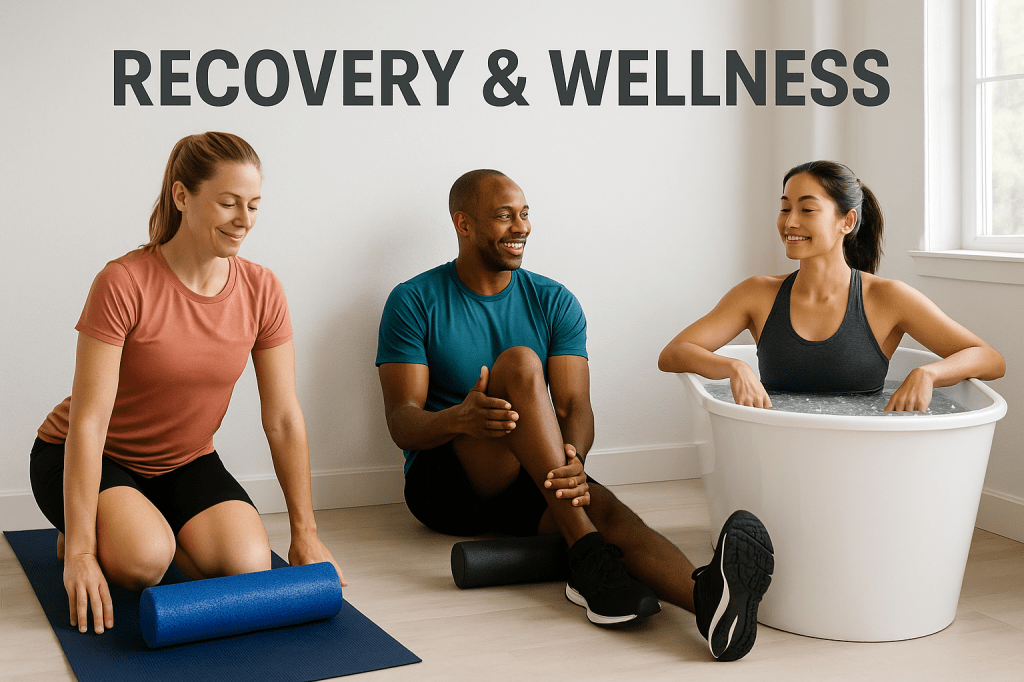
When it comes to recovery & wellness, runners are constantly seeking ways to bounce back faster, reduce soreness, and maintain peak performance. Cold showers and ice baths often spark debate among athletes looking to optimize their recovery routines. Both methods use cold exposure to support muscle recovery—but are they created equal? Let’s break it down.

Why Cold Exposure Matters for Runners
After a long run or intense training session, muscles are inflamed, micro-tears are healing, and your nervous system is fatigued. This is where cold exposure comes in. It constricts blood vessels, reduces swelling, and helps flush out metabolic waste. Whether you’re a weekend warrior or a marathon regular, proper recovery techniques are non-negotiable if you want to stay consistent in your training.

Cold Showers: Quick, Convenient, and Gentle
For many runners, cold showers are a practical way to incorporate cold therapy into their daily routine without too much fuss. Here’s what they offer:

Accessibility: No setup required—just step into your bathroom.

Shorter exposure: A 5-minute cold rinse post-run can refresh you without the shock of full-body immersion.

Mental benefits: Cold showers also offer a unique mental “reset,” waking you up and helping you adapt to stress.

Best for: Everyday recovery, early-stage cold therapy, and those short on time or new to cold exposure.

Ice Baths: Intense, Immersive Recovery
On the other end of the spectrum, ice baths offer a deeper, more intense recovery experience. Here’s why many elite runners swear by them:

Reduces inflammation more aggressively: The full-body immersion targets the legs, hips, and core—all of which take a pounding during runs.

Longer-lasting effects: Post-ice bath recovery can feel more substantial, especially after races or long mileage days.

Customizable: Athletes often combine ice baths with contrast therapy (hot/cold switching) for even greater benefits.

Best for: Post-race recovery, long runs, injury prevention, and serious fitness routines.

Which One Should You Choose?
What works best will ultimately come down to how much you train, your schedule, and what feels right for your body. For runners putting in serious mileage or gearing up for a race, ice baths offer a powerful way to help the body recover more completely. But for daily recovery and consistent maintenance, cold showers are an easy, sustainable habit.

Some runners even use both—ice baths after key sessions and cold showers on lighter days.

Final Thoughts
Recovery and wellness aren’t one-dimensional—what works best varies from person to person. The key is listening to your body and finding what helps you stay consistent, injury-free, and motivated. Whether you go for a brisk cold shower or take the plunge in an ice bath, both tools can be game-changers in your fitness journey.