Categories
exercises Fitness fitness-tips home workout men nutrition nutrition & meal women workouts

Healthy Meal Prep for Home Workout Days

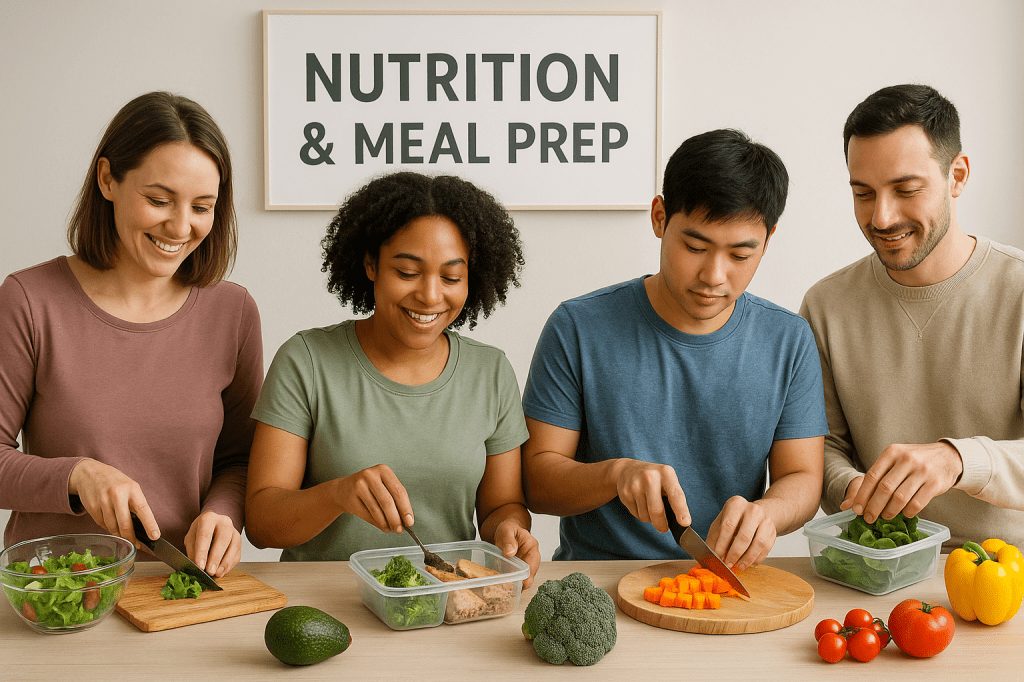
If you’re working out at home, you’re already investing in your health — but are your meals working as hard as you are? Pairing home workouts with intentional nutrition & meal prep can help you recover faster, feel stronger, and stay consistent without the stress of last-minute food choices.

This guide breaks down not just the why, but the how — with real-life instructions you can apply starting this week.

Why Nutrition & Meal Prep Matter

Home workouts give you flexibility — no commute, no crowds, no excuses. But when the fridge is only a few steps away, it’s easy to reach for what’s quick instead of what’s best for your body.

Planning your meals ahead of time helps ensure your nutrition supports your workout goals It also helps regulate energy levels, improve focus, and prevent overeating after workouts.

Step-by-Step Instructions for Healthy Meal Prep

Step 1: Plan Your Workout Days

Take 5 minutes to map out your week. Identify your workout days and rest days.

Example:

Monday: Strength

Wednesday: HIIT/cardio

Friday: Yoga

Saturday: Rest

Tip: You don’t need a complex workout program — just enough structure to plan your meals around.

Step 2: Match Meals to Workout Intensity

Not every day requires the same fuel. Adjust your prep based on your energy needs.

Workout Type Focus What to Include

Strength Muscle repair High-protein moderate carbs

Cardio Endurance Moderate protein, higher carbs

Recovery Anti-inflammatory & hydration Healthy fats, veggies, electrolytes

Step 3: Choose 2–3 Recipes Per Meal Type

Keep it simple. You don’t need 10 new recipes a week. Pick 2–3 each for:

Breakfasts (e.g., overnight oats, veggie omelet muffins, Greek yogurt parfaits)

Lunch/Dinner (e.g., grilled chicken bowls, veggie stir-fry with tofu, salmon & quinoa)

Snacks (e.g., protein bites, boiled eggs, apple with almond butter)

Aim for meals that reheat well and can be stored 3–5 days in the fridge.

Step 4: Grocery Shop with a List

Write down your ingredients for the week ahead. Organize your list by category to save time.

Example Grocery List:

Protein: Chicken breast, canned tuna, tofu, eggs

Carbs: Brown rice, oats, sweet potatoes

Veggies: Spinach, broccoli, bell peppers, carrots

Fats: Avocados, olive oil, almonds

Extras: Greek yogurt, bananas, lemon, herbs/spices

Step 5: Batch Cook 1–2 Times a Week

Choose a day (Sunday works well) to cook and portion meals. A midweek top-up (Wednesday) keeps things fresh.

Basic Batch Cooking Routine:

Cook all proteins (bake or grill for easy cleanup)

Roast or steam veggies

Prepare grains (quinoa, rice, or couscous)

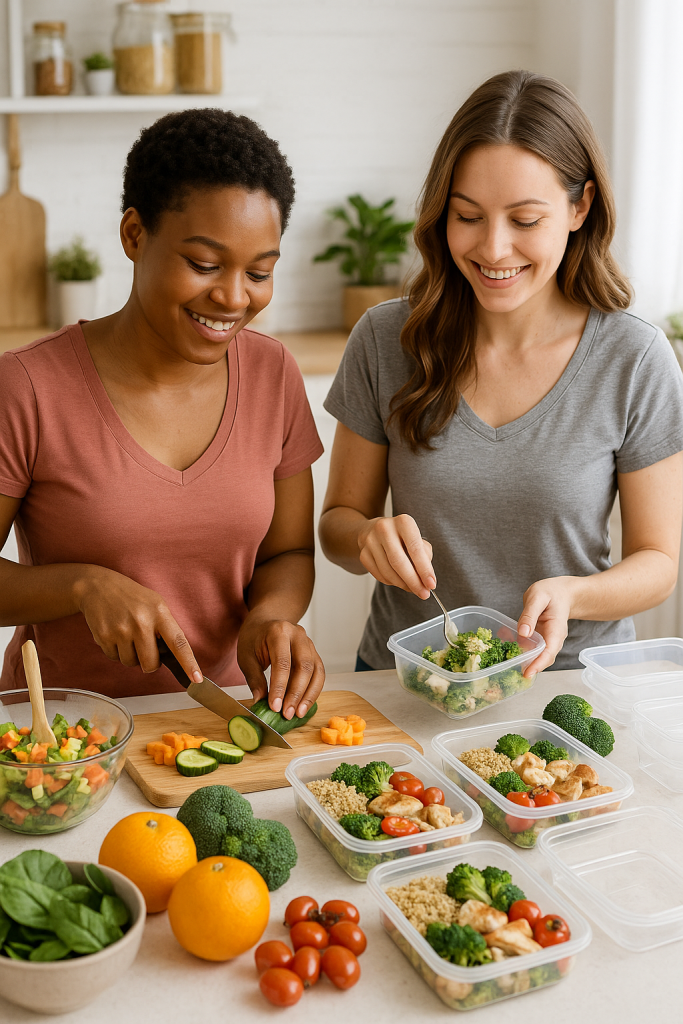
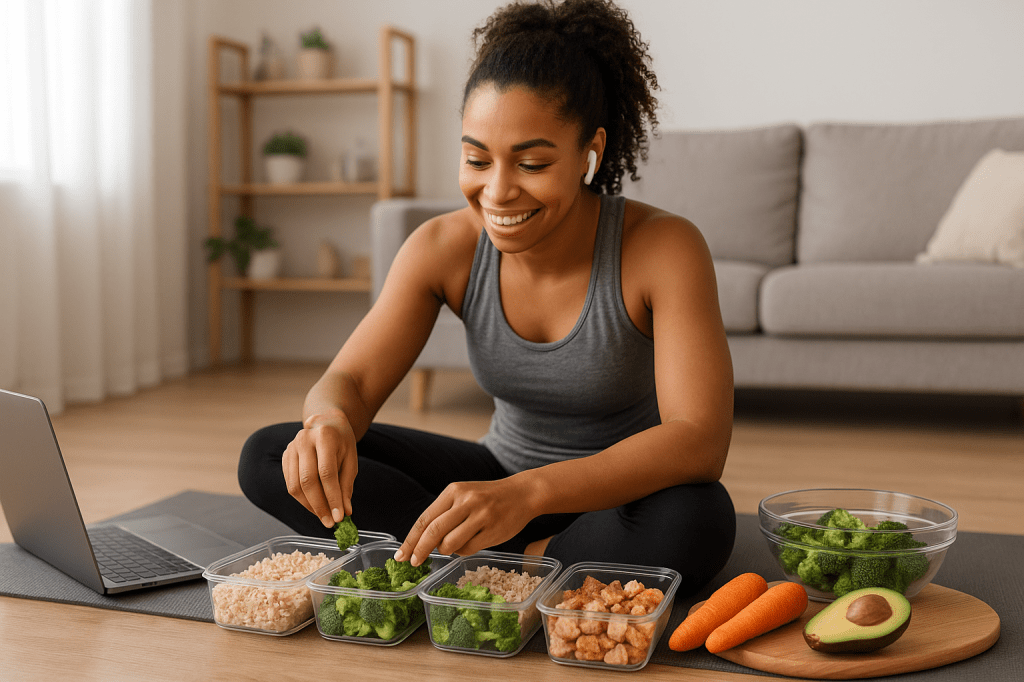
Portion into containers by meal

Store your meals in transparent containers to easily identify what’s inside without opening them. Label with the day if that helps you stay organized.

Step 6: Prep Pre- and Post-Workout Snacks

Keep quick energy and recovery options on hand:

Pre-Workout:

Banana + peanut butter

Rice cake + avocado

Small smoothie with oats

Post-Workout:

Protein shake with fruit

Turkey wrap

Cottage cheese + berries

Step 7: Stick to the System, Not Perfection

Meal prep isn’t about strict dieting. It’s about making your week easier, more nutritious, and more intentional.

If you skip a prep day or order takeout once, don’t scrap the whole week. Get back to your plan the next meal. Progress over perfection.

Benefits You’ll Notice (Quickly)

Less mental energy spent deciding what to eat

Improved performance during your home workouts

Faster recovery and better mood throughout the day

Reduced stress around meals and grocery runs

Final Thoughts

Healthy meal prep isn’t a trend — it’s a strategy. When you pair intentional eating with consistent home workouts, your body responds. You don’t need to be a gourmet chef or a fitness model — just someone with a plan.

Start small. Prep one extra meal this week. Build from there.

You’ve already committed to moving your body — now let your meals move you closer to your goals, too.
Categories
Dinner Fitness fitness-tips Meals nutrition nutrition & meal seniors training

Budget-Friendly Meals for Seniors Nutrition

Maintaining good nutrition is essential for seniors to support overall health, fitness, and well-being. However, eating healthily doesn’t have to be expensive or complicated. With a little planning and smart meal prep, seniors can enjoy nutritious, budget-friendly meals that fuel their bodies and promote vitality.

Why Nutrition & Meal Prep Matter for Seniors

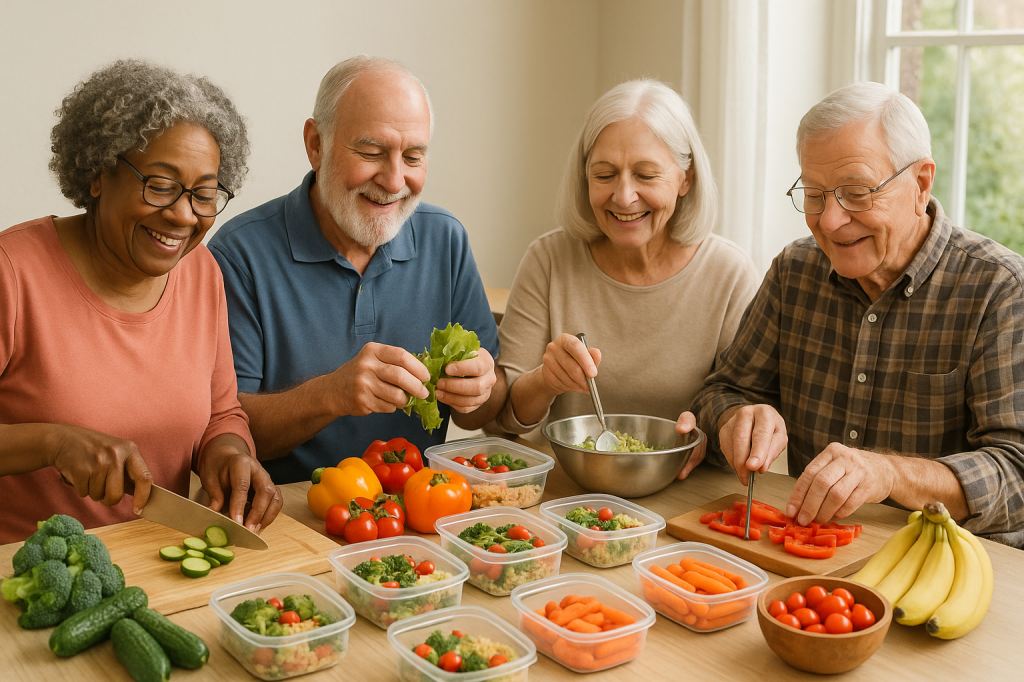
As we age, our nutritional needs change. Seniors often require fewer calories but more vitamins, minerals, and protein to preserve muscle mass and support immune function. Meal prep can be a game-changer—helping seniors avoid unhealthy convenience foods and make the most of their food budget by cooking in batches and reducing waste.

How to Get Started: Step-by-Step Instructions

  1. Plan Your Meals Weekly

Dedicate a brief 15 to 30 minutes each week to organize your upcoming meals.

Choose simple recipes with affordable ingredients.

Make sure to include plenty of vegetables, lean protein sources, and whole grains in your meals.

Write a grocery list based on your plan to avoid impulse buys.

  1. Shop Smart

Buy seasonal fruits and vegetables—they’re fresher and cheaper.

Keep an eye out for deals on essentials such as beans, lentils, and frozen vegetables.

Purchase bulk items that freeze well, such as chicken breasts or brown rice.

  1. Prep Ingredients in Advance

Wash and chop vegetables right after shopping.

Cook grains like rice or quinoa in large batches and store portions in the fridge or freezer.

Prepare protein options like hard-boiled eggs or baked chicken breasts to add to meals quickly.

  1. Cook in Batches

Make larger portions of soups, stews, or casseroles.

Divide cooked meals into single-serving containers.

Freeze or refrigerate portions for easy grab-and-go meals during the week.

  1. Use Simple Seasonings

Keep a small selection of herbs and spices such as garlic powder, paprika, and dried oregano.

These add flavor without extra cost or calories.

Simple, Budget-Friendly Meal Ideas with Instructions

Hearty Lentil Soup

Ingredients: lentils, carrots, onions, garlic, vegetable broth, canned tomatoes, and spices.

Rinse 1 cup of lentils.

Sauté diced onions, garlic, and carrots in a pot until soft.

Combine the lentils, 4 cups of vegetable broth, and a can of diced tomatoes in the pot, stirring thoroughly.

Simmer for 30-40 minutes until lentils are tender.

Season with salt, pepper, and herbs. Portion and refrigerate or freeze leftovers.

Oatmeal with Fruit and Nuts

What you’ll need: rolled oats, either water or milk, fresh or frozen fruit, and a small handful of nuts.

Instructions:

Prepare ½ cup of oats by cooking them in 1 cup of water or milk until soft.

Top with your choice of sliced fruit and a handful of nuts to enhance flavor and nutrition.

Vegetable Stir-Fry with Brown Rice

Ingredients: frozen mixed vegetables, cooked brown rice, soy sauce, and olive oil.

Heat 1 tablespoon olive oil in a pan.

Add frozen vegetables and sauté until heated through.

Stir in 1 cup cooked brown rice.

Add a splash of soy sauce for flavor.

Serve hot as a quick, balanced meal.

Egg and Spinach Wraps

Ingredients: eggs, fresh spinach, whole wheat wraps.

Scramble 2 eggs in a pan.

Add a handful of spinach and cook until wilted.

Lay the egg and spinach mixture onto a whole wheat wrap and roll it up securely.

A simple, protein-rich meal ready in minutes.

Benefits of Staying Fit and Eating Well for Seniors

Good nutrition combined with regular physical activity supports muscle strength, bone health, and cognitive function. Meal prepping reduces stress around mealtime, ensures consistent nutrient intake, and can encourage social interaction when meals are shared with friends or family.

Categories
beginners Fitness nutrition & meal snacks workouts

High-Protein Snacks for Beginners Workouts

If you’re new to working out, you’ve likely heard that protein is important—but figuring out how to include it in your day without overcomplicating things can feel confusing. This guide breaks down easy, beginner-friendly high-protein snacks, explains why they matter, and gives you step-by-step instructions to make them at home or prep ahead of time.

Whether you’re exercising to build strength, lose fat, or improve endurance, your results start in the kitchen—with smart nutrition & meal prep.

Why Protein Matters in Fitness for Beginners

For beginners in fitness, protein plays a major role in:

Repairing and building muscle

Supporting metabolism

Reducing post-workout soreness

Preventing excess hunger later

Snacking on high-protein foods helps you recover from workouts and avoid overeating between meals. Now let’s look at how to prepare some beginner-friendly options.

6 High-Protein Snack Ideas (with Instructions)

  1. Greek Yogurt + Berries

Protein per serving: ~15g

What you need:

1 cup plain Greek yogurt (2% or full-fat)

½ cup mixed berries (fresh or frozen)

Optional: sprinkle of chia seeds or honey

Instructions:

Scoop yogurt into a bowl or container.

Add berries on top.

Stir in chia seeds or drizzle honey if desired.

Store in the fridge or eat immediately.

  1. Boiled Eggs

Protein per egg: ~6g

What you need:

6 large eggs

Salt, pepper, or paprika

Instructions:

Place eggs in a pot, cover with water.

Heat until the water starts boiling, then lower the temperature and let the eggs cook gently for about 9 to 12 minutes.

Transfer to cold water and peel when cooled.

Store in the fridge up to 1 week.

Meal Prep Tip: Boil a batch on Sunday and grab 1–2 each day.

3.Cottage Cheese + Pineapple

Protein per serving: ~14g

What you need:

½ cup cottage cheese (low-fat or full-fat)

¼ cup diced pineapple (fresh or canned in juice)

Instructions:

Spoon cottage cheese into a bowl or container.

Add pineapple chunks on top.

Eat cold—no prep required!

  1. Hummus + Veggie Sticks

Protein per serving: ~6–8g

What you need:

½ cup hummus

1 cup raw veggies (carrots, bell peppers, cucumber, etc.)

Instructions:

Wash and slice your vegetables.

Portion into containers with hummus.

Keep chilled until snack time.

Prep multiple servings at once for the week.

  1. Nut Butter on Rice Cakes

Protein per serving: ~7g

What you need:

1–2 plain rice cakes

2 tbsp natural peanut or almond butter

Optional: banana slices or cinnamon

Instructions:

Spread nut butter evenly across rice cakes.

Top with banana slices or cinnamon if desired.

Eat immediately or prep in advance and wrap.

  1. Tuna Packet with Avocado

Protein per serving: ~18–20g

What you need:

One 3-ounce pouch of tuna packed in either water or olive oil

¼ mashed avocado

Salt, pepper, squeeze of lemon

Instructions:

Open tuna packet and place in a bowl.

Mix in mashed avocado and season to taste.

Pair with whole-grain crackers or wrap in crisp lettuce for a fresh, easy bite.

Ready in 2 minutes and ideal for post-workout protein!

Meal Prep Tips for Beginners

Start small: Pick 2 snacks to prep this week.

Use transparent containers and portion your snacks to keep things tidy and easy to find

Balance is key: Pair protein with fiber or healthy fats.

Don’t overthink it: Keep ingredients simple and affordable.

Benefits of High-Protein Snacking

Supports muscle recovery

Reduces cravings between meals

Improves satiety and energy

Helps regulate blood sugar

Final Thoughts

When you’re starting out, the goal isn’t perfection—it’s consistency. These protein-rich snack options are simple, hassle-free, and perfect for anyone just starting out. By incorporating them into your nutrition & meal prep routine, you’ll build a strong foundation for your fitness journey—one bite at a time.

Categories
Fitness Meals nutrition & meal women

Healthy Meal Prep for Women Days

Balancing wellness, work, and everything in between isn’t easy — especially when your schedule leaves little time to think about food. That’s where meal prep can truly change your life. This guide breaks down everything you need to know about nutrition & meal prep specifically for women – with realistic tips, instructions, and benefits that support your fitness and lifestyle.

Why Meal Prep Matters for Women

Whether you’re training, managing a busy household, or simply trying to eat better, prepping your meals helps you:


Maintain energy throughout the day
Avoid last-minute unhealthy food choices
Fuel your body for workouts and recovery
Reduce stress around food decisions
Stay in control of your health goals

How to Start: Step-by-Step Meal Prep Instructions

Here’s a simple and effective way to plan and prep your meals for the week:

Step 1: Plan Your Meals (30 minutes)

Pick 2–3 main meals you enjoy and that align with your goals (e.g., high protein, plant-based, low-carb).

Choose meals that share ingredients to save time and money.

Make sure to include snacks and breakfast in your plan, as they’re commonly missed but important.

Example Weekly Plan:

Breakfast: Overnight oats with almond butter & berries

Lunch: Grilled chicken quinoa bowls

Dinner: Veggie stir-fry with brown rice

Snacks: Greek yogurt, almonds, chopped cucumbers

Step 2: Make a Grocery List (15 minutes)

Break it down into categories: proteins, veggies, grains, dairy, pantry, snacks

Check what you already have at home

Stick to the list to avoid impulse buys

Tip: Use a grocery app or notepad to stay organized.

Step 3: Prep & Cook (1.5–2 hours on your chosen day)

Choose a day when you have time to prep — Sundays work well for many, but midweek is fine too.

Start with ingredients that take longest (e.g., rice, baked sweet potatoes)

While those cook, chop veggies and portion out snacks

Cook proteins (grill, roast, or sauté chicken, tofu, etc.)

Assemble meals in containers or keep ingredients separate for mix-and-match flexibility

Label containers with contents + date (especially if freezing)

Pro Tip: Use a sheet pan to roast multiple veggies at once for easy cleanup!

Step 4: Store Smart

Use glass or BPA-free containers with tight lids

Separate sauces/dressings to keep meals fresh

Stack meals for easy grab-and-go access

Freezer Tip: Freeze one or two servings for busier weeks — just thaw overnight in the fridge.

Bonus: Quick & Healthy Meal Ideas

Protein Power Bowl

Quinoa + roasted chickpeas + spinach + tahini drizzle

Simple Stir-Fry

Broccoli + carrots + tofu + brown rice + sesame oil

Mason Jar Salad

Start by placing the dressing on the bottom, then add grains and vegetables, finishing with a layer of fresh greens on top.

Tips for Long-Term Success

Keep it flexible: Life happens. Prepping just 2 meals a week is still progress.

Rotate ingredients: Try different grains, proteins, and sauces to avoid burnout.

Prep with a friend: Makes the process more fun and adds accountability.

Pay attention to your body’s signals and tailor your portion sizes and nutrient balance according to your energy needs and daily activity.

Final Thoughts

Meal prepping is more than just a health hack — it’s an act of self-care. By planning ahead, you’re giving yourself the gift of time, energy, and confidence. Whether your goal is to feel better, get stronger, or simply eat more whole foods, meal prep can support every part of your wellness journey.

Start small, stay consistent, and remember: You don’t have to be perfect — just prepared.

Categories
Fitness flexibility & mobility Gym home workout mobility nutrition nutrition & meal recovery & wellness strength training stretching women yogis

Daily Mobility Routine to Prevent Injuries in Yogis

Whether you’re easing into your first downward dog or moving through advanced asanas, the key to a sustainable yoga practice isn’t just flexibility — it’s mobility. This short, effective daily routine supports joint health, reduces injury risk, and enhances your overall movement quality.

What’s the Difference Between Flexibility & Mobility?

Flexibility is how far a muscle can stretch.

Mobility is how well a joint moves under control through that range.

Yoga already boosts flexibility. But when we train mobility, we strengthen those flexible ranges so they’re more resilient — which is critical for preventing injuries.

Your 10-Minute Daily Mobility Routine for Yogis

No equipment needed. Just your body, your breath, and about 10 minutes of focused, mindful movement.

  1. Controlled Shoulder Circles (CARs)

Purpose: Helps unlock the shoulder joint while improving strength and control throughout your range of motion.

Instructions:

Stand or sit tall.

Extend one arm straight out in front of you.

Slowly move it in a full circle overhead and behind, like you’re tracing the biggest circle possible.

Keep the rest of your body still.

Reverse direction after 5 reps.

Reps: 5 slow circles in each direction per arm.

  1. Cat-Cow with Core Engagement

Why: Mobilizes your spine while training breath and core control.

Instructions:

Start on hands and knees.

Inhale: Arch your back, lifting your tailbone and chest (Cow).

Exhale: Gently curve your spine upward, drawing your chin toward your chest and tucking your pelvis under.

Focus on moving one vertebra at a time.

Time: 1 minute of slow, controlled reps.

  1. 90/90 Hip Switches

Why: Opens hips and strengthens rotational movement.

Instructions:

Sit down with both knees bent — position one leg in front of you and the other out to the side, forming roughly 90-degree angles at each knee.

Keep your chest tall.

Carefully twist your hips to move both legs over to the other side, making sure your hands stay lifted off the floor.

Control the motion — avoid rushing.

Reps: 10 switches total (5 per side).

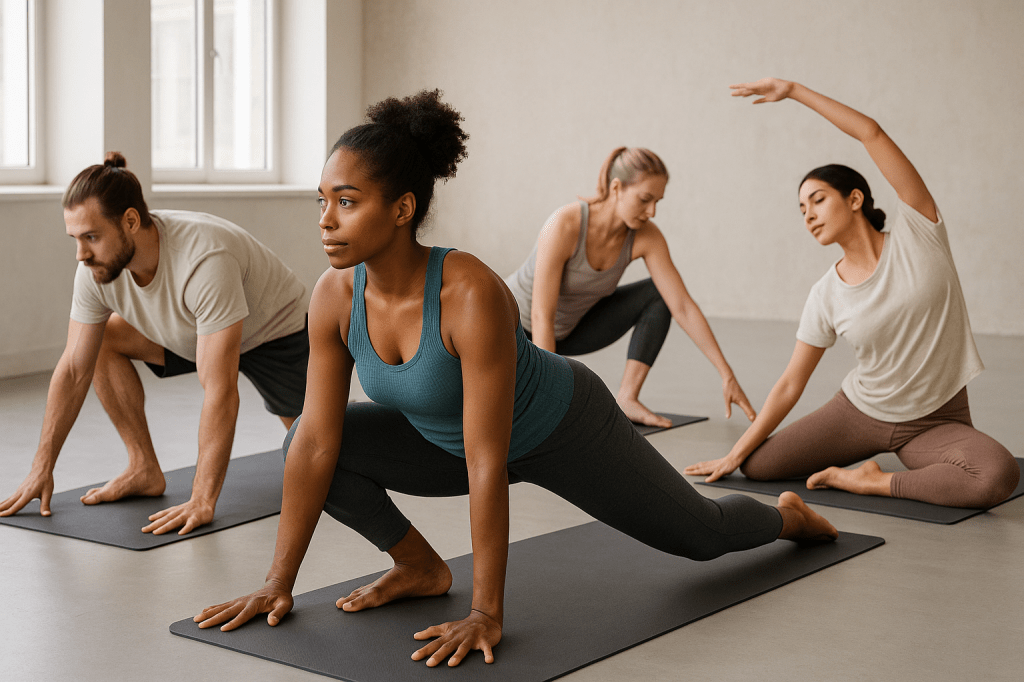
  1. Lunge with Spinal Twist

Why: Stretches hip flexors and thoracic spine — key for many yoga poses.

Instructions:

Step one foot forward into a deep lunge.

Place opposite hand on the floor.

Lift your opposite arm toward the ceiling as you rotate your torso to face your front leg.

Hold 2–3 breaths, then switch.

Reps: 5 reps per side.

  1. Deep Squat Hold with Arm Reaches

Why: Improves ankle, hip, and thoracic mobility.

Instructions:

Stand with feet hip-width apart.

Sink into a deep squat (heels down if possible).

Extend one arm upward as you gently press the opposite elbow against the inside of your knee for support.

Switch arms slowly.

Time: Hold the squat for 1–2 minutes, alternating arm reaches every 20 seconds.

  1. Downward Dog to Plank Rolls

Why: Engages shoulders, spine, and core control through transitions.

Instructions:

Start in Downward Dog.

Roll your spine forward into Plank position, stacking shoulders over wrists.

Roll back into Downward Dog with control.

Avoid collapsing — move smoothly.

Reps: 10 reps total.

  1. Supine Glute Bridge with Knee Pull

Why: Activates glutes, mobilizes hips, and stretches hamstrings.

Instructions:

Position yourself lying on your back, with your knees bent and feet placed about hip-distance apart.

Lift hips into a bridge, then pull one knee toward your chest.

Hold for 2–3 seconds, return foot to floor, repeat on the other side.

Reps: 10 reps each side.

Helpful Tips for Staying Consistent

Pair it with an existing habit (like brushing teeth or before yoga).

Use a timer so you don’t overthink it — just flow.

Stay present. Each rep is a chance to reconnect with your body.

Benefits for Yogis

Reduces injury risk during dynamic flows or deep stretches

Improves joint strength and body control

Supports smoother transitions between poses

Enhances body awareness on and off the mat

Encourages sustainable, long-term movement

Final Thought

Yoga is about more than being flexible — it’s about moving with intention, grace, and control. This mobility routine strengthens the foundation that supports your practice. Add it to your daily rhythm and feel the difference in how you move, stretch, and flow.