Categories
Baths exercises Fitness fitness-tips flexibility Gym home workout Meals men Muscle Gain nutrition recovery recovery & wellness strength training Supplements training women

Top Seniors Supplements for Muscle Growth

As we age, maintaining muscle mass becomes increasingly important—not just for strength, but for overall health, mobility, and quality of life. For seniors dedicated to fitness and wellness, nutrition and meal prep play a crucial role in supporting muscle growth and recovery. While a balanced diet is the foundation, certain supplements can provide targeted support to help seniors maintain and even build muscle effectively.

In this article, we’ll explore the top supplements seniors can consider to enhance muscle growth, alongside practical nutrition and meal prep tips tailored to their unique needs—with easy-to-follow instructions.

Why Muscle Growth Matters for Seniors

Muscle loss, or sarcopenia, naturally occurs as part of aging and can lead to weakness, falls, and reduced independence. But with the right combination of exercise, nutrition, and supplements, seniors can slow or even reverse this decline. Supplementing smartly supports recovery, increases muscle protein synthesis, and boosts overall fitness results.

Key Supplements for Seniors Focused on Muscle Growth (With How-To Use)

  1. Protein Powders (Whey, Casein, or Plant-Based)

Protein is vital for muscle growth and recovery.

Yet, many older adults find it difficult to get sufficient protein through their everyday meals.

Tips for adding protein supplements:

Aim to consume between 20 and 30 grams of protein at every meal to help preserve and grow muscle mass.

Consider adding a scoop of protein powder—typically providing around 20 to 25 grams of protein—into smoothies or mixing it with milk or water for convenience.

For best results, consume protein powder within an hour after completing strength training to aid muscle recovery.

If you choose casein protein, taking it before bed can provide a slow and steady release of amino acids during sleep.

Creatine Monohydrate
Creatine is known for its ability to restore energy stores in muscle cells, which helps enhance strength and speed up recovery times.

How to use creatine effectively:

Consume 3 to 5 grams each day, ideally after exercising, combined with water or juice to enhance absorption.

If using casein, take it before bedtime for slow release during sleep.

  1. Creatine Monohydrate

Creatine helps replenish energy in muscle cells, improving strength and recovery.

How to use:

Consume 3 to 5 grams of creatine each day, preferably following your workout, mixed with water or juice for optimal absorption.

There’s no need for a loading phase; consistent daily use is effective.

Drink plenty of water to stay hydrated while supplementing.

  1. Vitamin D

Vitamin D supports muscle function and bone health.

How to use:

Have your vitamin D levels assessed through a medical checkup with your healthcare provider.

Supplement with 1,000 to 2,000 IU daily, or as advised by a healthcare provider.

Take with a meal that contains fat for better absorption.

  1. Omega-3 Fatty Acids

Omega-3s aid muscle recovery and reduce inflammation.

How to use:

Consume a daily dose of 1,000 mg of EPA and DHA combined—be sure to verify the amounts on your supplement’s label.

Choose high-quality fish oil supplements with purity certification.

Consume with meals to improve digestion and absorption.

  1. Branched-Chain Amino Acids (BCAAs)

BCAAs stimulate muscle repair and reduce soreness.

How to use:

Consume 5 to 10 grams of BCAAs either just before or right after exercising.

Mix with water or your favorite beverage.

Use on rest days to aid recovery if needed.

Nutrition & Meal Prep Tips for Seniors Focused on Muscle Health (Step-by-Step)

Step 1: Prioritize Protein

Incorporate a quality protein source into each meal, such as chicken, fish, legumes, dairy, or protein supplements. Measure approximately 3 to 4 ounces of meat or one serving of protein powder using a kitchen scale or measuring tools.

Step 2: Balance Your Plate

Cover half of your plate with a variety of colorful vegetables, dedicate a quarter to lean proteins, and reserve the last quarter for whole grains or complex carbs.

Step 3: Meal Prep for Consistency

Spend one or two days a week preparing meals in bulk. Prepare lean protein dishes and roast a variety of vegetables, then divide the meals into individual containers. Store them in the refrigerator or freezer for convenient, ready-to-eat options throughout the week.

Step 4: Stay Hydrated

Aim for 6-8 glasses of water daily. Carry a reusable water bottle and sip throughout the day.

Step 5: Incorporate Strength Training

Engage in resistance exercises 2-3 times per week, focusing on major muscle groups. Consult a fitness professional for age-appropriate routines.

Final Thoughts

Building and maintaining muscle as a senior isn’t just about staying fit—it’s about preserving independence, boosting confidence, and improving quality of life. The right combination of nutrition, meal prep, fitness, and carefully chosen supplements can make a meaningful difference.

Important: Always consult your healthcare provider before starting new supplements to ensure they fit your health profile.

With thoughtful planning and dedication, seniors can continue to grow stronger and enjoy the benefits of an active lifestyle.
Categories
Fitness fitness-tips flexibility flexibility & mobility home workout mobility recovery recovery & wellness strength training yoga

Flexibility Yoga Poses for Better Flexibility

If you’ve ever felt stiff after a long day or sore from a workout, you know how important flexibility is for overall fitness and well-being. Flexibility improves your mobility, reduces injury risk, and helps your body feel more relaxed. Incorporating specific yoga poses into your routine can transform how you move—and feel.

Here’s a guide to six effective yoga poses designed to enhance your flexibility & mobility, complete with step-by-step instructions to get you started safely and confidently.

Why Flexibility Matters

Tight muscles limit your movement and can cause discomfort. Increasing flexibility doesn’t just help you touch your toes—it improves circulation, balance, and even stress relief.

6 Yoga Poses to Improve Flexibility (with Instructions)

  1. Downward Facing Dog (Adho Mukha Svanasana)

Instructions:

Begin on all fours, making sure your wrists line up right under your shoulders and your knees sit directly beneath your hips.

Spread your fingers wide to get a good grip on the floor, pressing down through your palms.

Curl your toes under, then slowly lift your hips up and back toward the ceiling, straightening your legs as much as feels good—no need to push it.

Let your head hang naturally between your arms and keep your eyes looking toward your feet.

Stay here for about 30 seconds to a minute, taking slow, deep breaths to really settle in.

To release, gently lower your knees back down.

Benefits: Lengthens spine, calves, hamstrings, and shoulders.

  1. Low Lunge (Anjaneyasana)

Instructions:

Low Lunge (Anjaneyasana)

Start in Downward Dog, then bring your right foot forward, planting it right between your hands. Make sure your right knee sits comfortably over your ankle.

Lower your left knee down to the floor and untuck those toes so your foot can rest easy.

Lift your chest up and reach your arms overhead, palms facing each other like you’re reaching for the sky.

Keep your core tight and hips facing forward—don’t let them twist.

Hold this pose for about 30 seconds, then switch sides and do the same on your left leg.

Why it’s great: This move opens up your hip flexors and gives your quads and groin a nice stretch.

Seated Forward Fold (Paschimottanasana)

Sit down on the floor with your legs stretched out straight in front of you.

Take a deep breath in and sit tall, lengthening your spine.

As you breathe out, gently fold forward from your hips, reaching toward your feet. If you can’t reach your toes comfortably, grab a strap or towel around your feet to help.

Keep your back nice and straight—try not to round your shoulders or collapse forward.

Hold here for 30 seconds to a minute, breathing steadily and calmly.

When you’re ready to come back up, take a deep breath and slowly roll your spine up bit by bit—like stacking building blocks from the base up.

Why it’s great: This stretch works wonders for your hamstrings and lower back.

Cat-Cow Stretch (Marjaryasana-Bitilasana)

Start on your hands and knees with your wrists lined up under your shoulders and knees under your hips.

Take a big inhale and arch your back, lifting your tailbone and head toward the ceiling — this is Cow Pose.

Exhale, round your spine, tucking your chin and tailbone (Cat Pose).

Flow smoothly between these two positions with your breath for 1-2 minutes.

Benefits: Warms up and increases spinal flexibility.

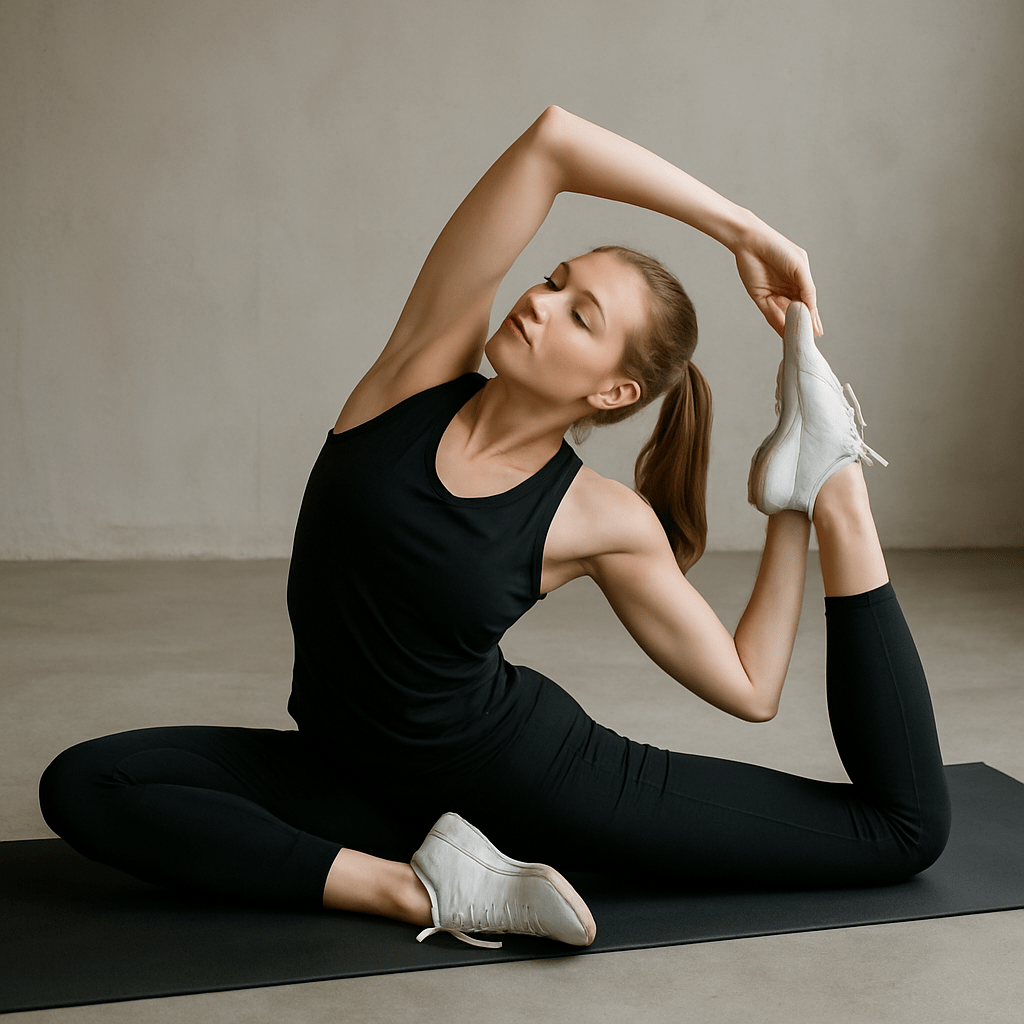
  1. Pigeon Pose (Eka Pada Rajakapotasana)

Instructions:

Pigeon Pose (Eka Pada Rajakapotasana)

From Downward Dog, swing your right knee forward and set it just behind your right wrist.

Stretch your left leg straight out behind you, keeping your hips facing forward and even.

Slowly lower your chest down toward your right shin, using your hands to support your upper body.

Hang out here for 30 seconds to a minute, then switch sides and do the same on the left.

If you need extra support, pop a folded blanket under your hip to keep things comfy and balanced.

Why it rocks: This pose is a deep hip opener that really helps release built-up tension.

Bridge Pose (Setu Bandhasana)

Sprawl out on your mat and get comfy. Bend your knees and plant your feet hip-width apart—close enough that your fingertips can just skim your heels.

Press your feet down firmly and gradually raise your hips, as if you’re gently lifting off the ground.

Keep your thighs parallel and close together, gently activating your glutes to stay balanced and steady

Hold the stretch for anywhere between 30 seconds and a minute, keeping your breath steady and relaxed.

When it feels right, slowly lower your hips back down, gently stacking your spine back onto the mat.

Why it’s awesome: Bridge strengthens your glutes and gives your chest and spine a nice stretch.

Tips for Building Flexibility

Always start with some light movement or dynamic stretches to warm up your muscles before you dive in.

Use props like straps or blankets to support your body.

Breathe deeply — steady breath helps muscles relax.

Avoid pushing beyond your limits; flexibility builds gradually.

The Benefits Go Beyond the Mat

Greater flexibility & mobility enhances your everyday movements, improves posture, and speeds recovery after workouts. When your body moves with ease, life feels better.

Final Thoughts

These yoga poses offer a practical and gentle approach to boosting flexibility and supporting your overall fitness. Consistent practice, patience, and mindful breathing will help you unlock a freer, more agile body.

Start today, and watch how your flexibility transforms your wellness journey.

Categories
athletes exercises home workout men Muscle Gain recovery & wellness strength training training Uncategorized yogis

Full Body Strength Workout with Yogis

For yogis, strength training can be a powerful complement to a regular yoga practice. While yoga develops flexibility, balance, and breath awareness, strength training enhances muscle support, stability, and joint health. When these practices are combined, they build a more functional, injury-resistant, and balanced body.

Why Strength Training Benefits Yogis
Many yogis assume strength training might “bulk them up” or reduce flexibility, but the truth is the opposite. Mindful resistance work helps deepen poses, stabilize transitions, and prevent injury by reinforcing the muscles that support joints. Strength doesn’t interfere with yoga—it enhances it.

Full Body Strength Workout for Yogis
No machines or barbells required. Just your bodyweight, a pair of light-to-medium dumbbells, and optional resistance bands. Here’s a yogi-friendly routine to target all major muscle groups.

  1. Chair Pose to Overhead Press
    Muscles: Quads, glutes, shoulders
    Equipment: Dumbbells (optional)

Instructions:

Plant your feet about hip-width apart and bring the dumbbells up to shoulder level, keeping your elbows bent and close to your body.

Inhale as you sink into Chair Pose (Utkatasana), keeping weight in your heels.

Let the air out as you press the weights overhead, rising up tall with a straight, strong posture.

If you want it more poetic or more direct, just say the word!

Lower weights back to shoulders and repeat.

Reps: 3 sets of 10

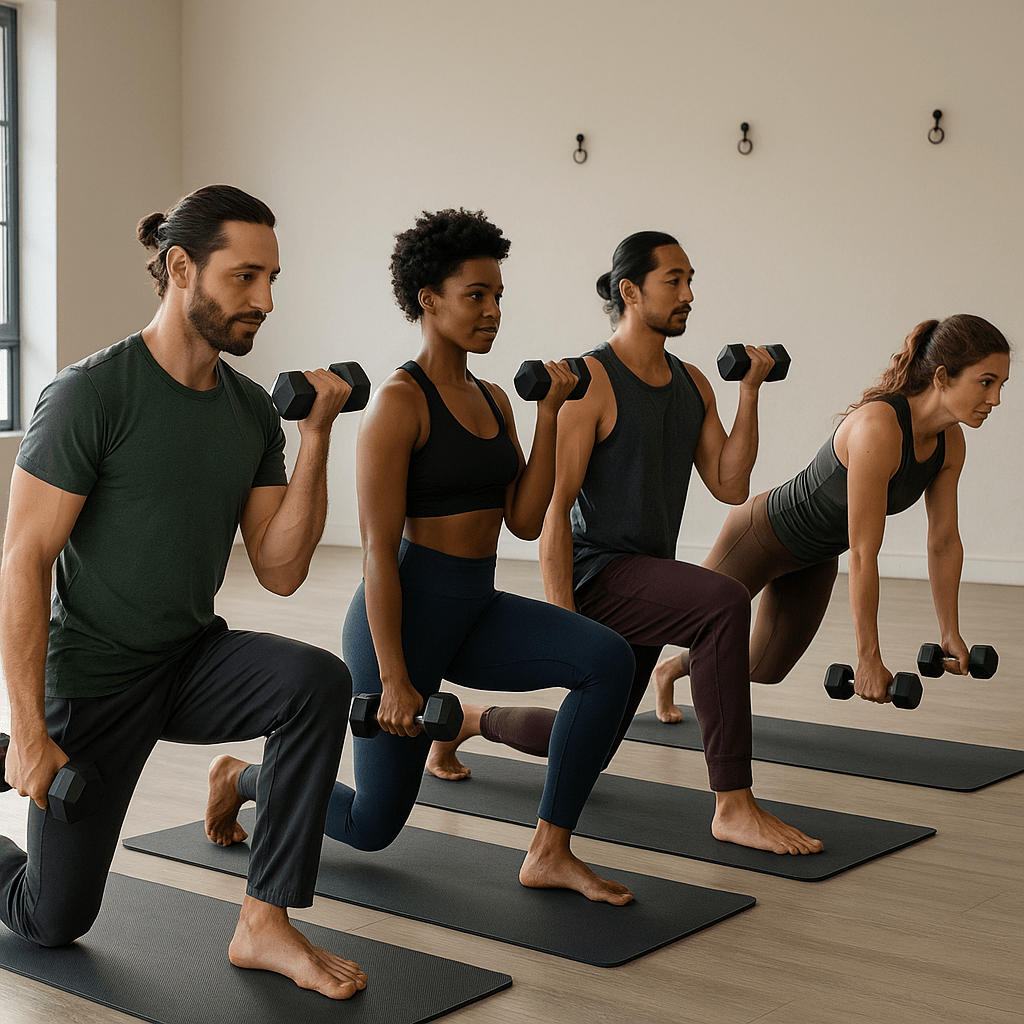
  1. Plank Rows (Renegade Rows)
    Targets: Core, back, arms
    Gear: Dumbbells

Get into a solid high plank position, gripping the dumbbells just beneath your shoulders, and keep your whole body in a straight line from head to heels.

Engage your core and shift weight slightly to the left.

Row the right dumbbell toward your rib cage, elbow close to body.

Lower it with control and repeat on the other side.

Reps: 3 sets of 8 per side

  1. Glute Bridges
    Muscles: Glutes, hamstrings, lower back
    Equipment: Bodyweight or resistance band

Instructions:

Lie on your back with knees bent, feet flat and hip-width apart.

Arms down by your sides, palms facing the mat.

Inhale, then exhale as you press through your heels to lift hips.

Squeeze your glutes at the top, hold for a breath, then lower slowly.

Reps: 3 sets of 15

  1. Crescent Lunge with Bicep Curl
    Muscles: Legs, glutes, biceps, core
    Equipment: Dumbbells

Instructions:

Step the right foot forward into a deep lunge, back heel lifted.

Hold dumbbells at your sides, elbows close.

As you lower into the lunge, bring those weights up with a smooth curl.

Lower weights and switch sides after each set.

Reps: 3 sets of 10 per side

  1. Wall Sit Hold
    Muscles: Quads, glutes, calves
    Equipment: Wall

Instructions:

Position yourself with your back flat against a wall and step your feet forward about two feet, keeping them hip-width apart.

Slide gently down the wall until your thighs are parallel to the floor, like you’re sitting in an invisible chair, with your knees bent around a right angle.

Keep knees over ankles, core tight, and back flat.

Maintain the pose, keeping your hands free and off your legs for support.

Hold: 3 sets of 30 seconds

Tips for Integration into a Yoga Practice
Begin with breath: Approach each movement as a mindful flow, not a task.

Do this 1–2x per week: You don’t need daily lifting to see results.

Use yoga as recovery: Incorporate restorative flows on rest days.

Listen to your body: Just like yoga, strength work requires self-awareness.

Final Thoughts
When yogis begin strength training with intention and body awareness, it becomes an extension of their practice—not a disruption. Strength brings stability into postures, endurance into sequences, and resilience into daily life. Fitness doesn’t have to be a competition; it can be an exploration. With the right balance, your mat becomes both a place of flexibility and power.

Categories
exercises home workout Muscle Gain strength training

Build Muscle with These Home Workouts Compound Exercises

In the hustle of modern life, carving out time for the gym isn’t always realistic—and for many, it’s not even appealing. The upside? You can still build muscle and elevate your fitness without stepping foot in a gym or investing in bulky machines. With smart, compound exercises, effective strength training is completely achievable right in your living room.

Let’s dive into the most effective home workouts for building muscle, and how to do them safely and effectively.

What Are Compound Exercises?
Compound exercises work several muscle groups at the same time, making them far more efficient than isolation movements like bicep curls. Rather than focusing on just one area, these exercises activate multiple parts of your body in a single motion. The result?

Increased muscle activation

Greater calorie burn

Improved functional strength

More efficient workouts

When it comes to working out at home, compound exercises are incredibly effective. They offer the best return on effort—delivering big results without the need for much gear or a lot of time.

Best Compound Moves to Build Strength at Home
These are some of the most effective bodyweight and low-equipment exercises you can begin incorporating into your routine right now:

  1. Push-Ups
    Target Areas: Chest, shoulders, triceps, and core
    Form Pointer: Keep your elbows angled about 45 degrees from your body and engage your core throughout the movement to ensure stability and proper technique.
  2. Squats
    Works: Quads, hamstrings, glutes, and lower back
    Push Your Limits: Incorporate a jump at the top of the movement to elevate intensity and enhance your power output.
  3. Lunges
    Target Muscles: Glutes, quads, hamstrings, and core
    Technique Tip: Step forward with control, making sure your front knee stays in line with your ankle. This helps improve balance, protects your joints, and ensures proper form throughout the movement.
  4. Plank-to-Push-Up
    Targets: Core, chest, shoulders
    Benefit: Improves stability and upper-body strength simultaneously.
  5. Burpees
    Muscle Groups Engaged: Whole body
    Note: These exercises are demanding, but the benefits for building strength and improving conditioning make them absolutely worthwhile.
  6. Pull-Ups or Resistance Band Rows
    Targets: Back, arms, shoulders
    Equipment: Use a doorway pull-up bar or a resistance band looped around a stable surface.

Techniques to Maximize Gains
Progressive Overload: Add reps, sets, or intensity each week.

Form First: Always prioritize proper technique over speed or volume.

Consistent Schedule: Aim for 3–4 strength training sessions per week.

Recovery Matters: Rest, hydrate, and fuel your body properly.

Benefits of Strength Training at Home
Flexibility: Train anytime, without travel or wait times.

Cost-Effective: No gym fees or expensive equipment needed.

Privacy: No pressure, no comparisons—just your goals.

Sustainable: Easier to stick with long term.

Categories
athletes beginners Fitness home workout strength training

Full Body Strength Workout with Beginners

Starting strength training can feel overwhelming if you’re new to fitness, but it’s one of the most effective ways to build muscle, boost metabolism, and improve overall health. Whether your goal is to tone up, gain strength, or simply feel more energized, a full body strength workout designed for beginners is a fantastic place to start.

In this guide, we’ll cover essential tips, simple techniques, and the many benefits of strength training for beginners, helping you kick off your fitness journey with confidence.

Why Strength Training Matters for Beginners
Strength training isn’t just for athletes or bodybuilders — it’s a fundamental part of staying healthy at any age. For beginners, incorporating strength exercises can:

Increase muscle mass and bone density

Enhance metabolic rate, helping with weight management

Improve balance, coordination, and posture

Reduce risk of injury in daily activities

Boost mood and energy levels

Understanding these benefits can help you stay motivated and committed to your routine.

Getting Started: Tips for Beginners

Focus on Form First
Proper technique is crucial to prevent injury and maximize results. Start with light weights or just your body weight and practice movements slowly and deliberately.

Choose Compound Movements
Exercises that work multiple muscle groups at once, like squats, push-ups, and rows, are perfect for beginners. They build overall strength efficiently and create a balanced physique.

Start with 2-3 Sessions Per Week
Allow your muscles time to recover between workouts. Consistency matters more than intensity at the beginning.

Listen to Your Body
Feeling a bit of muscle stiffness is expected, but any sudden or intense pain should never be ignored. Don’t push through discomfort—modify or rest as needed.

Warm-Up and Cool Down
Prepare your muscles with a 5-10 minute warm-up (like light cardio or dynamic stretches), and finish with gentle stretching to aid recovery.

Sample Full Body Strength Workout for Beginners
Here’s a simple routine to get you started — all you need is a pair of dumbbells or resistance bands and some space:

Bodyweight Squats — 3 sets of 12 reps

Push-Ups (Knee or Wall if needed) — 3 sets of 10 reps

Single-arm dumbbell rows — perform 12 repetitions on each side for 3 sets.

Glute Bridges — 3 sets of 15 reps

Plank Hold — 3 rounds of 20-30 seconds

Standing Dumbbell Shoulder Press — 3 sets of 12 reps

Take a 30-60 second break between sets, and remember to keep your core engaged throughout each exercise.

Benefits You’ll Notice Over Time
By sticking with it regularly, you’ll start noticing progress in:

Strength and endurance

Muscle tone and definition

Posture and functional movement

Confidence and overall wellbeing

Building strength is an enduring investment in your body that continues to benefit you over time.

Final Thought: Starting your strength training journey doesn’t need to be intimidating. Welcome the journey with steady focus and perseverance, and you’ll establish a solid groundwork for enduring health and fitness. Ready to get started? Grab some weights, clear a space, and enjoy your full body workout!

Categories
Fitness home workout Meals nutrition

Budget-Friendly Meals for Home Workouts Nutrition

If you’re dedicated to home workouts but don’t want to break the bank on your nutrition plan, you’re not alone. A solid fitness routine doesn’t have to come with a hefty grocery bill. With the right strategies, you can fuel your body efficiently, support muscle recovery, and stay on track with your goals—all without overspending.

Whether you’re into strength training, cardio, or full-body circuits, what you eat is just as important as how you move. Here’s how to make smart, cost-effective choices when it comes to nutrition & meal prep for your home workouts.

Why Nutrition Matters for Home Workouts
When working out at home, it’s easy to overlook the importance of pre- and post-workout nutrition. But whether you’re pushing through a HIIT session in your living room or doing yoga in your backyard, your body needs the right fuel to perform and recover.

Key benefits of good nutrition during home workouts:

Sustains energy levels

Supports muscle growth and repair

Enhances performance and endurance

Aids in recovery and reduces soreness

Budget-Friendly Nutrition Tips

  1. Plan Your Meals Ahead
    Meal prepping is a powerful tool to control costs and avoid food waste. Take a few hours each week to cook in batches, portion your meals, and store them for easy access.
  2. Choose Whole, Affordable Ingredients
    Staples like oats, brown rice, lentils, eggs, and frozen vegetables offer nutritional value without the price tag. Choose ingredients that can easily fit into a variety of dishes throughout the week.
  3. Use Protein Smartly
    Protein is crucial for muscle recovery, but it doesn’t have to be expensive. Canned tuna, Greek yogurt, chickpeas, and peanut butter are all affordable options.
  4. Embrace the Power of Leftovers
    Don’t shy away from repeating meals or reusing ingredients. Yesterday’s baked chicken can be today’s protein-packed salad or wrap.
  5. Hydration Still Counts
    Water is free and underrated. Stay hydrated to support digestion and recovery, especially when you’re working out at home where it’s easy to forget.

Sample Meal Prep Ideas
Before your workout, try a slice of banana topped with peanut butter or enjoy a warm bowl of oats mixed with fresh berries.

Post-Workout: Scrambled eggs with sweet potato and spinach, or a tuna and quinoa salad

For snacks, go with crunchy roasted chickpeas, hard-boiled eggs, or blend up a protein-packed smoothie at home.

Final Thoughts
Smart meal prep and intentional nutrition don’t have to strain your wallet. With a little planning and a focus on nutrient-dense, affordable foods, your home workouts can be just as effective as any gym session—without the cost.

Staying healthy shouldn’t be expensive. With these tips, your meals will work as hard as you do.