Categories
exercises Fitness fitness-tips flexibility flexibility & mobility Gym home workout men mobility Muscle Gain strength training training women

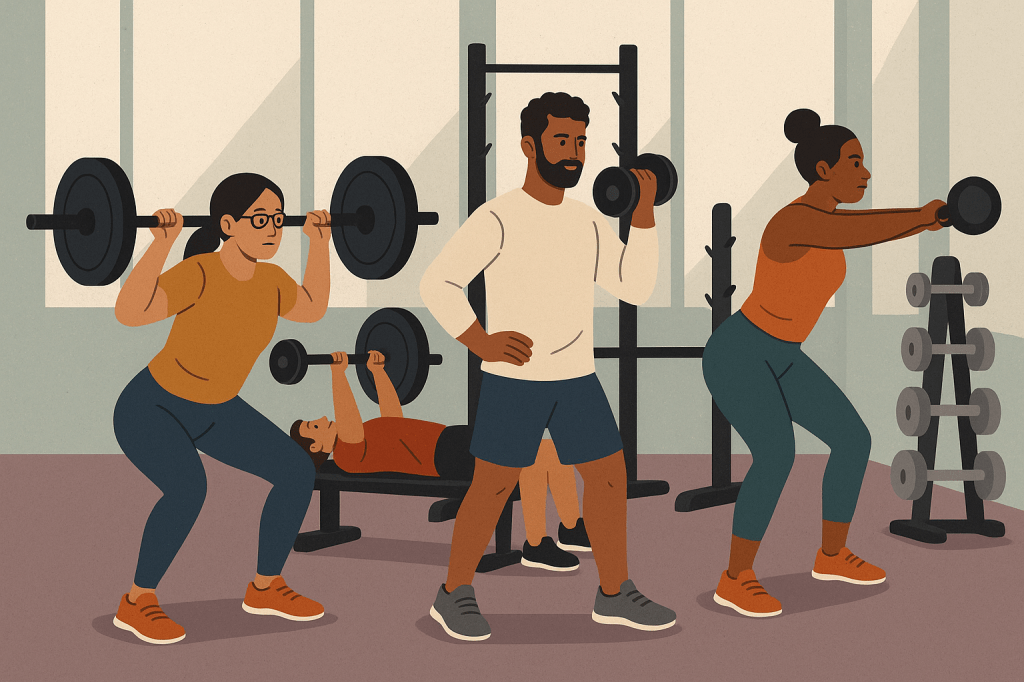
Full Body Strength Workout with Flexibility

Incorporating strength training with flexibility exercises is one of the smartest ways to boost your overall fitness. Not only does this combination build muscle and endurance, but it also enhances mobility and reduces the risk of injury — making it a holistic approach to a healthier, more agile body.

Why Combine Strength Training and Flexibility?

Strength training focuses on building muscle power and endurance, while flexibility improves the range of motion in your joints and muscles. When practiced together, these elements complement each other beautifully:

Improved Performance: Flexible muscles allow you to perform strength exercises more efficiently.

Injury Prevention: Increased flexibility reduces muscle tightness, lowering the chances of strains or tears during workouts.

Improved alignment and stability: Building strength while maintaining joint flexibility supports a more upright posture and better balance during movement.

Faster Recovery: Flexibility helps muscles recover quicker by enhancing blood flow and reducing stiffness.

Full Body Strength Workout with Flexibility: Step-by-Step Instructions

  1. Warm-Up with Dynamic Stretching

Purpose: Get your body ready for movement by boosting circulation and gently loosening up your muscles.

Instructions:

Spend 30 to 60 seconds on each movement, adjusting the duration based on how you feel and your current fitness level.

Examples:

Leg Swings: Stand near a wall for support. Swing one leg forward and backward, keeping it straight. Repeat on the other leg.

Arm Circles: Extend your arms to the sides and make small to medium circles forward, then backward.

Torso Twists: Stand with feet shoulder-width apart, gently twist your torso left and right.

  1. Strength Training Exercises

Purpose: Build muscle strength across major muscle groups.

Instructions:

Complete 3 sets of 8-12 repetitions for each exercise. Rest 30-60 seconds between sets. Focus on form over speed.

Squats:

Stand with feet shoulder-width apart.

Lower your hips back and down as if sitting in a chair.

Keep your chest up and knees behind toes.

Push through your heels to return to standing.

Push-Ups:

Begin in a high plank, placing your hands directly beneath your shoulders.

Keep your core engaged and back flat.

Push back up to the starting position.

Deadlifts:

Deadlift Instructions:

Stand with your feet roughly hip-distance apart, holding dumbbells or a barbell in front of your thighs.

Maintain a neutral spine as you hinge forward at the hips, slowly lowering the weight along your legs with control.

Plank Variation:

Get into a forearm plank, keeping your elbows under your shoulders and your body aligned from head to heels in a straight, firm line.

Aim for 20-45 seconds per hold.

Rows:

Bend forward at the hips with a flat back, holding dumbbells.

Draw the weights up toward your sides, focusing on bringing your shoulder blades in toward each other.

Lower the weights back down with control.

  1. Integrate Flexibility Work

Purpose: Improve muscle elasticity and joint mobility after strength training.

Instructions:

Hold each stretch for 20-30 seconds without bouncing. Breathe deeply and relax into the stretch.

Hamstring Stretch:

Flexibility Stretches: Step-by-Step

Hamstring Stretch:

Sit down with one leg stretched out in front and the other bent, placing the sole of your foot against the inner thigh of the extended leg.

Chest Opener:

Whether standing or kneeling, bring your hands behind your back and interlock your fingers.

Gently straighten your arms and lift your chest to create a stretch across your shoulders and chest.

Hip Flexor Stretch:

Take a kneeling position with one foot forward, forming a 90-degree bend in both legs.

Lean your hips forward gently until you notice a stretch in the hip area of your back leg

Cat-Cow Stretch:

Start on your hands and knees in a tabletop position.

Inhale as you arch your back and tilt your pelvis up (cow), then exhale as you round your spine and tuck your chin (cat).

Continue moving slowly with your breath to increase spinal mobility.

Cool Down and Recovery

Purpose: Gradually lower your heart rate and aid muscle recovery following exercise.

Instructions:

Take 3 to 5 minutes to walk at a relaxed pace or cycle slowly on a stationary bike.

Drink water to stay hydrated.

Use a foam roller or massage ball to relieve any areas of tightness or tension, especially in the legs and back.

Tips for Success

Consistency: Aim to do this workout 2-3 times per week for best results.

Listen to Your Body: Adjust intensity and stretch depth based on how you feel.

Progress Gradually: Increase weights or stretch duration as your strength and flexibility improve.

Nutrition and Hydration: Support your fitness routine with balanced meals and plenty of water.

Benefits You’ll Notice

Enhanced muscle tone and strength

Greater joint mobility and ease of movement

Reduced muscle soreness and stiffness

Increased confidence in physical activity

Integrating strength training with flexibility exercises not only transforms your physique but also sets a foundation for lifelong fitness. Whether you’re a beginner or an experienced athlete, this balanced approach helps you move better, feel stronger, and stay healthier.

Categories
Bands Fitness fitness-tips gear & reviews home workout men mobility workouts

Top 5 Men’s Resistance Bands for Home Workouts

Looking to build strength, improve mobility, or just stay in shape at home? Resistance bands are an underrated powerhouse for men’s fitness. They’re affordable, portable, and surprisingly effective—whether you’re a beginner or serious about your training.

This guide covers the top 5 resistance bands for men, along with usage instructions, tips, and expert techniques to help you get the most from each workout.

Top 5 Resistance Bands for Men

  1. Rogue Monster Bands

Best for: Serious strength training

Why we like them: These are the gold standard for powerlifters and serious lifters. The thick latex offers a ton of resistance and can be used for banded squats, deadlifts, or push-up variations.

How to use:

Anchor under your feet for curls or overhead presses.

Wrap around a pull-up bar for assisted pull-ups.

Use to add tension during barbell lifts.

Pro Tip: Start with the red or black bands before jumping to the thicker ones.

  1. TRX Strength Bands

Best for: Functional, full-body workouts

Why we like them: TRX’s premium bands have great stretch and grip, perfect for multi-plane movements. They’re long enough for upper and lower body exercises without feeling restrictive.

How to use:

Step on the center and hold each end for squats, rows, or presses.

Attach to a door anchor for chest flies or face pulls.

Use in lateral walks or lunges for core and glute engagement.

Pro Tip: Combine bands with TRX’s digital workouts for guided sessions.

  1. Undersun Fitness Bands

Best for: Replacing a full home gym

Why we like them: Designed by fitness pro James Grage, these bands come with a full training program. They’re ideal for guys who want a no-excuses, high-performance home setup.

How to use:

Loop around feet or overhead anchors for full-body push/pull workouts.

Use progressive resistance by shortening the band’s length.

Pair with Undersun’s app for structured workouts.

Pro Tip: The orange and gray bands offer solid resistance for strength-focused routines.

  1. Iron Bull Strength Bands

Best for: Powerlifting support and bodybuilding

Why we like them: These bands are rugged and strong, perfect for accommodating resistance in compound lifts. If you’re looking to boost deadlift lockout or add intensity to squats, these are your go-to.

How to use:

Loop around a barbell for squats, bench, or deadlifts.

Attach to a rack for triceps pushdowns or lat pulldowns.

Anchor for explosive speed training.

Pro Tip: These are best used with racks, platforms, or stable anchors.

  1. Fit Simplify Loop Bands

Best for: Warm-ups, mobility, and recovery

Why we like them: These small-loop bands are ideal for glute activation, shoulder stability, and rehab. Lightweight but effective, they’re great for beginners or as part of your warm-up routine.

How to use:

Loop around legs for side steps or monster walks.

Use for shoulder or hip mobility drills.

Perform high-rep sets for muscle activation before lifting.

Pro Tip: Use the lightest band for joint prep, and double up for more resistance.

How to Train with Resistance Bands

No matter which band you choose, here are basic instructions and tips to get started:

Basic Setup

Choose your resistance: Start light and scale up.

Anchor properly: Use a secure door, rack, or your feet.

Control the movement: Maintain tension throughout the motion.

Full range of motion: Don’t shortchange reps—stretch the band fully.

Beginner Workout Example (Full Body – 20 Minutes)

Do 3 rounds of the following (rest 30–60 seconds between sets):

Band Squats – 12 reps

Resistance Band Rows – 10 reps each side

Push-Up with Band Resistance – 10 reps

Banded Lateral Walks – 12 steps each way

Overhead Press – 12 reps

Tips & Techniques

Warm up first: Use light bands for joint prep.

Breathe properly: Exhale during the effort (e.g., pushing or pulling).

Mix resistance levels: Use lighter bands for mobility, heavier ones for strength.

Track progress: Add reps or resistance weekly.

Anchor safely: Avoid snapping by securing bands properly and checking for wear.

Final Thoughts

Resistance bands are one of the best tools men can use for strength, flexibility, and recovery—all without leaving home. Whether you’re just starting out or building serious muscle, there’s a band (or set) here that can match your goals.

Ready to ditch the excuses? Grab a band, follow the tips above, and take your home workout to the next level.

Categories
athletes cardio cardio & endurance exercises Fitness fitness-tips HIIT home workout men runners running

Top Cardio Exercises for Athlete Lovers

When it comes to performance and long-term athletic success, cardio & endurance training isn’t just helpful — it’s essential. Whether you’re training for a race, a sport, or just love feeling strong and energized, integrating smart cardio exercises can make all the difference.

Here’s a lineup of top cardio workouts, complete with easy-to-follow instructions, so you can build fitness with intention.

  1. High-Intensity Interval Training (HIIT)

A go-to for athletes who want to burn fat, boost endurance, and build speed.

Instructions:

Choose an exercise (e.g., sprinting, cycling, or bodyweight moves like burpees).

Go all out for 30 seconds.

Recover at a slower pace for 60–90 seconds.

Repeat the sequence for 20 to 30 minutes, tailoring the duration to match your fitness ability and endurance.

Start and finish your workout with 5 minutes of light activity to prepare your body and aid recovery.

Expert advice: Keep your bursts brief but powerful — training with intention beats simply doing more.

  1. Long-Distance Running

Ideal for building mental and physical endurance — key for athletes in any discipline.

Instructions:

Start with a warm-up jog for 5–10 minutes.

Run at a steady, moderate pace (where you can still talk) for 30–60 minutes.

Gradually increase your weekly mileage by no more than 10% to avoid injury.

Stretch post-run and stay hydrated.

Tip: Use a running app or watch to track pace and progress.

  1. Swimming

A full-body, joint-friendly cardio option that builds lung capacity and total endurance.

Instructions:

Begin with 2–4 easy laps to warm up.

Switch up your swim strokes—such as freestyle, breaststroke, and backstroke—to keep your workout balanced and engaging.

Swim continuously at a moderate pace for 20 to 40 minutes, taking short breaks of 30 to 60 seconds as needed.

Use equipment like a kickboard or pull buoy to concentrate on specific muscle groups and improve technique.

Tip: Focus on controlled breathing — exhale underwater, inhale quickly during turns.

  1. Rowing (Machine or Water)

Combines strength and cardio in a single, low-impact workout.

Instructions (on a rowing machine):

Start with 5 minutes of light rowing to warm up.

Maintain proper form: drive with your legs, lean back slightly, then pull the handle to your chest.

Try 5 intervals of 500m sprints with 1-minute rest between.

Cool down with 3–5 minutes of easy rowing.

Tip: Set the damper (resistance) between 3–5 for endurance work.

  1. Cycling (Indoor or Outdoor)

Great for leg strength, cardio health, and building steady-state endurance.

Instructions:

Warm up with 5–10 minutes of easy pedaling.

Ride for 30–60 minutes at a moderate pace.

Include intervals: 2 minutes hard pedaling, 3 minutes easy — repeat 5–8 times.

If indoors, use a spin bike and follow a guided session or playlist.

Tip: To make longer rides more comfortable, opt for a seat with extra padding or try wearing cycling shorts with built-in cushioning.

Jump Rope

An energetic, skillful cardio exercise that enhances both your coordination and endurance.

Instructions:

Use a rope that reaches your armpits when stepped on.

Warm up by skipping slowly for 1–2 minutes.

Perform 3–5 sets of 1 minute jumping + 30 seconds rest.

Helpful hint: Maintain a relaxed grip and keep your elbows tucked in to improve control and efficiency.

Final Thoughts

Whether you’re training on the field or simply love moving with purpose, incorporating a mix of these cardio & endurance exercises will build a rock-solid fitness foundation. The key is consistency — doing the work week after week, while listening to your body.

Mix things up, challenge yourself, and most importantly — enjoy the journey. Cardio doesn’t have to be boring or repetitive. It can be powerful, fun, and transformative when done right.

Categories
busy schedules dumbell exercises Fitness fitness-tips Gym home workout strength training

Top Dumbbell Exercises for Busy Schedules

In today’s fast-paced world, carving out time for fitness can feel like a challenge, especially when juggling work, family, and social commitments. However, strength training doesn’t have to be time-consuming or complicated. Dumbbells offer a versatile and efficient way to maintain fitness even with the busiest schedules. This guide explores top dumbbell exercises designed to maximize your workout in minimal time, helping you build strength, boost energy, and stay healthy.

Why Strength Training Matters for Busy Schedules

Strength training is a cornerstone of overall fitness. It improves muscle tone, enhances metabolism, supports bone health, and increases functional strength, all of which contribute to better daily performance and long-term wellness. For those with busy schedules, dumbbells provide an accessible solution that fits anywhere—at home, in the office, or on the go—making it easier to stay consistent without sacrificing precious time.

Benefits of Dumbbell Workouts for Busy People

Time-efficient: Many dumbbell exercises target multiple muscle groups simultaneously, allowing you to work out more in less time.

Flexible: Dumbbells are portable and require minimal space, so you can exercise virtually anywhere.

Adaptable: Suitable for all fitness levels, you can easily adjust the weight to increase or decrease intensity.

Improves balance and coordination: Dumbbells force your body to stabilize itself, which engages more muscles and improves overall fitness.

Top Dumbbell Exercises for a Busy Lifestyle (With Instructions)

  1. Goblet Squat

Instructions:

Grasp a dumbbell with both hands, holding it close to your chest in an upright position.

Position your feet about shoulder-width apart.

Bend your knees and push your hips backward, lowering your body as if you were sitting down onto a chair.

Maintain an upright chest and a straight back throughout the movement.

Descend until your thighs are roughly parallel to the floor or as far as your flexibility allows.

Drive through your heels to rise back up to the starting position.

Reps: 3 sets of 12-15.

  1. Dumbbell Deadlift

Instructions:

Hold a dumbbell in each hand in front of your thighs, palms facing your body.

Stand with feet hip-width apart.

Keeping your back flat, hinge at your hips and lower the dumbbells down your legs.

Lower until you feel a stretch in your hamstrings, usually just below the knees.

Activate your glute and hamstring muscles to lift your body back to an upright position.

Reps: 3 sets of 10-12.

  1. Dumbbell Shoulder Press

Instructions:

Grip a dumbbell in each hand, positioning them at shoulder level with your palms facing forward.

Maintain a straight spine, whether seated or standing.

Push the dumbbells upward until your arms are straight but your elbows remain soft.

Slowly lower the dumbbells back to shoulder height.

Reps: 3 sets of 10-12.

  1. Renegade Rows

Instructions:

Get into a high plank position with a dumbbell in each hand, palms gripping the dumbbells.

Keep your body straight and core tight.

Row one dumbbell up towards your hip, keeping your elbow close to your body.

Bring the dumbbell back down to the starting position, then perform the same movement with the opposite arm.

Avoid rotating your hips during the movement.

Reps: 3 sets of 8-10 per arm.

  1. Dumbbell Russian Twists

Instructions:

Position yourself on the floor with bent knees and lift your feet just above the surface.

Hold a dumbbell with both hands positioned in front of your chest.

Lean back gently, maintaining a straight spine.

Twist your upper body to the right, lowering the dumbbell toward the floor beside your hip.

Reps: Complete 3 sets of 20 twists (10 per side)

Prioritize compound movements: Exercises that engage multiple muscle groups save time and boost calorie burn.

Keep it consistent: Consistency beats intensity when time is limited. Small, regular workouts accumulate to big gains.

Warm-up and cool down: Even quick sessions benefit from proper preparation and recovery to prevent injury.

Final Thoughts

Incorporating dumbbell exercises into your routine is an effective way to balance strength training with a busy lifestyle. By focusing on compound, efficient movements and maintaining consistency, you’ll see improvements in fitness, energy, and overall well-being—no matter how packed your schedule gets. Remember, it’s not about spending hours in the gym but making the most of the time you have.

Categories
Fitness home workout men Muscle Gain strength training women

How to Increase Bench Press in Muscle Gain Weeks

When it comes to muscle gain, there’s one move that remains a favorite in almost every gym: the bench press. But increasing your bench press — especially during dedicated muscle-building phases — requires more than just lifting heavier. It calls for a strategic approach to strength training, recovery, and execution.

Whether you’re chasing your first 225 or trying to smash through a plateau, here’s a guide packed with tips, techniques, and instructions to help you level up your bench press during muscle gain weeks.

  1. Use Progressive Overload – Every Single Week

What to do:

Gradually increase the load or volume of your bench press each week to push your muscles to adapt.

Instructions:

Start with a weight you can lift for 8–10 reps with good form.

Each week, increase the weight by 2.5–5 lbs, or add 1–2 more reps.

Keep your weekly increases small and steady to avoid injury and maximize growth.

Example Plan:

Week 1: 185 lbs × 8 reps

Week 2: 190 lbs × 8 reps

Week 3: 190 lbs × 10 reps

  1. Perfect Your Bench Press Form

Even small adjustments in form can lead to big strength gains and reduce the risk of injury.

Instructions:

Lie flat on the bench, eyes directly under the bar.

Firmly anchor your feet to the floor, positioning them slightly behind your hips to create full-body tension

Retract your shoulder blades and keep a slight arch in your lower back.

Grip the bar just wider than shoulder-width.

Bring the bar down in a controlled motion to the center of your chest, hold for a moment, then drive it upward with power.

Bonus Tip: Record yourself occasionally to check your form — small flaws can go unnoticed.

  1. Increase Weekly Training Volume

In muscle gain phases, higher training volume helps grow the muscle groups involved in pressing.

Instructions:

Incorporate bench press into your routine 2 to 3 times a week, using different variations to target muscle groups from multiple angles.

Day 1 (Strength Focus): 4 sets × 4–6 reps (heavy weight)

Day 2 (Volume Focus): 4–5 sets × 8–12 reps (moderate weight)

Day 3 (Variation): 3 sets × 10–12 reps of incline bench, dumbbells, or paused bench

Rest Between Sets:

Heavy sets: 2–3 minutes

Volume sets: 60–90 seconds

  1. Add Key Accessory Exercises

Accessory lifts build strength in the muscles that support the bench press.

Instructions:

Add 2–3 accessory movements after your main bench work:

Triceps: Skull crushers, triceps dips, rope pushdowns (3 sets × 10–15 reps)

Shoulders: Overhead press, lateral raises (3–4 sets × 8–12 reps)

Back: Barbell rows, face pulls, pull-ups (3–4 sets × 10–12 reps)

Pro tip: Building a stronger upper back enhances your stability and control during the bench press.

  1. Eat to Support Muscle Gain

Nutrition is half the battle.

Instructions:

Aim to consume roughly one gram of protein for every pound you weigh — for example, someone who weighs 180 pounds should target about 180 grams of protein daily

Carbs: Fuel your workouts — rice, oats, potatoes, fruit

Fats: Keep healthy fats in your diet (nuts, olive oil, eggs)

Hydration goal: Drink a minimum of 3 liters of water daily to support muscle function and recovery.

Pro Tip: Have a protein + carb meal within 60 minutes after training.

  1. Prioritize Sleep and Recovery

Muscles grow when you rest — not when you’re lifting.

Instructions:

Sleep 7–9 hours per night

Be sure to schedule at least one complete day off from training each week to allow your body to recover and rebuild.

Consider light stretching or foam rolling on off days to stay mobile

Avoid: Training through joint pain or chronic soreness. It stalls your progress.

  1. Track Progress and Stay Consistent

Instructions:

Use a workout log or app to track weight, reps, and rest times

Make notes on how each session felt

Adjust based on fatigue, not ego — more is not always better

Weekly Check-In Example:

“Bench: 205 × 5 felt strong. Try 210 next week. Triceps feeling tight — stretch post-lift.”

Summary

Improving your bench press during muscle gain weeks comes down to strategy. With consistent strength training, proper nutrition, and a smart training layout, you’ll build more than just numbers — you’ll build real, functional upper-body strength. Follow your routine consistently, stay patient with your progress, and keep your eyes on long-term results

Categories
beginners busy schedules cardio cardio & endurance exercises fat loss Fitness fitness-tips flexibility flexibility & mobility Gym home workout men mobility Muscle Gain strength training stretching training Treadmill

Treadmill Workout for Muscle Gain

When most people think of treadmill workouts, they imagine cardio and endurance sessions focused on weight loss or heart health. But with the right approach, treadmill training can also play a key role in muscle gain. This article explores how to optimize treadmill workouts to build muscle, improve cardio & endurance, and enhance your overall fitness.

Why Cardio & Endurance Matter for Muscle Gain

Building muscle isn’t just about lifting heavy weights — your cardiovascular system plays a vital supporting role. Improved endurance means you can sustain harder, longer workouts, which boosts muscle growth. Plus, better circulation from cardio helps deliver oxygen and nutrients to muscles, aiding recovery and hypertrophy.

Step-by-Step Treadmill Workout Instructions for Muscle Gain

Ready to start? Here’s a practical treadmill routine designed to target muscle building while boosting endurance:

  1. Warm-Up (5-10 minutes)

Start walking at a comfortable pace (2.5–3.5 mph).

Gradually increase the incline to 1-2%.

This helps get your muscles and heart ready for the upcoming exercise.

  1. Incline Walking for Muscle Activation (10 minutes)

Set the treadmill incline between 5-10%.

Walk briskly at 3.5–4.5 mph.

Maintain an upright posture while actively working your glute and hamstring muscles.

This targets lower-body muscles deeply, promoting strength and endurance.

  1. Interval Sprints (15 minutes)

Sprint at 7–9 mph for 30 seconds.

Slow down to a walk or light jog between 2.5 and 3.5 mph for about 90 seconds to catch your breath.

Repeat this cycle 6-8 times.

Sprinting recruits fast-twitch muscle fibers essential for muscle gain.

  1. Weighted Vest or Resistance Bands (Optional, 10 minutes)

If you have a weighted vest, wear it during walking or incline segments.

Alternatively, use resistance bands around your thighs while walking.

This extra resistance challenges muscles further, enhancing growth.

  1. Cool Down (5-10 minutes)

Slow down to a comfortable walk (2–3 mph).

Reduce the incline gradually to zero.

This aids recovery and prevents stiffness.

Additional Tips for Maximizing Muscle Gain

Consistency is key: Perform this workout 2-3 times per week alongside your strength training.

Proper nutrition is essential: provide your body with enough protein and energy to help muscles recover and grow.

Rest and recovery: Allow muscle groups time to recover between intense treadmill sessions.

Listen to your body: Adjust speed and incline based on your fitness level and goals.

Benefits of This Treadmill Approach

Builds leg muscle strength and endurance simultaneously.

Enhances cardiovascular fitness, allowing longer and more intense resistance workouts.

Speeds up recovery with active blood flow.

Boosts metabolism to support lean muscle gain.

Categories
athletes beginners Budget-Friendly busy schedules cardio cardio & endurance exercises Fitness fitness-tips flexibility flexibility & mobility gear & reviews Gym home workout men mobility Muscle Gain recovery & wellness strength training stretching training women workouts yogis

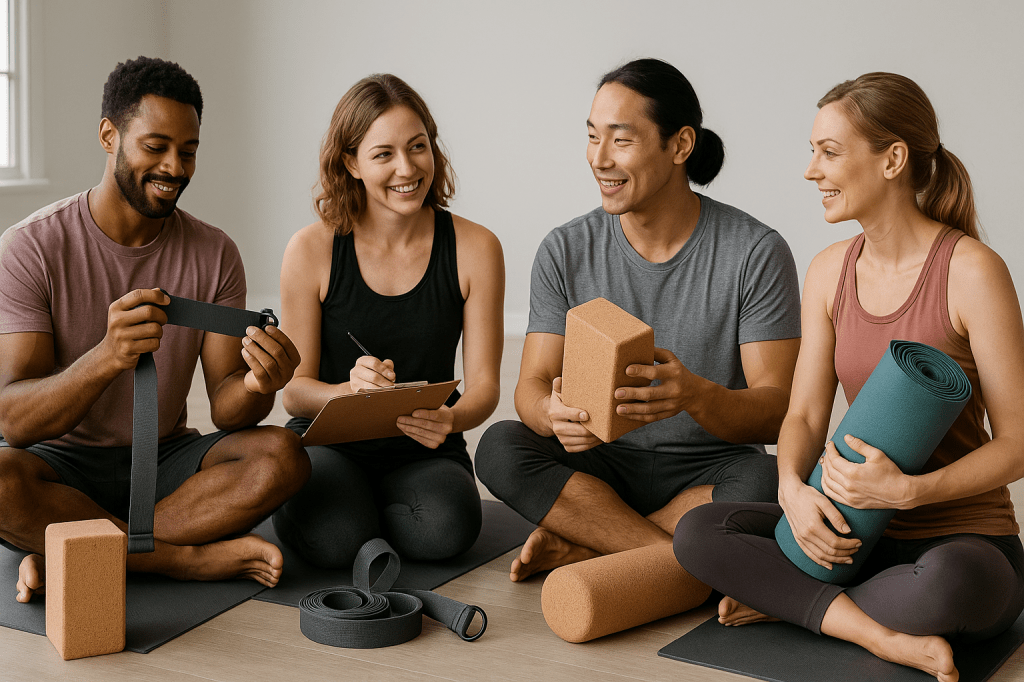
Gym Equipment Must-Haves for Yogis

Yoga is a deeply personal and transformative practice. Whether you’re perfecting your Warrior II or just finding time to breathe, the right tools can make all the difference. This guide highlights gym equipment essentials for yogis—complete with reviews, tips, and step-by-step instructions—to help you build a well-rounded, supportive yoga space.

Why Equipment Matters for Your Yoga Practice

The right yoga gear does more than make your setup look good. It offers comfort, support, and structure, helping you move more freely while reducing the risk of injury. With this list, you’ll be able to practice smarter and safer.

  1. Premium Yoga Mat

Purpose: A yoga mat offers a stable, cushioned surface to support comfort and traction during your sessions.

How to Use:

Roll out the mat on a flat surface.

Ensure the grippy or textured side of the mat is facing upward for better traction during your practice.

Use alignment lines (if available) to position hands and feet in poses like Downward Dog.

Suggested: Manduka PRO Yoga Mat – Known for its dense cushioning, it’s ideal for joint support and designed for long-term use.

  1. Yoga Blocks

Purpose: Yoga blocks are useful tools for enhancing stability, improving flexibility, and supporting proper posture during poses.

How to Use:

For hamstring stretches: Place one block under each hand in a forward fold if your hands don’t touch the floor.

For support: Use under your sacrum in Bridge Pose for a supported version.

For seated poses: Use a block to elevate your hips, which can help alleviate strain on your knees and hips.

Suggested: Gaiam Cork Yoga Blocks — Durable, environmentally friendly, and offering a comfortable, natural texture for grip.

  1. Yoga Strap

Purpose: A yoga strap helps you reach farther and hold stretches longer without putting undue strain on your muscles.

How to Use:

Seated Forward Stretch: Sit with your legs extended straight ahead. Wrap the strap around the bottoms of your feet and carefully pull yourself forward, maintaining a long, straight spine.

Shoulder Stretch: Grasp the strap behind your back with both hands and gradually raise it to gently open and stretch your shoulders.

Reclined Leg Stretch: While lying on your back, loop the strap around one foot and slowly raise your leg toward the ceiling, keeping it straight for an effective hamstring stretch.

Recommended: Jade Yoga Strap — Known for its durability and adjustable metal D-rings.

  1. Foam Roller

Purpose: Foam rollers are excellent for muscle recovery, helping to ease tightness and improve blood flow.

How to Use:

To ease tight quadriceps: Lie face down and position the foam roller beneath your thighs. Gently roll from your hips toward your knees to help loosen the muscles.

For back relief: Sit on the floor with the roller positioned behind you. Carefully lean back and move slowly along your spine to massage and relax the muscles.

Pre- or Post-Yoga: Spend 5 to 10 minutes rolling key muscle groups to enhance flexibility and reduce soreness.

Recommended: TriggerPoint GRID Foam Roller — Features a firm, textured surface designed for deep muscle relief.

  1. Meditation Cushion

Purpose: Meditation cushions support correct posture and increase comfort during longer sitting sessions.

How to Use:

Zafu (round cushion): Sit upright near the front edge of the cushion, crossing your legs comfortably before you.

Benefit: Raising the hips slightly tilts the pelvis forward, helping to maintain a natural and upright spinal alignment.

Suggested: Hugger Mugger Zafu & Zabuton Set — Provides sturdy support and includes a removable, washable cover for convenience.

Tips for Choosing Your Yoga Gear

Test materials: When trying out new gear, make sure to check the return policy, especially if you’re unsure about the feel or firmness.

Consider portability: If you often practice at different locations, opt for equipment that’s lightweight and easy to transport.

Research gear & reviews: Reading what fellow yogis have to say can give you valuable insights into a product’s performance and durability.

Stick with essentials first: Begin with a good mat, one block, and a strap—then build out as your practice deepens.

The Benefits of Having the Right Gear

Injury prevention: Props allow you to ease into poses safely.

Improved alignment: You’ll hold better posture without forcing your body.

Enhanced flexibility: Over time, supportive gear can help deepen your range of motion.

Increased consistency: When practice feels better, you’re more likely to return to the mat.

Final Word

The journey of a yogi is unique, but the tools that support it are often shared. Whether you’re seeking balance, flexibility, or peace of mind, these gym equipment must-haves offer exactly that. With trusted gear & reviews to guide your choices, your yoga practice can become not only more accessible—but more powerful.

Remember, it’s not about having everything. It’s about having the right things. Invest in your wellness, take your time exploring what fits, and enjoy the process. Namaste.

Categories
athletes beginners cardio & endurance cycling exercises fat loss Fitness fitness-tips flexibility flexibility & mobility home workout men mobility Muscle Gain recovery & wellness runners strength training stretching women

Cycling vs. Running: Which Is Better for Athletes?

For athletes serious about fitness and performance, cardio & endurance training is non-negotiable. Two of the most effective—and debated—methods are cycling and running. Each offers unique benefits, but the best choice depends on your body, your sport, and your training goals.

Below, we break down the benefits of each and include step-by-step instructions so you can integrate them into your fitness routine effectively.

Running: High-Impact, High-Return

Why athletes use it: Running is a classic way to build cardio endurance, shed fat, and enhance mental resilience.

How to Use Running for Athletic Training

  1. Start with short, slow runs:

Beginner: 2–3 runs per week, 20–30 minutes each.

Focus on easy pace, where you can still hold a conversation.

  1. Build endurance safely:

Increase your distance by no more than 10% per week to avoid injury.

Add one longer run per week for endurance-building.

  1. Add intervals for performance:

1–2x/week, include short sprints (e.g., 30s fast, 90s recovery x 6 rounds).

This improves speed and cardiovascular capacity.

  1. Recovery is key:

Use foam rolling, stretching, and rest days.

Always listen to your body—shin splints and knee pain are early warning signs.

Cycling: Low-Impact Power Builder

Why athletes use it: Cycling builds serious leg strength and cardio fitness with less impact on joints.

How to Use Cycling for Athletic Training

  1. Choose your setup:

Outdoor bike for long rides and natural terrain challenges.

Stationary or spin bike for convenience and interval workouts.

  1. Begin with base rides:

3x/week, 45–60 minutes at a steady, moderate pace.

Keep RPMs (cadence) between 80–100 for efficiency.

  1. Incorporate interval training:

Example: 5 rounds of 1-minute sprint + 2 minutes easy pedaling.

Builds both speed and endurance while staying joint-friendly.

  1. Add resistance:

Use hills or gear tension to simulate climbing.

Great for strength and sport-specific conditioning (e.g., soccer, skiing).

  1. Don’t skip recovery rides:

Easy 30-minute spin sessions on off-days help promote blood flow and aid muscle repair.

Choosing What’s Best for You

Here’s a quick guide to help you decide:

Goal Go With Why
Max calorie burn Running Higher energy output per minute
Joint health Cycling Less impact on knees/ankles
Build mental toughness Running Pushes through physical discomfort
Cross-train or rehab Cycling Safe for injured or sore athletes
Explosive leg strength Cycling Simulates power output sports like sprinting or skating

Tips for Balancing Both in Your Routine

  1. Mix it up:

Alternate running and cycling days to avoid burnout or injury.

  1. Prioritize based on season:

In off-season? Use cycling to maintain endurance with lower impact.

Pre-season? Focus more on running for sport-specific conditioning.

  1. Track progress:

Use a fitness tracker or app to monitor distance, pace, heart rate, and recovery.

  1. Hydrate and fuel properly:

Endurance workouts demand serious nutrition. Don’t neglect pre- and post-training meals.

Final Thoughts

There’s no universal winner between running and cycling—they’re both powerful tools for building cardio & endurance. The smart athlete knows when and how to use each to complement performance, reduce injury risk, and meet specific fitness goals.

Whether you’re sprinting down a track or grinding up a hill on two wheels, the key is consistency, smart programming, and listening to your body.

Categories
Fitness flexibility & mobility Gym home workout mobility nutrition nutrition & meal recovery & wellness strength training stretching women yogis

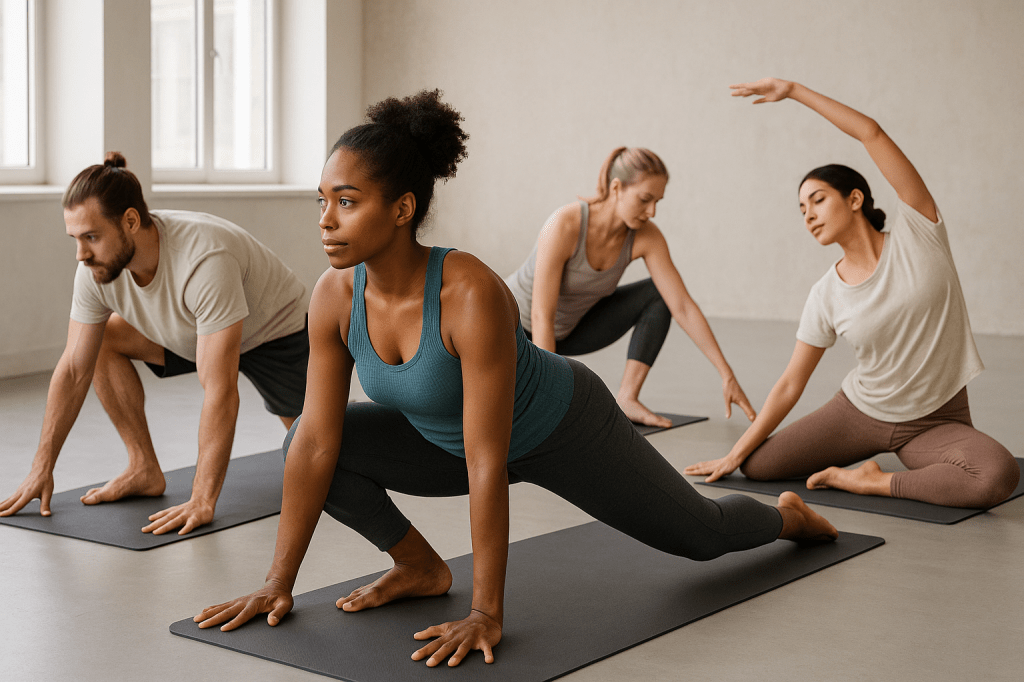
Daily Mobility Routine to Prevent Injuries in Yogis

Whether you’re easing into your first downward dog or moving through advanced asanas, the key to a sustainable yoga practice isn’t just flexibility — it’s mobility. This short, effective daily routine supports joint health, reduces injury risk, and enhances your overall movement quality.

What’s the Difference Between Flexibility & Mobility?

Flexibility is how far a muscle can stretch.

Mobility is how well a joint moves under control through that range.

Yoga already boosts flexibility. But when we train mobility, we strengthen those flexible ranges so they’re more resilient — which is critical for preventing injuries.

Your 10-Minute Daily Mobility Routine for Yogis

No equipment needed. Just your body, your breath, and about 10 minutes of focused, mindful movement.

  1. Controlled Shoulder Circles (CARs)

Purpose: Helps unlock the shoulder joint while improving strength and control throughout your range of motion.

Instructions:

Stand or sit tall.

Extend one arm straight out in front of you.

Slowly move it in a full circle overhead and behind, like you’re tracing the biggest circle possible.

Keep the rest of your body still.

Reverse direction after 5 reps.

Reps: 5 slow circles in each direction per arm.

  1. Cat-Cow with Core Engagement

Why: Mobilizes your spine while training breath and core control.

Instructions:

Start on hands and knees.

Inhale: Arch your back, lifting your tailbone and chest (Cow).

Exhale: Gently curve your spine upward, drawing your chin toward your chest and tucking your pelvis under.

Focus on moving one vertebra at a time.

Time: 1 minute of slow, controlled reps.

  1. 90/90 Hip Switches

Why: Opens hips and strengthens rotational movement.

Instructions:

Sit down with both knees bent — position one leg in front of you and the other out to the side, forming roughly 90-degree angles at each knee.

Keep your chest tall.

Carefully twist your hips to move both legs over to the other side, making sure your hands stay lifted off the floor.

Control the motion — avoid rushing.

Reps: 10 switches total (5 per side).

  1. Lunge with Spinal Twist

Why: Stretches hip flexors and thoracic spine — key for many yoga poses.

Instructions:

Step one foot forward into a deep lunge.

Place opposite hand on the floor.

Lift your opposite arm toward the ceiling as you rotate your torso to face your front leg.

Hold 2–3 breaths, then switch.

Reps: 5 reps per side.

  1. Deep Squat Hold with Arm Reaches

Why: Improves ankle, hip, and thoracic mobility.

Instructions:

Stand with feet hip-width apart.

Sink into a deep squat (heels down if possible).

Extend one arm upward as you gently press the opposite elbow against the inside of your knee for support.

Switch arms slowly.

Time: Hold the squat for 1–2 minutes, alternating arm reaches every 20 seconds.

  1. Downward Dog to Plank Rolls

Why: Engages shoulders, spine, and core control through transitions.

Instructions:

Start in Downward Dog.

Roll your spine forward into Plank position, stacking shoulders over wrists.

Roll back into Downward Dog with control.

Avoid collapsing — move smoothly.

Reps: 10 reps total.

  1. Supine Glute Bridge with Knee Pull

Why: Activates glutes, mobilizes hips, and stretches hamstrings.

Instructions:

Position yourself lying on your back, with your knees bent and feet placed about hip-distance apart.

Lift hips into a bridge, then pull one knee toward your chest.

Hold for 2–3 seconds, return foot to floor, repeat on the other side.

Reps: 10 reps each side.

Helpful Tips for Staying Consistent

Pair it with an existing habit (like brushing teeth or before yoga).

Use a timer so you don’t overthink it — just flow.

Stay present. Each rep is a chance to reconnect with your body.

Benefits for Yogis

Reduces injury risk during dynamic flows or deep stretches

Improves joint strength and body control

Supports smoother transitions between poses

Enhances body awareness on and off the mat

Encourages sustainable, long-term movement

Final Thought

Yoga is about more than being flexible — it’s about moving with intention, grace, and control. This mobility routine strengthens the foundation that supports your practice. Add it to your daily rhythm and feel the difference in how you move, stretch, and flow.

Categories
athletes exercises Fitness fitness-tips flexibility Gym home workout men mobility recovery & wellness strength training stretching training women workouts yoga

Mindfulness Techniques for Flexibility Athletes

Flexibility athletes—whether you’re a yoga enthusiast, dancer, gymnast, or contortionist—know the importance of maintaining and improving range of motion. But flexibility is about more than just stretching; it’s deeply connected to recovery and wellness, and mindfulness plays a pivotal role in this holistic approach to fitness.

Why Mindfulness Matters for Flexibility Athletes

Incorporating mindfulness into your routine isn’t just a trendy wellness buzzword. Mindfulness—being fully present and aware during movement and recovery—helps athletes connect with their bodies on a deeper level. This connection promotes better control, reduces injury risk, and enhances recovery times.

Mindfulness Techniques That Boost Flexibility and Recovery (with Instructions)

  1. Focused Breathing During Stretching

Breathing deeply and mindfully during stretches relaxes muscles and improves flexibility. Here’s how to do it:

Find a comfortable stretch position that you can hold for 20-30 seconds without pain.

When you’re comfortable, softly close your eyes to improve your focus.

Slowly inhale through your nose for a count of four, feeling your stomach lift as you breathe in.

Hold the breath gently for around two seconds.

Then, release the air steadily through your mouth over a count of six, imagining the muscle tension melting away as you exhale.

Repeat this breathing cycle 3–5 times while maintaining the stretch.

  1. Body Scan Meditation Post-Workout

A body scan helps identify and release muscle tension after training. Follow these steps:

Lie down comfortably on your back in a quiet space.

Close your eyes and take three deep breaths, relaxing your body with each exhale.

Slowly bring your attention to your toes. Notice any sensations—warmth, tightness, or ease.

Gradually move your focus upward to your feet, ankles, calves, knees, thighs, hips, abdomen, chest, back, shoulders, arms, neck, and finally your head.

As you notice tension, imagine breathing into that area and releasing the tightness on each exhale.

Spend 5–10 minutes completing the scan.

  1. Mindful Movement Practices

Deliberate, gentle movements help improve both your body’s awareness and its ability to stretch. Try this simple routine:

Choose 5–10 minutes for a gentle flow, such as a slow yoga sequence or tai chi basics.

Move deliberately from one posture to another, paying attention to how each joint feels.

Breathe naturally and keep your focus on the sensation of movement.

If your mind wanders, gently bring it back to your body.

Take your time, letting your breathing and movements flow together naturally.

  1. Visualization Techniques

Mental imagery supports physical flexibility by calming the mind and motivating your practice. Here’s how to practice:

Sit or lie down in a relaxed position. Close your eyes.

Take a few deep breaths to center yourself.

Picture your muscles lengthening and becoming supple as you stretch. Visualize your joints moving freely without resistance or pain.

Imagine warmth and healing energy flowing into any tight or sore areas.

Spend 3–5 minutes in this visualization before or after your workout.

The Benefits of Combining Mindfulness with Flexibility Training

Enhanced Recovery & Wellness: Mindfulness promotes relaxation and reduces stress hormones, which accelerates muscle repair and decreases soreness.

Improved Flexibility & Performance: Being mindful during stretches encourages you to listen to your body’s limits, avoiding overstretching while gradually expanding your range.

Better Mental Clarity & Focus: Mindfulness helps reduce distractions, allowing you to fully engage with your fitness routine and maintain consistency.

Injury Prevention: Awareness of body sensations helps detect early signs of strain or fatigue, leading to smarter training decisions.

Getting Started: Practical Tips

Spend 5 to 10 minutes daily focusing on mindful breathing or performing a body scan.

Explore mindfulness apps designed specifically for athletes or flexibility exercises to guide your practice.

Make mindfulness a regular part of both your warm-up and cool-down sessions.

Keep a journal to track how mindfulness impacts your flexibility progress and recovery.

By weaving mindfulness into your flexibility routine, you’re investing in your body’s long-term health and performance. With these easy-to-follow instructions, recovery and wellness become a natural and enjoyable part of your fitness journey.