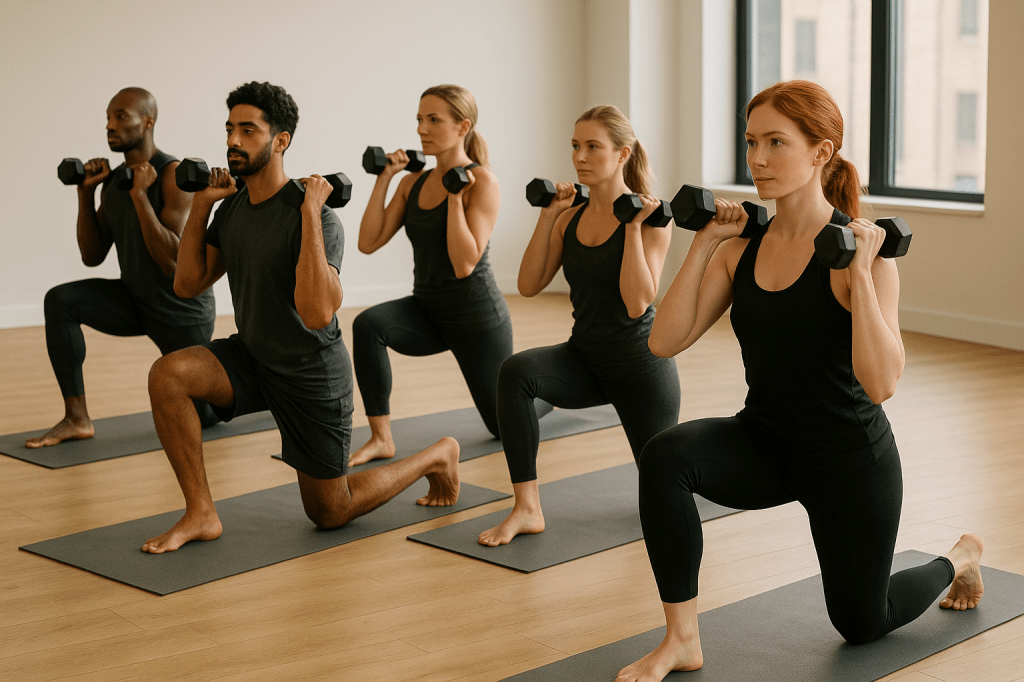
Yoga develops functional strength, flexibility, and mindfulness—but it often lacks targeted resistance work for upper body pushing strength. That’s where the bench press comes in. Adding it to your weekly practice can help build shoulder and chest strength, balance your muscular system, and support advanced yoga postures like arm balances, chaturanga, and handstands.
This guide is for yogis who want to increase their bench press in just a few weeks—without sacrificing mobility or their commitment to mindful movement.
Benefits of Bench Press for Yogis
Before we dive into the plan, here are a few reasons to start bench pressing:
Improves upper body strength for transitions and holds
Builds muscular endurance and postural control
Balances out push-pull muscle groups (important for injury prevention)
Supports stronger and more stable shoulder joints
What You Need to Begin
Equipment:
Barbell or dumbbells
Weight bench
Access to a squat rack or power rack (optional, but safer)
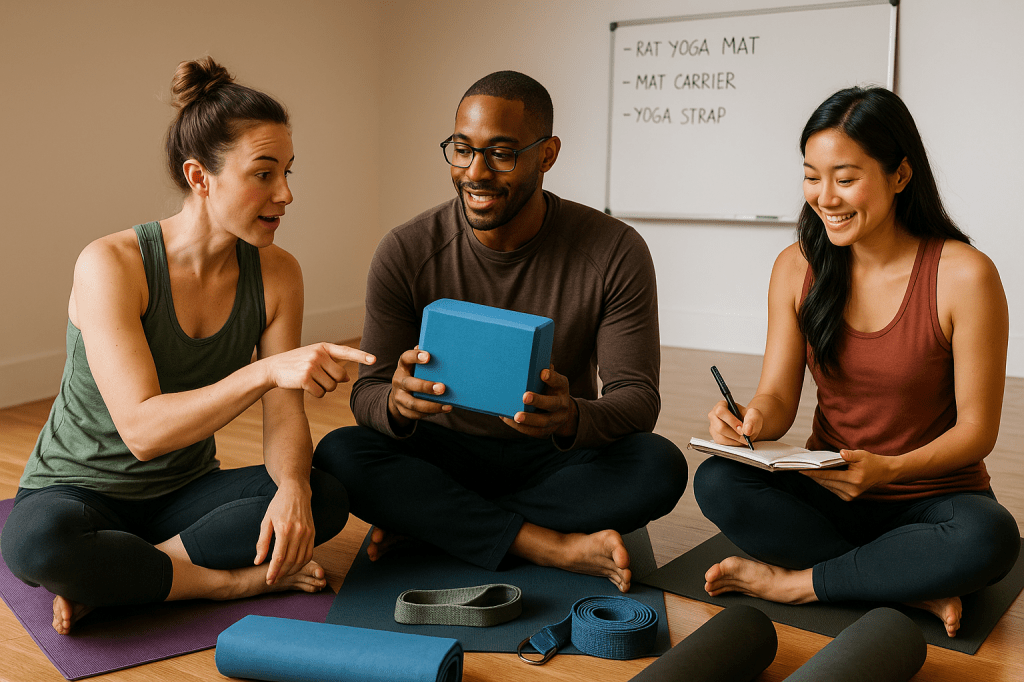
Yoga mat and mobility tools (foam roller, resistance band)
Baseline Assessment:
If you’re new to bench pressing, test your 5-rep max (a weight you can lift 5 times with good form). This will guide your starting load.
How to Bench Press – Step-by-Step Instructions
Position yourself on the bench . Your eyes should be directly under the bar.
Grip the bar slightly wider than shoulder-width. Wrists should be stacked over elbows.
Draw your shoulder blades together and create a gentle arch in your upper back while keeping your glutes and shoulders firmly in contact with the bench.
Unrack the bar and hold it over your chest with straight arms.
Breathe in as you slowly lower the bar toward the middle of your chest, keeping your elbows angled slightly away from your sides—around 45 degrees.
Exhale and press the bar upward, driving through your feet and engaging your core.
Form Tips:
Keep your head, shoulders, and glutes in contact with the bench.
Avoid flaring elbows too wide.
Use a spotter if lifting heavy.
4-Week Bench Press Plan for Yogis
Use this weekly layout to increase strength without sacrificing your yoga schedule.
Week 1–2: Build the Foundation
Goal: Improve neuromuscular control and form.
Frequency: 2x/week
Sets/Reps: 3 sets of 8–10 reps
Load: 60–70% of 1-rep max (1RM)
Rest: 60–90 seconds between sets
Yoga Integration:
Focus on mobility and core-focused classes.
Include shoulder openers like Puppy Pose, Eagle Arms, and Thread the Needle.
Week 3: Increase Volume
Goal: Begin challenging the muscles with more workload.
Frequency: 2–3x/week
Sets/Reps: 4 sets of 6–8 reps
Load: 70–75% of 1RM
Accessory Work: Add 2–3 sets of dumbbell chest flys, incline bench, and tricep dips
Rest: 90–120 seconds between sets
Yoga Integration:
Include 1–2 slower-paced flows with shoulder stability drills.
Use Child’s Pose and Downward Dog as recovery.
Week 4: Focus on Strength
Goal: Maximize force production and build pure strength.
Frequency: 2x/week
Sets/Reps: 5 sets of 4–6 reps
Load: 75–85% of 1RM
Rest: 2 minutes between sets
Include: Close-grip bench press or push-ups as finishers
Yoga Integration:
Additional Tips for Success
Warm-Up Before Each Session
5–10 mins of light cardio
Dynamic stretches (arm swings, shoulder circles)
1–2 warm-up sets with light weights
Track Your Progress
Use a workout journal or app to record weights, reps, and how you felt.
Fuel Your Body
Get 20–30g of protein post-lift to support muscle repair.
Stay hydrated and eat whole, balanced meals.
Recover Intentionally
Be sure to schedule at least one full day off each week to allow your body to fully recover.
Use foam rolling, restorative yoga, and long savasana sessions.
Final Thoughts: Merging Strength and Stillness
You don’t need to choose between yoga and weightlifting—especially when done mindfully. Incorporating gradual strength training exercises such as the bench press can enhance the effectiveness, safety, and longevity of your yoga practice.
By following this 4-week program, you’ll likely notice more ease in your flows, better posture, and a deeper connection between power and presence.
Now it’s time to unroll your mat, rack the bar, and embrace both sides of the practice.






 Fitness Guide