Categories
exercises fat loss Fitness fitness-tips recovery & wellness strength training Trackers training

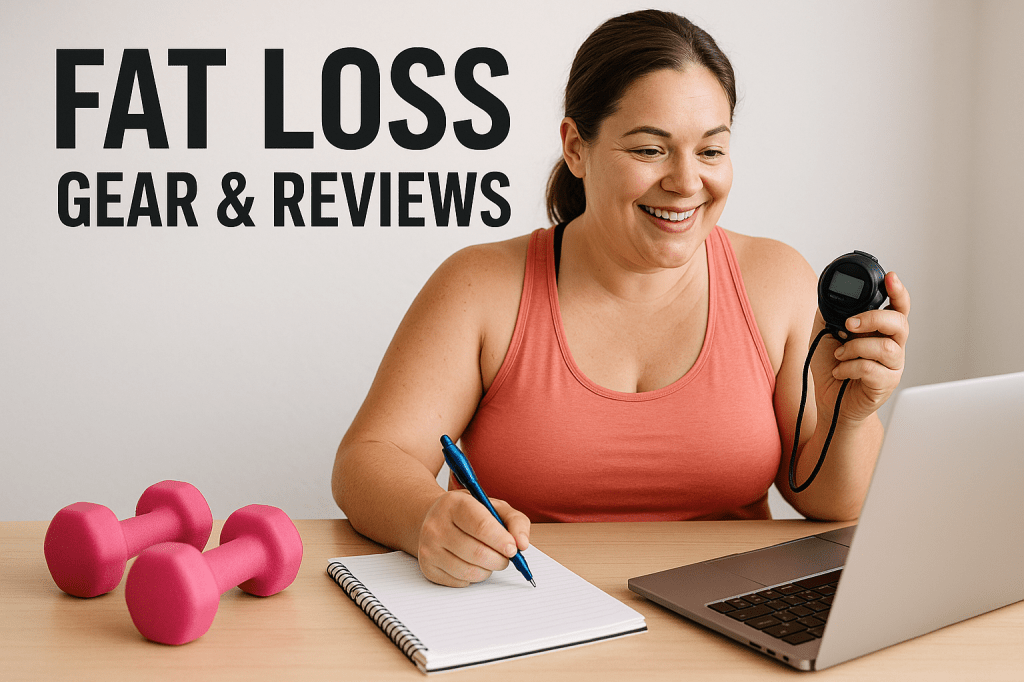
Fat Loss Fitness Trackers Compared

Fat loss is more than just “move more, eat less” — it’s about knowing what works for your body. The right fitness tracker gives you real-time data to guide your training, nutrition, and recovery. Whether you’re walking off weight or doing high-intensity training, choosing the right gear can help you burn fat smarter, not harder.

In this guide, we compare top fitness trackers and show you exactly how to use them to support your fat loss goals.

What to Look for in a Tracker for Fat Loss

Before buying a tracker, make sure it has these fat-loss-friendly features:

Heart Rate Monitoring: For training in optimal fat-burning zones.

Activity Tracking: Steps, distance, and active minutes.

Calorie Burn Estimates: To adjust food intake and stay in a deficit.

Sleep Tracking: Better rest improves metabolism.

App Integration: For syncing workouts and nutrition logs.

Top Fitness Trackers & How to Use Them for Fat Loss

  1. Fitbit Charge 6

Best for Balanced Lifestyle Tracking

The Charge 6 offers everything you need to stay consistent — heart rate tracking, step goals, and integration with food logging apps like MyFitnessPal.

How to Use for Fat Loss:

Set a Daily Step Goal: Start with 8,000–10,000 steps per day.

Track Active Zone Minutes: Aim for 150 minutes/week in fat burn or cardio zones.

Use the Sleep Score: Aim for 7+ hours of sleep to support recovery and hunger regulation.

Pros: Reliable, intuitive app, built-in exercises.

Cons: No GPS, screen may be small for some users.

  1. Garmin Vivosmart 5

Best for Fitness-Focused Users

Garmin is ideal for those who want deeper training insights. It tracks intensity, recovery, and stress — all key for long-term fat loss.

How to Use for Fat Loss:

Check your energy levels with the Body Battery feature and schedule workouts when you’re most charged up.

Review Sleep & Stress Trends: Chronic stress increases fat storage — use breathing exercises in the app.

Pros: Detailed data, sleek design, 7-day battery.

Cons: Less intuitive than Fitbit for beginners.

  1. Apple Watch Series 9

Best for Apple Ecosystem Users

The Apple Watch blends wellness tools, daily functionality, and intelligent features in a clean, modern design. It’s ideal if you already use iPhone, Health app, or Apple Fitness+.

How to Use for Fat Loss:

Close Your Rings: Aim to hit Move, Exercise, and Stand goals daily.

Add Fitness+ Workouts: Choose HIIT, strength, or cardio for fat loss.

Monitor Heart Rate Trends: Use resting heart rate to track progress.

Log Weight & Nutrition: Sync with apps like LoseIt! or Cronometer.

Pros: Customizable, great third-party apps, accurate sensors.

Cons: Battery life (1–2 days), more expensive.

  1. WHOOP Strap 4.0

Best for Recovery-Based Fat Loss

WHOOP is screen-free and subscription-based, designed for serious performance and recovery tracking. It’s best for those who want a deeper look at their body’s response to training.

How to Use for Fat Loss:

Follow Strain vs. Recovery Guidance: Avoid overtraining, which leads to plateaus.

Use Sleep Coaching: Optimize recovery to maintain consistent fat burning.

Watch HRV (Heart Rate Variability): Higher HRV = better readiness to train.

Stay Consistent: Wear it 24/7 for best accuracy.

Pros: No distractions, excellent recovery tracking.

Cons: No screen, monthly subscription.

General Instructions for Using Fitness Trackers to Burn Fat

Regardless of which device you choose, follow these daily steps:

Wear Your Tracker All Day (and Night):

Data is only useful if it’s consistent — don’t take it off unless charging.

Set Realistic Daily Goals:

Gradually raise your step count, active minutes, and calorie goals to avoid fatigue and stay consistent.

Use Heart Rate Zones for Exercise:

For fat loss, train in the 60–75% of your max heart rate zone during cardio.

Track Your Food Intake (Even Just Roughly):

Pair your tracker with a food log app. A calorie deficit of 300–500/day is ideal for sustainable fat loss.

Review Weekly Trends, Not Just Daily Fluctuations:

Progress isn’t linear. Pay attention to long-term patterns in your weight, sleep quality, heart rate variability, and calorie expenditure.

Prioritize Sleep & Recovery:

Track your sleep and make recovery part of your fat loss plan — under-recovered bodies don’t burn fat efficiently.

Final Thoughts

Fitness trackers can be game-changers when it comes to fat loss — but only if you use the data. Whether you’re training hard, walking more, or just becoming more aware of your daily habits, these tools help you stay accountable.

So pick the tracker that fits your goals and lifestyle, follow the instructions consistently, and remember: it’s not about perfection — it’s about momentum.

Categories
exercises Fitness fitness-tips flexibility flexibility & mobility Gym home workout men recovery & wellness strength training stretching women yogis

Pre-Workout Stretching Plan for Yogis: Enhancing Flexibility & Mobility

For yogis, preparing the body before any intense workout or practice session is essential—not only to prevent injury but to maximize flexibility and mobility. Stretching is often seen as a simple warm-up step, but when done mindfully and with intention, it becomes a powerful tool to enhance your fitness journey and deepen your practice.

In this article, we’ll explore a practical pre-workout stretching plan tailored specifically for yogis. Whether you’re preparing for a vigorous yoga flow, strength training, or cardio session, these targeted stretches will set the stage for optimal performance and wellness.

Why Focus on Flexibility & Mobility?

Flexibility refers to the ability of your muscles to lengthen, while mobility is about the range of motion in your joints. Together, they form the foundation of functional movement and injury prevention. For yogis, maintaining both is crucial—not just to perform asanas with grace but to safeguard the body during dynamic workouts.

When you prioritize flexibility and mobility in your pre-workout routine, you increase blood flow, reduce muscle stiffness, and enhance joint lubrication.

The Pre-Workout Stretching Plan for Yogis

  1. Dynamic Cat-Cow Flow (Spinal Mobility)

Instructions:

Start on all fours, placing your hands directly below your shoulders and your knees beneath your hips.

Take a deep breath in as you gently curve your spine downward, dropping your abdomen toward the mat, lifting your chest, and raising your hips.

Exhale as you round your back toward the ceiling, tuck your chin in, and engage your abdominal muscles lightly (Cat Pose).

Repeat this motion with your breath for 8–10 cycles, allowing each movement to feel smooth and intentional.

Benefits: Helps loosen the spine, enhances range of motion, and encourages smooth, controlled movement.

  1. Standing Side Stretch (Lateral Flexibility)

Instructions:

Position yourself upright, feet spaced roughly at shoulder distance, with your arms resting comfortably alongside your body.

Inhale and raise your right arm overhead, keeping your shoulders relaxed.

Exhale as you lean gently to the left, feeling a stretch along your right side body. Keep your hips squared forward.

Hold this stretch for 15–20 seconds, then return to standing.

Repeat on the opposite side.

Benefits: Opens up the side body, improves lateral flexibility and breathing capacity.

  1. Low Lunge with Twist (Hip Mobility & Spinal Rotation)

Instructions:

Step your right foot forward between your hands, lowering your left knee to the mat into a low lunge position.

Look up toward your extended hand and maintain the twist for about 20 seconds.

Return your hand to the mat and switch sides.

Benefits: Loosens tight hips, stretches hip flexors, and improves spinal mobility.

  1. Downward Dog Pedal (Calf & Hamstring Flexibility)

Instructions:

From a Downward Dog position (hands and feet on the mat, hips lifted high), begin to pedal your feet.

Lower your right heel toward the floor, bending your left knee slightly.

Next, alternate by pressing your left heel down as you bend your right knee.

  1. Wrist Circles and Finger Stretch (Joint Mobility)

Instructions:

Stretch your arms forward, keeping your palms directed downward.

Rotate your wrists slowly clockwise 10 times, then counterclockwise 10 times.

Next, spread your fingers wide apart and hold for 10 seconds.

Relax and repeat the finger stretch 2–3 times.

Benefits: Prepares wrists and fingers for weight-bearing postures, reduces stiffness, and increases joint mobility.

Benefits of a Pre-Workout Stretching Routine for Yogis

Injury Prevention: Warming up your muscles gradually helps lower the chances of pulls, strains, or other workout-related injuries.

Improved Performance: Enhanced joint mobility enables deeper, more precise movements.

Greater Mind-Body Connection: Focused stretching increases body awareness and mental readiness.

Enhanced Recovery: Prepping muscles reduces soreness after intense sessions.

Final Thoughts

Building a consistent pre-workout stretching habit is one of the most effective ways to honor your body and boost your fitness. For yogis especially, flexibility and mobility are more than physical attributes—they’re gateways to a richer, more mindful practice. Integrate these stretches into your routine and feel the difference in your next session.

Categories
exercises Fitness fitness-tips Gym home workout men strength training training

How to Increase Bench Press in Men Weeks

Want to increase your bench press in a matter of weeks? Whether you’re lifting for size, strength, or just to feel stronger and more confident, there’s a method behind fast and sustainable gains. This guide is tailored specifically for men who want to level up their bench press with smart strength training — not just brute force.

  1. Nail Your Bench Press Form (Week 1 Focus)

Why it matters:

Proper technique reduces the risk of injury and allows you to lift more effectively by engaging the correct muscle groups.

Instructions:

Foot position: Plant your feet firmly on the floor, slightly behind your knees.

Back arch: Keep a natural arch in your lower back. Keep both your shoulder blades and glutes firmly pressed against the bench throughout the lift.

Grip: Use a medium grip (just wider than shoulder width).

Bar path: Lower the bar slowly to your mid-chest, then press it up in a slight arc toward your eyes.

Breathing: Inhale before lowering, brace your core, and exhale as you press.

Practice this setup every session during Week 1 before increasing any weight.

  1. Follow a Weekly Progression Plan (Weeks 1–4)

Why it matters:

Your body adapts to stress. Progressively increasing volume or intensity helps build strength safely.

Instructions:

Use this 4-week progression for building bench strength:

Week Sets x Reps Intensity

1 4 x 8 70% of 1RM

2 4 x 6 75%

3 5 x 5 80%

4 3 x 3 or Test Max 85–90% or new 1RM

Use 90 seconds rest between sets.

Track weights and reps in a notebook or app.

Begin with a few lighter sets to prepare your muscles before moving on to your main working sets.

Stick to this plan as your main bench day routine.

  1. Add Targeted Assistance Exercises (2x per week)

Why it matters:

The bench press isn’t just chest — your triceps, shoulders, and upper back all play a role.

Instructions:

After your main bench sets, perform 2–3 of the following:

Incline Dumbbell Press – 3 sets of 10

Close-Grip Bench Press – 3 sets of 6–8

Paused Bench Press (hold at bottom for 2 seconds) – 3 sets of 5

Dips or Push-ups – 3 sets to fatigue

Barbell Rows or Pull-Ups – 4 sets of 8 (for balance)

Do these on upper body days or right after your main lift.

  1. Prioritize Recovery and Nutrition (Ongoing)

Why it matters:

No amount of training will help if your body isn’t recovering properly.

Instructions:

Sleep: Aim for 7–9 hours every night.

Protein: Eat 1g per pound of bodyweight daily (spread over 4–5 meals).

Stay hydrated by aiming to consume around 3 liters of water daily

Mobility: Stretch shoulders, chest, and thoracic spine 3x/week.

Rest Days: Take at least 1–2 full rest days per week or use active recovery (e.g., walking, light cardio).

Recovery is training. Treat it like part of the program.

  1. Track Everything (Weekly)

Why it matters:

Progress requires feedback. Tracking keeps you honest and motivated.

Instructions:

Log your lifts (weight, reps, sets) after each session.

Film yourself from the side once a week to evaluate and improve your lifting form.

Adjust loads if you’re missing reps or hitting them too easily.

Set mini-goals, like hitting 5 reps at a weight you previously failed.

Reviewing your progress regularly can keep you on track and reveal trends in your performance

Final Thoughts

Building a stronger bench press as a man isn’t about ego — it’s about structure, recovery, and discipline. By refining your technique, following a proven progression, and respecting your body’s need to rest, you can increase your bench press in just a few weeks — and build the confidence that comes with real strength.

Keep showing up. Keep lifting smart. The results will follow.

Categories
cardio cardio & endurance cycling exercises Fitness fitness-tips home workout men recovery & wellness running workouts

Cycling vs. Running: Which Is Better for Men?

When it comes to building cardio & endurance, few workouts compete with running and cycling. They’re both highly effective, scalable, and accessible for men at any fitness level. But how do you know which one suits your goals, body type, and schedule best?

This guide breaks down the benefits, differences, and real-world instructions to help you make the best decision for your training routine.

  1. Cardiovascular & Endurance Benefits

Both activities will boost heart health, stamina, and aerobic capacity—but they work your body differently.

Running

Benefit: Builds cardiovascular strength quickly

Best for: High-intensity workouts, fat loss, time-efficient routines

Instruction:

Start with a 20-minute jog at conversational pace, 3x/week.

Add one session of intervals (e.g., 30 sec sprint, 90 sec walk, repeat 6–8x).

Warm up and cool down with 5–10 minutes of walking.

Cycling

Benefit: Strengthens heart and lungs without joint stress

Best for: Long sessions, injury prevention, steady-state endurance

Instruction:

Start with 30-minute bike sessions at a comfortable, consistent pace, aiming for a smooth pedaling rhythm of around 80 to 90 revolutions per minute.

Gradually increase time/distance weekly by 10–15%.

Include one hill or resistance ride weekly to build leg power.

  1. Muscle Activation and Joint Impact

Running

Involves high-impact movement and activates key lower-body muscles like the calves, hamstrings, and glutes, while also requiring core stability.

Caution: May cause joint wear, especially in knees and hips.

Instruction:

Invest in high-quality running shoes with arch and heel support.

Stick to softer surfaces (dirt trails, tracks) 2–3 days/week.

Incorporate strength training (e.g., lunges, squats) twice a week to reduce injury risk.

Cycling

Low-impact; activates quads, glutes, and calves.

Ideal for recovery days or post-injury training.

Instruction:

Adjust seat height: When pedaling, your leg should be almost fully extended at the bottom.

Use clip-in pedals for efficiency once you’re comfortable.

Add core work (planks, bridges) to balance muscle engagement.

  1. Calorie Burn and Fat Loss

Running

Burns more calories per minute.

Best for quick fat reduction.

Instruction:

Combine steady-state runs (20–30 min) with intervals 1–2x/week.

Monitor effort using heart rate or RPE (Rate of Perceived Exertion: aim for 7–8 during intervals).

Keep rest days to recover and avoid burnout.

Cycling

Lower calorie burn per minute, but can ride longer and more often.

Instruction:

Aim for 45–60 min moderate rides or 30 min intense sessions.

Use apps like Strava or Zwift to track output (watts, distance, elevation).

Try fasted morning rides (if approved by a physician) for fat burning.

  1. Convenience and Lifestyle Fit

Running

Minimal gear and planning. Great for travel or urban life.

Instruction:

Keep a backup pair of running shoes in your car or office.

Use running apps with GPS tracking to find new routes wherever you are.

Don’t run on consecutive days at first — allow recovery time.

Cycling
More planning involved (gear, route, safety) but can be more enjoyable for longer durations.

Instruction:

Start with a hybrid or road bike — get a professional fit if possible.

Make sure to wear a helmet at all times, and equip your bike with lights or reflective accessories when riding in dim or dark conditions.

Join a local group ride once a week to stay motivated.

  1. Sample Weekly Routine (Beginner to Intermediate)

Day Workout

Monday Rest or 20-min light recovery ride

Tuesday 30-min run (moderate pace)

Wednesday 45-min cycle (steady pace)

Thursday Strength training + core

Friday 20-min interval run

Saturday 60-min cycle (with hills)

Sunday Active recovery walk/stretch

Final Thoughts: Which Is Better?

There’s no universal winner. Both cycling and running help men build cardio & endurance, stay lean, and improve mental focus. The right choice is the one you’ll stick with, enjoy, and benefit from long term.

TL;DR:

Choose Running if you want quick workouts, fat loss, and don’t mind impact.

Many men find the perfect mix by alternating both: running for intensity, cycling for recovery and endurance.

Pro Tips for Men Getting Started

Stretch after every session to improve recovery

Hydrate before, during, and after workouts

Fuel smart: Eat carbs 1–2 hours pre-workout; protein post

Aim for 7 to 8 hours of quality sleep each night to support recovery and maintain healthy hormone levels.

Stay consistent — results build with time, not perfection

Categories
exercises Fitness fitness-tips home workout men nutrition nutrition & meal women workouts

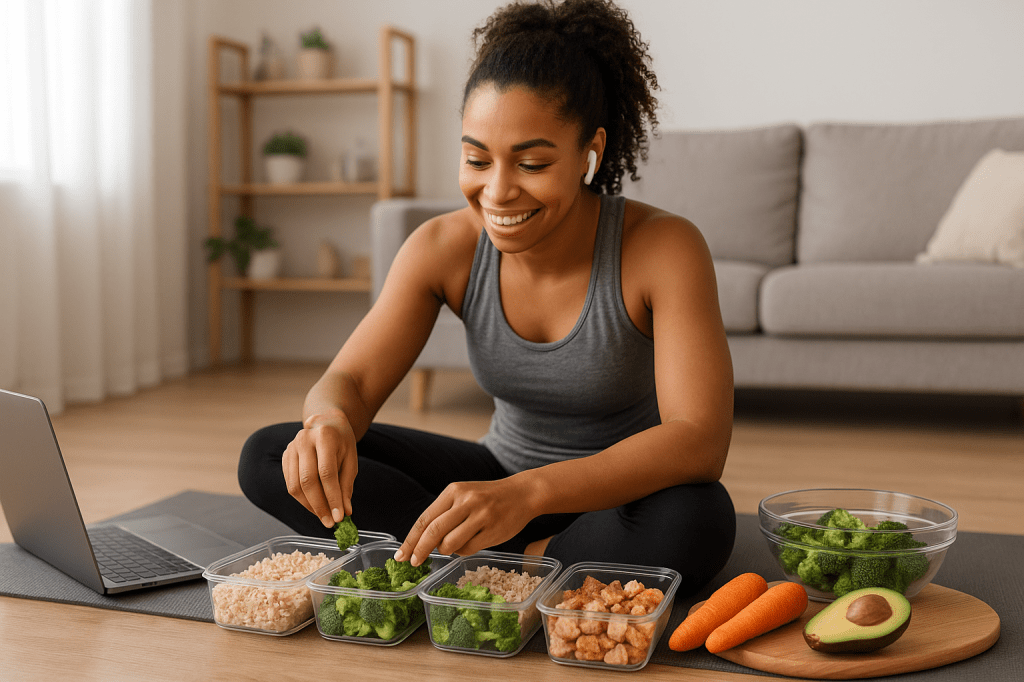
Healthy Meal Prep for Home Workout Days

If you’re working out at home, you’re already investing in your health — but are your meals working as hard as you are? Pairing home workouts with intentional nutrition & meal prep can help you recover faster, feel stronger, and stay consistent without the stress of last-minute food choices.

This guide breaks down not just the why, but the how — with real-life instructions you can apply starting this week.

Why Nutrition & Meal Prep Matter

Home workouts give you flexibility — no commute, no crowds, no excuses. But when the fridge is only a few steps away, it’s easy to reach for what’s quick instead of what’s best for your body.

Planning your meals ahead of time helps ensure your nutrition supports your workout goals It also helps regulate energy levels, improve focus, and prevent overeating after workouts.

Step-by-Step Instructions for Healthy Meal Prep

Step 1: Plan Your Workout Days

Take 5 minutes to map out your week. Identify your workout days and rest days.

Example:

Monday: Strength

Wednesday: HIIT/cardio

Friday: Yoga

Saturday: Rest

Tip: You don’t need a complex workout program — just enough structure to plan your meals around.

Step 2: Match Meals to Workout Intensity

Not every day requires the same fuel. Adjust your prep based on your energy needs.

Workout Type Focus What to Include

Strength Muscle repair High-protein moderate carbs

Cardio Endurance Moderate protein, higher carbs

Recovery Anti-inflammatory & hydration Healthy fats, veggies, electrolytes

Step 3: Choose 2–3 Recipes Per Meal Type

Keep it simple. You don’t need 10 new recipes a week. Pick 2–3 each for:

Breakfasts (e.g., overnight oats, veggie omelet muffins, Greek yogurt parfaits)

Lunch/Dinner (e.g., grilled chicken bowls, veggie stir-fry with tofu, salmon & quinoa)

Snacks (e.g., protein bites, boiled eggs, apple with almond butter)

Aim for meals that reheat well and can be stored 3–5 days in the fridge.

Step 4: Grocery Shop with a List

Write down your ingredients for the week ahead. Organize your list by category to save time.

Example Grocery List:

Protein: Chicken breast, canned tuna, tofu, eggs

Carbs: Brown rice, oats, sweet potatoes

Veggies: Spinach, broccoli, bell peppers, carrots

Fats: Avocados, olive oil, almonds

Extras: Greek yogurt, bananas, lemon, herbs/spices

Step 5: Batch Cook 1–2 Times a Week

Choose a day (Sunday works well) to cook and portion meals. A midweek top-up (Wednesday) keeps things fresh.

Basic Batch Cooking Routine:

Cook all proteins (bake or grill for easy cleanup)

Roast or steam veggies

Prepare grains (quinoa, rice, or couscous)

Portion into containers by meal

Store your meals in transparent containers to easily identify what’s inside without opening them. Label with the day if that helps you stay organized.

Step 6: Prep Pre- and Post-Workout Snacks

Keep quick energy and recovery options on hand:

Pre-Workout:

Banana + peanut butter

Rice cake + avocado

Small smoothie with oats

Post-Workout:

Protein shake with fruit

Turkey wrap

Cottage cheese + berries

Step 7: Stick to the System, Not Perfection

Meal prep isn’t about strict dieting. It’s about making your week easier, more nutritious, and more intentional.

If you skip a prep day or order takeout once, don’t scrap the whole week. Get back to your plan the next meal. Progress over perfection.

Benefits You’ll Notice (Quickly)

Less mental energy spent deciding what to eat

Improved performance during your home workouts

Faster recovery and better mood throughout the day

Reduced stress around meals and grocery runs

Final Thoughts

Healthy meal prep isn’t a trend — it’s a strategy. When you pair intentional eating with consistent home workouts, your body responds. You don’t need to be a gourmet chef or a fitness model — just someone with a plan.

Start small. Prep one extra meal this week. Build from there.

You’ve already committed to moving your body — now let your meals move you closer to your goals, too.

Categories
Fitness fitness-tips flexibility flexibility & mobility Gym home workout mobility Muscle Gain recovery recovery & wellness seniors strength training training women

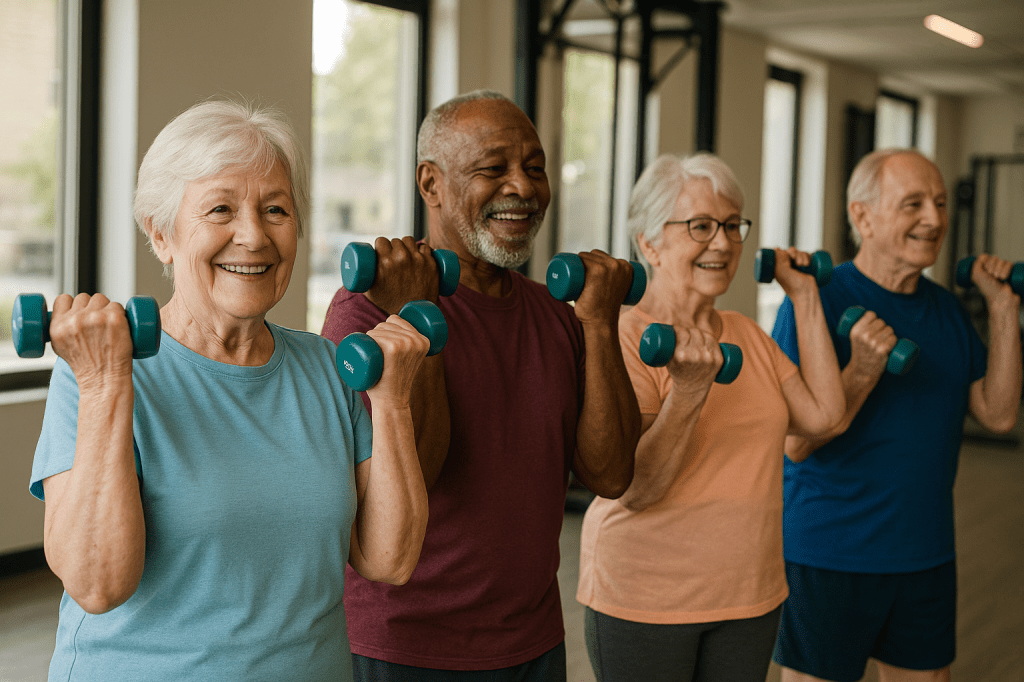
Build Muscle with These Seniors Compound Exercises

Staying active as we get older isn’t about doing more — it’s about moving with purpose. For older adults, strength training is one of the most effective ways to maintain muscle, boost vitality, and stay independent. One of the best ways to do that? Compound exercises.

These exercises work several muscles and joints at the same time, helping you build practical, full-body strength while improving coordination and balance. Whether you’re just starting out or easing back into a routine, this guide offers simple, senior-friendly exercises to help you gain strength safely and confidently.

Why Strength Training Is So Important for Seniors

As we get older, we naturally begin to lose muscle — a process that can affect how we move, balance, and even how efficiently our bodies burn calories. Adding strength training to your regular schedule can provide benefits such as:

Improve stability and reduce fall risk

Maintain or increase muscle mass

Support better posture and joint health

Boost metabolism and energy levels

Prevent falls and injuries

Strengthen bones and joints

Improve posture and reduce back pain

Boost confidence and mental clarity

And here’s the good news — it doesn’t take hours in the gym to feel stronger. With the right approach, a few short sessions per week can deliver real results.

Top Compound Exercises for Seniors (with Instructions)

You can perform these exercises either at home or in a fitness center, using minimal or no equipment. Always start with a short warm-up like marching in place or gentle arm swings for 3–5 minutes.

  1. Chair Squats

Muscles Worked: Legs, glutes, core

Instructions:

Stand facing a sturdy chair with your feet positioned hip-width apart.

Extend your arms straight ahead to help maintain balance as you move.

Slowly bend your knees and lower your body toward the chair.

Gently touch the seat with your hips — don’t sit fully — then press through your heels to stand back up.

Repeat 8–12 times.

Tip: Keep your back straight, and make sure your knees follow the direction of your toes as you lower down.

  1. Wall Push-Ups

Muscles Worked: Chest, shoulders, arms

Instructions:

Stand facing a wall, arms-length away.

Press your palms against the wall so they’re level with your shoulders.

Slowly bend your elbows and lean your body toward the wall with control.

Push back to your starting position.

Repeat 8–15 times.

Tip: Maintain a straight line from your head down to your heels throughout the movement. Don’t let your hips sag.

  1. Seated Band Rows

Muscles Worked: Upper back, biceps

Instructions:

Sit tall on a stable chair or bench with a resistance band firmly placed around the bottoms of your feet.

Grip the ends of the band with your hands, keeping your palms facing inward.

Draw the band toward your waist while keeping your elbows tucked in close to your body.

Squeeze your shoulder blades together, then slowly return.

Repeat 8–12 times.

Tip: Avoid shrugging your shoulders. Focus on your back doing the work.

  1. Step-Ups

Muscles Worked: Legs, glutes, balance

Instructions:

Stand facing a solid, low-height step or platform.

Place one foot on the step, press through your heel, and lift your other foot up.

Step back down, one foot at a time.

Alternate the leading leg.

Do 8–10 reps per leg.

Tip: Use a wall or railing for balance if needed. Go slow and controlled.

  1. Dumbbell or Bodyweight Deadlifts

Muscles Worked: Hamstrings, glutes, lower back

Instructions:

Stand with feet hip-width apart, holding light dumbbells (or with arms hanging naturally if using bodyweight).

With a flat back, hinge at your hips and lower the weights toward your knees or shins.

Squeeze your glutes and return to standing.

Repeat 8–12 times.

Tip: Think “hips back” rather than “bend over.” Don’t round your spine.

Getting Started: Safety Tips for Seniors

Check with your healthcare provider before beginning any new workout program.

Warm up first with gentle movement to get your blood flowing.

Use proper form — quality matters more than quantity.

Stay hydrated and rest between sets if needed.

Start slow — 2 to 3 sessions per week is a great beginning.

Stop if you feel pain (a little soreness is normal, but sharp pain isn’t).

Final Thoughts

Building strength doesn’t require bulky weights or specialized gear. With the right exercises — done consistently — you’ll feel stronger, more balanced, and more capable in everyday life. Strength training is one of the most effective ways seniors can protect their health, independence, and confidence.

Start where you are. Progress at your pace. And remember: every rep is a step toward a stronger you.

Categories
athletes beginners Fitness fitness-tips flexibility flexibility & mobility gear & reviews Gym home workout men mobility Muscle Gain recovery recovery & wellness training yogis

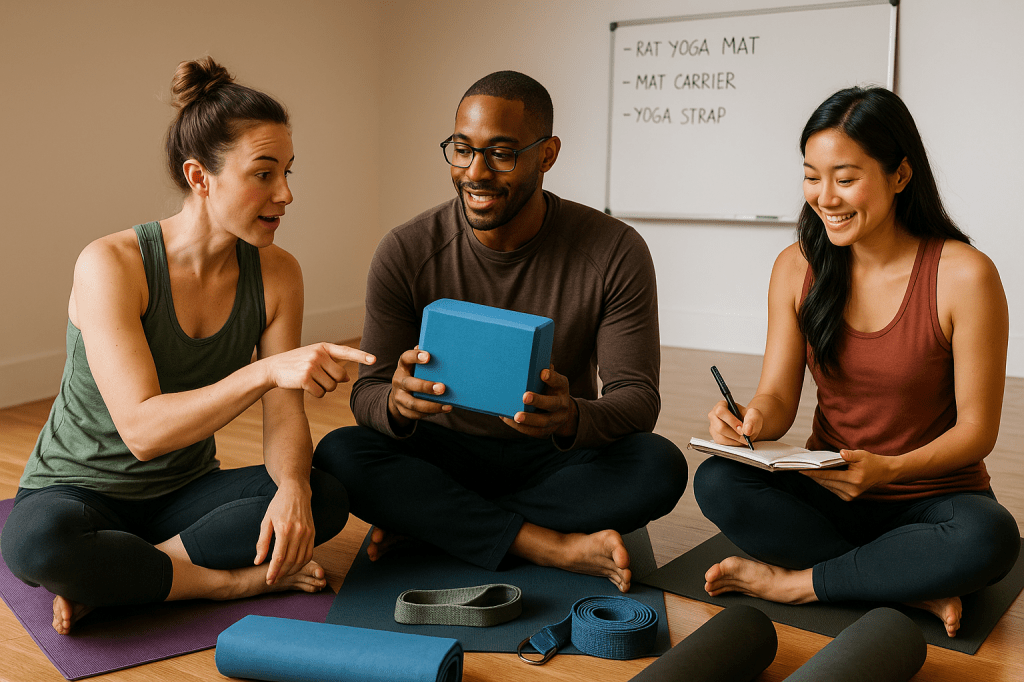
Best Yogis Shoes for Beginners: A Guide to Gear & Reviews for Yogis

If you’re just starting your yoga journey, choosing the right gear can make all the difference — especially when it comes to footwear. While traditional yoga is often practiced barefoot, beginner yogis exploring various fitness styles or hybrid workouts might benefit from specialized shoes designed to enhance comfort, stability, and performance. In this guide, we’ll explore the best yogis shoes for beginners, sharing gear insights, reviews, and practical instructions to help you elevate your practice safely and effectively.

Why Consider Shoes for Yoga Beginners?

Yoga is more than just poses — it’s about balance, alignment, and connection to your body and surroundings. Although barefoot practice is classic, some beginner yogis prefer lightweight, flexible shoes that offer grip, protection, and support. This is especially true if you:

Practice outdoors or in chilly environments

Combine yoga with fitness routines like Pilates, barre, or light cardio

Have foot sensitivity or injuries that need extra cushioning

Want to enhance stability during standing or balancing poses

The right yogi shoes can provide traction on slippery surfaces, help maintain proper foot alignment, and boost confidence in your movements.

What to Look for in Beginner Yoga Shoes

When choosing shoes for yoga, prioritize these features:

Flexibility: The shoe should bend and move naturally with your foot.

Grip: Look for soles with excellent traction to prevent slipping.

Breathability: Yoga can get sweaty, so breathable materials keep your feet cool and dry.

Lightweight: Heavy shoes restrict movement; aim for light designs.

Minimal Cushioning: Too much padding can reduce your sense of connection to the floor.

Instructions: How to Choose and Use Yoga Shoes for Beginners

Step 1: Assess Your Needs

Consider why you want yoga shoes. Are you practicing outdoors, combining yoga with other workouts, or needing foot protection? This will guide your choice.

Step 2: Try Them On

Visit a store or order online with a flexible return policy. When trying shoes on:

Wear thin socks or practice barefoot to simulate yoga conditions.

Check that toes can move freely and that the shoe feels snug but not tight.

Step 3: Break Them In

Use your shoes around the house or during light warm-ups before wearing them in full sessions. This helps the materials soften and molds to your feet.

Step 4: Practice Mindfully

Use shoes primarily for hybrid workouts or outdoor yoga. Avoid wearing them during traditional barefoot sequences to maintain foot strength and natural movement.

Step 5: Care for Your Shoes

Clean your shoes after use according to manufacturer instructions. Air them out to prevent odors and maintain hygiene.

Top Picks: Best Yogis Shoes for Beginners

  1. Nike Free RN Flyknit

Flexible soles and breathable knit uppers give a barefoot feel with protection, perfect for yoga and fitness cross-training.

  1. Vibram FiveFingers KSO EVO

Toe-separated design promotes natural foot function and balance — great for enhancing proprioception in yoga.

  1. Adidas Adipure Trainer

Lightweight, breathable, and grippy, this trainer is ideal for indoor and outdoor yoga sessions.

  1. FREETOO Minimalist Shoes

An affordable option offering flexibility, breathability, and slip resistance for beginner yogis on a budget.

Final Thoughts: Elevate Your Practice with the Right Gear

Starting yoga is a rewarding step toward better fitness and mindfulness, and your gear can support this journey in meaningful ways. While yogi shoes aren’t mandatory, they offer practical benefits for beginners venturing into fitness hybrids or those needing extra foot support. By following these simple instructions, you can select and use shoes that enhance comfort, flexibility, and grip—helping you build a strong foundation for a fulfilling and balanced yoga practice.

Remember, yoga is ultimately about connecting with your body and breath, whether barefoot or shod. Gear is just one piece of the puzzle, but it can help you step confidently onto your mat.

Categories
beginners bench press exercises fat loss Fitness fitness-tips Gym home workout

How to Increase Bench Press in Beginners Weeks

If you’re just starting out in the gym and looking to increase your bench press, you’re not alone. Bench pressing is a go-to exercise in strength training because it effectively targets multiple upper body muscles and delivers solid results It builds upper body strength, improves posture, and is a great confidence booster. This guide walks beginners through the first few weeks with clear steps, simple instructions, and helpful techniques.

Week-by-Week Plan to Increase Bench Press

Week 1: Learn the Basics

Goal: Focus on proper form, setup, and confidence under the bar.

Instructions:

Kick off your training session with 5–10 minutes of low-intensity cardio—like an easy walk or light pedaling—to warm up your body.

Start practicing with an unloaded barbell or a lighter bar if needed; a standard bar typically weighs around 45 pounds.

Set up correctly on the bench:

Position yourself on the bench

Feet flat on the ground.

Grip the bar slightly wider than shoulder-width.

Keep your shoulder blades pulled back and down.

Lower the bar slowly to the middle of your chest, then press it back up with control.

Perform 3 sets of 8–10 reps. Rest 60–90 seconds between sets.

Tip: Practice with a trainer or ask a gym staff member to spot you and give feedback.

Week 2–3: Build Consistency and Volume

Goal: Increase control and start lifting slightly heavier weights.

Instructions:

Continue warming up before each session.

Add small weights (2.5–5 lbs per side) to the bar as long as your form is perfect.

Perform 3–4 sets of 8 reps at a weight that feels challenging by the last few reps.

Rest 1–2 minutes between sets.

Introduce accessory exercises like:

Push-ups: 3 sets of 10–12

Dumbbell Chest Press: 3 sets of 10

Resistance Band Pull-Aparts: 2 sets of 15 (for shoulder health)

Tip: Track your weights and reps in a notebook or app. This helps you stay consistent and motivated.

Week 4: Start Progressive Overload

Goal: Increase strength by adding small, steady weight increments.

Instructions:

Warm up with 2 sets using light weights.

Increase working weight slightly (5 lbs total per week).

Change your rep scheme to 4 sets of 5–6 reps with longer rest (2–3 minutes).

Keep strict form—no bouncing the bar or lifting your feet.

Add these accessories:

Incline Dumbbell Press: 3 sets of 8

Triceps Pushdowns or Dips: 3 sets of 10

Bent-Over Rows or Lat Pulldowns: 3 sets of 8–10

Tip: If you fail a rep, reduce the weight slightly next time and try again.

General Guidelines for Beginners

How Often Should You Bench Press?

2–3 times per week is ideal for beginners.

Alternate bench press days with rest or lower-body workouts.

Recovery & Nutrition Tips

Get 7–9 hours of sleep every night.

Aim to consume adequate protein—roughly 0.7 to 1 gram per pound of your body weight—to help your muscles recover and grow after training

Stay hydrated and stretch post-workout.

Take rest days seriously—your body gets stronger while resting.

Benefits of Bench Press for Beginners

Increases upper body strength and muscle tone

Improves shoulder and chest stability

Builds confidence in other lifts and workouts

Helps develop a consistent fitness habit

Final Thoughts

Progress on the bench press doesn’t happen overnight—but if you follow the steps above and stay consistent, you’ll see gains within your first few weeks. Remember: good form, gradual progress, and recovery are more important than lifting heavy too soon.

Everyone starts somewhere—your first successful rep is just the beginning of your strength training journey.

Categories
cardio cardio & endurance fat loss Fitness fitness-tips flexibility flexibility & mobility Gym home workout mobility runners running strength training training Treadmill women workouts

Cycling vs. Running: Which Is Better for Women?

When it comes to building cardio & endurance, cycling and running are two of the most popular exercises among women. Both offer excellent health benefits, but deciding which is better depends on your personal goals, fitness level, and lifestyle. This guide will help you understand the benefits of each and provide clear instructions to help you get started or improve your routine.

Cardio & Endurance: Why It Matters

Cardiovascular fitness improves heart and lung health, increases stamina, and helps manage weight. For women, cardio exercises also play a role in hormone regulation, mental well-being, and bone health. Cycling and running are both effective, but knowing how to approach each will maximize your results.

Running: Benefits & How to Start

Benefits:

Burns calories quickly, ideal for weight management

Strengthens bones and joints

Easy to do anywhere with minimal equipment

How to Start Running:

Choose the Right Shoes: Invest in a pair designed for your foot type to prevent injury.

Warm-Up: Begin with 5-10 minutes of brisk walking or dynamic stretches.

Start Slow: Try a walk-run approach. For example, alternate 1 minute running with 2 minutes walking for 20 minutes.

Set a Schedule: Aim for 3 sessions per week, gradually increasing running time.

Listen to Your Body: Stop if you feel pain and adjust your pace.

Cool Down: Walk for 5 minutes and stretch major muscles after your run.

Cycling: Benefits & How to Start

Benefits:

Low-impact, great for joint health

Tones leg muscles effectively

Can be used for commuting or leisure

How to Start Cycling:

Get the Right Bike: Choose a bike that fits your height and purpose (road, hybrid, or stationary).

Wear a Helmet: Safety first!

Begin on Easy Terrain: Start with flat routes or a stationary bike session for 20-30 minutes.

Pedal at a Comfortable Pace: Aim to maintain a steady rhythm that challenges your endurance without overexerting.

Increase Duration Gradually: Add 5-10 minutes per week as you build stamina.

Incorporate Intervals: Try alternating 2 minutes of faster pedaling with 3 minutes of easy cycling to boost cardio.

Cool Down and Stretch: Just like running, end with a gentle ride and stretch your legs and hips.

Tips for Choosing and Combining Both

Assess Your Joints: If you experience knee or hip pain, cycling is likely a safer starting point.

Set Goals: Running can be more time-efficient for calorie burn, while cycling is better for sustained endurance.

Mix It Up: Alternate between running and cycling throughout the week to prevent burnout and injury.

Track Your Progress: Use apps or wearables to monitor your endurance improvements.

Hydrate and Fuel Properly: Both activities demand energy, so eat balanced meals and drink water before, during, and after workouts.

Final Thought

Choosing between cycling and running doesn’t have to be an either/or decision. Both support women’s cardio & endurance beautifully when practiced with care and consistency. Follow these steps, listen to your body, and most importantly, pick the activity that feels right for you. Your fitness journey should empower and inspire, no matter the path.

Categories
Dinner Fitness fitness-tips Meals nutrition nutrition & meal seniors training

Budget-Friendly Meals for Seniors Nutrition

Maintaining good nutrition is essential for seniors to support overall health, fitness, and well-being. However, eating healthily doesn’t have to be expensive or complicated. With a little planning and smart meal prep, seniors can enjoy nutritious, budget-friendly meals that fuel their bodies and promote vitality.

Why Nutrition & Meal Prep Matter for Seniors

As we age, our nutritional needs change. Seniors often require fewer calories but more vitamins, minerals, and protein to preserve muscle mass and support immune function. Meal prep can be a game-changer—helping seniors avoid unhealthy convenience foods and make the most of their food budget by cooking in batches and reducing waste.

How to Get Started: Step-by-Step Instructions

  1. Plan Your Meals Weekly

Dedicate a brief 15 to 30 minutes each week to organize your upcoming meals.

Choose simple recipes with affordable ingredients.

Make sure to include plenty of vegetables, lean protein sources, and whole grains in your meals.

Write a grocery list based on your plan to avoid impulse buys.

  1. Shop Smart

Buy seasonal fruits and vegetables—they’re fresher and cheaper.

Keep an eye out for deals on essentials such as beans, lentils, and frozen vegetables.

Purchase bulk items that freeze well, such as chicken breasts or brown rice.

  1. Prep Ingredients in Advance

Wash and chop vegetables right after shopping.

Cook grains like rice or quinoa in large batches and store portions in the fridge or freezer.

Prepare protein options like hard-boiled eggs or baked chicken breasts to add to meals quickly.

  1. Cook in Batches

Make larger portions of soups, stews, or casseroles.

Divide cooked meals into single-serving containers.

Freeze or refrigerate portions for easy grab-and-go meals during the week.

  1. Use Simple Seasonings

Keep a small selection of herbs and spices such as garlic powder, paprika, and dried oregano.

These add flavor without extra cost or calories.

Simple, Budget-Friendly Meal Ideas with Instructions

Hearty Lentil Soup

Ingredients: lentils, carrots, onions, garlic, vegetable broth, canned tomatoes, and spices.

Rinse 1 cup of lentils.

Sauté diced onions, garlic, and carrots in a pot until soft.

Combine the lentils, 4 cups of vegetable broth, and a can of diced tomatoes in the pot, stirring thoroughly.

Simmer for 30-40 minutes until lentils are tender.

Season with salt, pepper, and herbs. Portion and refrigerate or freeze leftovers.

Oatmeal with Fruit and Nuts

What you’ll need: rolled oats, either water or milk, fresh or frozen fruit, and a small handful of nuts.

Instructions:

Prepare ½ cup of oats by cooking them in 1 cup of water or milk until soft.

Top with your choice of sliced fruit and a handful of nuts to enhance flavor and nutrition.

Vegetable Stir-Fry with Brown Rice

Ingredients: frozen mixed vegetables, cooked brown rice, soy sauce, and olive oil.

Heat 1 tablespoon olive oil in a pan.

Add frozen vegetables and sauté until heated through.

Stir in 1 cup cooked brown rice.

Add a splash of soy sauce for flavor.

Serve hot as a quick, balanced meal.

Egg and Spinach Wraps

Ingredients: eggs, fresh spinach, whole wheat wraps.

Scramble 2 eggs in a pan.

Add a handful of spinach and cook until wilted.

Lay the egg and spinach mixture onto a whole wheat wrap and roll it up securely.

A simple, protein-rich meal ready in minutes.

Benefits of Staying Fit and Eating Well for Seniors

Good nutrition combined with regular physical activity supports muscle strength, bone health, and cognitive function. Meal prepping reduces stress around mealtime, ensures consistent nutrient intake, and can encourage social interaction when meals are shared with friends or family.