Categories
exercises fat loss Fitness fitness-tips recovery & wellness strength training Trackers training

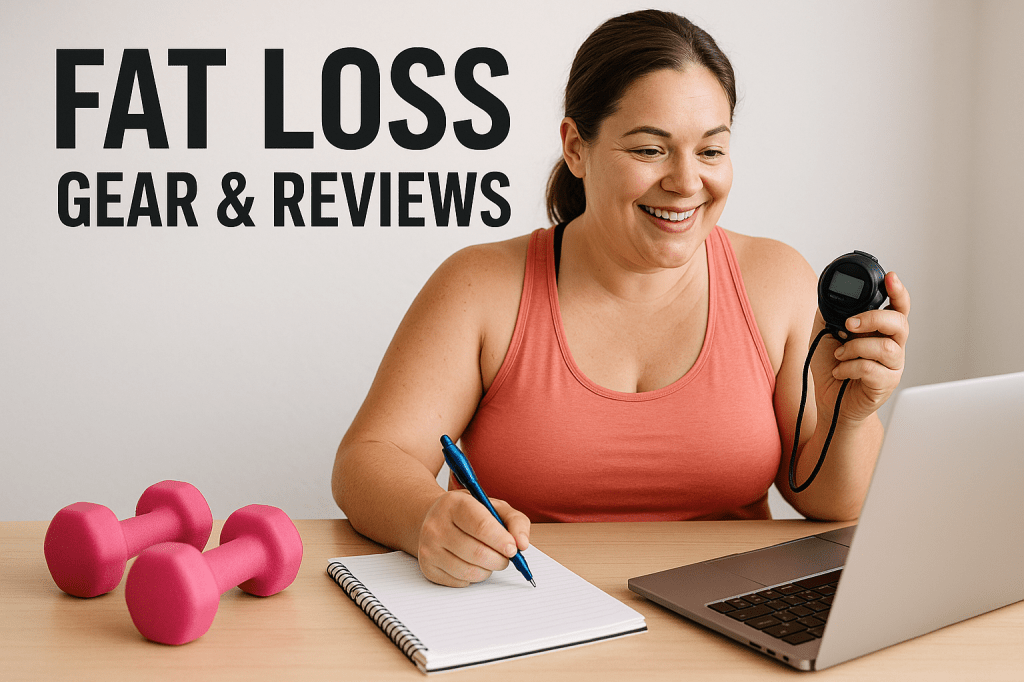
Fat Loss Fitness Trackers Compared

Fat loss is more than just “move more, eat less” — it’s about knowing what works for your body. The right fitness tracker gives you real-time data to guide your training, nutrition, and recovery. Whether you’re walking off weight or doing high-intensity training, choosing the right gear can help you burn fat smarter, not harder.

In this guide, we compare top fitness trackers and show you exactly how to use them to support your fat loss goals.

What to Look for in a Tracker for Fat Loss

Before buying a tracker, make sure it has these fat-loss-friendly features:

Heart Rate Monitoring: For training in optimal fat-burning zones.

Activity Tracking: Steps, distance, and active minutes.

Calorie Burn Estimates: To adjust food intake and stay in a deficit.

Sleep Tracking: Better rest improves metabolism.

App Integration: For syncing workouts and nutrition logs.

Top Fitness Trackers & How to Use Them for Fat Loss

  1. Fitbit Charge 6

Best for Balanced Lifestyle Tracking

The Charge 6 offers everything you need to stay consistent — heart rate tracking, step goals, and integration with food logging apps like MyFitnessPal.

How to Use for Fat Loss:

Set a Daily Step Goal: Start with 8,000–10,000 steps per day.

Track Active Zone Minutes: Aim for 150 minutes/week in fat burn or cardio zones.

Use the Sleep Score: Aim for 7+ hours of sleep to support recovery and hunger regulation.

Pros: Reliable, intuitive app, built-in exercises.

Cons: No GPS, screen may be small for some users.

  1. Garmin Vivosmart 5

Best for Fitness-Focused Users

Garmin is ideal for those who want deeper training insights. It tracks intensity, recovery, and stress — all key for long-term fat loss.

How to Use for Fat Loss:

Check your energy levels with the Body Battery feature and schedule workouts when you’re most charged up.

Review Sleep & Stress Trends: Chronic stress increases fat storage — use breathing exercises in the app.

Pros: Detailed data, sleek design, 7-day battery.

Cons: Less intuitive than Fitbit for beginners.

  1. Apple Watch Series 9

Best for Apple Ecosystem Users

The Apple Watch blends wellness tools, daily functionality, and intelligent features in a clean, modern design. It’s ideal if you already use iPhone, Health app, or Apple Fitness+.

How to Use for Fat Loss:

Close Your Rings: Aim to hit Move, Exercise, and Stand goals daily.

Add Fitness+ Workouts: Choose HIIT, strength, or cardio for fat loss.

Monitor Heart Rate Trends: Use resting heart rate to track progress.

Log Weight & Nutrition: Sync with apps like LoseIt! or Cronometer.

Pros: Customizable, great third-party apps, accurate sensors.

Cons: Battery life (1–2 days), more expensive.

  1. WHOOP Strap 4.0

Best for Recovery-Based Fat Loss

WHOOP is screen-free and subscription-based, designed for serious performance and recovery tracking. It’s best for those who want a deeper look at their body’s response to training.

How to Use for Fat Loss:

Follow Strain vs. Recovery Guidance: Avoid overtraining, which leads to plateaus.

Use Sleep Coaching: Optimize recovery to maintain consistent fat burning.

Watch HRV (Heart Rate Variability): Higher HRV = better readiness to train.

Stay Consistent: Wear it 24/7 for best accuracy.

Pros: No distractions, excellent recovery tracking.

Cons: No screen, monthly subscription.

General Instructions for Using Fitness Trackers to Burn Fat

Regardless of which device you choose, follow these daily steps:

Wear Your Tracker All Day (and Night):

Data is only useful if it’s consistent — don’t take it off unless charging.

Set Realistic Daily Goals:

Gradually raise your step count, active minutes, and calorie goals to avoid fatigue and stay consistent.

Use Heart Rate Zones for Exercise:

For fat loss, train in the 60–75% of your max heart rate zone during cardio.

Track Your Food Intake (Even Just Roughly):

Pair your tracker with a food log app. A calorie deficit of 300–500/day is ideal for sustainable fat loss.

Review Weekly Trends, Not Just Daily Fluctuations:

Progress isn’t linear. Pay attention to long-term patterns in your weight, sleep quality, heart rate variability, and calorie expenditure.

Prioritize Sleep & Recovery:

Track your sleep and make recovery part of your fat loss plan — under-recovered bodies don’t burn fat efficiently.

Final Thoughts

Fitness trackers can be game-changers when it comes to fat loss — but only if you use the data. Whether you’re training hard, walking more, or just becoming more aware of your daily habits, these tools help you stay accountable.

So pick the tracker that fits your goals and lifestyle, follow the instructions consistently, and remember: it’s not about perfection — it’s about momentum.

Categories
athletes exercises fat loss Fitness recovery & wellness

Mindfulness Techniques for Fat Loss Athletes: A Guide to Recovery & Wellness

In the journey of fat loss, athletes often focus intensely on workouts, nutrition, and calorie deficits. Yet, one crucial element frequently overlooked is the role of mindfulness in enhancing recovery and overall wellness. Incorporating mindfulness techniques can not only improve mental clarity and reduce stress but also accelerate fat loss and optimize fitness outcomes. Here’s a fresh take on how mindful practices contribute to fat loss success and why recovery matters just as much as training.

The Intersection of Mindfulness, Fat Loss, and Recovery

Fat loss isn’t merely about burning calories; it’s a holistic process involving physical, mental, and emotional well-being. Recovery and wellness play vital roles in this balance, helping the body repair, rebuild, and adapt to training stress. Mindfulness, the practice of being fully present and aware without judgment, supports this recovery phase by calming the nervous system and improving hormonal balance, both of which are essential for fat metabolism.

Why Mindfulness Matters for Fat Loss Athletes

High stress levels can significantly hinder progress in fat loss efforts. Chronic stress elevates cortisol levels, which can promote fat storage and hinder recovery. Mindfulness techniques help regulate this response by encouraging relaxation and reducing the mental chatter that fuels anxiety. This creates a more favorable internal environment for fat loss and muscle preservation.

Effective Mindfulness Techniques to Enhance Recovery & Wellness (With Instructions)

Focused Breathing Exercises

How to do it:

Choose a calm, distraction-free spot and sit in a comfortable position with your spine upright.

Gently close your eyes and take a deep breath in through your nose, slowly counting to four, allowing your abdomen to expand.

Pause and hold the breath for a count of four.

Continue this breathing pattern for 5 to 10 minutes, keeping your attention fully on each inhale and exhale.

When to practice: After workouts, during stressful moments, or before sleep to promote relaxation and enhance recovery.

Body Scan Meditation

How to do it:

Find a comfortable seated or lying position and gently close your eyes.

Slowly bring your attention to your toes, noticing any sensations without judgment.

Gradually move your focus up through your legs, hips, torso, arms, neck, and head.

Whenever your thoughts drift away, softly redirect your attention to the area of your body you were focusing on.

Spend about 10–15 minutes completing the scan.

When to practice: Use this technique daily or whenever you feel muscle tightness or mental stress.

Mindful Movement

How to do it:

Choose a gentle movement practice like yoga, tai chi, or stretching.

Move slowly and deliberately, paying full attention to how your body feels with each movement.

Focus on your breath, coordinating it with your motions.

Avoid rushing—allow yourself to feel each stretch or posture fully.

Practice for at least 15–30 minutes.

When to practice: On rest days, post-workout, or anytime you want to enhance flexibility and circulation.

Gratitude Journaling

How to do it:

Keep a small notebook or digital journal.

Each day, write down 3 things you’re grateful for related to your fitness journey (e.g., strength gained, progress made, support received).

Reflect on these entries and let positive feelings build.

When to practice: At the start or end of your day, helping cultivate a positive mindset and reduce stress.

Benefits of Integrating Mindfulness into Your Fat Loss Routine

Improved Sleep Quality: Mindfulness calms the mind, leading to deeper, more restorative sleep—key for recovery and fat loss.

Enhanced Focus: Better mental clarity helps maintain disciplined nutrition and training habits.

Reduced Inflammation: Stress reduction lowers systemic inflammation, supporting faster recovery and metabolic health.

Sustainable Motivation: A mindful approach nurtures self-compassion, preventing burnout and promoting a healthier relationship with fitness.

Final Thoughts

Fat loss athletes striving for peak fitness should consider mindfulness not just as a mental exercise but as a strategic tool for recovery and wellness. By weaving mindful practices into your routine with these clear, easy-to-follow instructions, you create a balanced foundation that supports your body’s natural ability to lose fat efficiently and sustainably. Remember, achieving fitness involves more than just working out—it requires a balanced focus on both recovery and mental wellness.

Categories
beginners bench press exercises fat loss Fitness fitness-tips Gym home workout

How to Increase Bench Press in Beginners Weeks

If you’re just starting out in the gym and looking to increase your bench press, you’re not alone. Bench pressing is a go-to exercise in strength training because it effectively targets multiple upper body muscles and delivers solid results It builds upper body strength, improves posture, and is a great confidence booster. This guide walks beginners through the first few weeks with clear steps, simple instructions, and helpful techniques.

Week-by-Week Plan to Increase Bench Press

Week 1: Learn the Basics

Goal: Focus on proper form, setup, and confidence under the bar.

Instructions:

Kick off your training session with 5–10 minutes of low-intensity cardio—like an easy walk or light pedaling—to warm up your body.

Start practicing with an unloaded barbell or a lighter bar if needed; a standard bar typically weighs around 45 pounds.

Set up correctly on the bench:

Position yourself on the bench

Feet flat on the ground.

Grip the bar slightly wider than shoulder-width.

Keep your shoulder blades pulled back and down.

Lower the bar slowly to the middle of your chest, then press it back up with control.

Perform 3 sets of 8–10 reps. Rest 60–90 seconds between sets.

Tip: Practice with a trainer or ask a gym staff member to spot you and give feedback.

Week 2–3: Build Consistency and Volume

Goal: Increase control and start lifting slightly heavier weights.

Instructions:

Continue warming up before each session.

Add small weights (2.5–5 lbs per side) to the bar as long as your form is perfect.

Perform 3–4 sets of 8 reps at a weight that feels challenging by the last few reps.

Rest 1–2 minutes between sets.

Introduce accessory exercises like:

Push-ups: 3 sets of 10–12

Dumbbell Chest Press: 3 sets of 10

Resistance Band Pull-Aparts: 2 sets of 15 (for shoulder health)

Tip: Track your weights and reps in a notebook or app. This helps you stay consistent and motivated.

Week 4: Start Progressive Overload

Goal: Increase strength by adding small, steady weight increments.

Instructions:

Warm up with 2 sets using light weights.

Increase working weight slightly (5 lbs total per week).

Change your rep scheme to 4 sets of 5–6 reps with longer rest (2–3 minutes).

Keep strict form—no bouncing the bar or lifting your feet.

Add these accessories:

Incline Dumbbell Press: 3 sets of 8

Triceps Pushdowns or Dips: 3 sets of 10

Bent-Over Rows or Lat Pulldowns: 3 sets of 8–10

Tip: If you fail a rep, reduce the weight slightly next time and try again.

General Guidelines for Beginners

How Often Should You Bench Press?

2–3 times per week is ideal for beginners.

Alternate bench press days with rest or lower-body workouts.

Recovery & Nutrition Tips

Get 7–9 hours of sleep every night.

Aim to consume adequate protein—roughly 0.7 to 1 gram per pound of your body weight—to help your muscles recover and grow after training

Stay hydrated and stretch post-workout.

Take rest days seriously—your body gets stronger while resting.

Benefits of Bench Press for Beginners

Increases upper body strength and muscle tone

Improves shoulder and chest stability

Builds confidence in other lifts and workouts

Helps develop a consistent fitness habit

Final Thoughts

Progress on the bench press doesn’t happen overnight—but if you follow the steps above and stay consistent, you’ll see gains within your first few weeks. Remember: good form, gradual progress, and recovery are more important than lifting heavy too soon.

Everyone starts somewhere—your first successful rep is just the beginning of your strength training journey.

Categories
cardio cardio & endurance fat loss Fitness fitness-tips flexibility flexibility & mobility Gym home workout mobility runners running strength training training Treadmill women workouts

Cycling vs. Running: Which Is Better for Women?

When it comes to building cardio & endurance, cycling and running are two of the most popular exercises among women. Both offer excellent health benefits, but deciding which is better depends on your personal goals, fitness level, and lifestyle. This guide will help you understand the benefits of each and provide clear instructions to help you get started or improve your routine.

Cardio & Endurance: Why It Matters

Cardiovascular fitness improves heart and lung health, increases stamina, and helps manage weight. For women, cardio exercises also play a role in hormone regulation, mental well-being, and bone health. Cycling and running are both effective, but knowing how to approach each will maximize your results.

Running: Benefits & How to Start

Benefits:

Burns calories quickly, ideal for weight management

Strengthens bones and joints

Easy to do anywhere with minimal equipment

How to Start Running:

Choose the Right Shoes: Invest in a pair designed for your foot type to prevent injury.

Warm-Up: Begin with 5-10 minutes of brisk walking or dynamic stretches.

Start Slow: Try a walk-run approach. For example, alternate 1 minute running with 2 minutes walking for 20 minutes.

Set a Schedule: Aim for 3 sessions per week, gradually increasing running time.

Listen to Your Body: Stop if you feel pain and adjust your pace.

Cool Down: Walk for 5 minutes and stretch major muscles after your run.

Cycling: Benefits & How to Start

Benefits:

Low-impact, great for joint health

Tones leg muscles effectively

Can be used for commuting or leisure

How to Start Cycling:

Get the Right Bike: Choose a bike that fits your height and purpose (road, hybrid, or stationary).

Wear a Helmet: Safety first!

Begin on Easy Terrain: Start with flat routes or a stationary bike session for 20-30 minutes.

Pedal at a Comfortable Pace: Aim to maintain a steady rhythm that challenges your endurance without overexerting.

Increase Duration Gradually: Add 5-10 minutes per week as you build stamina.

Incorporate Intervals: Try alternating 2 minutes of faster pedaling with 3 minutes of easy cycling to boost cardio.

Cool Down and Stretch: Just like running, end with a gentle ride and stretch your legs and hips.

Tips for Choosing and Combining Both

Assess Your Joints: If you experience knee or hip pain, cycling is likely a safer starting point.

Set Goals: Running can be more time-efficient for calorie burn, while cycling is better for sustained endurance.

Mix It Up: Alternate between running and cycling throughout the week to prevent burnout and injury.

Track Your Progress: Use apps or wearables to monitor your endurance improvements.

Hydrate and Fuel Properly: Both activities demand energy, so eat balanced meals and drink water before, during, and after workouts.

Final Thought

Choosing between cycling and running doesn’t have to be an either/or decision. Both support women’s cardio & endurance beautifully when practiced with care and consistency. Follow these steps, listen to your body, and most importantly, pick the activity that feels right for you. Your fitness journey should empower and inspire, no matter the path.

Categories
exercises fat loss Fitness fitness-tips flexibility & mobility Gym training workouts yoga

Fat Loss Yoga Poses for Better Flexibility

When it comes to fat loss, most people immediately think of high-intensity workouts or strict diets. But what if I told you that yoga — particularly poses designed to improve flexibility and mobility — can be a powerful tool to help shed fat while boosting your overall fitness?

Yoga isn’t just about stretching or calming your mind. Certain poses actively engage muscles, increase your heart rate, and improve your body’s ability to move efficiently. This combination supports fat loss and enhances your flexibility and mobility, creating a foundation for sustainable fitness.

Why Focus on Flexibility & Mobility for Fat Loss?

Flexibility and mobility are more than just buzzwords. They play a critical role in how your body performs everyday movements and exercises. When your joints and muscles move freely, you can work out more effectively and safely, reducing the risk of injury. This means you can stick to your fat loss plan longer and with better results.

Moreover, improved mobility encourages greater calorie burn by allowing more dynamic, full-range movements. Fat loss becomes a natural byproduct of moving well and consistently.

Key Yoga Poses for Fat Loss and Flexibility (With Instructions)

Here are some effective yoga poses that support fat loss while enhancing flexibility and mobility. Follow the step-by-step instructions to get the most out of each pose.

  1. Warrior II (Virabhadrasana II)

Instructions:

Stand with your feet about 3-4 feet apart

How to do it:

Stand with your feet spaced wide apart.

Turn your right foot outward to about a right angle, while angling your left foot slightly inward.

Slowly bend your right knee so it aligns directly above your ankle.

Reach your arms out wide at shoulder level, keeping them parallel to the ground with palms facing down.

Direct your eyes toward your right fingertips and maintain the position for 30 to 60 seconds.

Benefits:

This posture strengthens the muscles in your legs and core, while also stretching the hips and chest, which enhances joint flexibility and movement.

  1. Chair Pose (Utkatasana)

How to do it:

Stand with your feet about hip-distance apart.

As you breathe in, raise your arms above your head with your palms turned toward each other or facing inward.

With an exhale, bend your knees and lower your hips like you’re sitting back into a chair, while keeping your spine upright.

Keep your chest lifted and your weight rooted through your heels.

Why it helps:

This pose activates your thighs, glutes, and core muscles, promoting muscle endurance and encouraging fat burning.

  1. Downward Dog (Adho Mukha Svanasana)

How to do it:

Begin on all fours with your wrists beneath your shoulders and knees under your hips.

Fan your fingers apart and ground your palms firmly into the mat.

Curl your toes under and press your hips upward toward the ceiling, straightening your legs as far as feels comfortable.

Let your head relax naturally between your arms, and work toward bringing your heels down toward the floor.

Stay in this position for 30 to 60 seconds, maintaining slow, controlled breathing.

Why it helps:

Downward Dog stretches key muscle groups like the hamstrings, calves, and shoulders while strengthening the upper body and core.

  1. Plank Pose

How to do it:

Position yourself like you’re about to do a push-up, with your hands under your shoulders.

Engage your abdominal muscles and keep your body in one straight line from your head down to your heels.

Keep your hips aligned by preventing them from dropping too low or lifting too high.

Hold the plank for 20 to 60 seconds, breathing smoothly.

Why it helps:

This pose builds core strength, improves shoulder flexibility, and works multiple muscle groups at once.

  1. Bridge Pose (Setu Bandhasana)

How to do it:

Lie on your back with your knees bent and feet planted firmly on the floor, spaced about hip-width apart.

Place your arms by your sides, keeping your palms facing downward.

Press firmly through your feet and lift your hips toward the ceiling.

If comfortable, clasp your hands beneath your back and gently roll your shoulders under.

Hold the pose for 30 seconds to a minute, then slowly lower your hips back down.

Why it helps:

Bridge strengthens the gluteal muscles and lower back while opening the chest and hip flexors, improving posture and flexibility.

Tips to Maximize Benefits

Consistency is key: Aim to include these poses in your routine 3-4 times a week to see noticeable improvements in flexibility and fat loss.

Breathe deeply: Proper breathing enhances oxygen flow, which supports muscle function and calorie burning.

Combine with cardio: Yoga alone helps, but pairing it with cardio or strength training can accelerate fat loss.

Listen to your body: Flexibility develops over time. Avoid pushing too hard, which can cause injury.

The Long-Term Benefits

Beyond fat loss, integrating flexibility and mobility-focused yoga into your fitness plan improves posture, reduces stress, and enhances recovery from other workouts. The mind-body connection cultivated through yoga also supports mindful eating and healthier lifestyle choices, reinforcing your fat loss goals.

Incorporating yoga poses that focus on flexibility and mobility is a gentle yet effective way to accelerate fat loss. It’s not just about burning calories—it’s about building a strong, supple body that moves with ease and supports your overall fitness journey.

Categories
exercises fat loss Fitness strength training stretching

Build Muscle with These Fat Loss Compound Exercises

When it comes to fitness, many people focus exclusively on fat loss or muscle building—but the truth is, you don’t have to choose one over the other. Strength training with the right compound exercises can help you burn fat efficiently while building lean muscle, creating a strong and balanced physique. This guide will walk you through the benefits of compound movements for fat loss, share effective exercises with detailed instructions, and provide practical tips to optimize your workout routine.

Why Compound Exercises Are Key for Fat Loss and Muscle Gain

These exercises involve coordinated movement across various muscle groups and joints together. Because these lifts recruit larger muscle areas, they burn more calories, increase muscle mass, and improve functional strength—making them ideal for fat loss combined with muscle gain.

Top Fat Loss Compound Exercises with Instructions

  1. Squats

Muscles worked: Quads, hamstrings, glutes, core

How to do it:

Position your feet about shoulder-width apart, with toes gently pointing outward.

Maintain an upright chest and tighten your core muscles.

Start by bending your hips and knees, lowering yourself as though you’re about to sit on a chair behind you.

Descend until your thighs are level with the floor, or go deeper if your flexibility permits.

Use your heels to powerfully lift yourself back up to the starting stance.

Repeat for 8–12 reps.

  1. Deadlifts

Muscles worked: Hamstrings, glutes, lower back, traps, forearms

How to do it:

Stand with feet hip-width apart, barbell over the mid-foot.

Hinge at your hips and bend your knees to grasp the barbell just outside your legs.

Maintain a flat back and lift your chest.

Engage your core as you lift the bar by straightening your hips and knees together.

Stand tall with shoulders back at the top.

Lower the bar slowly back to the floor.

Perform 6–10 reps with controlled form.

  1. Bench Press

Muscles worked: Chest, shoulders, triceps

How to do it:

Rest your back flat on a bench with your feet firmly positioned on the ground.

Hold the barbell with your hands placed just a bit wider than your shoulders.

Push the bar overhead until your arms are completely extended.

Repeat for 8–12 reps.

  1. Pull-Ups or Chin-Ups

Muscles worked: Back, biceps, shoulders

How to do it:

Grasp the pull-up bar with your palms facing outward for pull-ups, or toward you for chin-ups.

Let your body hang freely with your arms completely extended.

Pull yourself upward until your chin rises above the bar.

Lower yourself down with control.

Try to complete 6 to 10 repetitions, using support if necessary.

  1. Overhead Press

Muscles worked: Shoulders, upper chest, triceps

How to do it:

Stand with your feet roughly shoulder-width apart, gripping a barbell or dumbbells at shoulder height.

Engage your core and press the weights overhead until arms are fully extended.

Lower the weights back to shoulder level slowly.

Complete 8–12 controlled reps.

  1. Lunges

Muscles worked: Glutes, hamstrings, quads

How to do it:

Stand tall with feet hip-width apart.

Take a step forward with one leg and bend your hips and knees until both knees form roughly a 90-degree angle.

Make sure the front knee stays directly above the ankle.

Push back up to the starting position and switch legs.

Perform 10–12 reps per leg.

Tips to Maximize Fat Loss with Compound Exercises

Prioritize form: Proper technique reduces injury risk and ensures effective muscle engagement.

Use progressive overload: Gradually increase weights or reps to continually challenge your muscles.

Incorporate high-intensity intervals: Pair compound lifts with short cardio bursts for extra fat burn.

Rest adequately: Allow muscles to recover for optimal growth.

Maintain a balanced diet: Focus on protein-rich meals to support muscle repair and fat loss.

Benefits Beyond Fat Loss

Strength training with compound exercises improves bone density, metabolic health, posture, and energy levels, leaving you stronger and more resilient.

Categories
exercises fat loss Fitness flexibility flexibility & mobility strength training stretching

Dynamic vs. Static Stretching: What’s Best for Fat Loss?

When it comes to fat loss, most of us immediately think about calorie counting, cardio sessions, or intense weight training. But an often-overlooked piece of the puzzle is flexibility and mobility—and how stretching techniques fit into the bigger picture of fitness and fat loss.

So, which is better for shedding fat: dynamic stretching or static stretching? Let’s dive into both methods, their benefits, and how to incorporate them smartly to boost your fat loss journey.

Understanding Dynamic and Static Stretching

Dynamic stretching includes intentional motions that take your muscles through their entire range of movement, helping to get them ready for exercise. Examples of these stretches include swinging your legs, rotating your arms, and performing walking lunges. These actions gradually increase muscle warmth, boost circulation, and prepare your body for more vigorous physical activity.

Static stretching, on the other hand, is about holding a stretch position for a set period—usually 15-60 seconds—without movement. This helps improve overall flexibility and can be calming after a workout.

Which Stretching Type Supports Fat Loss?

The answer isn’t as simple as one being better than the other. Instead, it depends on when and how you use them in your routine.

Dynamic Stretching: Prime Your Body for Fat Burning

Starting your workout with dynamic stretches activates your muscles and nervous system, increasing heart rate and circulation. This warm-up helps enhance the effectiveness of your cardio or strength workouts, allowing you to burn more calories and support fat loss more efficiently.

Dynamic stretching also enhances mobility, which reduces injury risk and improves your exercise performance. When your body moves better, you can push harder and burn more fat.

How to Do Dynamic Stretching

Try this quick routine before your workout:

Leg Swings: Stand next to a sturdy surface for support, and carefully swing one leg forward and backward in a smooth, controlled manner for 10 to 15 times on each leg.

Arm Circles: Extend your arms straight out to the sides and make slow, small circular motions—perform 10 circles forward and then 10 circles backward.

Walking Lunges: Step forward into a lunge position, lower your back knee close to the ground, then step forward with the other leg. Do 10 lunges per leg.

Torso Twists: Stand with feet hip-width apart, twist your upper body side to side gently for 15 reps.

Perform each movement with control and gradually increase your range of motion.

Static Stretching: Recovery and Flexibility Boost

Static stretches are most effective when performed after workouts or during rest days. Although they don’t directly contribute to fat burning, they enhance flexibility and mobility, which are important for maintaining overall fitness and supporting fat loss over time.

By reducing muscle stiffness and aiding in recovery, static stretching helps you maintain a regular exercise routine—something essential for long-term fat loss success.

How to Do Static Stretching

After your workout, hold each stretch for 20-30 seconds without bouncing:

Hamstring Stretch: Sit down with one leg stretched out in front of you, and slowly reach toward your toes without forcing the movement.

Quadriceps Stretch: While standing, bend one knee and hold your ankle behind you, gently pulling your heel closer to your buttocks.

Chest Stretch: Stand in a doorway with your hands placed on each side of the frame, then lean forward slightly until you feel a gentle stretch across your chest.

Cat-Cow Stretch (to improve spinal flexibility): Begin on your hands and knees, then slowly arch your back toward the ceiling and then dip it downward, moving smoothly between the two positions.

Breathe deeply as you hold each position, and avoid pushing into pain.

Tips to Maximize Fat Loss Through Stretching

Warm up with dynamic stretches before any fat-burning workout to improve performance and reduce injury risk.

Cool down with static stretches to enhance recovery, reduce muscle soreness, and maintain flexibility.

Make stretching a regular habit, including on days when you’re resting, to enhance your overall mobility and maintain a sense of physical well-being.

Combine stretching with strength training and cardio for a balanced, effective fat loss program.

Final Thoughts

While neither dynamic nor static stretching burns fat directly, their roles in a fat loss program are crucial. Dynamic stretching gets you ready to burn more calories efficiently, while static stretching helps you recover and stay flexible—both supporting your fitness journey in different but complementary ways.

Embrace both, and you’ll not only feel better but also improve your chances of achieving lasting fat loss.

Categories
beginners busy schedules cardio cardio & endurance exercises fat loss Fitness fitness-tips flexibility flexibility & mobility Gym home workout men mobility Muscle Gain strength training stretching training Treadmill

Treadmill Workout for Muscle Gain

When most people think of treadmill workouts, they imagine cardio and endurance sessions focused on weight loss or heart health. But with the right approach, treadmill training can also play a key role in muscle gain. This article explores how to optimize treadmill workouts to build muscle, improve cardio & endurance, and enhance your overall fitness.

Why Cardio & Endurance Matter for Muscle Gain

Building muscle isn’t just about lifting heavy weights — your cardiovascular system plays a vital supporting role. Improved endurance means you can sustain harder, longer workouts, which boosts muscle growth. Plus, better circulation from cardio helps deliver oxygen and nutrients to muscles, aiding recovery and hypertrophy.

Step-by-Step Treadmill Workout Instructions for Muscle Gain

Ready to start? Here’s a practical treadmill routine designed to target muscle building while boosting endurance:

  1. Warm-Up (5-10 minutes)

Start walking at a comfortable pace (2.5–3.5 mph).

Gradually increase the incline to 1-2%.

This helps get your muscles and heart ready for the upcoming exercise.

  1. Incline Walking for Muscle Activation (10 minutes)

Set the treadmill incline between 5-10%.

Walk briskly at 3.5–4.5 mph.

Maintain an upright posture while actively working your glute and hamstring muscles.

This targets lower-body muscles deeply, promoting strength and endurance.

  1. Interval Sprints (15 minutes)

Sprint at 7–9 mph for 30 seconds.

Slow down to a walk or light jog between 2.5 and 3.5 mph for about 90 seconds to catch your breath.

Repeat this cycle 6-8 times.

Sprinting recruits fast-twitch muscle fibers essential for muscle gain.

  1. Weighted Vest or Resistance Bands (Optional, 10 minutes)

If you have a weighted vest, wear it during walking or incline segments.

Alternatively, use resistance bands around your thighs while walking.

This extra resistance challenges muscles further, enhancing growth.

  1. Cool Down (5-10 minutes)

Slow down to a comfortable walk (2–3 mph).

Reduce the incline gradually to zero.

This aids recovery and prevents stiffness.

Additional Tips for Maximizing Muscle Gain

Consistency is key: Perform this workout 2-3 times per week alongside your strength training.

Proper nutrition is essential: provide your body with enough protein and energy to help muscles recover and grow.

Rest and recovery: Allow muscle groups time to recover between intense treadmill sessions.

Listen to your body: Adjust speed and incline based on your fitness level and goals.

Benefits of This Treadmill Approach

Builds leg muscle strength and endurance simultaneously.

Enhances cardiovascular fitness, allowing longer and more intense resistance workouts.

Speeds up recovery with active blood flow.

Boosts metabolism to support lean muscle gain.

Categories
athletes beginners cardio & endurance cycling exercises fat loss Fitness fitness-tips flexibility flexibility & mobility home workout men mobility Muscle Gain recovery & wellness runners strength training stretching women

Cycling vs. Running: Which Is Better for Athletes?

For athletes serious about fitness and performance, cardio & endurance training is non-negotiable. Two of the most effective—and debated—methods are cycling and running. Each offers unique benefits, but the best choice depends on your body, your sport, and your training goals.

Below, we break down the benefits of each and include step-by-step instructions so you can integrate them into your fitness routine effectively.

Running: High-Impact, High-Return

Why athletes use it: Running is a classic way to build cardio endurance, shed fat, and enhance mental resilience.

How to Use Running for Athletic Training

  1. Start with short, slow runs:

Beginner: 2–3 runs per week, 20–30 minutes each.

Focus on easy pace, where you can still hold a conversation.

  1. Build endurance safely:

Increase your distance by no more than 10% per week to avoid injury.

Add one longer run per week for endurance-building.

  1. Add intervals for performance:

1–2x/week, include short sprints (e.g., 30s fast, 90s recovery x 6 rounds).

This improves speed and cardiovascular capacity.

  1. Recovery is key:

Use foam rolling, stretching, and rest days.

Always listen to your body—shin splints and knee pain are early warning signs.

Cycling: Low-Impact Power Builder

Why athletes use it: Cycling builds serious leg strength and cardio fitness with less impact on joints.

How to Use Cycling for Athletic Training

  1. Choose your setup:

Outdoor bike for long rides and natural terrain challenges.

Stationary or spin bike for convenience and interval workouts.

  1. Begin with base rides:

3x/week, 45–60 minutes at a steady, moderate pace.

Keep RPMs (cadence) between 80–100 for efficiency.

  1. Incorporate interval training:

Example: 5 rounds of 1-minute sprint + 2 minutes easy pedaling.

Builds both speed and endurance while staying joint-friendly.

  1. Add resistance:

Use hills or gear tension to simulate climbing.

Great for strength and sport-specific conditioning (e.g., soccer, skiing).

  1. Don’t skip recovery rides:

Easy 30-minute spin sessions on off-days help promote blood flow and aid muscle repair.

Choosing What’s Best for You

Here’s a quick guide to help you decide:

Goal Go With Why
Max calorie burn Running Higher energy output per minute
Joint health Cycling Less impact on knees/ankles
Build mental toughness Running Pushes through physical discomfort
Cross-train or rehab Cycling Safe for injured or sore athletes
Explosive leg strength Cycling Simulates power output sports like sprinting or skating

Tips for Balancing Both in Your Routine

  1. Mix it up:

Alternate running and cycling days to avoid burnout or injury.

  1. Prioritize based on season:

In off-season? Use cycling to maintain endurance with lower impact.

Pre-season? Focus more on running for sport-specific conditioning.

  1. Track progress:

Use a fitness tracker or app to monitor distance, pace, heart rate, and recovery.

  1. Hydrate and fuel properly:

Endurance workouts demand serious nutrition. Don’t neglect pre- and post-training meals.

Final Thoughts

There’s no universal winner between running and cycling—they’re both powerful tools for building cardio & endurance. The smart athlete knows when and how to use each to complement performance, reduce injury risk, and meet specific fitness goals.

Whether you’re sprinting down a track or grinding up a hill on two wheels, the key is consistency, smart programming, and listening to your body.

Categories
athletes cardio cardio & endurance exercises fat loss Fitness flexibility & mobility Gym yogis

Top Cardio Exercises for Yogis Lovers

If your usual go-to is a calming yoga flow, you might not think of cardio as a natural fit. But if you’re looking to improve stamina, boost heart health, or simply find more energy throughout your day, mixing cardio & endurance work into your wellness routine can deeply enhance your overall fitness.

This guide is designed for yogis who want to maintain their mind-body connection while exploring movement that elevates the heart rate in a sustainable, mindful way.

Why Should Yogis Add Cardio?

Yoga builds strength, balance, and flexibility—but it often lacks the sustained intensity needed to challenge your cardiovascular system. Adding 2–3 cardio sessions per week can:

Boost your endurance for long practices

Improve oxygen flow for breathwork (pranayama)

Enhance circulation and cardiovascular health

Help with detoxification through sweat

Balance a sedentary lifestyle if you sit often during the day

Best Cardio Exercises for Yogis (With Instructions)

These exercises are gentle on the joints, accessible for all levels, and easy to integrate into a yoga-friendly lifestyle.

  1. Walking or Hiking

Why it works: Low-impact, meditative, and great for stamina.

How to do it:

Aim for 30–45 minutes, 3–4 times per week.

Focus on maintaining an upright posture and relaxed breath.

If you walk after yoga, let your body stay in “flow mode” by moving mindfully, not briskly.

Try breath syncing: inhale for 4 steps, exhale for 4 steps.

Tip: Nature walks offer grounding benefits—perfect for yogis who practice mindfulness or meditation.

  1. Jump Rope

Why it works: Builds coordination and raises your heart rate quickly.

How to do it:

How to Get Started with Jump Rope:

Begin with short bursts—jump for about 30 seconds, then take a 30-second break.

Complete 5 cycles to keep the session around 5 minutes.

Keep your elbows tucked in and aim for quick, light jumps—think of it more like bouncing than leaping.

Focus on soft landings to ease pressure on your joints; imagine you’re skipping quietly on a yoga mat.

Pro tip: Use jump rope as a warm-up before a vinyasa session to get your blood flowing and loosen up tight muscles.

  1. Swimming

Why it works: Full-body, low-impact, and breath-focused.

How to do it:

Swim laps for 20–30 minutes, mixing strokes (freestyle, breaststroke).

Focus on steady, rhythmic breathing—inhale through the mouth, exhale through the nose if possible.

Alternate your pace—swim two laps at a relaxed speed, then follow with one lap at a more vigorous effort.

Tip: Swimming pairs beautifully with yoga’s emphasis on breath control and fluid motion.

  1. Dance or Free Movement

Why it works: Cardio disguised as joy. Great for creativity and emotional release.

How to do it:

Put on your favorite playlist.

Set a timer for 10–20 minutes.

Move freely—there’s no “right” way.

Let your breath and body lead. Don’t think; just move.

Tip: Follow up with a short yin yoga sequence to integrate and settle your energy.

  1. Bodyweight Intervals (Yoga + HIIT Hybrid)

Why it works: Increases heart rate while using functional movement that supports yoga poses.

How to do it:

Perform the following as a 10-minute circuit, 2–3 rounds:

Exercise Duration Instruction
Jumping Jacks 30 seconds Keep shoulders relaxed, land lightly

High Knees 30 seconds Bring knees to hip height, engage your core

Mountain Climbers 30 seconds Keep a strong plank shape, drive knees forward

Rest 30 seconds Breathe deeply and reset posture

Chair Pose Pulses 30 seconds From utkatasana, pulse 2–3 inches up/down slowly

Plank to Down Dog 30 seconds Flow between poses for breath and shoulder mobility

Suggestion: Wrap up your session with a calming pose like savasana or a gentle reclining twist to help your body unwind.

How to Combine Cardio & Yoga

Below is a practical example of how you can organize your weekly schedule:

Day AM PM

Monday Light walk (30 min) Yin Yoga (20–30 min)

Tuesday Vinyasa Yoga (45 min) –

Wednesday Swimming (20–30 min) Gentle stretching

Thursday HIIT-style circuit (20 min) Meditation (10 min)

Friday Rest or easy hike Restorative Yoga

Saturday Free dance (15 min) Flow Yoga

Sunday Long walk or rest Journaling + breathwork

Final Thoughts
Cardio & endurance exercises don’t compete with your yoga—they complement it. When done mindfully, they boost energy, deepen awareness, and improve your resilience both on and off the mat. Start small, listen to your body, and let your practice evolve to support your full fitness potential.