
When it comes to building cardio & endurance, few workouts compete with running and cycling. They’re both highly effective, scalable, and accessible for men at any fitness level. But how do you know which one suits your goals, body type, and schedule best?
This guide breaks down the benefits, differences, and real-world instructions to help you make the best decision for your training routine.
- Cardiovascular & Endurance Benefits
Both activities will boost heart health, stamina, and aerobic capacity—but they work your body differently.
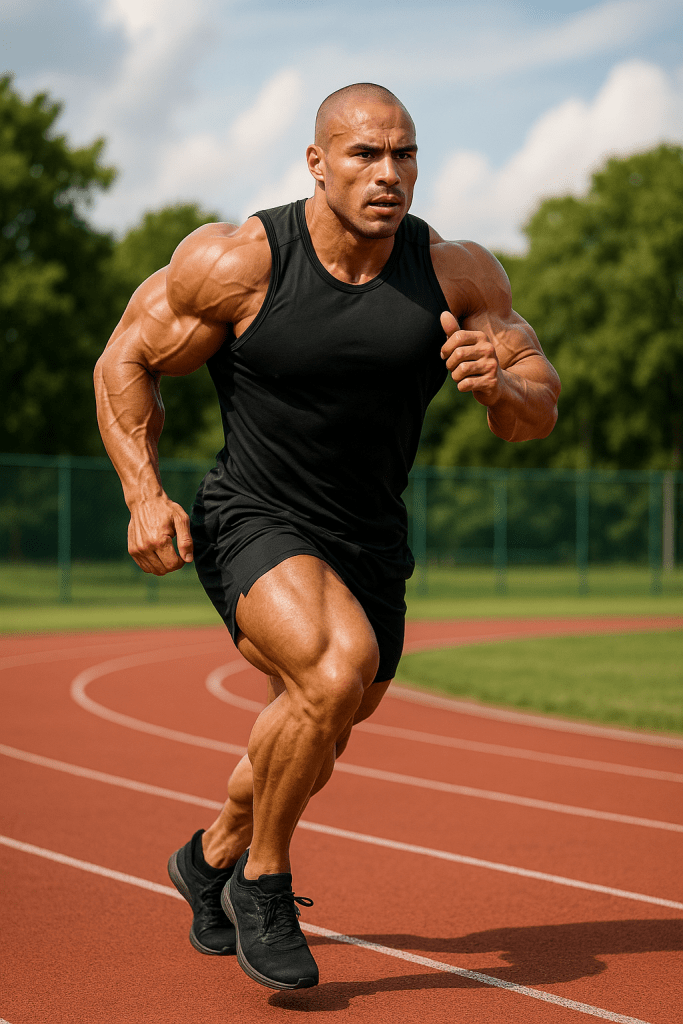
Running
Benefit: Builds cardiovascular strength quickly
Best for: High-intensity workouts, fat loss, time-efficient routines
Instruction:
Start with a 20-minute jog at conversational pace, 3x/week.
Add one session of intervals (e.g., 30 sec sprint, 90 sec walk, repeat 6–8x).
Warm up and cool down with 5–10 minutes of walking.
Cycling
Benefit: Strengthens heart and lungs without joint stress
Best for: Long sessions, injury prevention, steady-state endurance
Instruction:
Start with 30-minute bike sessions at a comfortable, consistent pace, aiming for a smooth pedaling rhythm of around 80 to 90 revolutions per minute.
Gradually increase time/distance weekly by 10–15%.
Include one hill or resistance ride weekly to build leg power.
- Muscle Activation and Joint Impact
Running
Involves high-impact movement and activates key lower-body muscles like the calves, hamstrings, and glutes, while also requiring core stability.
Caution: May cause joint wear, especially in knees and hips.
Instruction:
Invest in high-quality running shoes with arch and heel support.
Stick to softer surfaces (dirt trails, tracks) 2–3 days/week.
Incorporate strength training (e.g., lunges, squats) twice a week to reduce injury risk.
Cycling
Low-impact; activates quads, glutes, and calves.
Ideal for recovery days or post-injury training.
Instruction:
Adjust seat height: When pedaling, your leg should be almost fully extended at the bottom.
Use clip-in pedals for efficiency once you’re comfortable.
Add core work (planks, bridges) to balance muscle engagement.
- Calorie Burn and Fat Loss
Running
Burns more calories per minute.
Best for quick fat reduction.
Instruction:
Combine steady-state runs (20–30 min) with intervals 1–2x/week.
Monitor effort using heart rate or RPE (Rate of Perceived Exertion: aim for 7–8 during intervals).
Keep rest days to recover and avoid burnout.
Cycling
Lower calorie burn per minute, but can ride longer and more often.
Instruction:
Aim for 45–60 min moderate rides or 30 min intense sessions.
Use apps like Strava or Zwift to track output (watts, distance, elevation).
Try fasted morning rides (if approved by a physician) for fat burning.
- Convenience and Lifestyle Fit
Running
Minimal gear and planning. Great for travel or urban life.
Instruction:
Keep a backup pair of running shoes in your car or office.
Use running apps with GPS tracking to find new routes wherever you are.
Don’t run on consecutive days at first — allow recovery time.
Cycling
More planning involved (gear, route, safety) but can be more enjoyable for longer durations.
Instruction:
Start with a hybrid or road bike — get a professional fit if possible.
Make sure to wear a helmet at all times, and equip your bike with lights or reflective accessories when riding in dim or dark conditions.
Join a local group ride once a week to stay motivated.
- Sample Weekly Routine (Beginner to Intermediate)
Day Workout
Monday Rest or 20-min light recovery ride
Tuesday 30-min run (moderate pace)
Wednesday 45-min cycle (steady pace)
Thursday Strength training + core
Friday 20-min interval run
Saturday 60-min cycle (with hills)
Sunday Active recovery walk/stretch
Final Thoughts: Which Is Better?
There’s no universal winner. Both cycling and running help men build cardio & endurance, stay lean, and improve mental focus. The right choice is the one you’ll stick with, enjoy, and benefit from long term.
TL;DR:
Choose Running if you want quick workouts, fat loss, and don’t mind impact.
Many men find the perfect mix by alternating both: running for intensity, cycling for recovery and endurance.
Pro Tips for Men Getting Started
Stretch after every session to improve recovery
Hydrate before, during, and after workouts
Fuel smart: Eat carbs 1–2 hours pre-workout; protein post
Aim for 7 to 8 hours of quality sleep each night to support recovery and maintain healthy hormone levels.
Stay consistent — results build with time, not perfection






 Fitness Guide