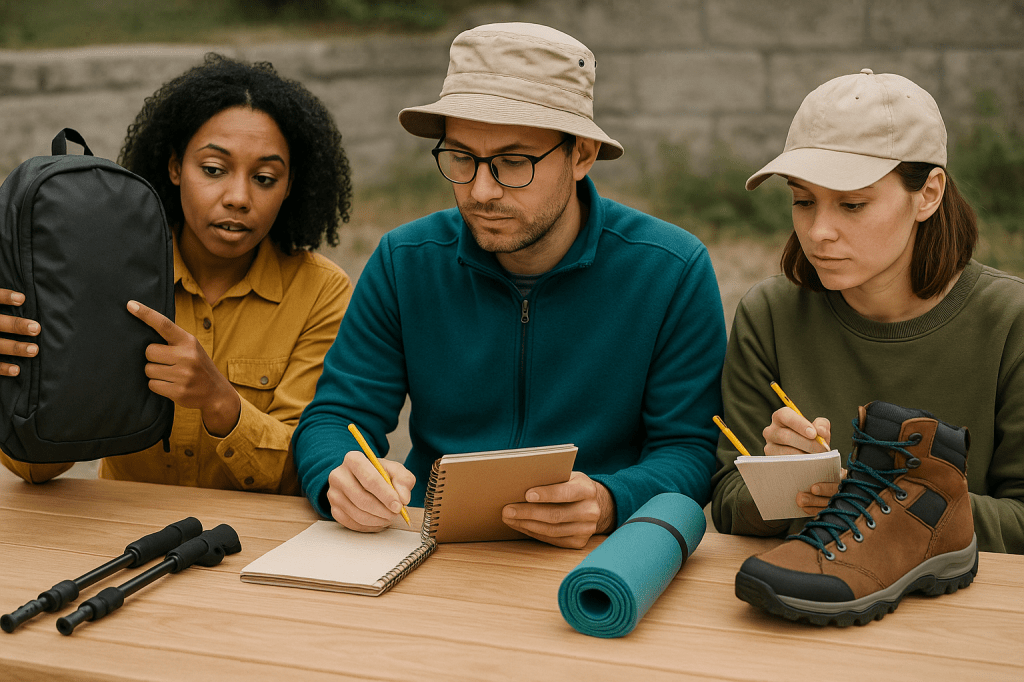
Starting a new fitness routine? One of the most important pieces of gear you’ll need is a good pair of shoes. But with so many options available, choosing the right pair can feel like guesswork—especially if you’re new to it all. This guide simplifies the process by focusing on what really matters, offering gear & reviews for beginners with step-by-step instructions on how to choose the right shoes for your fitness goals.
Step 1: Understand Why Good Shoes Matter
Your shoes are your foundation. Whether you’re walking, running, or just moving more during the day, beginner-friendly shoes protect your feet and joints. They can also boost confidence and make workouts feel easier.
What happens if you wear the wrong shoes?
Pain or blisters
Shin splints
Poor posture
Early fatigue
Bottom line: A good shoe supports your effort—and prevents early setbacks.
Step 2: Know What to Look For
Every feature contributes to overall comfort and helps reduce the risk of injury.
Feature Why It Matters What to Look For
Cushioning Absorbs impact, especially during cardio Foam midsoles, gel inserts
Support Protects arches and prevents overpronation Firm heel cup structured side wall Fit Prevents blisters and discomfort Roomy toe box, snug midfoot
Breathability Keeps feet cool and reduces sweat Mesh or knit uppers
Activity Fit Matches the shoe to your primary activity Running, walking, gym, etc.
Step 3: Try Shoes the Right Way
When trying on shoes, follow these simple steps:
Shop in the late afternoon. Your feet swell during the day, mimicking post-workout size.
Put on the same socks you intend to use during your workouts. This ensures a realistic fit.
Test movement. Walk or jog around the store. Your heel shouldn’t slip, and your toes shouldn’t hit the front.
Try both feet. One foot is often slightly larger. Fit the larger foot.
Step 4: Choose One of These Beginner-Friendly Shoes
Here are a few top-rated models we’ve tested and reviewed, ideal for beginners in fitness:
- Brooks Ghost 15
A tried-and-true neutral running shoe, great for walking or jogging. Known for its soft cushioning and stable ride.
Best for: General fitness, outdoor running, walking
- Nike Revolution 6
Lightweight and budget-friendly, this model offers a flexible fit and decent support for everyday workouts.
Best for: Casual gym use, light cardio
- ASICS Gel-Contend 8
Reliable support and a well-cushioned sole make this ideal for low-impact activity.
Best for: Walking, treadmill use
- New Balance Fresh Foam Arishi v4
A balance of comfort and style, this shoe features a responsive feel and breathable material.
Best for: Daily walks, gym classes
- Reebok Nano X3
If you plan to lift weights or try cross-training, this is a sturdy, gym-ready option.
Best for: Strength training, mixed workouts
Step 5: Avoid Common Beginner Mistakes
Don’t choose based on looks alone. Style is great, but support matters more.
Avoid too-small sizes. Your feet need room to expand while moving.
Skip worn-out hand-me-downs. Cushioning and support wear out faster than you think.
Bonus Tip: Track Your Shoe Mileage
If you’re logging frequent miles through running or walking, it’s a good idea to swap out your shoes every 300 to 500 miles—or roughly every 6 to 12 months, based on how often you use them. Even if they appear to be in good condition, the cushioning and support may have worn down, increasing your risk of injury.
Final Thoughts
Finding the best beginner shoes for beginners doesn’t have to be complicated. With the right instructions and a few trusted recommendations, you’re well on your way to making a smart, supportive choice. Good gear helps build good habits—and that’s what lasting fitness is all about.
So lace up, take that first step, and let your feet thank you later.
 Fitness Guide