When it comes to optimizing fat loss, fitness enthusiasts and athletes often explore recovery techniques beyond diet and exercise. Among these, cold exposure methods like cold showers and ice baths have gained attention for their potential benefits. So, which method truly delivers the best results for fat loss? Let’s dive into the science, practical applications, and wellness benefits — including step-by-step instructions — to help you decide.
Understanding Cold Exposure and Fat Loss
Exposure to cold stimulates brown fat, a type of tissue that helps burn calories by producing heat.
This heat-generating, or thermogenic, response can aid in fat loss by boosting how many calories your body uses.
That said, the effectiveness varies based on how cold the exposure is, how long it lasts, and individual differences.
Cold Showers: Simple and Accessible
Cold showers mean standing under chilly water—usually ranging from about 50°F to 70°F—for several minutes. They’re simple to add to your everyday routine, need no special gear, and provide advantages for recovery, overall wellness, and supporting fat loss.
Benefits:
Boosts metabolism and alertness.
Reduces muscle soreness and inflammation.
Builds mental toughness and resilience.
How to Do a Cold Shower for Fat Loss:
Start Warm: Begin your shower with warm water to relax your muscles.
Gradually Cool Down: Slowly reduce the temperature over 1-2 minutes until it’s uncomfortably cool but manageable.
Time It Right: Stay under cold water for 2–5 minutes. Beginners can start with 30 seconds and build up gradually.
Focus on Breathing: Take deep, steady breaths to help your body adapt and reduce shock.
End Warm or Cold: Some prefer to finish cold for maximum benefits, others warm for comfort. Both are fine.
Frequency: Aim for 3-5 times per week for consistent fat loss and recovery benefits.
Ice Baths: Intense and Effective
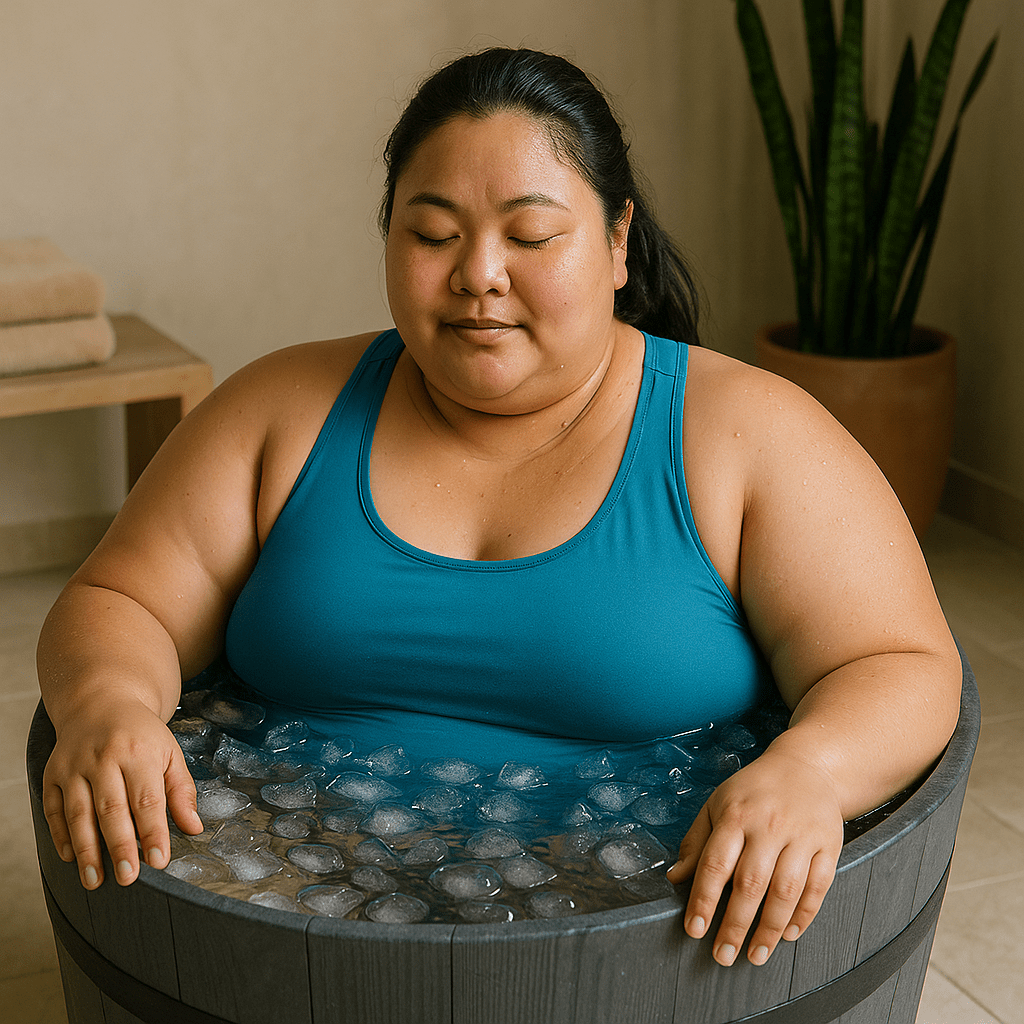
Ice baths involve immersing your body in a tub filled with ice and water, typically between 32°F and 55°F, for 10 to 15 minutes. This method offers intense cold exposure, which can amplify fat-burning effects and recovery.
Benefits:
Increases calorie burn through intense thermogenesis.
Reduces muscle inflammation and speeds recovery.
Strongly activates brown fat tissue.
How to Take an Ice Bath for Fat Loss:
Prepare the Bath: Fill a tub with cold water and add enough ice to lower the temperature to around 50°F or below.
Check Temperature: Use a thermometer to ensure safe levels; don’t go below 32°F to avoid frostbite risks.
Enter Slowly: Ease into the bath gradually, sitting down carefully to let your body adjust.
Set a Timer: Limit sessions to 10-15 minutes to avoid hypothermia or excessive stress.
Stay Calm: Focus on controlled breathing to maintain relaxation and reduce shock.
Warm Up Afterwards: After exiting, dry off and warm yourself gradually with a towel or warm clothes.
Frequency: Limit ice baths to 2-3 times per week to avoid overexposure and give your body time to recover.
Which Is Better for Fat Loss?
Ice baths may offer more potent fat-burning benefits due to deeper cold exposure and stronger brown fat activation. However, cold showers are easier to integrate into daily life and still support recovery and fat loss effectively. Starting with cold showers and gradually advancing to ice baths—if desired and safe—can be an excellent, balanced strategy.
Tips for Safe and Effective Cold Exposure
Always consult a healthcare professional if you have heart conditions, circulatory issues, or other health concerns.
Never stay in ice baths longer than recommended.
Avoid cold exposure if you feel dizzy, numb, or extremely uncomfortable.
Combine cold exposure with proper nutrition, exercise, and rest for best results.
Final Thoughts on Recovery & Wellness for Fat Loss
Both cold showers and ice baths are valuable tools in your fat loss and fitness toolkit. Used consistently and safely, they enhance recovery, boost metabolism, and promote overall wellness. Remember, cold exposure complements—not replaces—healthy habits like balanced eating and regular physical activity.
 Fitness Guide